Where do locals actually go in Lidingo?
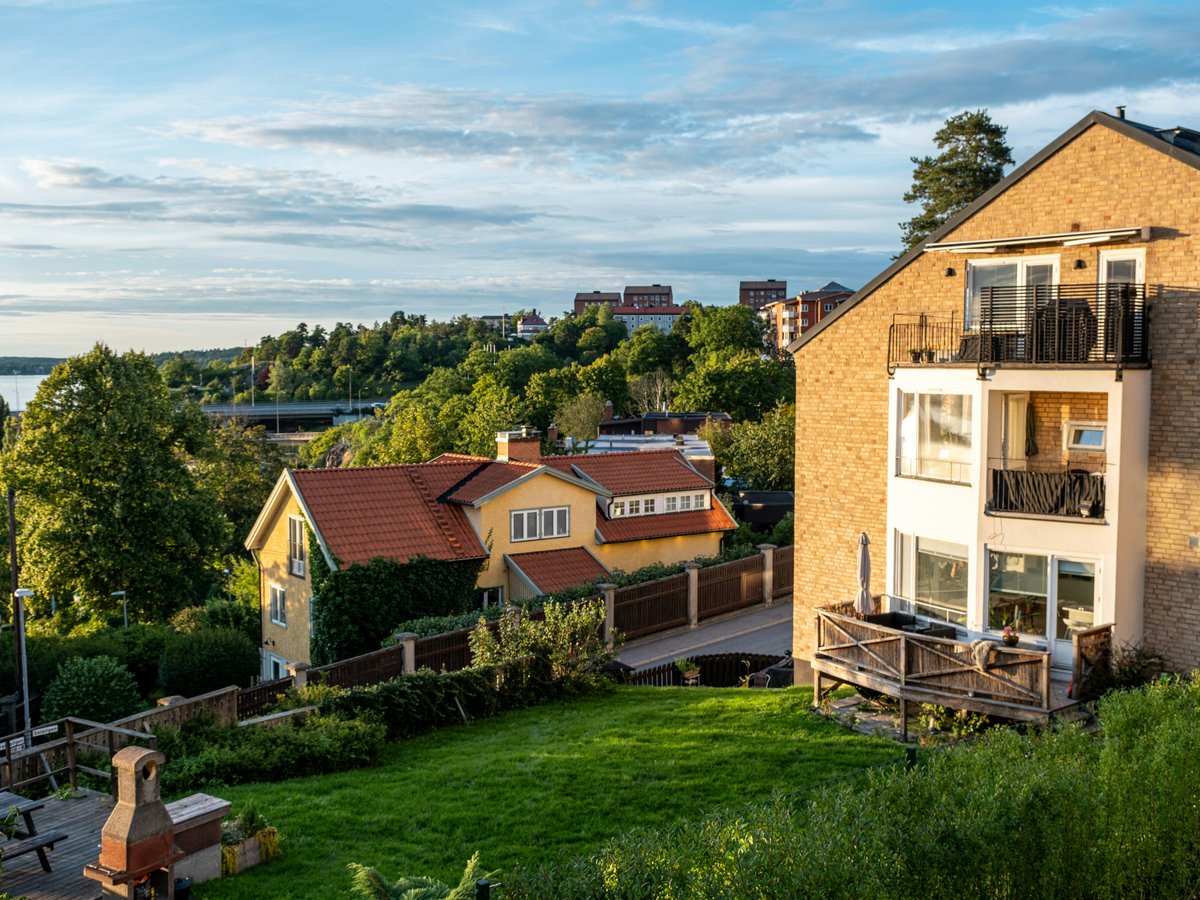
Lidingö locals spend their free time outdoors: running the Grönsta gärde trails before 8am, working in the Lidingö stadsbibliotek on weekday mornings, buying from the farm shop at Elfviks gård on Saturdays, and walking dogs along Gåshaga brygga at dusk. The island is a villa suburb of about 48,000 people, and tram 21 to Ropsten is what links all of it to Stockholm.
Lidingö has almost no café culture to speak of, and you should plan around that. Residents organise their week around trails, sports clubs and the water. Grönsta gärde is where Lidingöloppet starts and finishes, a 30 km race held each autumn that bills itself as the largest cross-country race in the world. Between 6:30 and 8am on weekdays the gravel loops nearby fill with commuters training before they catch the tram. You hear shoes crunching on grit and smell wet pine bark. From November the sun sets before 4pm, and the lit tracks (elljusspår) carry the evening crowd. If you want to meet people, joining one of the island's running clubs will get you further in a week than a month of sitting in cafés.
For work, go to Lidingö stadsbibliotek inside Lidingö Centrum. The wifi is free, the desks are quiet and staff leave you alone all day. Weekday mornings are calm. After about 3pm, students from the nearby gymnasium take over the big tables and the room gets noisy. The supermarkets and the pharmacy sit in the same mall, which makes Centrum the most practical base on the island for a stay of a month. The cafés in the mall are another matter: built for strollers and quick fika, not laptops, with staff who stack the chairs on schedule. Lidingö has no real coworking scene. Monthly members ride tram 21 to Ropsten and switch to the red metro line, which reaches T-Centralen in about 15 minutes. Budget for that commute rather than hunting for a desk on the island.
Weekends move to the island's eastern edge. Elfviks gård, a farm in the Långängen-Elfvik nature reserve, draws families on Saturday mornings: expect cold air off Askrikefjärden, the smell of horse barns and warm cardamom buns at the farm café. Gåshaga brygga is where tram 21 ends, and in summer the Waxholmsbolaget ferries stop there. On October evenings it belongs to dog walkers and couples in down jackets watching the water go grey. Fågelöuddebadet is the summer swimming beach, where the water rarely tops 20°C, and locals swim there anyway. When Kottlasjön freezes hard enough in January, skaters cover it from shore to shore.
The trade-offs are concrete: most rentals sit in villa districts such as Käppala and Sticklinge, where fibre broadband is standard and the nights are quiet, but you will walk 15 minutes to reach a shop, and there are no laundromats. Swedish homes share a communal laundry room called a tvättstuga, so ask your host for booking access before you pay. Lidingö scores 6.2/10 for digital-nomad suitability (sourced from TTDI's editorial rubric), held back mainly by the missing coworking. A 30-day SL transit card costs roughly 1,000 SEK, about 100 USD at 9.93 SEK to the dollar. Schengen's 90-in-180-day rule covers Sweden, and Swedish border police count every day you spend anywhere in the zone.
Where they actually go
Grönsta gärde trails
Grönsta: Gravel loops at the Lidingöloppet start and finish. Commuting runners in headlamps by 6:30am, the crunch of grit underfoot and the smell of wet pine, and lit tracks that keep it busy after dark from November.
Lidingö stadsbibliotek
Lidingö Centrum: The island's real workspace. Free wifi and quiet desks in the morning, then students and chatter after 3pm. Retirees read newspapers by the windows, and supermarkets are a one-minute walk away.
Elfviks gård
Elfvik: A working farm in the nature reserve. Saturday-morning families, horse-barn smells, a cold wind off the fjord, and warm cardamom buns from the café counter.
Gåshaga brygga
Gåshaga: The pier at the end of tram 21. Dog walkers in down jackets at dusk, gulls overhead, and diesel from Waxholmsbolaget ferries in summer. Few visitors get this far.
Fågelöuddebadet
Fågelöudde: The locals' summer beach, with rocks, a short strip of sand, and water that rarely reaches 20°C. Families with picnic coolers arrive on weekday afternoons in July once the commuters get home.
Kottlasjön
Kottla: A small forest lake. Swimmers come in August, and in a hard January, skaters cover the black ice and you hear blades scraping in the silence.
Best times to visit
Trails from 6:30 to 8am on weekdays, the library before 3pm, Elfviks gård on Saturdays from 10am, Gåshaga brygga at dusk (around 4pm in late autumn), and Kottlasjön only once the January ice is thick.
Last verified by automated review (v1.7.2) on . What is automated review?