
Kyoto's museums cover far more than temple treasures: the oldest dates from 1897, the manga museum from 2006, and modern art has had a national museum of its own since 1963. Some of the best days start in Kyoto and end beyond it, because a literary museum in Uji, a museum devoted to the Nintendo name in Uji, an art museum in Kōka, Shiga, and a museum in Kusatsu, Shiga all reward a traveler willing to give up an afternoon of temple-hopping. Several buildings are protected in their own right: the national museum is an Important Cultural Property of Japan, and so is the Museum of Kyoto. This list is for the visitor who would rather see one room properly than ten in a hurry. Days and hours vary considerably, and one museum closes on Wednesdays while another closes on Mondays, so read each entry before you build a day around it.
-
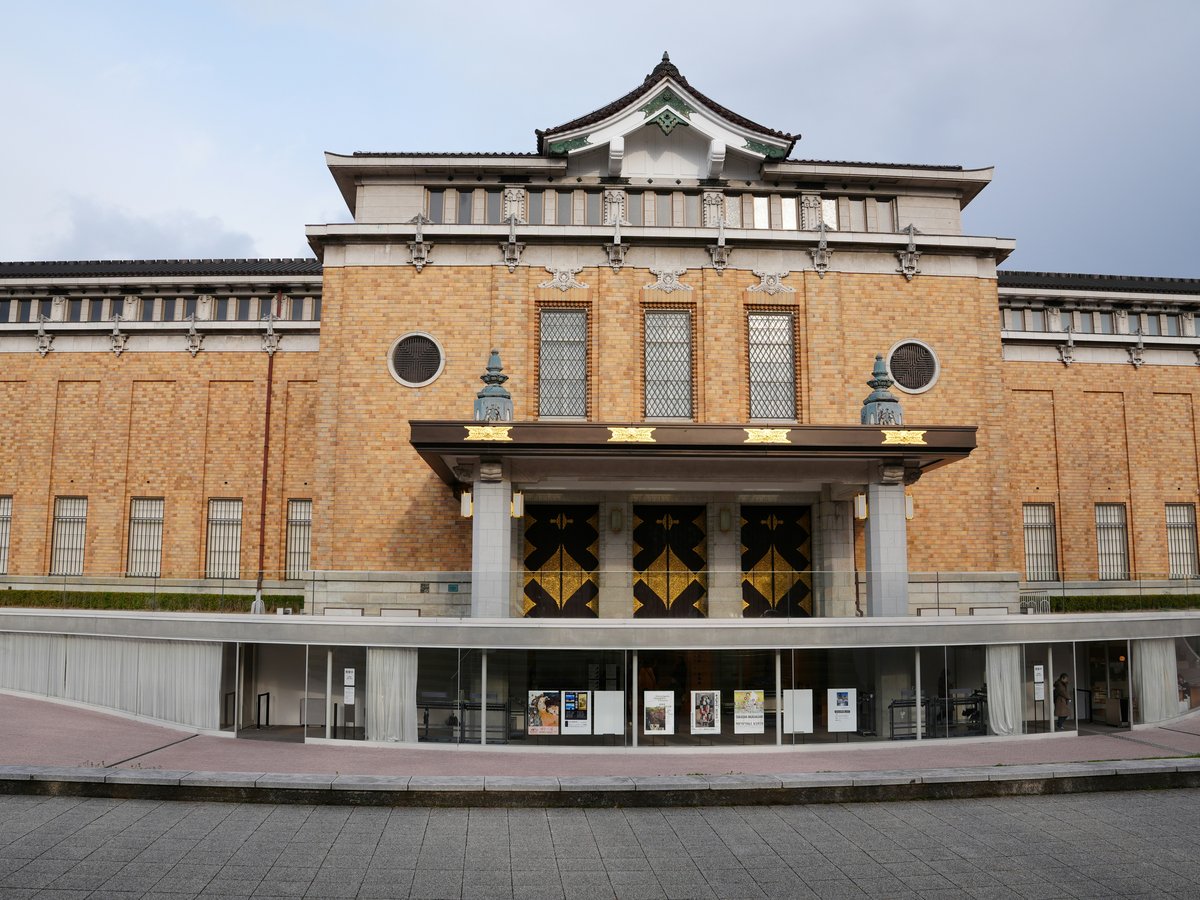
1 Kyoto National Museum
京都府京都市東区茶屋町527A museum that is itself an Important Cultural Property of Japan
Since 1897, the Kyoto National Museum has kept its address at 茶屋町527, and that long tenure is the first thing to respect about it. The institution is designated an Important Cultural Property of Japan, so the site itself deserves as much of your attention as the cases do. It is described plainly as an art museum in Japan, a modest label that undersells the visit. Resist the urge to sprint through every gallery in one go; choose a single room and a single period, and stand there longer than feels polite. Check the official site for what is on before you set out, because the right exhibition turns a good morning into the best one of your trip.
Dates from 1897 · Important Cultural Property of Japan
-
2 Kyoto International Manga Museum
Manga treated as art, in a museum registered as a Tangible Cultural Property of Japan
The Kyoto International Manga Museum runs 10:00 to 17:00, Thursday through Monday, and closes on Wednesdays. It dates from 2006, yet carries a Registered Tangible Cultural Property of Japan designation, and that pairing of a young institution with protected status is worth a moment's thought as you walk in. It is classed as an art museum, and that is the right way to treat manga here: seriously, page by page. Wednesday is the closed day, so arriving out of habit will get you nowhere. For questions before you go, the museum's line is +81-75-254-7414, and the official site is the place to check the current programme.
Dates from 2006 · Registered Tangible Cultural Property of Japan
-
3 National Museum of Modern Art, Kyoto
A national art museum given over to the modern, dating from 1963
Founded in 1963, the National Museum of Modern Art, Kyoto makes the case that the city's art story did not end with the old masters. It is listed as an art museum in Japan, and in a city this old, the word modern is what sets it apart. Don't assume that modern means minor in a place so weighted with antiquity. Give these galleries the same unhurried hour you would give an older collection, and you may leave with a sharper sense of the city than any shrine could give you. Confirm the address and the day's hours on the official English site before you go, because the visit deserves a plan rather than a passing glance between other stops.
Dates from 1963
-
4 Miho Museum
滋賀県甲賀市信楽町田代桃谷300An art museum in Kōka, Shiga that makes the journey part of the visit
The Miho Museum stands at 信楽町田代桃谷300 in Shiga, an art museum in Kōka that dates from 1997, and the address alone tells you what kind of day this is. Skip the rushed half-day version that bolts it onto a temple morning; the locals know this is an outing, not a detour. Arrive with time to spare and with no checklist in hand, because the visit is better for being treated as the whole point of the day. Check the official site for current opening details and access before you commit, then leave the afternoon open so you never have to watch the clock.
Dates from 1997
-
5 Nintendo Museum
56 Kaguraden, Ogura-cho, Uji-shi, Kyoto 611-0042A museum carrying the Nintendo name, in Uji
The Nintendo Museum, at 56 Kaguraden, Ogura-cho in the 611-0042 postal area, in Uji, Kyoto, is a museum about Nintendo, and the reason to make the trip is to hear that story told in a museum's register rather than a shop's. Skip the expectation of an arcade. It describes itself as a museum, and if you approach it as one you will get more from the visit than those who come purely for photos. Entry details and visiting rules are on the official site; read them carefully before you board, because turning up on impulse is the surest way to spoil the trip to Uji.
-
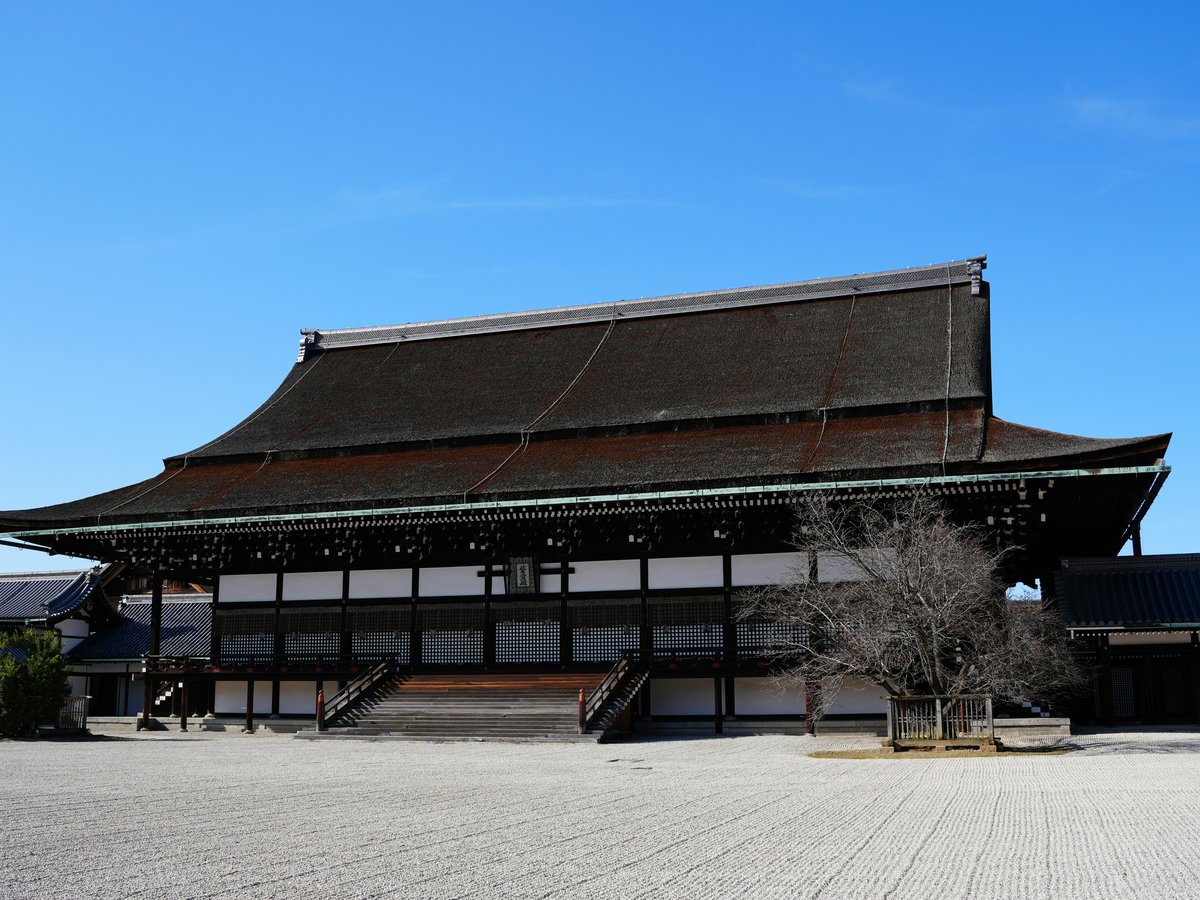
6 Kyoto Municipal Museum of Art
京都府京都市左京区岡崎円勝寺町124A museum dating from 1933, registered as a Tangible Cultural Property of Japan
In the late afternoon the building at 岡崎円勝寺町124 catches the light, and the Kyoto Municipal Museum of Art, dating from 1933, holds a Registered Tangible Cultural Property of Japan designation, which means the structure itself is part of what you came to see. It is described as an art museum in Japan. The official site is at kyotocity-kyocera.museum; if the municipal name sends you in circles when searching, that address cuts straight to it. Skip the closing-time dash: this building asks for a slow lap outside before you go in, and a second slow lap after you come out.
Dates from 1933 · Registered Tangible Cultural Property of Japan
-
7 The Tale of Genji Museum
〒611-0021 京都県宇治市宇治東内45-26A literary museum in Uji built around a single book
The Tale of Genji Museum sits at 宇治東内45-26, postcode 611-0021 in Uji, and opens 09:00 to 17:00 Tuesday through Sunday, closing on Mondays. Described as a literary museum dating from 1998, it is built around a single work, which means a reader's patience serves you better here than a sightseer's pace. Read even one chapter before you come and the visit shifts: rooms that look like props become scenes you recognise. The official pages are on the Uji city website, which is where we'd check before making the trip out from Kyoto.
Dates from 1998
Hours: Tu-Su 09:00-17:00
-
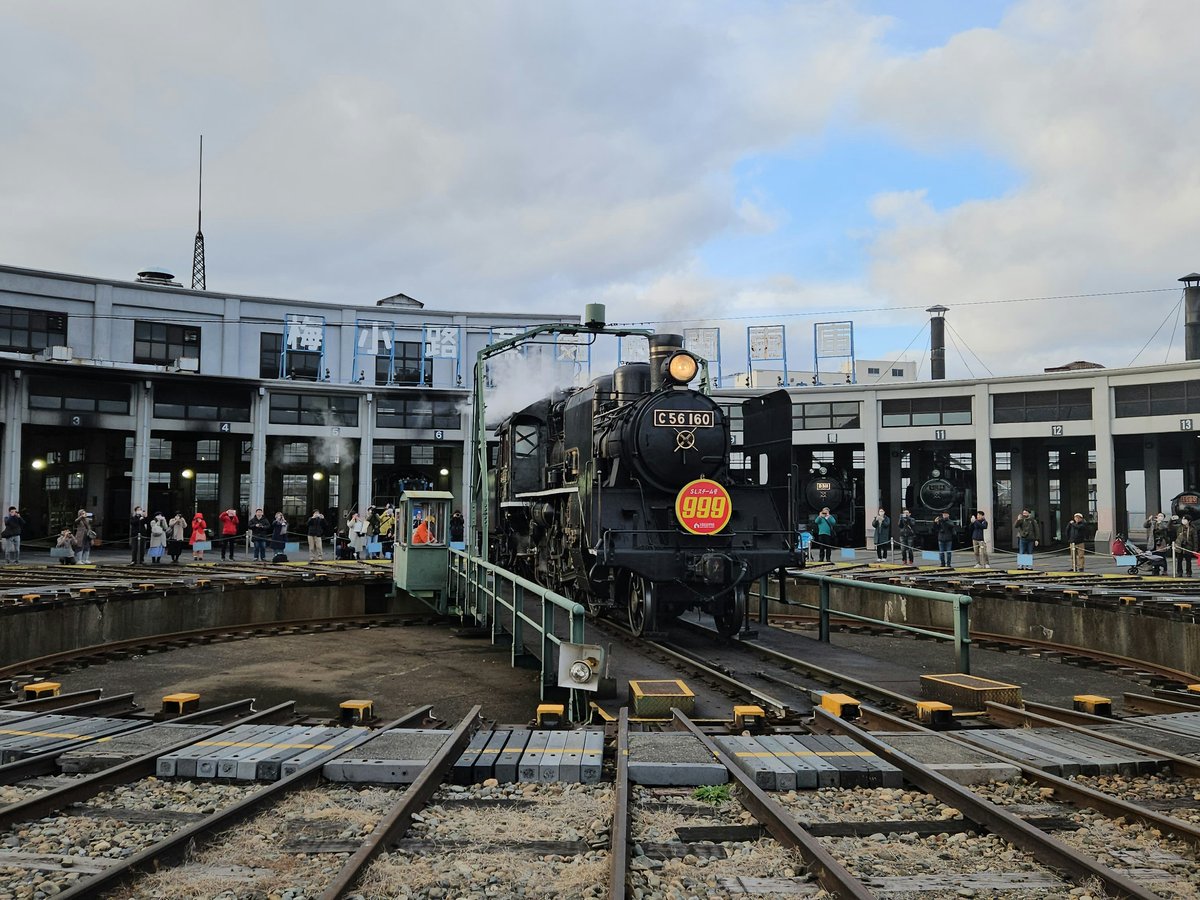
8 Kyoto Railway Museum
京都府京都市下京区観喜寺町A railway museum in Kyoto dating from 1972
The Kyoto Railway Museum sits at 観喜寺町 in 下京区, a railway museum in Kyoto that has been open since 1972. Hours run 10:00 to 16:30, Thursday through Tuesday, with Wednesdays dark and the stretch from Dec 30 to Jan 01 closed. We'd arrive early rather than late: 16:30 comes fast in a place built for lingering, and children will not thank you for cutting the visit short. Check the English-language official site for the day's programme before you build an afternoon around it.
Dates from 1972
-
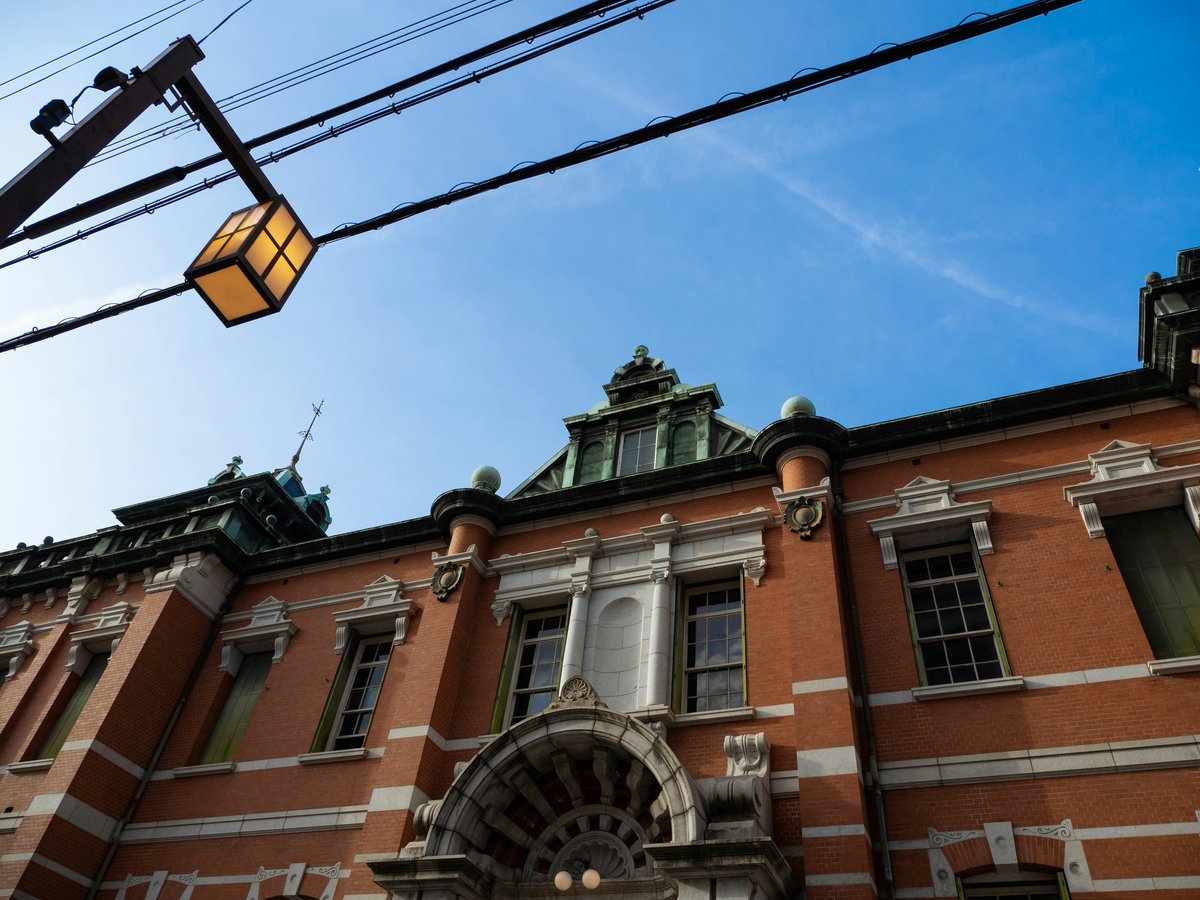
9 Museum of Kyoto
京都府京都市中京区高倉通三上る東片町623-1A museum of the city itself, designated an Important Cultural Property of Japan
The Museum of Kyoto, designated an Important Cultural Property of Japan, stands at 東片町623-1 and dates from 1988. Filed as a museum in Kyoto, it is a fair description of a place whose subject is the size of a city. A slow hour here near the start of a trip does more than any orientation tour: it frames everything else you will see in the days after. Come early in your stay, not as a last stop. Check the English-language official site for current exhibitions and hours before you go.
Dates from 1988 · Important Cultural Property of Japan
-
10 Kyoto City Archaeological Museum
京都府京都市上京区今出川通大宮東入元伊佐町265-1The city's archaeological record, kept by an institution dating from 1979
The Kyoto City Archaeological Museum at 元伊佐町265-1 dates from 1979 and does the unglamorous work of keeping the city's buried record. Its listing calls it an archive organization, a dry label for a place that deals in what the ground gives back. Don't come here hoping for a blockbuster, because the reward is patience, not spectacle, and the visitor who reads the labels slowly leaves understanding the streets above in a new way. Write the full address down for the driver, since the street directions are in the address itself, and check the official site for current hours before you go.
Dates from 1979
-
11 Kyoto Museum for World Peace
〒603-8577 京都府京都市北区等持院北町56-1A museum in Kyoto dedicated, as its name says, to world peace
The Kyoto Museum for World Peace, at 等持院北町56-1 in the 603-8577 postal area, is described as a museum in Kyoto, and its name tells you exactly what you are walking into before you reach the door. Leave the souvenir-hunting frame of mind outside; this is a place that asks you to read, slow down, and sit with difficult material for longer than most museums require. Not a light afternoon, and not meant to be. The official pages sit on a ritsumei.ac.jp address, and we'd check them for hours and current exhibitions before you set out.
-
12 Lake Biwa Museum
滋賀県草津市下物町1091A museum given over to Lake Biwa, in Kusatsu, Shiga
The Lake Biwa Museum sits at 下物町1091 in Kusatsu, Shiga, and it is worth the journey out of the city. It dates from 1996, and its name says plainly what it covers: the lake itself, not a collection that merely happens to sit beside it. That said, it does not repay the trip as a half-hearted add-on squeezed between Kyoto sights; give it the whole day the journey implies. Pack lunch, travel light, leave the evening free. The official site carries current hours and access details, and we'd read those before you leave Kyoto rather than on the platform.
Dates from 1996
Last verified by automated review (v1.7.2_fame1017d-1015-1173-20261017171905) on . What is automated review?