
Kyoto sat as Japan's imperial capital for over a thousand years, from 794 until the Meiji government moved to Tokyo in 1868, and that long tenure left the city with seventeen UNESCO World Heritage sites spread across a valley floor ringed on three sides by low mountains. The geography matters more than most visitors expect: Higashiyama, the eastern hills, hold the densest concentration of temples, from Kiyomizu-dera on its wooden platform to Nanzen-ji at the base of the Philosopher's Path, while the western district of Arashiyama sits where the Katsura River bends through bamboo groves and the Togetsukyo Bridge marks the old boundary between city and wilderness. Between these poles, downtown Kyoto runs along a strict grid Emperor Kanmu borrowed from Chang'an, and locals still navigate by intersection names: Shijo-Kawaramachi is the commercial center, Sanjo-Ohashi the old Tokaido road terminus. A typical first morning might start at Nishiki Market, a narrow covered arcade five blocks long where vendors sell pickled vegetables, fresh yuba, and roasted tea, then drift north through the wooden machiya townhouses of Nakagyo ward toward the Imperial Palace grounds. Evenings pull south to Gion, where the ochaya teahouses along Hanami-koji still operate by introduction, and Pontocho, a lantern-lit alley one person wide running parallel to the Kamogawa River. The city's rhythm is seasonal in a way that structures the entire calendar: cherry blossoms in early April, Aoi Matsuri in May, the month-long Gion Matsuri through July, and the autumn maple peak in late November when Tofuku-ji draws lines before dawn. Kyoto is not small: nearly one and a half million people live here, and the south side around Kyoto Station feels like any modern Japanese city, but the northern wards keep a quieter grain, and the shift from concrete to cedar happens faster than you would guess.
Kyoto in photos


Kyoto right now
Answers about Kyoto
-
Airport to city
Take the JR Haruka Express from Kansai International Airport (KIX) to Kyoto Station: 75 minutes, around ¥2,200 ($14) with the tourist-discount ICOCA & Haruka ticket sold at the JR counter in arrivals. Runs twice an hour until roughly 10pm. Bring your passport to buy the discounted fare.
Read the full answer → -
Best time to visit
Go in the second half of November, when maple colour at Tofuku-ji and Eikan-do usually peaks from about November 20 into early December, rain is light, and days are cool enough for long temple walks. Late March to early April brings cherry blossom with the year's worst crowds and room rates. Avoid June to August for the rainy season and heavy heat.
Read the full answer → -
Cost per day
Budget ¥7,000/day ($45) covers a hostel dorm in Shimogyo-ku, konbini breakfasts, and teishoku set lunches. Midrange ¥19,000 ($120) lands a business hotel with onsen bath and sit-down dinners. Luxury ¥56,000+ ($350+) buys a ryokan with kaiseki. Temple admissions at ¥400-600 each stack to ¥2,500-3,000 on a full sightseeing day.
Read the full answer → -
Cultural etiquette
Remove shoes at temple entrances. Bow instead of shaking hands, 15 degrees for shopkeepers and 30 for temple priests. Never tip anywhere in Kyoto. In the Gion district, photographing maiko on private roads off Hanamikoji-dōri carries a ¥10,000 fine. Don't stand chopsticks upright in rice. The gesture mimics Buddhist funeral incense.
Read the full answer → -
Best day trips
Nara (42 km, 35 min by Kintetsu, ¥1,160) and Uji (15 km, 20 min by JR, ¥240) are the strongest single-day trips from Kyoto for couples. Kurama-to-Kibune (12 km, Eizan Railway, ¥430) is the most romantic, with a cedar-forest hike that leads to summer kawadoko river dining. Himeji Castle (130 km, 50 min shinkansen) fills a full day if either partner likes castle architecture.
Read the full answer → -
Digital nomads
Kyoto scores 7.8/10 for digital-nomad suitability (sourced from TTDI's editorial rubric). NTT fiber delivers 1 Gbps to most central apartments for ¥5,500/month, but short-term rentals often cap at 50-100 Mbps via pocket wifi. Monthly all-in budget sits around $2,200. The weak months are June through September, when 85% humidity makes cheap apartments with wall-unit AC a test of endurance.
Read the full answer → -
Family-friendly
Kyoto is broadly family-friendly, with temple fatigue as the main caveat for kids under 6. The Kyoto Railway Museum (¥1,200 adult, ¥500 child), Iwatayama Monkey Park, and Nishiki Market street food all land with children. Stroller verdict: JR trains work, city buses and temple gravel paths do not. Plain udon runs ¥400-600 everywhere.
Read the full answer → -
Food culture
Kyoto's food culture runs on kaiseki, the multi-course tradition born from 16th-century tea ceremony. Nishiki Market on Nishikikoji-dori has operated since 1310. Obanzai home cooking dominates lunch counters in Kawaramachi. Tofu shops cluster near Nanzen-ji Temple. Expect to spend 1,000-1,500 JPY on a lunch set, 15,000+ JPY on a proper kaiseki dinner.
Read the full answer → -
Getting around
IC card on Kyoto's buses and two subway lines, bicycle for the flat central grid, taxi or GO app after dark. Buses run everywhere temples are: the subway doesn't. Load an ICOCA at Kyoto Station for 2,000 yen and tap on everything. The old bus day pass is gone; the 1,100-yen subway-bus combo pass replaced it.
Read the full answer → -
How to get there
Kyoto has no airport: fly into Kansai International (KIX) near Osaka, then take the JR Haruka Express 75 minutes north to Kyoto Station. From North America, expect one stop via Tokyo, Seoul, or Taipei at $800–1,300 round-trip. From Europe, connect through Helsinki or a Gulf hub, or catch a direct BA or Finnair flight to KIX.
Read the full answer → -
Is it safe?
Kyoto scores 9.2 out of 10 for solo-traveler safety (see the TTDI Solo-Safety Index). Violent crime against visitors is close to zero. The real risks are cycling collisions on narrow Higashiyama lanes, summer heat that pushes past 37°C with high humidity, and September typhoon disruptions. Police respond at 110, ambulance at 119.
Read the full answer → -
Language basics
Japanese, written in three scripts (hiragana, katakana, and kanji). English proficiency in Kyoto's tourist zones runs about 4 out of 10. Staff at JR Kyoto Station and major temple ticket counters handle English fine, but bus drivers, Nishiki Market vendors, and smaller restaurants in Gion often don't. 'Sumimasen' (excuse me) is the single most useful word you'll need.
Read the full answer → -
Layover guide
Yes, with at least 8 hours. The JR Haruka Express from Kansai International Airport reaches Kyoto Station in 75 minutes, about 3,400 yen reserved. Immigration takes 20-45 minutes each way. Factor in a 90-minute return buffer and you get roughly 2 hours on the ground, enough for Fushimi Inari's lower torii gates and a bowl of ramen near Kyoto Station.
Read the full answer → -
LGBTQ-friendly
Kyoto scores 5.5/10 for LGBTQ+ friendliness (sourced from TTDI's editorial rubric). Japan lacks national marriage equality, though Kyoto city has offered partnership certificates since 2020. The queer scene is limited to a handful of bars along Kiyamachi-dori. You are safe but largely invisible. For a full queer night out, Osaka's Doyama-cho district is 15 minutes away by train.
Read the full answer → -
Where locals go
Kyoto locals spend their off-hours in Sakyo-ku and Nishijin, not Gion. Kyoto University students drink on the Kamogawa Delta at Demachiyanagi, Nishijin retirees soak at Funaoka Onsen, and Sakyo potters sell at Chion-ji's monthly handmade market. For a month-long stay, base yourself near Demachiyanagi, where the Masugata arcade covers groceries and the river covers your evenings.
Read the full answer → -
Must-see
Kinkaku-ji, the Golden Pavilion, in Kita-ku. The Zen temple dates to 1397 and was rebuilt in 1955 after arson. Two hundred thousand sheets of gold leaf coat the upper floors. Arrive at the 9am opening to see the reflection on Kyōko-chi pond before tour buses fill the gravel paths. Entry is ¥500, about $3.10.
Read the full answer → -
Solo travel
Kyoto is a 9/10 for solo travel. Counter dining is the local default, not an awkward exception. The bus-and-subway network runs until 23:30, temple paths suit walking alone, and violent crime against tourists is near zero. The main downside is social. Kyoto's visitors move in couples and tour groups, so meeting people takes deliberate effort.
Read the full answer → -
This week
Summer in Kyoto means 36°C heat trapped in a landlocked basin. Mornings before 9am are the only comfortable window for temple visits. Most museums close Mondays. Nishiki Market runs daily but is walkable Tuesday through Thursday. Kamo River noryo-yuka dining platforms, raised on stilts over the water, operate nightly all summer.
Read the full answer → -
3-day itinerary
Day 1 covers Higashiyama on foot, from Kiyomizu-dera at 6 AM through Gion by evening. Day 2 heads northwest to Arashiyama's bamboo grove and Kinkaku-ji. Day 3 starts at Fushimi Inari's torii gates before the crowds, then loops through Nishiki Market and the Imperial Palace. Total walking across three days is about 28 km.
Read the full answer → -
What to avoid
Skip Kyoto City Bus 205 from Kyoto Station, the Arashiyama bamboo grove in late morning, Nishiki Market's wagyu skewers, and the Kyoto Tower observation deck. Take the subway, Keihan, or JR Nara Line instead, climb Fushimi Inari at first light, and stay out of the private lanes off Hanamikoji-dori in Gion, where tourists are now barred.
Read the full answer → -
What to pack
Walking shoes that grip wet stone and slip off at Kyoto's temple entrances. Kyoto's 1,600+ temples require shoe removal at every entrance, and you'll do it 10-15 times on a full sightseeing day. Pack a compact rain shell for the June-July tsuyu season, a coin purse for cash-only machiya shops near Nishiki Market, and layers that adjust between 3°C November mornings at Kinkaku-ji and 35°C August afternoons in Gion.
Read the full answer → -
Where to stay
Stay in Gion for a first trip to Kyoto. You're 7 minutes on foot from Yasaka Shrine, 10 from Kiyomizu-dera, and on the Shimbashi lantern streets by evening. Budget ¥14,000-24,000 ($88-150) for a machiya rental, ¥25,000-42,000 ($156-263) for a ryokan. For repeat visits, Demachiyanagi near the Kamogawa delta runs 30-40% cheaper.
Read the full answer →
Deep guides for Kyoto
-
Kyoto Restaurants: What's Worth It
A tier-by-tier verdict on dining in Kyoto, from the single-discipline counters in Gion and Kawaramachi to the everyday kitchens that feed locals past midnight. Twelve rooms, named with who each is right for, the hours that matter, and the alternatives worth knowing.
Read the guide → -
Best Time to Visit Kyoto, by Season
Kyoto's basin climate swings 33 degrees between January and August. This is the month-by-month case for every window, built from verified daily-observation averages, with a single best pick named for five kinds of traveller.
Read the guide →
Curated lists for Kyoto
accommodation
-
Best boutique hotels
Kyoto's accommodation map splits along old ward lines, not the tidy tourist zones the rail maps suggest. The station district stacks modern towers above the Shinkansen platforms; walk north and the grid thins into machiya alleys where a converted townhouse charges less than the tower lobby bar. Gion's teahouse streets hold the postcard reputation and the rates to match, while the neighborhoods west of Nijo Castle trade foot traffic for residential silence and traditional inns serving multi-course kaiseki in your room. Arashiyama sits at the city's western rail fringe, closer to bamboo groves than to subway lines, and rewards travelers willing to commute for onsen soaking and mountain air. Between these poles, the smaller blocks around Sanjo, the Takase River, and Higashiyama's temple slopes each carry a distinct price band and walking radius. The ten neighborhoods below move from the quieter residential pockets near Nijo down through the Gion corridor and into the station cluster, each grounded in the specific hotels the area carries, not in a brochure mood. Stay near the station for logistics; stay in the eastern hills for atmosphere; stay in the west for solitude. Kyoto earns its reputation as a city where the right neighborhood matters more than the right hotel.
See the picks → -
Best hostels
Kyoto spreads along a grid that still follows the Tang dynasty template it was built on, and the budget accommodation clusters along two axes: the Karasuma subway line running north to south, and the Shijo-Kawaramachi shopping corridor running east to west. Most travelers default to Kyoto Station because the Shinkansen drops them there, but the station neighborhood trades temple access for chain-hotel convenience. The real decision is whether you want the walkable shrine density north of Gojo-dori or the cheaper, quieter blocks east of the Kamo River. Budget beds in Kyoto run from $21 to $80 a night, scaled to your distance from the Shinkansen platforms, and ratings for the top options here sit between 8.9 and 10.0: unusually tight for a city this size. The grid makes orientation straightforward: numbered streets count upward from the Imperial Palace, and if you can find Shijo and Karasuma-dori, you can cover most of the budget belt on foot. Neighborhoods here are small, sometimes a single block deep, and the difference between a quiet residential lane and a tourist corridor can be one turn.
See the picks → -
Best luxury hotels
Kyoto's luxury hotels divide into two traditions that rarely overlap. One runs through the ryokan: inns where meals are served in your room and the building carries as much intent as the hospitality. The other belongs to contemporary design properties that treat the city's streetscape as a visual anchor. Between these poles sit a handful of residence-style houses and international brands that have learned to stay quiet in a city that rewards restraint. Nightly rates in this selection span from USD 207 to USD 1,157, and Trip.com guest ratings fall between 8.9 and 9.8. The 12 properties below cover both traditions. Each earns its place by doing one thing the others do not.
See the picks → -
Where to stay
Kyoto splits into distinct corridors for sleeping, and the choice of neighborhood shapes the trip more than the choice of room. The central shopping axis along Kawaramachi puts temples and department stores on the same walk. The station zone trades atmosphere for logistics: bullet-train platforms, bus terminals, and the city's densest cluster of business hotels. East of the river, the Gion and Kiyomizu quarter layers machiya guesthouses over steep cobbled lanes. West of center, the grid around Nijo Castle stays quieter, residential, and cheaper. Between these anchors sit single-hotel pockets in the Kujo and Gojo wards, where the nightly rate drops and the convenience stays high if you know which bus lines to catch. Kyoto's transit is bus-heavy and subway-light; a hotel near the right stop matters more than the star rating above the door. The neighborhoods below are ordered by depth of inventory, from corridors with the widest tier spread to single-property pockets where one well-scored budget bed is the entire offering.
See the picks →
attractions
-
Best free attractions
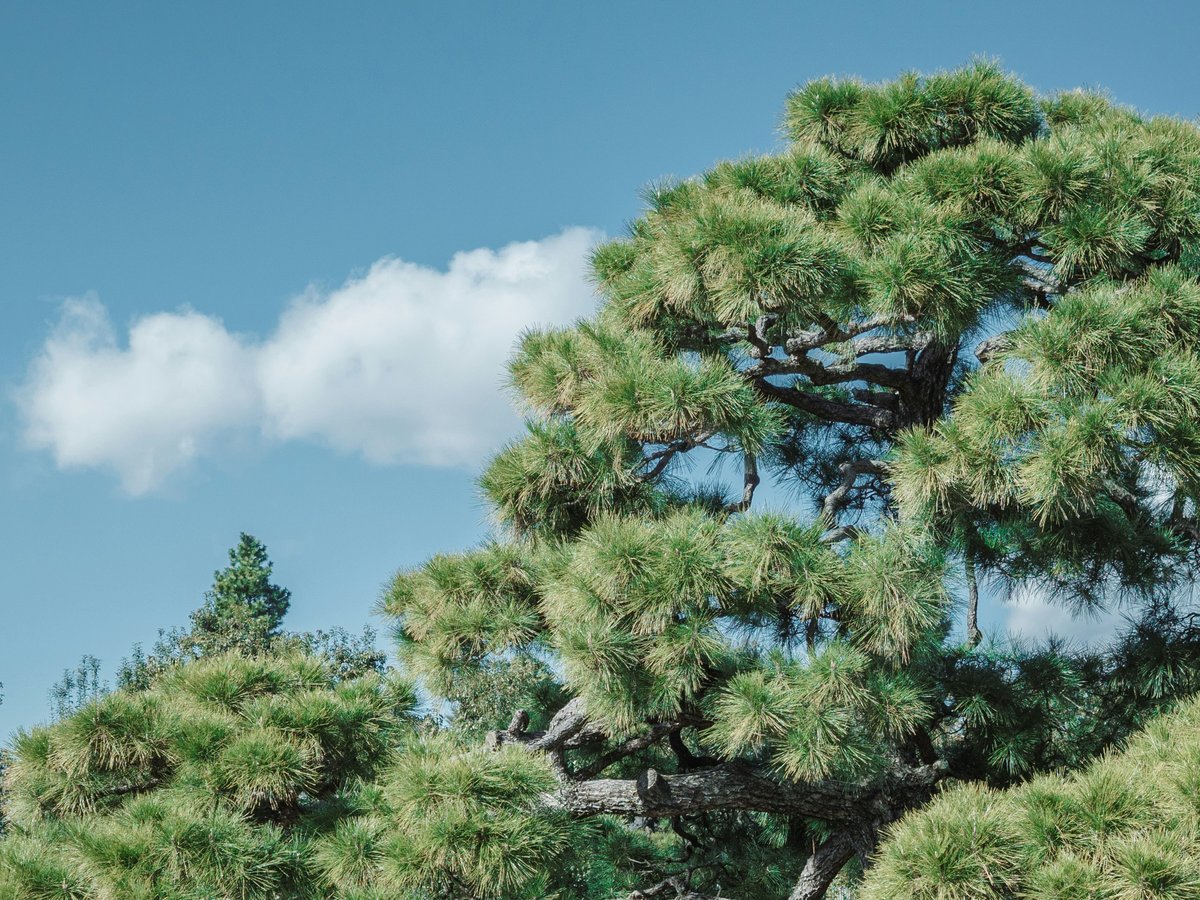
Kyoto's best open ground is rarely where the coach parties unload. This list leans on gardens and parks, and the range of age is the point: one garden dates from 1653, while a city park dates from 1995. In between sit a botanical garden from 1924, a National Garden dating from 1949, and a garden villa once owned by the politician and military commander Yamagata Aritomo. One entry lies outside the city, across the line in Shiga, and several carry Place of Scenic Beauty designations. The list is for travellers who want space, shade and somewhere to sit rather than another queue at a ticket window. Entry terms differ from gate to gate, so treat each official site as the final word before you set out, and plan around the posted hours given below.
See the picks → -
Best museums
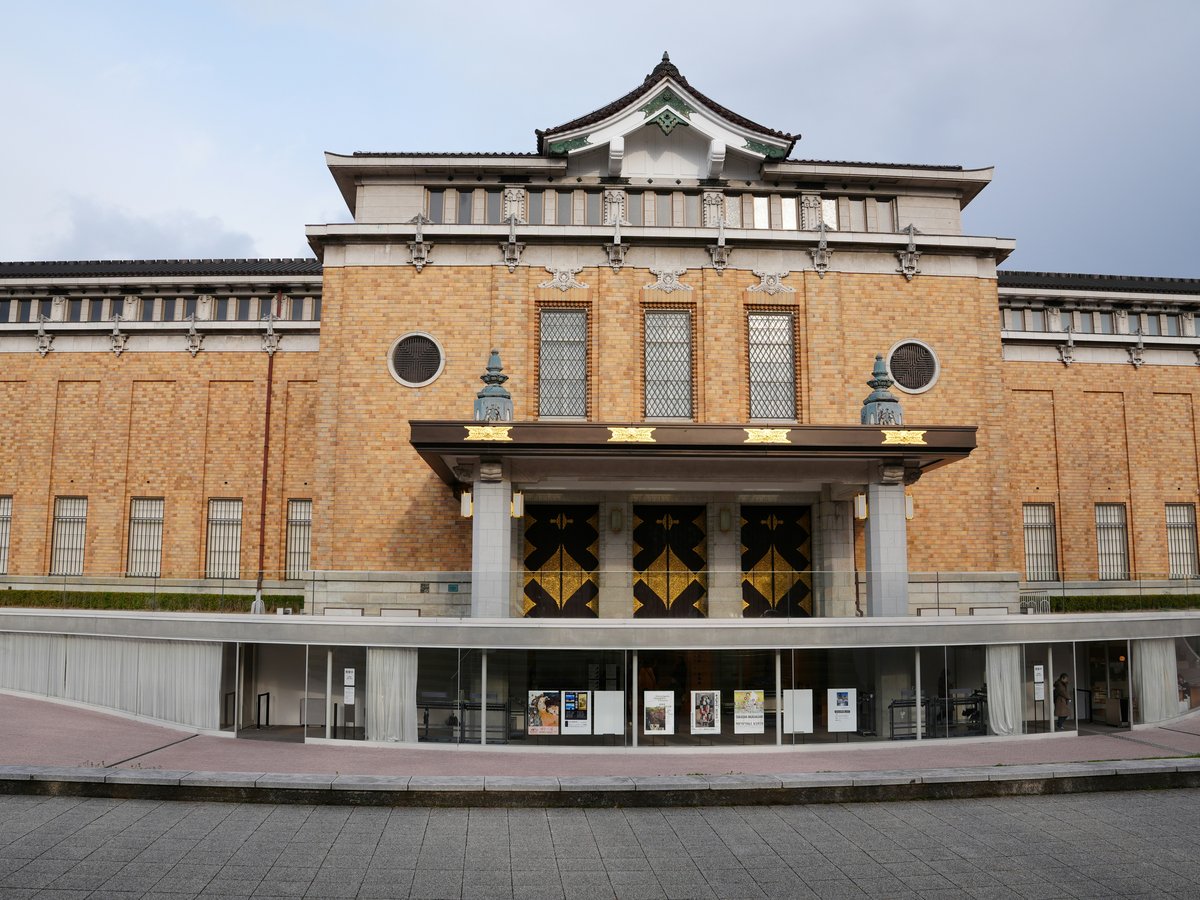
Kyoto's museums cover far more than temple treasures: the oldest dates from 1897, the manga museum from 2006, and modern art has had a national museum of its own since 1963. Some of the best days start in Kyoto and end beyond it, because a literary museum in Uji, a museum devoted to the Nintendo name in Uji, an art museum in Kōka, Shiga, and a museum in Kusatsu, Shiga all reward a traveler willing to give up an afternoon of temple-hopping. Several buildings are protected in their own right: the national museum is an Important Cultural Property of Japan, and so is the Museum of Kyoto. This list is for the visitor who would rather see one room properly than ten in a hurry. Days and hours vary considerably, and one museum closes on Wednesdays while another closes on Mondays, so read each entry before you build a day around it.
See the picks → -
Must-see attractions
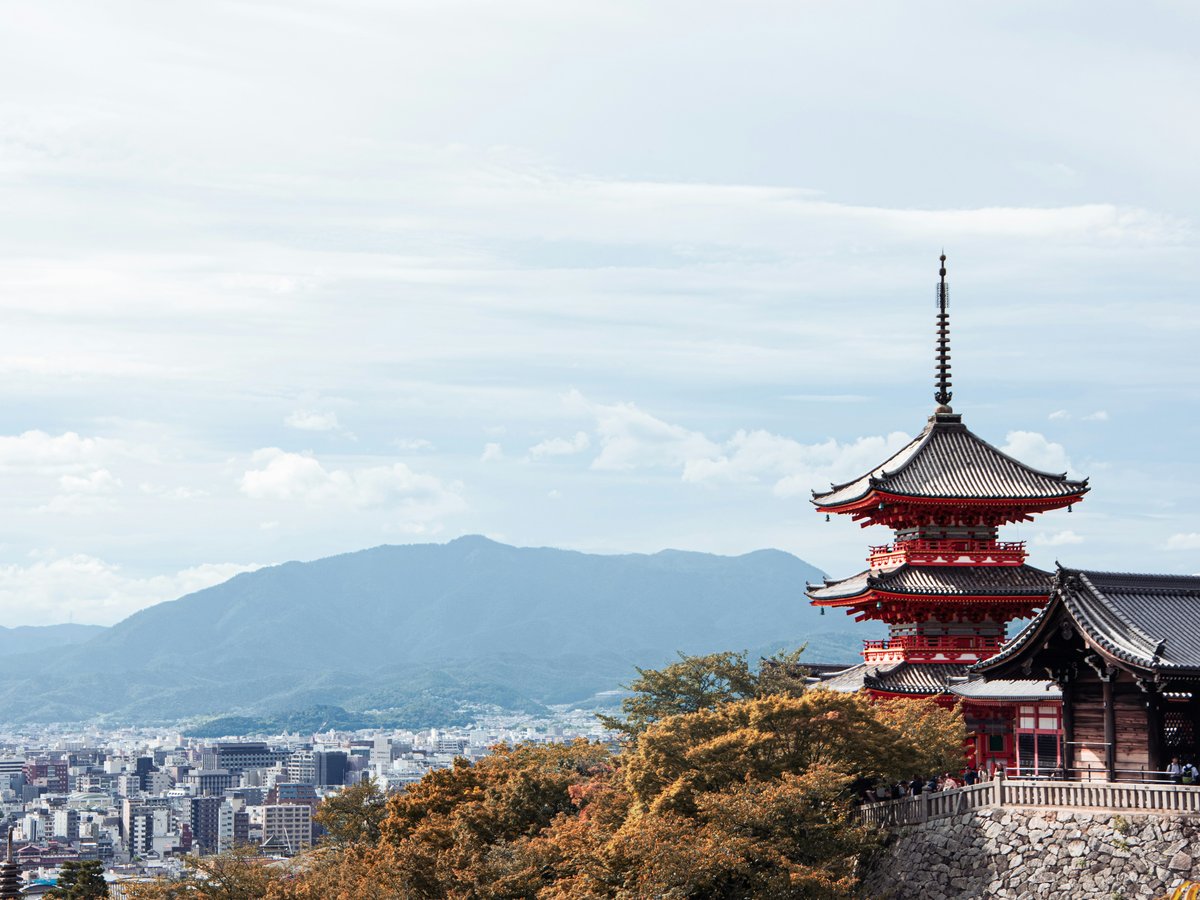
Kyoto's must-see list is almost entirely temples and shrines, and the founding dates tell you something real about the place. Tō-ji traces back to AD 676, Fushimi Inari-taisha to AD 711, and by comparison Heian Jingū, dating from 1895, is practically new. Kyoto Tower, an observation tower from 1964, is the one modern landmark in the set. Most of the twelve carry a UNESCO World Heritage listing, among them Kiyomizu-dera, Kinkaku-ji, and Nijō Castle, while Tōfuku-ji and Sanjūsangen-dō hold Japan's own top designation as National Treasures. Two entries take you beyond the city: Byōdō-in has an address in 宇治市, and Enryaku-ji is in Shiga Prefecture. This list is for visitors who plan their day around opening hours, because the hours decide your day here. Kiyomizu-dera opens at 06:00, Tō-ji opens at 05:00, and Tōfuku-ji closes at 16:30. Each entry below gives the gate times and the address to show a driver, plus one honest view on how to get the visit right.
See the picks →
food
-
Best cafes
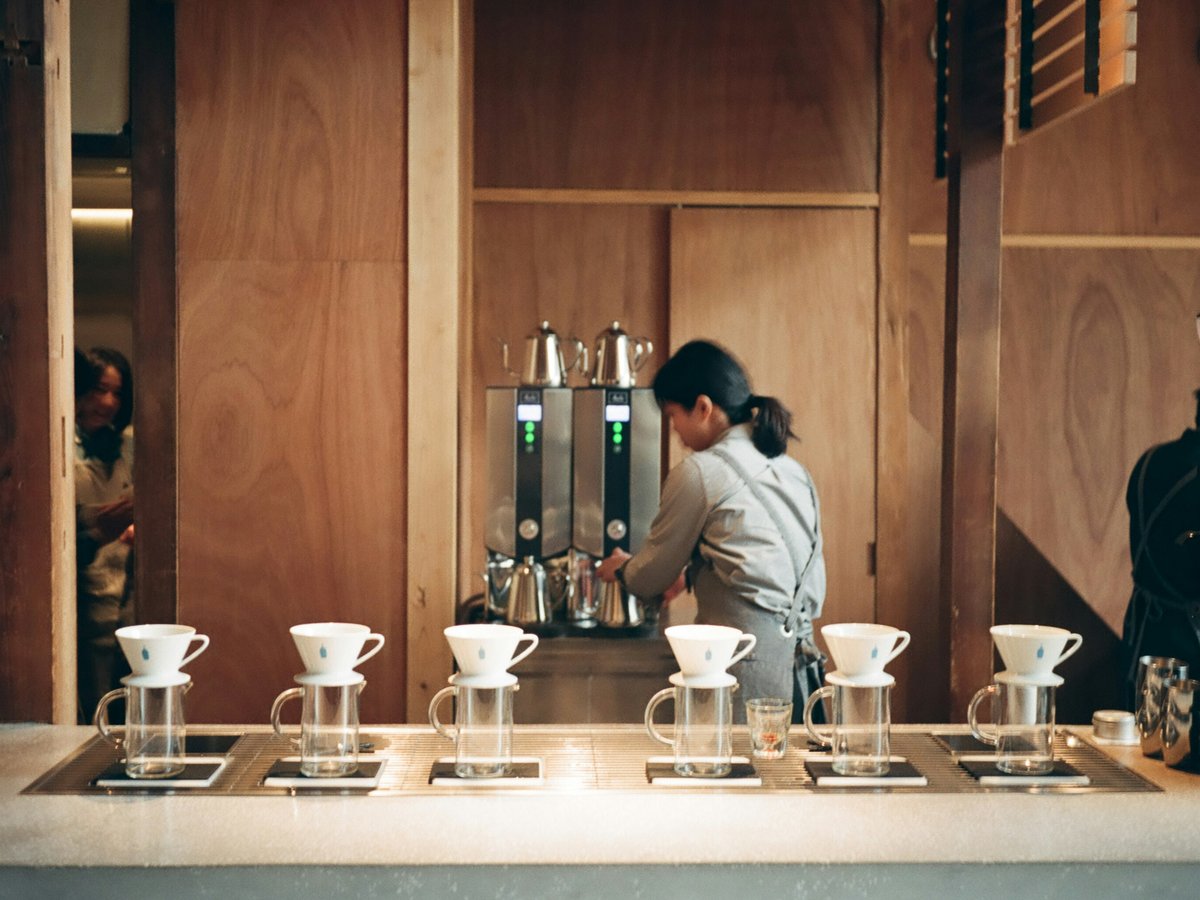
Kyoto's cafe map is not one thing. It runs from tea houses grinding uji matcha to bagel bakeries, from Kyoto branches of Parisian chocolatiers and macaron houses to third-wave roasters that chose this city on purpose, and from Showa-era kissaten that never changed their menu to owner-run rooms open four days a week. The twelve rooms below are chosen to make a visitor's day legible: an 08:00 opener for jetlag, a 07:00 counter near a shrine walk, a bagel bench for a mid-morning stop, a chocolate room for the 15:00 slump, a matcha counter for the walk back to the station. Addresses skew central, from 中京区 and 下京区 through 左京区 and up into 上京区, so the list is walkable in slices rather than a single loop. Where a global name appears, the paragraph pays for its slot with what happens at the Kyoto address, not with the brand's story. Where the name is local and unfamiliar, the paragraph earns your hour by telling you when the door opens, what the room is doing at that hour, and which choice on the block a resident would skip.
See the picks → -

Best restaurants
Kyoto rewards eaters who plan the day around meals, not the other way around. The city's restaurants split into a few honest camps: kaiseki rooms that price themselves out of a weekly rotation, teppan and shabu counters where the theatre is the meal, ramen shops that open at lunch and don't stop, and a growing bench of curry and sandwich specialists that would look at home in Osaka or Tokyo. The list below leans on twelve addresses that show up in OpenStreetMap with hours, phones and websites you can act on tonight. Skip the queue-and-photograph rotation around Nishiki and the marquee tempura counters in Gion that trade on the postcode; the venues here span Nakagyo, Higashiyama and Kamigyo, and each earns its slot on something more specific than a district. Read the hours before you walk: several of these kitchens close between 14:30 and 17:30, which is exactly when a jetlagged first-day visitor tends to go looking for food. Every claim below traces to the venue's own listing.
See the picks →
Browse by traveler type
- For foodies
Kyoto for foodies
- For families with kids
Kyoto for families
- For digital nomads
Kyoto for digital nomads
- For solo travelers
Kyoto for solo travelers
- For couples
Kyoto for couples
- For budget travelers
Kyoto on a budget
- For luxury travelers
Kyoto for luxury travelers
- For first-timers
Kyoto for first-time visitors
Book experiences in Kyoto
 Free cancellation
 World Heritage Kyoto & Nara Uji Authentic Matcha Experience
Day trip: 8.5 hours, free cancellation.
via Viator Free cancellation
 Award-Winning Authentic Ramen Making Experience in Kyoto
Cooking class: 1.5 hours, free cancellation.
via Viator Free cancellation
 Kyoto Early Morning Tour with English Speaking Guide
Outdoor experience: free cancellation.
via Viator Free cancellation
 Kyoto Customized Private Tour in 1 Day with Licensed Guide
Day trip: free cancellation.
via Viator Free cancellation
 Private Kyoto Tour: Temples, Hidden Alleys & Local Stories
City tour: free cancellation.
via Viator Free cancellation
 Kyoto Day Tour: Fushimi Inari, Arashiyama, Kinkaku-ji & Kiyomizu
Day trip: 10 hours, free cancellation.
via Viator Free cancellation
 Sushi Making in Kyoto! Same-day bookings welcome!
Cooking class: 1.5 hours, free cancellation.
via Viator Free cancellation
 Kimono Tea Ceremony at Kyoto Maikoya, NISHIKI
Cooking class: 1.5 hours, free cancellation.
via Viator Free cancellation
 From Kyoto / Osaka: Kyoto Must-see Spots & Nara Park One Day Tour
Day trip: 9 hours, free cancellation.
via Viator Free cancellation
 Kyoto Full-Day Bus Tour: Nijo, Arashiyama & Fushimi Inari (EN/ES)
City tour: 10.8 hours, free cancellation.
via Viator Free cancellation
 Kyoto Customized Half-Day Tour with Licensed Local Guide
Day trip: free cancellation.
via Viator
Kyoto Foodie Night Tour
City tour: 3.5 hours.
via ViatorBrowse by interest
Compare Kyoto with
Find a flight to Kyoto
Live fares to Kyoto appear here once cookies are accepted.
Last verified by automated review (v1.7.2) on . What is automated review?