
Kyoto's best open ground is rarely where the coach parties unload. This list leans on gardens and parks, and the range of age is the point: one garden dates from 1653, while a city park dates from 1995. In between sit a botanical garden from 1924, a National Garden dating from 1949, and a garden villa once owned by the politician and military commander Yamagata Aritomo. One entry lies outside the city, across the line in Shiga, and several carry Place of Scenic Beauty designations. The list is for travellers who want space, shade and somewhere to sit rather than another queue at a ticket window. Entry terms differ from gate to gate, so treat each official site as the final word before you set out, and plan around the posted hours given below.
-
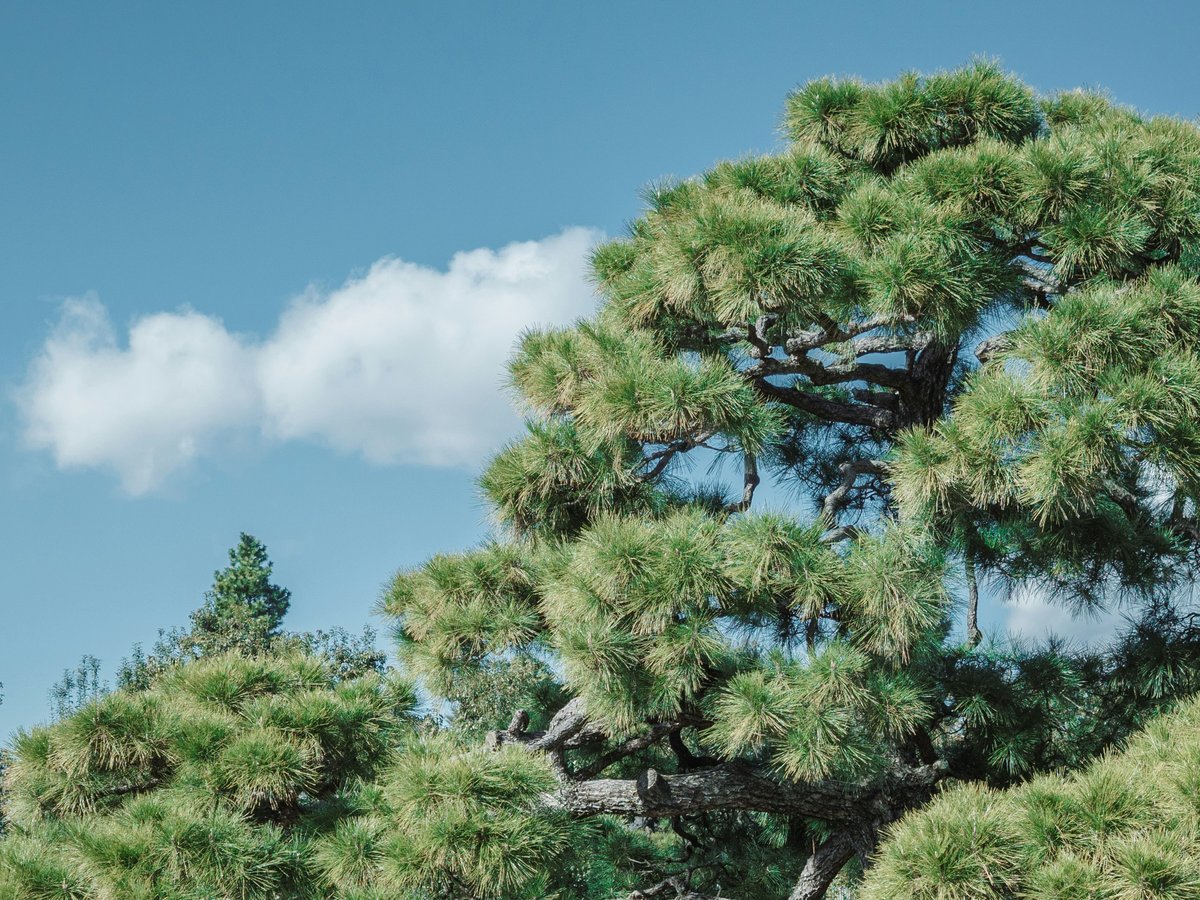
1 Kyoto Botanical Garden
〒606-0823 京都県京都市左京区下鴨半木町A full botanical garden dating from 1924, open 09:00 to 17:00
Kyoto Botanical Garden sits at 下鴨半木町, in the 606-0823 postal area of 左京区, and has been open since 1924. The gates open at 09:00 and close at 17:00, so an early start gets you the whole day. We'd skip the temple gardens that pin you to a single viewing veranda on a peak weekend; a botanical garden lets you set your own pace, and the locals know it. Walk the long paths before the school groups arrive and treat the visit as a half day, not a stop between sights. The official site sits on the prefecture's web domain, so check it for seasonal notices and current admission before you go.
Dates from 1924
Hours: 09:00-17:00
-
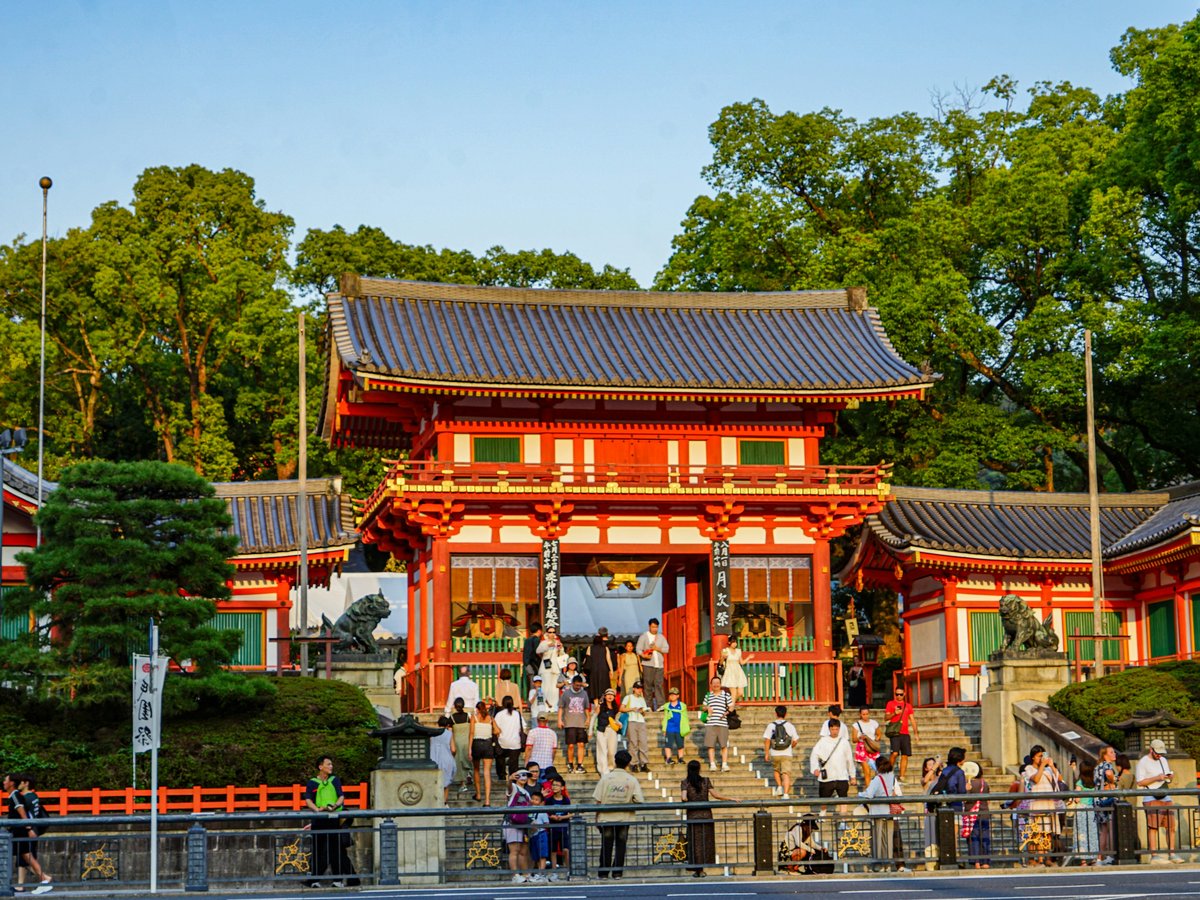
2 Maruyama Park
京都市東山区円山町A park dating from 1886 that holds a Place of Scenic Beauty designation
Since 1886, Maruyama Park has held its ground at 京都市東山区円山町, and its Place of Scenic Beauty designation is a better guide to its worth than any number of photos. If your phone struggles with the Japanese address, the map pin sits at 35.0033 north, 135.7814 east. We'd avoid arriving at midday in peak season; the locals come early or late, when the paths belong to the people who live nearby. Bring something to sit on and give it an hour. Kyoto's tourism site keeps a page for the park, worth a glance for seasonal notices before you walk over.
Dates from 1886 · Place of Scenic Beauty
-
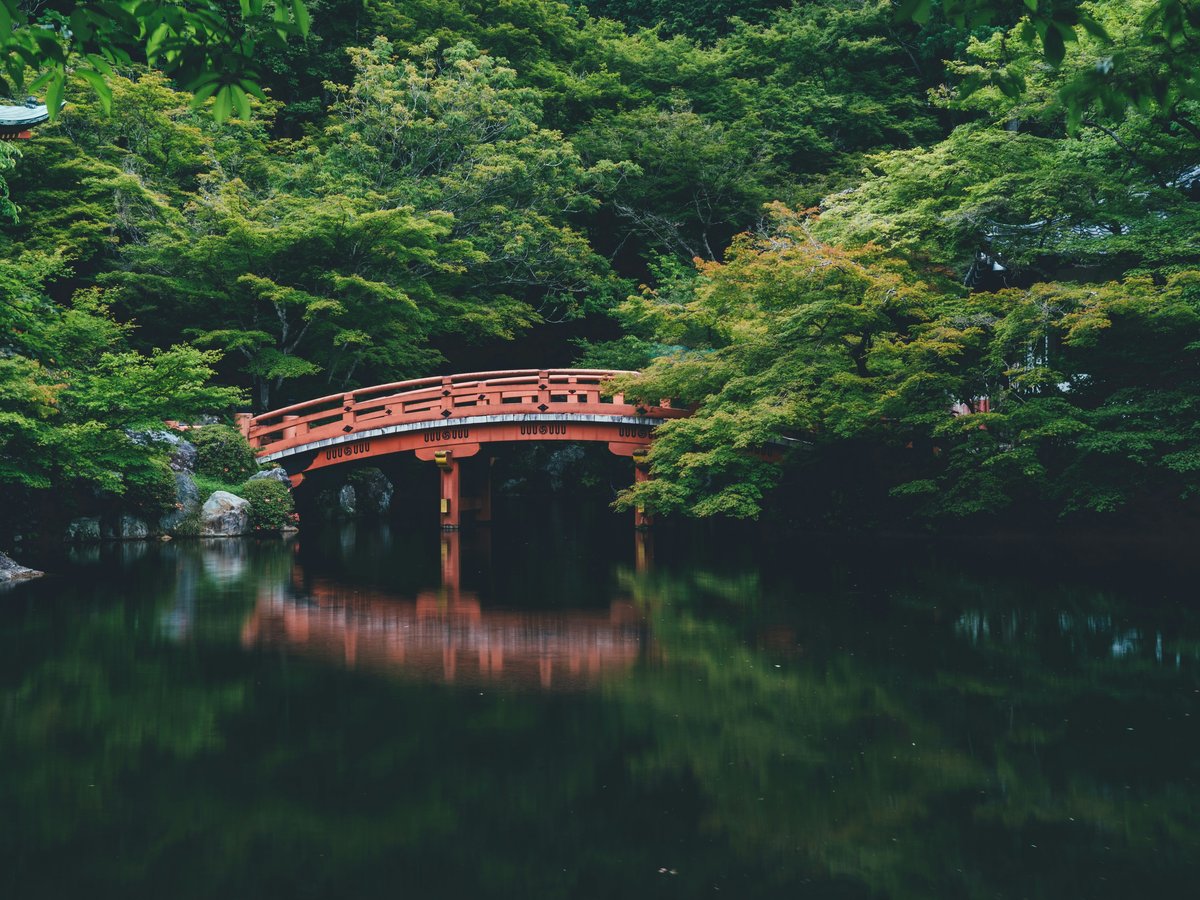
3 Kyoto Gyoen National Garden
A National Garden dating from 1949, open every day in two sessions
Kyoto Gyoen National Garden, dating from 1949 and classed as a National Garden, keeps split hours every day: 08:45 to 12:00, then 13:00 to 17:00. That midday closure is worth knowing before you plan your route. Turning up at 12:30 means standing at a locked gate, so go in the morning session, walk until noon, eat somewhere nearby, and return at 13:00 if you want to see more. For slowing down between sights, it beats the shopping arcades, and the open ground gives you room that the narrow lanes never will.
Dates from 1949
-
4 Murin-an
The garden villa of Yamagata Aritomo, a designated Place of Scenic Beauty
Murin-an took shape in 1894 as a garden villa owned by Yamagata Aritomo, the Japanese politician and military commander, and it now carries a Place of Scenic Beauty designation. Hours shift with the seasons: from April to September it opens 09:00 to 18:00, from October to March 09:00 to 17:00, and it closes from December 29 to 31. Skip the big-name gardens if what you want is to sit still; the locals prefer a smaller place where nobody hurries you along. Call +81-75-771-3909 or check the official site to confirm entry terms before you come, then plan to stay longer than you expect.
Dates from 1894 · Place of Scenic Beauty
-
5 Mizunomori Water Botanical Garden
〒525-0001 滋賀県草津市下物町1091A botanical garden built around aquatic plants
Mizunomori Water Botanical Garden sits across the prefectural line in Shiga, at 下物町1091 in 草津市, postal code 525-0001, and its subject is aquatic plants, which gives it a focus that no general city park can match. Don't try to fold this into a temple day. It belongs later in a trip, once the famous compounds are behind you and you want something that grows. Plan the journey properly, give it a full afternoon, and check the official site for current hours and entry terms before you leave Kyoto, because neither appears here.
-
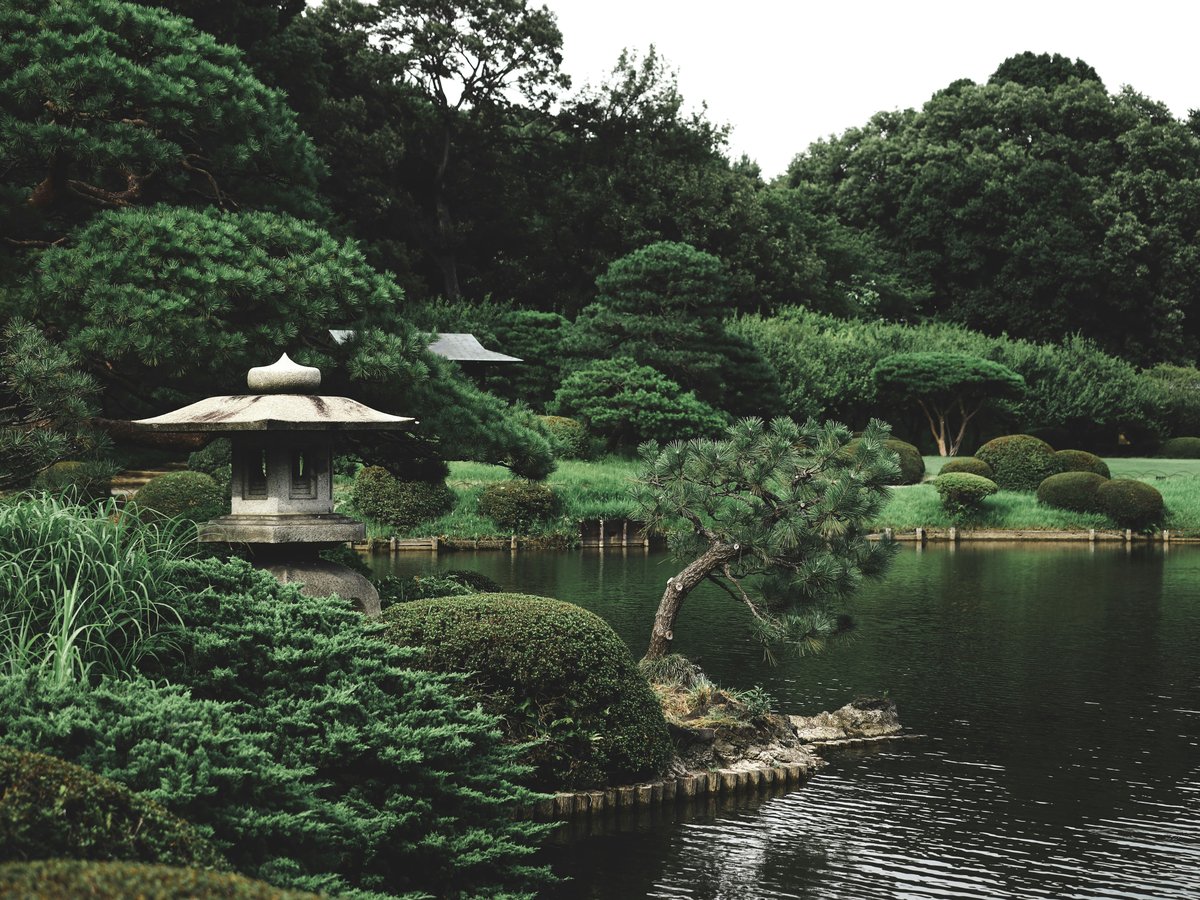
6 Shōsei Garden
A garden dating from 1653 that holds a Place of Scenic Beauty designation
Street noise fades quickly once you step inside Shōsei Garden, which opens daily from 09:00 to 17:00. The garden dates from 1653, the oldest date on this list, and carries a Place of Scenic Beauty designation. We'd skip the headline temple gardens on a crowded afternoon and come here instead: this is a place that rewards a slow lap and a long sit far more than a quick photograph. Arrive after lunch, when the morning tour groups have moved on, and give yourself time before the 17:00 close. Bring patience and a willingness to walk the long way round.
Dates from 1653 · Place of Scenic Beauty
Hours: Mo-Su 09:00-17:00
-
7 Yamashina Botanical Research Institute
〒607-8182 京都府京都市山科区大宅坂ノ辻町39A research botanical garden
Out in the 607-8182 postal area, at 39 大宅坂ノ辻町 in 山科区, the Yamashina Botanical Research Institute keeps its grounds. This is a research botanical garden, and that word research sets the tone: the place is for people who want to look closely at plants, not for a backdrop. Don't come expecting manicured show beds; come because you care about what grows and how it is studied. No opening hours appear in the listing, so confirm visiting arrangements on the official site before you make the trip. It pairs well with a quiet day away from the central crowds.
-
8 Ōkōchi Sansō
A Japanese garden listed as a Registered Tangible Cultural Property of Japan
Ōkōchi Sansō is a Japanese garden with the designation of a Registered Tangible Cultural Property of Japan. It dates from 1931, young by Kyoto standards, and wears the label well. Save the coordinates offline before you set out: 35.0173 north, 135.6693 east. We'd give this an unhurried hour and walk every path; the quick photo stop doesn't justify the trip. Go on a weekday morning, take your time, and let the place set the pace rather than your itinerary.
Dates from 1931 · Registered Tangible Cultural Property of Japan
-
9 Okazaki Park
A city park dating from 1904
Kyoto city keeps an official page for Okazaki Park, a park dating from 1904. It is a park in Kyoto city in the plainest sense: open ground, used by the people who live around it. Find it at 35.0142 north, 135.7829 east if the map search turns up something else. The locals use it as somewhere to be, not something to see, and they have the right idea. It beats the ticketed courtyards when you need a bench and a convenience-store lunch between sights. Stay twenty minutes or two hours; nobody here will mind.
Dates from 1904
-
10 Umekōji Park
A park in Kyoto open 24/7
Open 24/7, Umekōji Park suits the traveller whose day starts early or runs late. It dates from 1995, the youngest entry on this list, and it is a park in Kyoto with none of the ceremony of the older gardens. That is its appeal. Skip the late-night bar crawl for one evening; the locals know a city park after dark is better company than another crowded counter. Come for a dawn walk before the temples open, or for an hour at dusk. The official site carries current notices for the grounds.
Dates from 1995
Hours: 24/7
-
11 Takaragaike Park
A park dating from 1964, with an official page kept by Kyoto city
A city that hums with tour buses goes quiet at Takaragaike Park, which dates from 1964. Kyoto city keeps an official page for it, and that page is the place to check for current notices before you set out. The pin sits at 35.0583 north, 135.7830 east, so save it before you lose signal. Don't bother with the postcard spots on a crowded afternoon; the locals prefer open ground where a walk can run as long as the light allows. Bring a snack, choose a bench, and let the day slow down.
Dates from 1964
-
12 Yabase Kihan Island
A park on an island, with its own official site
Of everything on this list, Yabase Kihan Island asks the most of your map: its pin lands at 35.0088 north, 135.9133 east. It is a park, and the island in its name is reason enough to make a separate trip. Skip it if your days are already full of temples and you have no slack; this is an outing for travellers with time to spare. Check the official site for current access and opening details before you leave, since none appear here. Then go without a plan beyond a walk and a long look at the water.
Last verified by automated review (v1.7.2_fame1017d-1015-1162-20261017095750) on . What is automated review?