
Kyoto for families
Kyoto Imperial Palace is the former imperial seat, still administered by the Kunaicho and free to enter on scheduled tour days. Kyoto Tower is the observation deck opposite Kyoto Station: the fastest orientation to the whole basin.
Kyoto for families with kids, in numbers
- Score for families
- 8.4 out of 10
- Picks on this page
- 36 places across 3 lists, led by Kyoto Imperial Palace, Kyoto Tower, Saihō-ji Temple
Questions families with kids ask about Kyoto
-
Family-friendly
Kyoto is broadly family-friendly, with temple fatigue as the main caveat for kids under 6. The Kyoto Railway Museum (¥1,200 adult, ¥500 child), Iwatayama Monkey Park, and Nishiki Market street food all land with children. Stroller verdict: JR trains work, city buses and temple gravel paths do not. Plain udon runs ¥400-600 everywhere.
Read the full answer → -
Is it safe?
Kyoto scores 9.2 out of 10 for solo-traveler safety (see the TTDI Solo-Safety Index). Violent crime against visitors is close to zero. The real risks are cycling collisions on narrow Higashiyama lanes, summer heat that pushes past 37°C with high humidity, and September typhoon disruptions. Police respond at 110, ambulance at 119.
Read the full answer → -
What to pack
Walking shoes that grip wet stone and slip off at Kyoto's temple entrances. Kyoto's 1,600+ temples require shoe removal at every entrance, and you'll do it 10-15 times on a full sightseeing day. Pack a compact rain shell for the June-July tsuyu season, a coin purse for cash-only machiya shops near Nishiki Market, and layers that adjust between 3°C November mornings at Kinkaku-ji and 35°C August afternoons in Gion.
Read the full answer → -
Getting around
IC card on Kyoto's buses and two subway lines, bicycle for the flat central grid, taxi or GO app after dark. Buses run everywhere temples are: the subway doesn't. Load an ICOCA at Kyoto Station for 2,000 yen and tap on everything. The old bus day pass is gone; the 1,100-yen subway-bus combo pass replaced it.
Read the full answer → -
Best time to visit
Go in the second half of November, when maple colour at Tofuku-ji and Eikan-do usually peaks from about November 20 into early December, rain is light, and days are cool enough for long temple walks. Late March to early April brings cherry blossom with the year's worst crowds and room rates. Avoid June to August for the rainy season and heavy heat.
Read the full answer →
Curated for families with kids
-
Must-see attractions
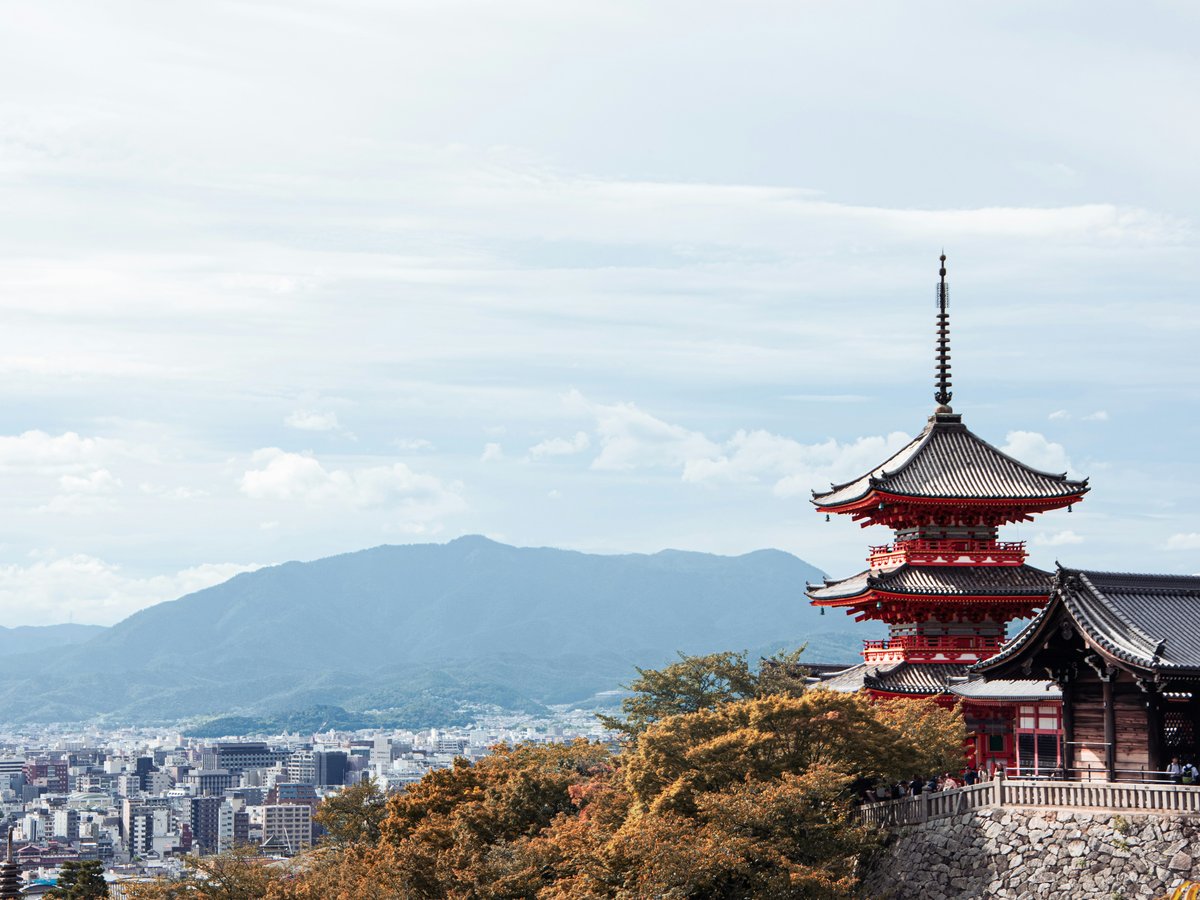
Kyoto's must-see list is almost entirely temples and shrines, and the founding dates tell you something real about the place. Tō-ji traces back to AD 676, Fushimi Inari-taisha to AD 711, and by comparison Heian Jingū, dating from 1895, is practically new. Kyoto Tower, an observation tower from 1964, is the one modern landmark in the set. Most of the twelve carry a UNESCO World Heritage listing, among them Kiyomizu-dera, Kinkaku-ji, and Nijō Castle, while Tōfuku-ji and Sanjūsangen-dō hold Japan's own top designation as National Treasures. Two entries take you beyond the city: Byōdō-in has an address in 宇治市, and Enryaku-ji is in Shiga Prefecture. This list is for visitors who plan their day around opening hours, because the hours decide your day here. Kiyomizu-dera opens at 06:00, Tō-ji opens at 05:00, and Tōfuku-ji closes at 16:30. Each entry below gives the gate times and the address to show a driver, plus one honest view on how to get the visit right.
See the picks → -
Best free attractions
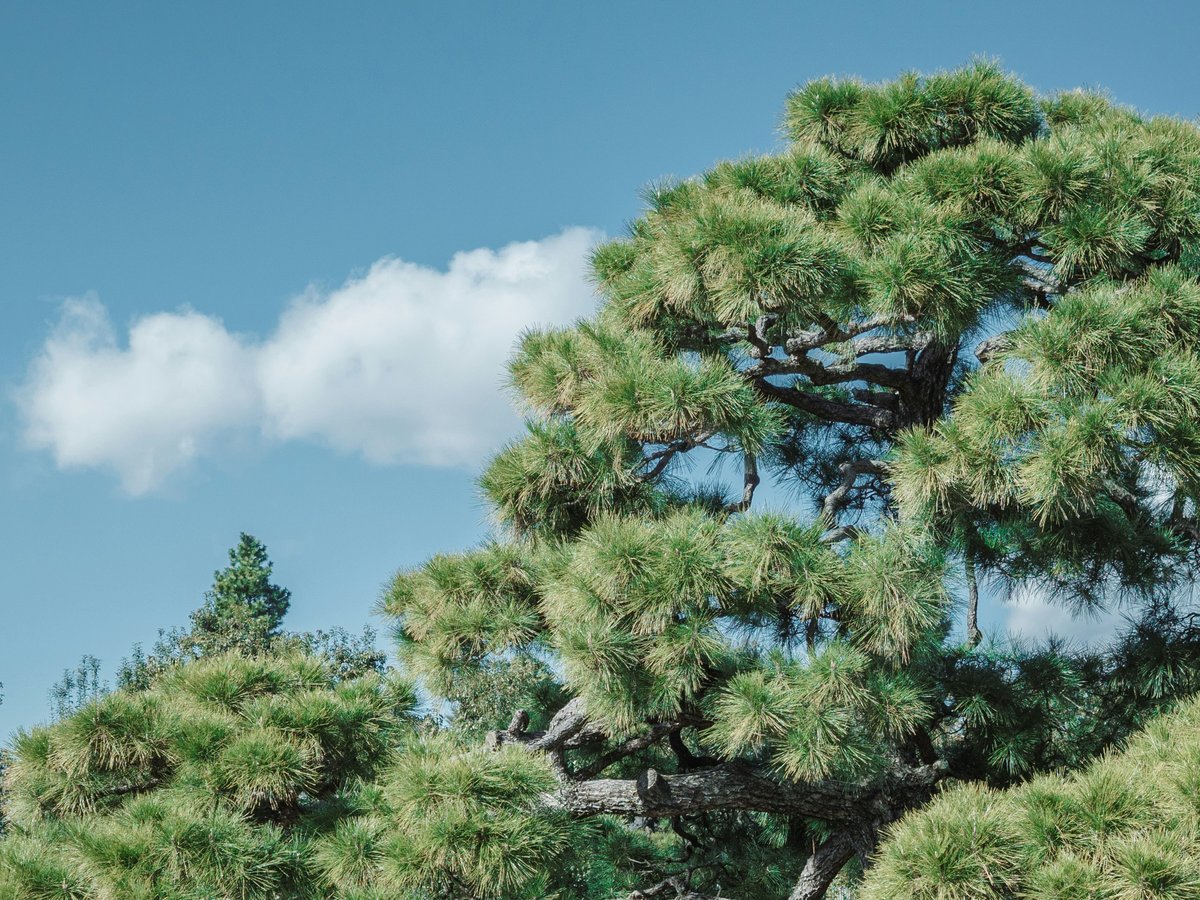
Kyoto's best open ground is rarely where the coach parties unload. This list leans on gardens and parks, and the range of age is the point: one garden dates from 1653, while a city park dates from 1995. In between sit a botanical garden from 1924, a National Garden dating from 1949, and a garden villa once owned by the politician and military commander Yamagata Aritomo. One entry lies outside the city, across the line in Shiga, and several carry Place of Scenic Beauty designations. The list is for travellers who want space, shade and somewhere to sit rather than another queue at a ticket window. Entry terms differ from gate to gate, so treat each official site as the final word before you set out, and plan around the posted hours given below.
See the picks → -
Best museums
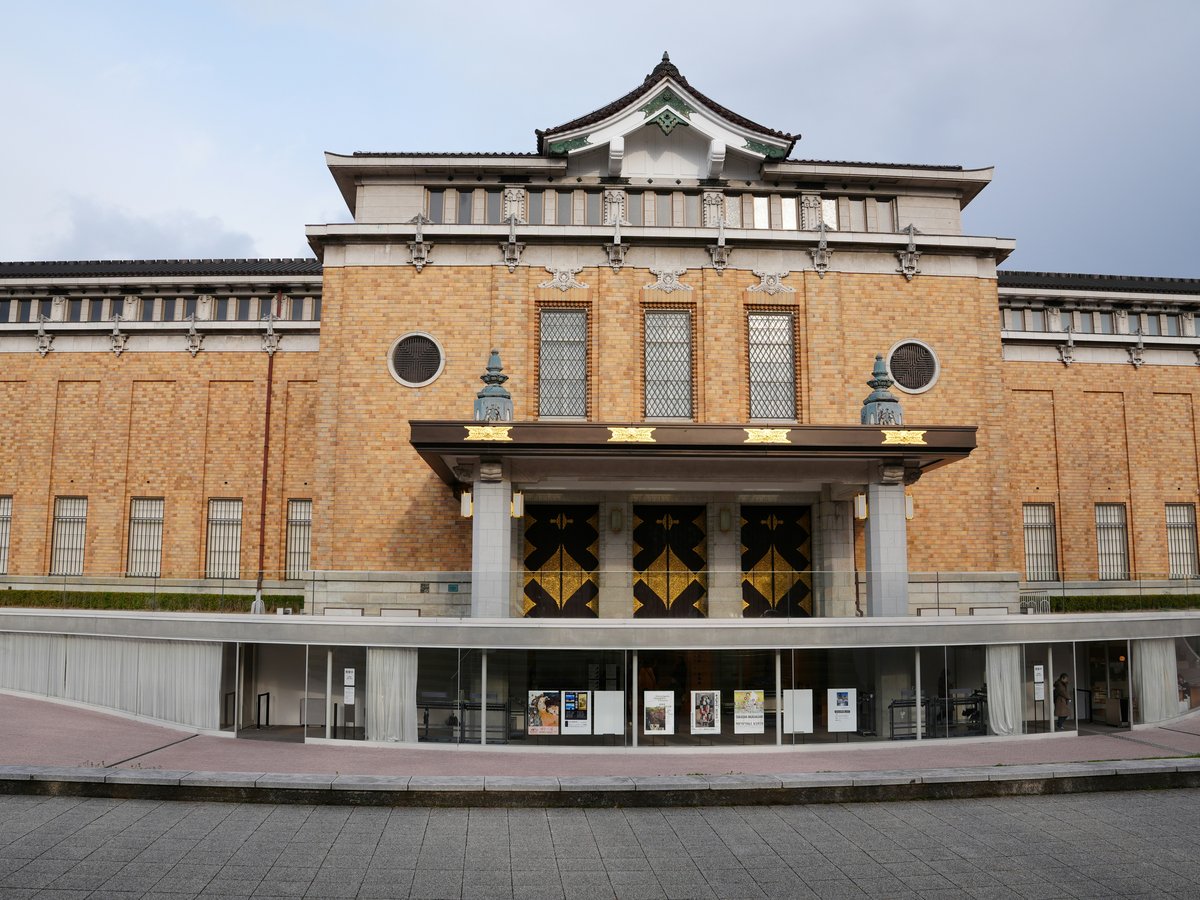
Kyoto's museums cover far more than temple treasures: the oldest dates from 1897, the manga museum from 2006, and modern art has had a national museum of its own since 1963. Some of the best days start in Kyoto and end beyond it, because a literary museum in Uji, a museum devoted to the Nintendo name in Uji, an art museum in Kōka, Shiga, and a museum in Kusatsu, Shiga all reward a traveler willing to give up an afternoon of temple-hopping. Several buildings are protected in their own right: the national museum is an Important Cultural Property of Japan, and so is the Museum of Kyoto. This list is for the visitor who would rather see one room properly than ten in a hurry. Days and hours vary considerably, and one museum closes on Wednesdays while another closes on Mondays, so read each entry before you build a day around it.
See the picks →