
Kyoto on a budget
Kinkaku-ji Temple is the reflecting-pond view of the pavilion. Most of the picks for budget travelers in Kyoto sit in Kyoto Station and surrounding areas and Jurakumawari-minamimachi (聚楽廻南町). Kyoto has 73 budget-tier hotels in the Trip.com pool from US$14 a night.
Kyoto for budget travelers, in numbers
- Picks on this page
- 22 places across 2 lists, led by KINOUMI To-ji Temple, Urban Hotel Kyoto Nijo Premium, Super Hotel Kyoto Shijokawaramachi
- budget-tier hotels
- 73 in the Trip.com poolfrom US$14 a night
Questions budget travelers ask about Kyoto
-
Cost per day
Budget ¥7,000/day ($45) covers a hostel dorm in Shimogyo-ku, konbini breakfasts, and teishoku set lunches. Midrange ¥19,000 ($120) lands a business hotel with onsen bath and sit-down dinners. Luxury ¥56,000+ ($350+) buys a ryokan with kaiseki. Temple admissions at ¥400-600 each stack to ¥2,500-3,000 on a full sightseeing day.
Read the full answer → -
What to avoid
Skip Kyoto City Bus 205 from Kyoto Station, the Arashiyama bamboo grove in late morning, Nishiki Market's wagyu skewers, and the Kyoto Tower observation deck. Take the subway, Keihan, or JR Nara Line instead, climb Fushimi Inari at first light, and stay out of the private lanes off Hanamikoji-dori in Gion, where tourists are now barred.
Read the full answer → -
Getting around
IC card on Kyoto's buses and two subway lines, bicycle for the flat central grid, taxi or GO app after dark. Buses run everywhere temples are: the subway doesn't. Load an ICOCA at Kyoto Station for 2,000 yen and tap on everything. The old bus day pass is gone; the 1,100-yen subway-bus combo pass replaced it.
Read the full answer → -
Airport to city
Take the JR Haruka Express from Kansai International Airport (KIX) to Kyoto Station: 75 minutes, around ¥2,200 ($14) with the tourist-discount ICOCA & Haruka ticket sold at the JR counter in arrivals. Runs twice an hour until roughly 10pm. Bring your passport to buy the discounted fare.
Read the full answer → -
Food culture
Kyoto's food culture runs on kaiseki, the multi-course tradition born from 16th-century tea ceremony. Nishiki Market on Nishikikoji-dori has operated since 1310. Obanzai home cooking dominates lunch counters in Kawaramachi. Tofu shops cluster near Nanzen-ji Temple. Expect to spend 1,000-1,500 JPY on a lunch set, 15,000+ JPY on a proper kaiseki dinner.
Read the full answer →
Curated for budget travelers
-
Best hostels
Kyoto spreads along a grid that still follows the Tang dynasty template it was built on, and the budget accommodation clusters along two axes: the Karasuma subway line running north to south, and the Shijo-Kawaramachi shopping corridor running east to west. Most travelers default to Kyoto Station because the Shinkansen drops them there, but the station neighborhood trades temple access for chain-hotel convenience. The real decision is whether you want the walkable shrine density north of Gojo-dori or the cheaper, quieter blocks east of the Kamo River. Budget beds in Kyoto run from $21 to $80 a night, scaled to your distance from the Shinkansen platforms, and ratings for the top options here sit between 8.9 and 10.0: unusually tight for a city this size. The grid makes orientation straightforward: numbered streets count upward from the Imperial Palace, and if you can find Shijo and Karasuma-dori, you can cover most of the budget belt on foot. Neighborhoods here are small, sometimes a single block deep, and the difference between a quiet residential lane and a tourist corridor can be one turn.
See the picks → -
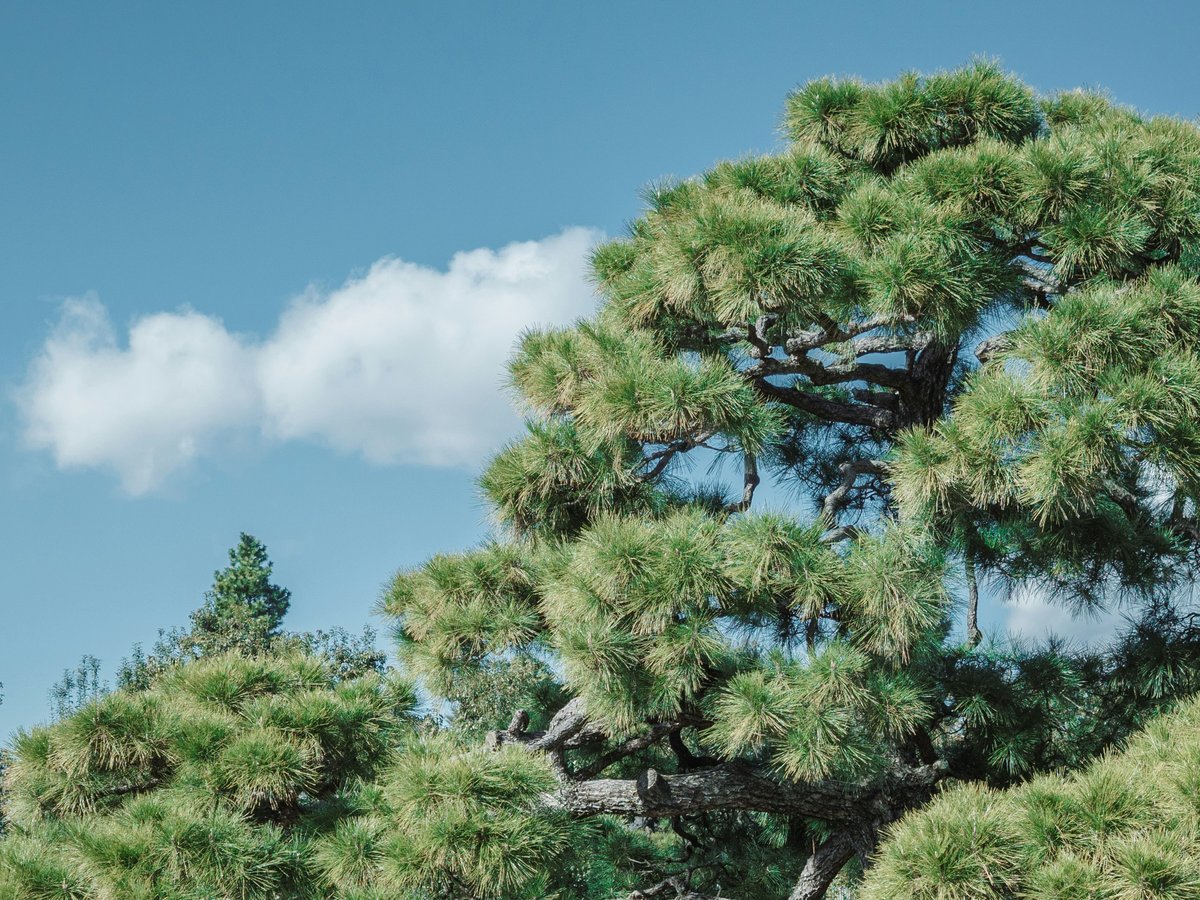
Best free attractions
Kyoto's best open ground is rarely where the coach parties unload. This list leans on gardens and parks, and the range of age is the point: one garden dates from 1653, while a city park dates from 1995. In between sit a botanical garden from 1924, a National Garden dating from 1949, and a garden villa once owned by the politician and military commander Yamagata Aritomo. One entry lies outside the city, across the line in Shiga, and several carry Place of Scenic Beauty designations. The list is for travellers who want space, shade and somewhere to sit rather than another queue at a ticket window. Entry terms differ from gate to gate, so treat each official site as the final word before you set out, and plan around the posted hours given below.
See the picks →