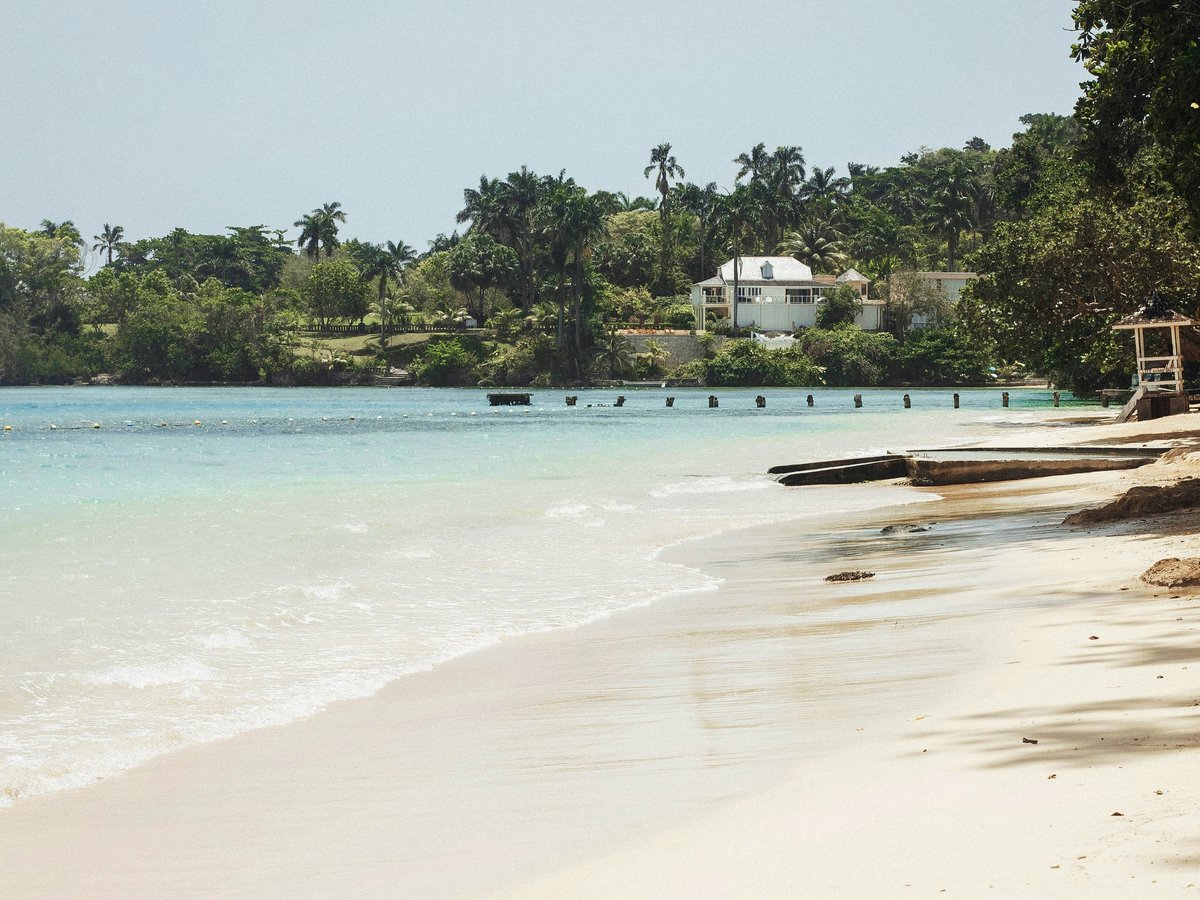
Montego Bay's shopping scene splits cleanly between two economies. Along the north coast strip and inside the duty-free zones near the cruise port, vendors sell rum, Blue Mountain coffee, and carved lignum vitae to visitors at marked-up tourist prices. A few blocks inland, around Sam Sharpe Square and along Fustic Road, Jamaicans buy their weekly produce, school uniforms, and phone credit in Jamaican dollars. The gap between those two worlds tends to run 40% to 60% on identical goods. Most visitors never cross into the local side, which is worth noting, because the better prices and the more interesting inventory sit there. The city's duty-free allowance on liquor, tobacco, and jewelry still draws cruise passengers from the Montego Bay Cruise Port, though that crowd concentrates within a 3-block radius of the waterfront. At the current exchange rate of roughly 158 JMD to 1 USD, local-side shopping feels remarkably affordable for North American visitors.
Shopping districts
-
Gloucester Avenue (Hip Strip)
tourist-premiumThe 1.5-kilometre stretch running from the airport roundabout toward Doctor's Cave Beach is where most tourists land first. T-shirt shops, hair-braiding stalls, and jerk seasoning vendors line both sides. Prices here tend to run 30% to 50% above what locals pay in town. The foot traffic peaks between 10 a.m. and 4 p.m. when cruise ships are docked. You might notice the same Bob Marley prints and wooden carvings appearing in every third storefront. That said, a few stalls carry handmade jewelry from Jamaican artisans that you won't find replicated at the craft market. The strip gets quieter after sundown, with most shops closing by 7 p.m.
Best for: Convenience shopping near the beach hotels and quick souvenir runs
-
Sam Sharpe Square and Downtown
budgetNamed after the national hero Samuel Sharpe, this square sits at the heart of Montego Bay's commercial district. The streets radiating outward, especially St James Street and Union Street, are lined with local clothing shops, electronics dealers, phone-card vendors, and small pharmacies. This is where Jamaicans come to buy everyday goods. Prices reflect local wages, not tourist budgets. The area gets loud and crowded on Fridays and Saturdays. Solo travelers should be aware that Montego Bay's solo-traveler safety sits at 3.2 out of 10 (see the TTDI Solo-Safety Index), so keeping valuables concealed matters here more than on the strip. Worth noting, the architecture around the square still shows Georgian and Victorian facades from the colonial era.
Best for: Local goods at local prices, electronics, clothing, and everyday items
-
The Shoppes at Rose Hall
mid-range to upscaleThis open-air mall sits along the A1 highway near the Rose Hall Great House, which dates to 1770. The tenant mix leans toward mid-range brands, resort wear, and duty-free jewelry. A handful of restaurants anchor the food court side. The complex tends to attract guests from the half-dozen large resorts clustered in the Rose Hall corridor. Foot traffic is lighter than downtown, and the air-conditioned stores feel like a relief when September humidity pushes the heat index past 39 degrees. The jewelry and watch shops here offer duty-free pricing for visitors who show a passport and return airline ticket.
Best for: Duty-free jewelry, resort wear, and air-conditioned browsing near the north-coast hotels
-
Montego Bay Freeport and Cruise Port Area
mid-range (duty-free)The freeport zone near the harbour was built to serve cruise passengers and has a concentration of duty-free liquor, cigar, and jewelry retailers within a 3-block radius. Prices on spirits like Appleton Estate 12-Year tend to be lower here than at the airport departure lounge. The area feels purpose-built and somewhat sterile compared to the chaos of downtown. On days without a cruise ship in port, some shops stay closed entirely. The freeport's tax-exempt status means no GCT on qualifying purchases, which saves the standard 15% general consumption tax.
Best for: Duty-free rum, cigars, and jewelry when a cruise ship is in port
-
Half Moon Shopping Village
luxuryLocated within the Half Moon resort grounds east of Montego Bay proper, this small collection of boutiques caters to resort guests and day visitors. The shops carry Jamaican art, upscale resort clothing, and curated craft goods. Prices here sit at the top end of the Montego Bay range. The village is quiet, shaded, and uncrowded. It functions more like a gallery walk than a shopping trip. You'll find original paintings by Jamaican artists that the craft markets don't carry.
Best for: Jamaican fine art, upscale gifts, and browsing without the downtown crowd
Markets
-
Montego Bay Craft Market
artisan and craftThe main craft market sits near the waterfront on Harbour Street, a short walk from the cruise terminal. Dozens of stalls sell wood carvings, straw hats, woven baskets, beaded jewelry, and Rasta-colored everything. The quality varies wildly between stalls. Some vendors carve lignum vitae on-site, which is worth watching even if you don't buy. Expect to bargain. Opening offers tend to start at double or triple the settling price. Lignum vitae pieces and hand-stitched leather goods are the items most likely to hold up as genuine Jamaican craft. The market gets packed when cruise ships dock, so mornings before 9 a.m. or late afternoons tend to be calmer for browsing.
Daily, roughly 7 a.m. to 6 p.m., busiest on cruise ship days
-
Charles Gordon Market (Fustic Road Market)
food and produceThis is where Montego Bay feeds itself. The market sprawls along Fustic Road south of Sam Sharpe Square. Vendors sell scotch bonnet peppers, ackee, callaloo, yams, breadfruit, fresh fish, and goat meat from open stalls. The smell of thyme and pimento wood smoke hangs in the air on busy mornings. Saturday is the big market day, when farmers from the surrounding St James parish bring produce in from the countryside. Prices here run a fraction of what the resort restaurants charge for the same ingredients. You might pick up a bag of fresh scotch bonnets or a bottle of homemade pepper sauce for a few hundred JMD. The market has no air conditioning and limited shade, so the midday heat in September can feel punishing given the humidity.
Daily, busiest on Saturdays from early morning to mid-afternoon
-
Fantasy Craft Market
artisan and craftA smaller, slightly more organized alternative to the Harbour Street craft market. Fantasy sits closer to Gloucester Avenue and caters almost entirely to tourists staying at the Hip Strip hotels. The stalls sell similar goods, including carved figures, shell jewelry, and printed fabric. The atmosphere feels less intense than the waterfront market, with fewer aggressive pitches. Mind you, the prices tend to start higher here because of the tourist-zone location. Bargaining still works, though the floor price might sit 10% to 20% above what you'd settle on at the main craft market.
Daily, roughly 8 a.m. to 5 p.m.
-
Harbour Street Vendors
food and street vendorsNot a formal market, but the stretch of Harbour Street between the craft market and downtown collects a loose cluster of food vendors, juice sellers, and snack stalls. You'll find fresh sugarcane juice, jelly coconuts chopped open with a machete, fried festival dumplings, and sometimes roasted corn. The vendors come and go depending on the day. Friday evenings and Saturday mornings tend to draw the most sellers. The jelly coconut water here costs a fraction of what the beachside bars charge for the same thing.
Irregular, strongest Friday evenings and Saturday mornings
Souvenirs worth bringing home
Blue Mountain Coffee beans remain the most recognizable Jamaican export, but buy from a sealed bag with the Blue Mountain Coffee Industry Board certification mark. Unsealed or loosely packaged beans at the craft market might not contain genuine Blue Mountain. Appleton Estate and Wray & Nephew rums are better purchased duty-free near the cruise port, where the tax exemption applies. Lignum vitae carvings are genuinely Jamaican. Lignum vitae is Jamaica's national tree, and the wood's extreme density makes pieces feel heavier than they look. Authentic pieces have a dark, oily grain. Pepper sauces made with scotch bonnet peppers from the Charles Gordon Market carry real local flavor, though check airline liquid rules before packing them. Hand-woven straw goods, particularly baskets and hats, are still made by artisans in rural St James parish. Reggae vinyl records appear in a few downtown shops if you dig through the bins. Jamaican allspice (pimento) and jerk seasoning blends in sealed packets travel well and cost little. Avoid mass-produced "Jamaica" branded items that ship in from China, which make up a noticeable share of the craft market inventory.
Practical tips
- Bargaining
- Bargaining is expected at the craft markets and with street vendors. It is not expected in malls, duty-free shops, or grocery stores. A reasonable opening counter-offer sits around 40% to 50% of the vendor's first price. Settling at 50% to 65% of the opening ask is typical. Walking away often triggers a lower offer. Staying friendly matters more than being aggressive. Vendors at the Harbour Street market see hundreds of tourists weekly and can read a bluff quickly.
- Tax and Duty-Free
- Jamaica charges a 15% General Consumption Tax (GCT) on most goods. Duty-free shops in the freeport zone and at Sangster International Airport exempt qualifying purchases from this tax. To claim duty-free pricing on jewelry or electronics, you typically need to show your passport and a return airline ticket or boarding pass. There is no separate tourist VAT refund scheme like those in the EU. The savings at the freeport are real but limited to specific categories.
- Opening Hours
- Downtown shops around Sam Sharpe Square generally open by 8:30 a.m. and close by 5 p.m. on weekdays, with shorter Saturday hours and most closing by 1 p.m. on Sundays. The Gloucester Avenue strip shops stay open later, often until 7 p.m. or 8 p.m. Malls like The Shoppes at Rose Hall keep standard 10 a.m. to 7 p.m. hours. The craft market vendors set their own schedules, but most are open by 8 a.m. and pack up before sunset.
- Payment Methods
- Jamaican dollars are preferred everywhere outside the duty-free zone. US dollars are widely accepted in tourist areas, but change comes back in JMD and the vendor's exchange rate rarely favors you. Visa and Mastercard work at malls, duty-free shops, and larger stores. The craft market and Charles Gordon Market are cash-only. ATMs dispensing JMD sit along Gloucester Avenue and near Sam Sharpe Square. Withdraw in local currency to avoid the poor USD conversion that informal vendors apply.
- Safety While Shopping
- Montego Bay's family friendliness scores 6.2 out of 10 (see the TTDI Family-Friendliness Index), and the tourist strip feels manageable for families during daytime hours. Downtown around Fustic Road requires more awareness. Keep phones and cameras inside bags in crowded market areas. Avoid flashing large amounts of cash. The walk between the craft market and downtown passes through busier blocks where pickpocketing has been reported. Taxis between shopping areas cost a few hundred JMD and remove the risk of navigating unfamiliar streets on foot.
FAQ
Is bargaining expected when shopping in Montego Bay?
At the craft markets and with street vendors along Harbour Street, bargaining is standard practice and expected. Vendors at the Montego Bay Craft Market and Fantasy Craft Market set opening prices with negotiation room built in. In malls, duty-free stores, and chain retailers, prices are fixed. The key distinction is formal retail versus open-air stalls.
What are the best souvenirs to bring home from Montego Bay?
Certified Blue Mountain Coffee, Appleton Estate rum, lignum vitae wood carvings, handmade pepper sauces with scotch bonnet peppers, and woven straw baskets from St James parish artisans all carry genuine Jamaican provenance. Check for the Blue Mountain certification seal on coffee, and buy rum from the duty-free shops near the cruise port to avoid the 15% consumption tax.
Can I use US dollars for shopping in Montego Bay?
Tourist-facing shops on Gloucester Avenue and in the duty-free zone accept US dollars, but the exchange rate they apply tends to be unfavorable. Downtown shops and the food market on Fustic Road strongly prefer Jamaican dollars. ATMs along the Hip Strip and near Sam Sharpe Square dispense JMD. Using local currency consistently saves you roughly 5% to 10% compared to paying in USD at tourist-rate conversions.
Where do locals in Montego Bay shop for everyday goods?
The downtown streets around Sam Sharpe Square, especially St James Street and Union Street, are the main local commercial zone. Charles Gordon Market on Fustic Road handles fresh produce and meat. Prices in these areas reflect local wages rather than tourist budgets. The atmosphere is louder and more crowded than the strip, particularly on Fridays and Saturdays.
Are there night markets in Montego Bay?
Montego Bay does not have a structured night market in the way Southeast Asian cities do. The closest equivalent is the informal cluster of food vendors on Harbour Street that picks up on Friday evenings, selling fried dumplings, jerk chicken, sugarcane juice, and roasted corn. Some jerk stands along Gloucester Avenue also operate into the evening hours. The nighttime food scene is more scattered than market-organized.
Last verified by automated review (v1.7.2) on . What is automated review?