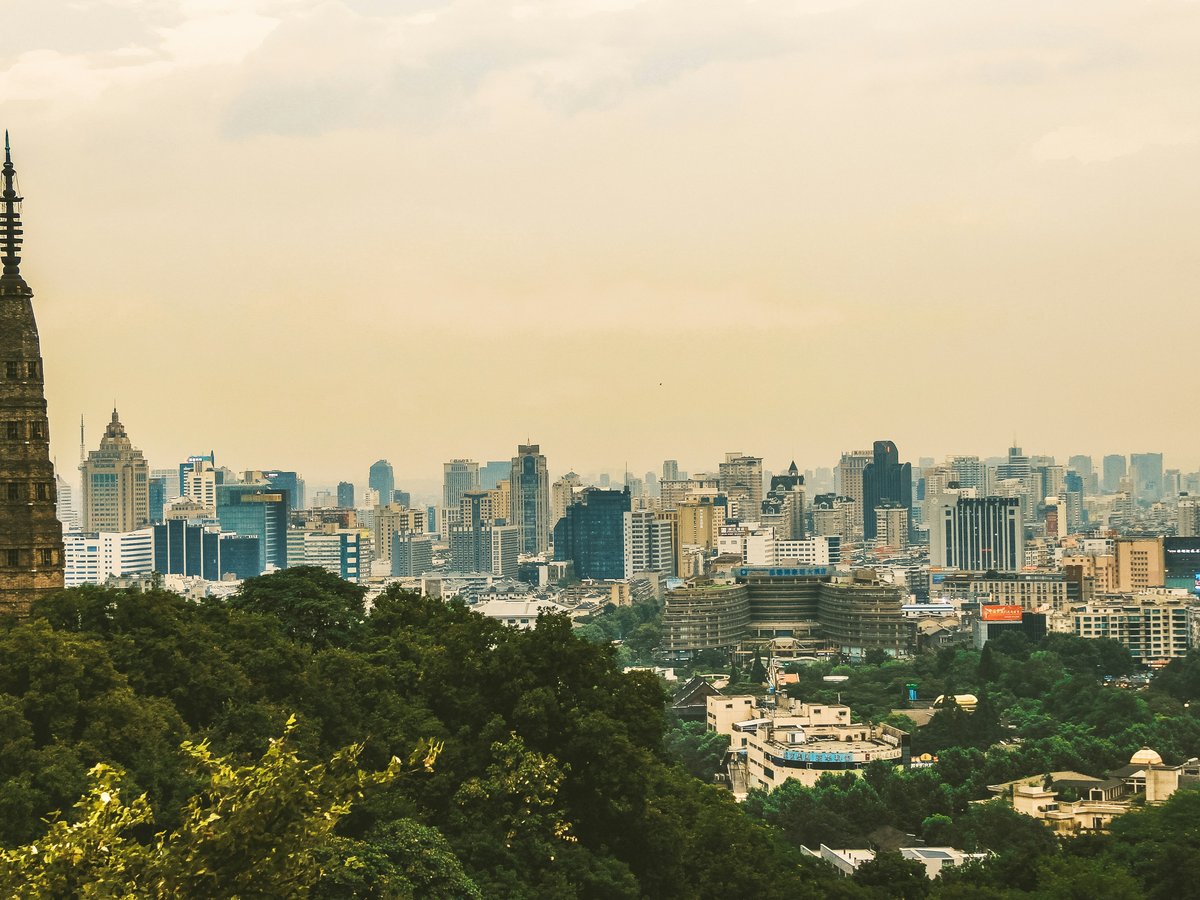
Nanjing operates on its own nocturnal rhythm. The city is slower at night than Shanghai, less performative than Beijing. Six dynasties and the Republic of China each claimed Nanjing as their capital, and that long memory still shapes how the city socializes after dark. Late September still carries summer's humidity, with temperatures around 22°C and light drizzle on some evenings. Students from Nanjing University and Southeast University fill cheap beer halls around Gulou, while young professionals in their late 20s head to the 1912 Bar District. Locals start late, with dinner wrapping up around 9 PM and bar arrivals closer to 10:30. Snow and Tsingtao remain the default beer orders at most neighborhood spots, though cocktail culture has been growing steadily since roughly 2018, particularly in Xinjiekou and along Shanghai Lu. Prices for a well-made drink typically run 30-40% below what you'd pay in Shanghai's Former French Concession. For a broader orientation to the drinking scene, the Wikivoyage guide covers the essentials (https://en.wikivoyage.org/wiki/Nanjing#Drink). Weekends get loud in the university districts during the September-to-June academic year.
Where Nanjing Drinks
The 1912 Bar District remains Nanjing's most concentrated strip for a night out. Roughly two dozen bars and lounges fill restored Republican-era buildings near the Presidential Palace of Nanjing. You'll find speakeasy-style cocktail rooms alongside open-air terraces with views toward the Qinhuai River. Cocktail menus here lean toward the classics. Old Fashioneds and Negronis appear on nearly every list, priced between 58 and 88 CNY, or roughly 9-13 USD at current rates. Xinjiekou, the city's commercial center, hosts the polished end of the spectrum. Several international hotels here run rooftop bars on the 40th floor and above. The views reach across Zijin Shan toward the Sun Yat-sen Mausoleum, which looks particularly sharp on clear nights. Drinks at hotel bars start around 88-120 CNY. Worth noting, these places fill on Friday and Saturday nights by 10 PM, so arriving by 9:30 helps. For something rougher, head to the streets around Nanjing University in Gulou. Small bars here cater to students and price accordingly. Local beers sit at 15-25 CNY, imported bottles around 35-50 CNY. The atmosphere in these Gulou spots leans toward worn wooden furniture, sticky floors, and somebody's Bluetooth speaker providing the soundtrack. Shanghai Lu runs perpendicular to the campus area and has accumulated a cluster of wine bars and craft beer spots over the past several years. Wine bars here lean toward natural and Old World selections, with glasses starting near 48 CNY. Dive bars scatter through the older residential lanes around Gulou and parts of what was Baixia district. You'll spot them by the plastic stools spilling onto the sidewalk and the clatter of dice games through the doorway. A large Tsingtao draft costs around 10-15 CNY at these places. They stay open late, sometimes past 3 AM, pulling in regulars, taxi drivers between fares, and the occasional foreigner who wandered off the main streets.
After Midnight
Nanjing's club scene concentrates in two zones. The 1912 area transitions from bar territory into club mode after midnight, and Gulou near the universities holds a smaller cluster of more underground-leaning spots. EDM and hip-hop dominate the larger venues. Chinese trap remixes and bass-heavy Mandopop edits feature on most weekend playlists. To be fair, the DJ culture here is still developing compared to Shanghai or Shenzhen, where international bookings are more common. Nanjing clubs rely more on resident DJs and regional touring acts from Hangzhou, Chengdu, and Wuhan. Dress codes exist but stay loosely enforced. Smart casual works nearly everywhere. Sneakers are fine. Flip-flops and athletic shorts will likely get turned away at hotel clubs in Xinjiekou, but the 1912 venues are more relaxed. Some clubs check IDs at the door, so keep your passport or a photo of it on your phone. Peak hours run late. Most clubs don't fill until midnight or later, and the energy holds until 3-4 AM on Fridays and Saturdays. Some Gulou spots push past 5 AM. Wednesday and Thursday ladies' night promotions remain common at several venues, with free or discounted entry for women. Sunday through Tuesday, most clubs are either closed or nearly empty. Cover charges on a regular Friday or Saturday sit around 50-100 CNY at mid-range clubs, typically including one drink. Hotel venues might run 150-200 CNY. Holiday weekends like National Day in early October can push prices up considerably. Many clubs waive cover on weeknights or for groups arriving before 11 PM. Bottle service is a big part of the culture. Groups of 4-6 friends commonly book a table and order a bottle of whisky or vodka with mixers, starting around 500 CNY for domestic brands and climbing steeply from there. This often works out cheaper per person than individual drinks. If a promoter approaches you outside a venue offering free entry, that's standard practice in Nanjing. They're trying to fill the room before the main rush.
Live Sound
Nanjing has been one of China's quieter indie music capitals for at least two decades. The scene lacks the international attention of Beijing's Drum and Bell Tower corridor or Chengdu's underground circuit, but it has produced notable acts in folk, post-punk, and indie rock. Gulou is the center of gravity for live performance, with small venues hosting local bands on most weekend nights. A typical live music night in Gulou starts with doors around 9 PM, a first act by 9:30, and a headliner by 10:30 or 11. Tickets for local acts range from roughly 50-100 CNY. Touring bands from Beijing or Shanghai might push that to 150-200 CNY. Genres lean toward indie rock, folk-influenced singer-songwriters, and post-punk. Nanjing's post-punk output has been quietly productive, with several bands building followings on NetEase Cloud Music and QQ Music. Jazz has a smaller but steady presence. A few spots near Xinjiekou and in the Gulou area run jazz nights, often on Thursdays and Sundays. The musicians frequently come from conservatory programs at Nanjing University of the Arts or Nanjing Normal University. Blues and roots performances surface occasionally but aren't consistent enough to plan around. If you spot a blues night on a WeChat events board, it's probably worth checking. These shows are infrequent in Nanjing. The more experimental end of the spectrum, including noise and electronic performance, tends to happen in irregular pop-up spaces around the city's older neighborhoods. These events circulate through WeChat groups and Douban listings rather than fixed venue calendars. Friday and Saturday remain the strongest nights for live music across all genres in Nanjing.
Nightlife neighborhoods
-
1912 Bar District
The brick-and-stone lanes of Nanjing's densest nightlife strip take on a warm glow after dark. Pedestrian streets fill with couples, friend groups, and the occasional bachelor party once 10 PM passes. Charcoal-grilled lamb skewers from the vendors at the district's edges send their smell drifting between bar doorways. The energy holds past 2 AM on weekends.
- Best for
- Mixed groups who want a full night's worth of options within walking distance, from quiet cocktails to loud dance floors
-
Gulou
Cheap, loud, and young. The streets around Nanjing University are thick with student bars, noodle shops open past midnight, and basement live music venues. Bicycle heaps mark every other doorway along the side streets. The sweetness of bubble tea mingles with cigarette smoke on warm nights. Most Gulou bars stay open between 1 and 3 AM depending on the crowd.
- Best for
- Budget-minded drinkers, indie music fans, and anyone under 30 who wants a cheap beer and good conversation
-
Fuzimiao (Confucius Temple)
Tourist-heavy after sunset, but the Qinhuai River frontage keeps things moving past midnight. Lantern light bounces off the water and the temple facades. Vendor stalls sell duck-blood soup and stinky tofu until late. The bars along the riverfront lean commercial, with themed cocktails and neon interiors. Drink prices in Fuzimiao run higher than in most other Nanjing nightlife districts.
- Best for
- First-time visitors and couples who want riverside scenery with their drinks
-
Xinjiekou
Nanjing's commercial core, with high-rise hotels and department stores that take on a different character after 9 PM. The rooftop bars in the tower hotels attract a slightly older, better-dressed crowd. Side streets hold a handful of quieter wine bars and whisky lounges where conversations stay at a normal volume.
- Best for
- Date nights, business entertaining, and anyone who wants a cocktail above the 30th floor
-
Shanghai Lu
This narrow street runs south from the Nanjing University gates. Over the past several years it has become a corridor for craft beer and natural wine. The crowd skews late 20s to 30s, with more working professionals and a small expat presence than the Gulou student bars. Quieter on weeknights, genuinely lively on Saturday nights. The bars tend to be small, warm-lit, and conversational.
- Best for
- Craft beer and wine drinkers who prefer conversation over loud music
-
Laomendong
A restored quarter south of the Ming-era city wall at Zhonghua Gate. Stone lanes and traditional rooftops take on an almost cinematic quality under amber street lighting. The bars favor craft cocktails and considered music. The pace is slower than the 1912 strip, the crowds smaller. Most venues here close by 1 AM, even on weekends.
- Best for
- Couples, small groups, and anyone who appreciates design-forward spaces with their drink
Safety after dark
Nanjing scores 6.8 out of 10 for solo-traveler safety (see the TTDI Solo-Safety Index), and the main nightlife districts feel generally secure after dark. The 1912 area, Xinjiekou, and Gulou all maintain regular foot traffic past midnight on weekends. That said, standard precautions apply.
The Nanjing Metro stops running around 11 PM on most lines, with Line 1 and Line 3 extending to roughly 11:30 PM. After that, Didi ride-hailing is the standard option. Taxis are available but harder to flag down near bar districts late at night, and some drivers refuse short fares. Always use the meter or the Didi app. Agreeing to a flat fare with an unmarked car at 3 AM is a reliable way to overpay by 3-4x.
Drink awareness applies at any Nanjing venue, though spiking incidents are rare compared to some Southeast Asian nightlife destinations. Keep your glass in hand at the 1912 clubs and Gulou bars, and avoid accepting open drinks from strangers in spaces where the lighting is low and the bass is loud.
The tea ceremony scam persists in tourist areas near Fuzimiao. A friendly stranger approaches, their English is suspiciously polished, and they suggest visiting a friend's tea house. The bill arrives at several hundred CNY for tea worth a fraction of that. Decline and move on. The Wikivoyage safety section covers this and other common scams in more detail (https://en.wikivoyage.org/wiki/Nanjing#Stay_safe).
LGBTQ+ travelers should note that Nanjing scores 2.5 out of 10 for LGBTQ+ friendliness (sourced from TTDI's editorial rubric). Same-sex activity is legal in China, but public displays of affection between same-sex couples can draw unwanted attention outside of specifically welcoming spaces. The LGBTQ+ bar scene in Nanjing is small and operates quietly, with events promoted through private WeChat groups rather than public listings.
Practical tips
- Payment methods
- WeChat Pay and Alipay work at nearly every bar and club in Nanjing. Cash is increasingly optional. International credit cards are accepted at hotel bars and upscale cocktail rooms but unreliable at smaller venues in Gulou or Laomendong. Setting up WeChat Pay before your first night out saves friction at every stop.
- Tipping
- Tipping is not customary in Nanjing or anywhere in mainland China. Bar staff do not expect tips, and leaving extra money on the bar can cause confusion. At hotel venues, a service charge of 10-15% may already be built into the bill.
- Language at the bar
- English is limited in most Nanjing bars outside the hotel circuit. A few phrases in Mandarin go a long way, even basics like ordering a beer (yi bei pijiu) or asking for the check (mai dan). The Wikivoyage guide covers useful language basics for the city (https://en.wikivoyage.org/wiki/Nanjing#Cope). When heading home, showing a bar's name in Chinese characters on your phone to a Didi driver works better than attempting pronunciation.
- Smoking
- Nanjing has indoor smoking restrictions on the books, but enforcement in bars and clubs tends to be inconsistent, particularly after midnight. Expect secondhand smoke at smaller Gulou bars and in most KTV rooms. The rooftop bars in Xinjiekou tend to have better ventilation and separate outdoor sections.
- Ordering culture
- Group ordering is more common than individual drinks at many Nanjing venues. A table of 4-6 will typically split a bottle of spirits with mixers rather than buying cocktails one at a time. Dice games (shai zi) are a standard drinking pastime, with losers taking penalty sips of baijiu or beer. If locals at a Gulou bar invite you into a round, accept. They're being friendly, and the etiquette is forgiving.
FAQ
What time do bars and clubs close in Nanjing?
Most bars in the 1912 district and Gulou wind down by 1-2 AM on weeknights. Friday and Saturday nights push closing to 3-4 AM at bars and as late as 5-6 AM at clubs. The dive bars in residential lanes sometimes keep going as long as people are drinking, with no fixed last call.
Is Nanjing nightlife affordable compared to other Chinese cities?
Nanjing sits well below Shanghai and Beijing on price. With 1 USD converting to about 6.71 CNY as of late September 2026, a night of 4-5 drinks in the Gulou student bars might cost 80-150 CNY total, or roughly 12-22 USD. The hotel rooftop bars and Xinjiekou clubs cost more but still undercut comparable Shanghai venues by a noticeable margin.
What is KTV and should I try it?
KTV is the Chinese form of karaoke, and it is arguably more central to Nanjing nightlife than the bar or club scene. Groups rent private rooms by the hour, with rates starting under 100 CNY for basic rooms and climbing to several hundred for larger or premium setups. Song catalogs include a selection of English-language pop alongside the Mandopop and Cantopop standards. If locals invite you, go. KTV is where Nanjing really socializes after dark.
Where should I start on my first night out in Nanjing?
The 1912 Bar District is the easiest entry point, with a high concentration of venues along walkable pedestrian lanes. Start at a quieter cocktail spot around 9:30 PM and let the night develop from there. If you want something less polished, take Metro Line 1 to Gulou station and walk the streets near Nanjing University. The student bars welcome newcomers, and the prices won't sting.
Last verified by automated review (v1.7.2) on . What is automated review?