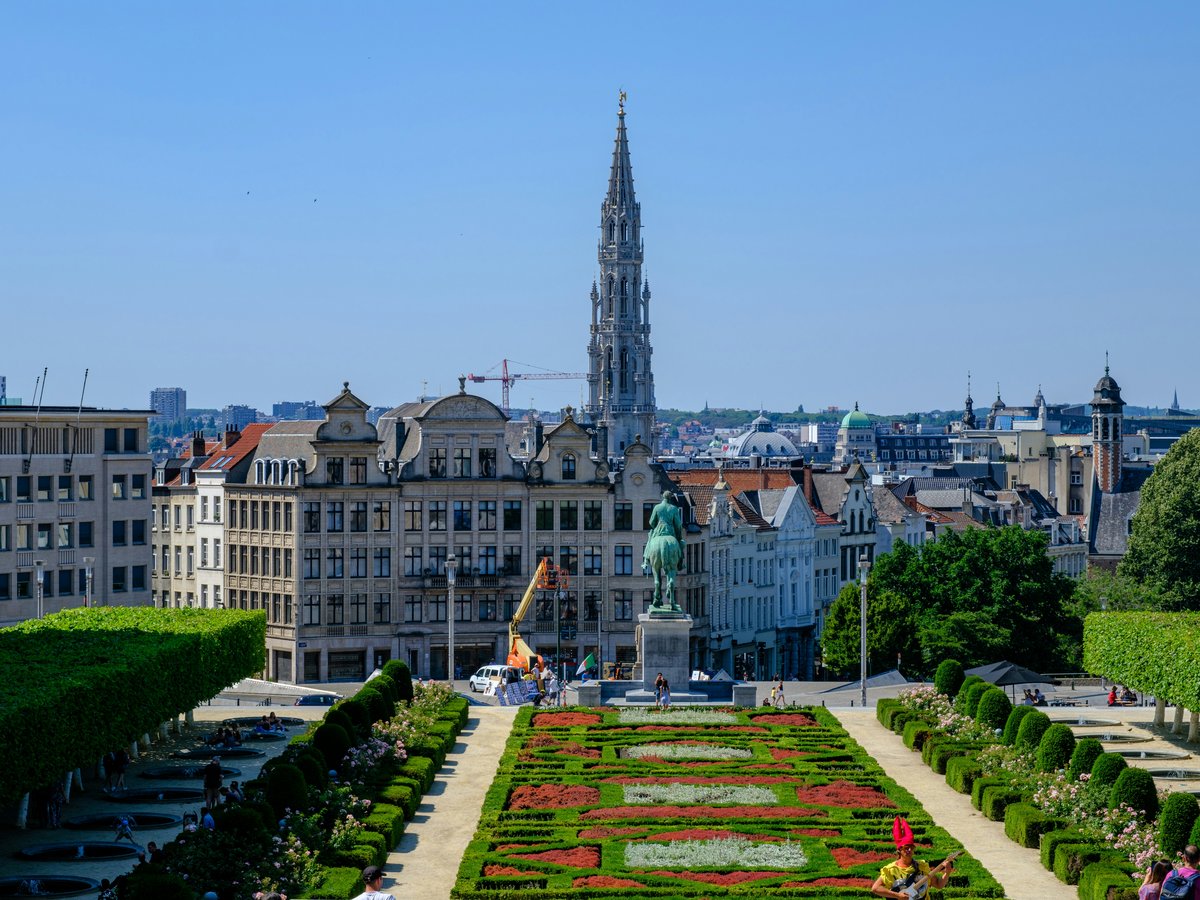
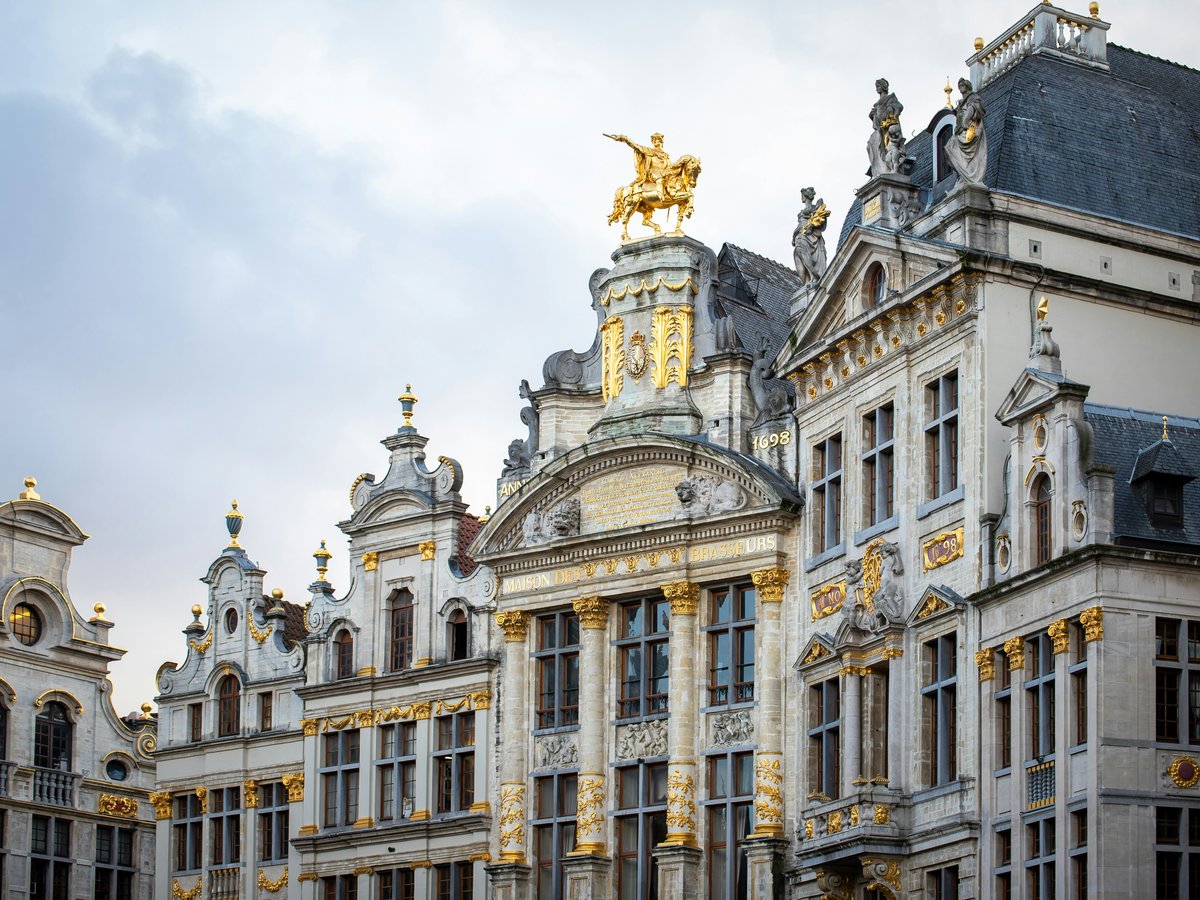
Brussels sits on a river that most of its residents have never seen. The Senne was vaulted over in the 1870s during a cholera-driven renovation that replaced medieval lanes with the grand boulevards you walk today, and that act of erasure tells you something about how this city operates: it reinvents itself without sentiment, layer over layer, keeping just enough of the old to stay interesting. The Grand-Place, a UNESCO site since 1998, anchors the centre with guild halls rebuilt entirely after French bombardment levelled them in 1695, each façade more ornate than what came before, as if the city's response to destruction has always been excess. From there the terrain rises south toward the Sablon, where antique dealers set up weekend stalls between two churches, and drops east into the Marolles, a working-class quarter where the daily flea market at Place du Jeu de Balle has run since 1873. Saint-Gilles and Ixelles, technically separate communes, feel like one continuous neighbourhood of Art Nouveau townhouses (Victor Horta built four of his major works within a twenty-minute walk here) and North African grocers and Portuguese restaurants that give the streets a specific, lived-in character absent from the tourist centre. The bilingual friction between French and Dutch speakers shapes everything from street signs to political coalitions; you will notice it without fully understanding it. A first morning starts with coffee at a counter in Sainte-Catherine, the old fish-market district near the canal, where the pace is slower than the EU-quarter workers ten minutes east would suggest. Brussels does not perform for visitors the way Paris or Amsterdam do. It feeds you well: frites from a paper cone, a gueuze pulled from a cellar that has been blending lambic for over a century, and mostly leaves you to sort the rest out yourself.
Brussels in photos
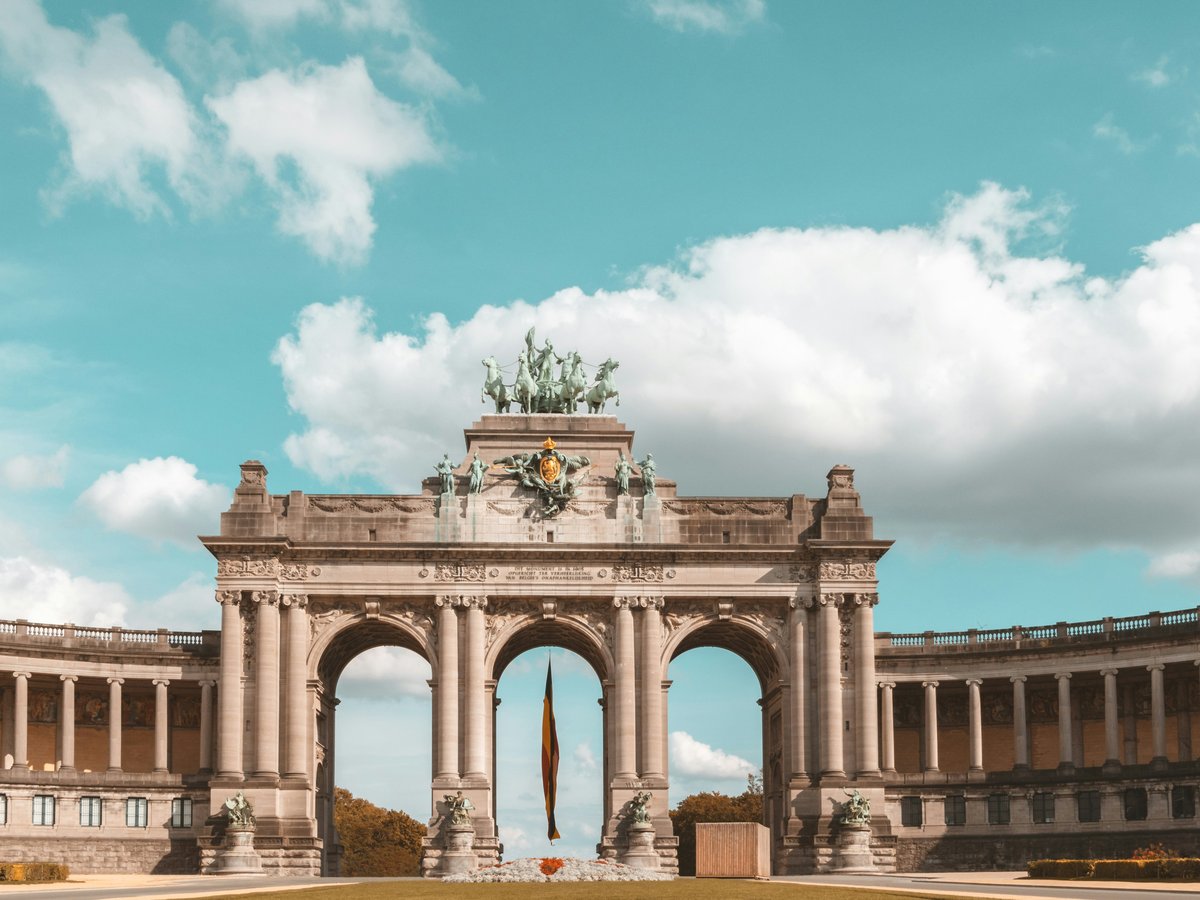
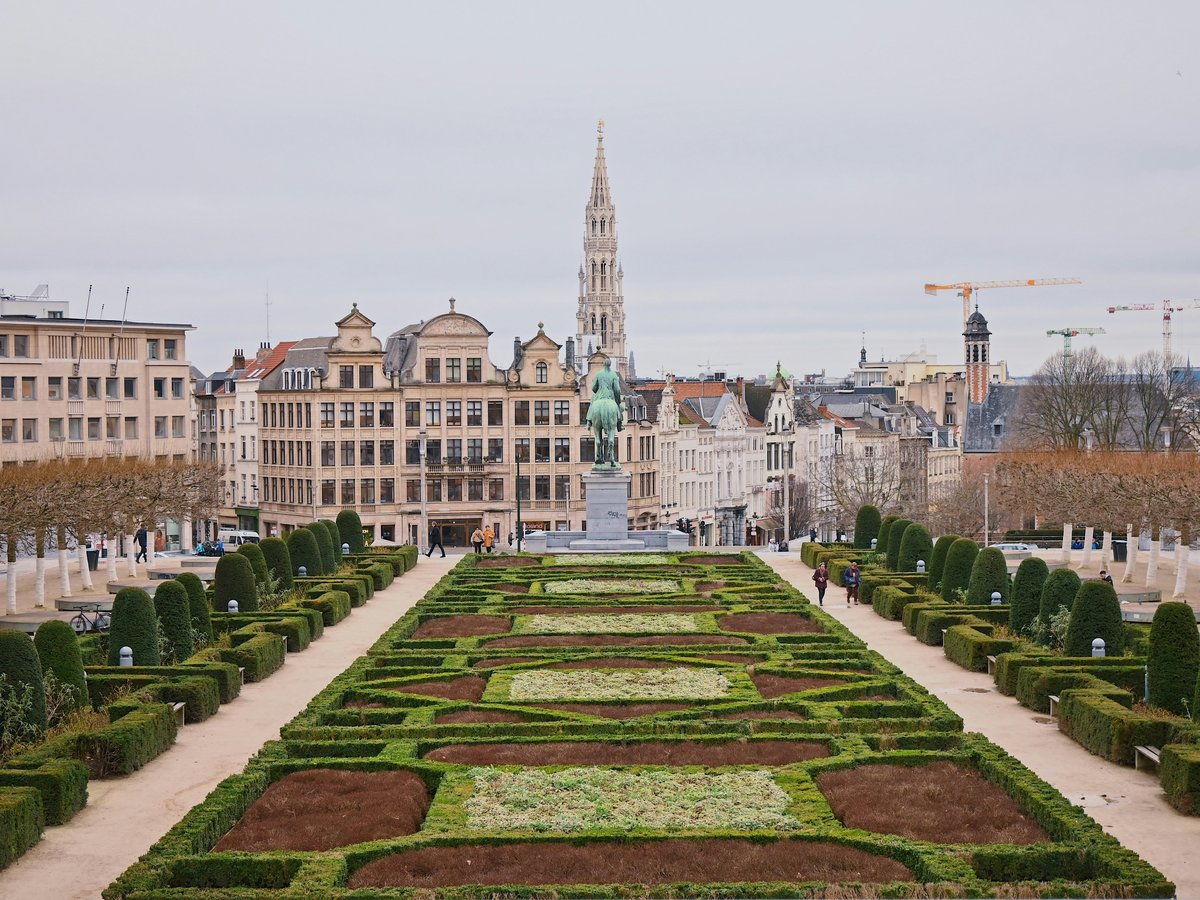
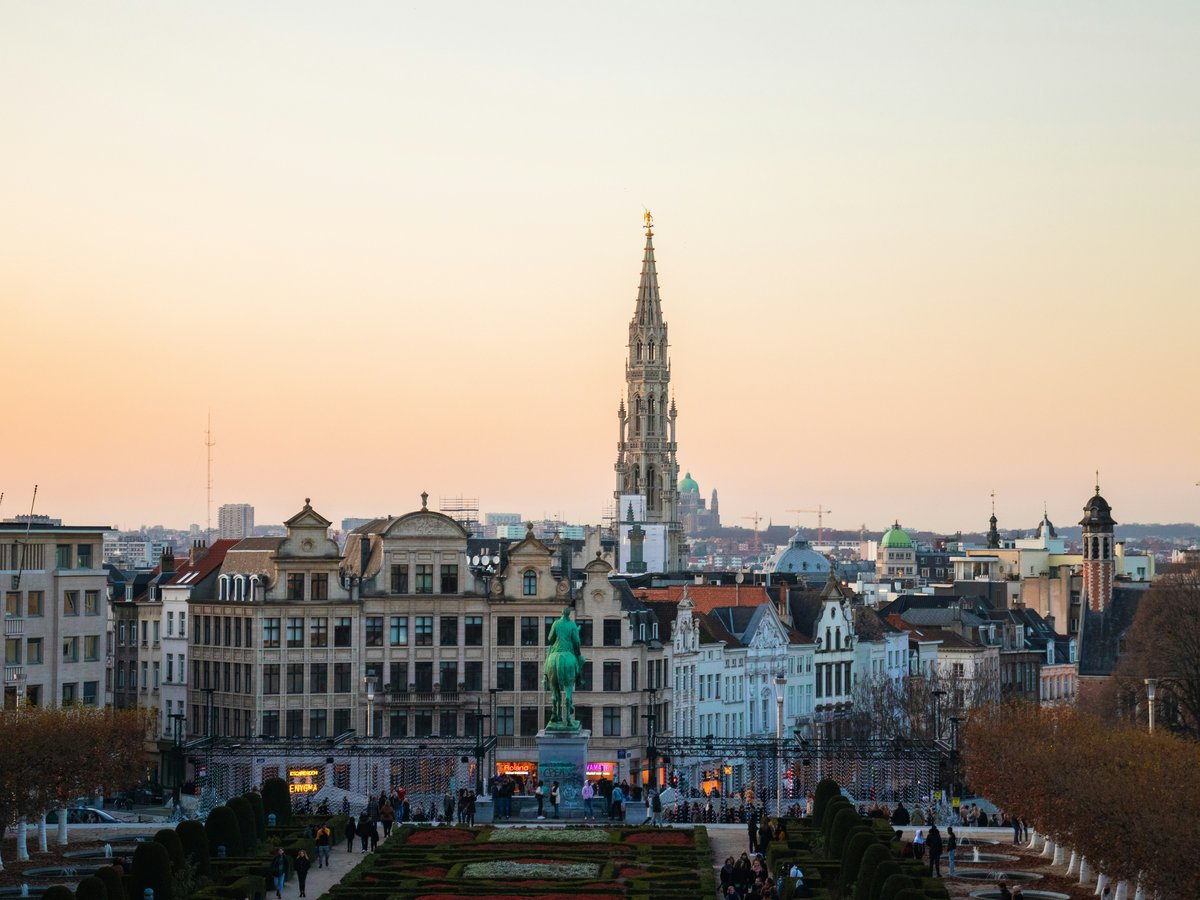
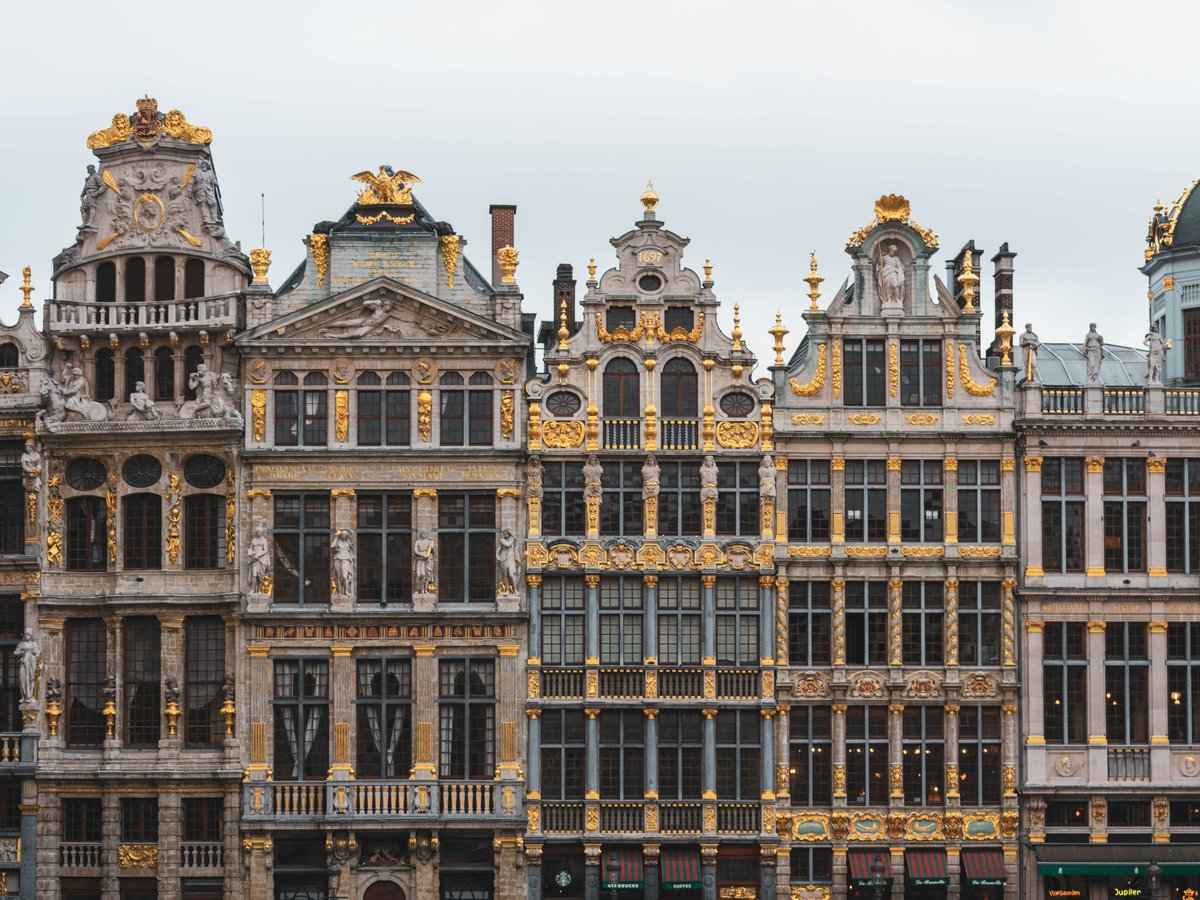
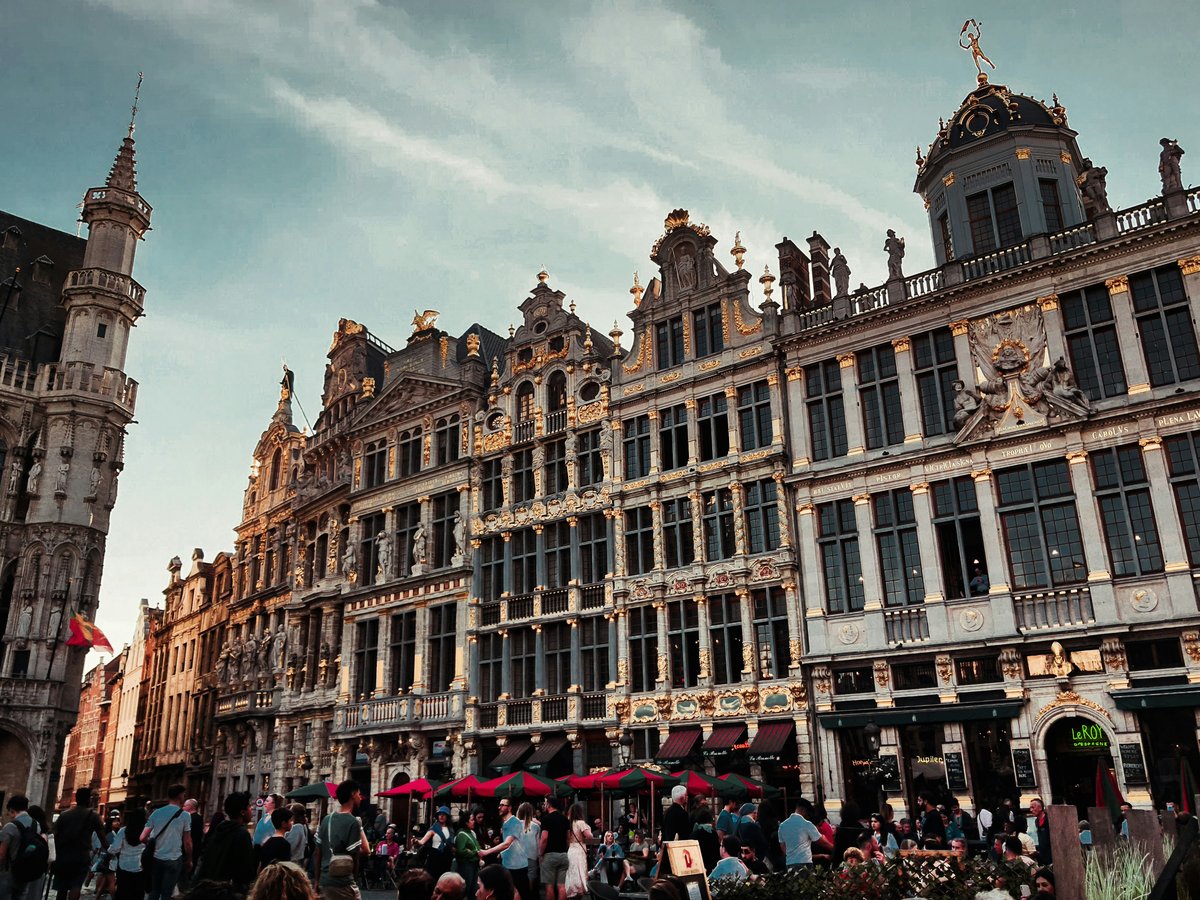
Brussels right now
Answers about Brussels
-
Airport to city
Take the SNCB train from Brussels Airport (BRU) to Bruxelles-Central. It costs €14.70 including the Diabolo surcharge, takes 17 minutes, and runs every 10 to 15 minutes from roughly 5am to midnight. After midnight, the regulated taxi fare is €45 flat to anywhere in the Brussels-Capital Region's 19 communes.
Read the full answer → -
Best time to visit
May, June, and September are the months we'd pick for Brussels. Sunsets come after 21:00, so the terraces on Place Sainte-Catherine stay full into the night, and once EU staff head home for the weekend, hotel rates near Schuman fall noticeably. January and February are worth avoiding: it gets dark before 17:00, and the drizzle around the Grand-Place has a way of not letting up for a whole week.
Read the full answer → -
Cost per day
Brussels costs about €50-60/day ($58-70) on a strict budget. A hostel dorm in Saint-Gilles runs €25-30. Frituren lunches cost €4. STIB transit rides are €2.10 each. The Grand-Place costs nothing, and beer at a neighborhood café runs €3-4, half the Grand-Place terrace price. Skip Rue des Bouchers for dinner.
Read the full answer → -
Cultural etiquette
Brussels is officially bilingual in French and Dutch, and the language question is politically loaded. Default to 'Bonjour' as your greeting. Tipping is unnecessary since service charges are included by law. One cheek kiss for acquaintances, not two or three. Cover your shoulders inside the Cathedral of St. Michael and St. Gudula, and never call Belgian frites 'French fries.'
Read the full answer → -
Best day trips
Ghent is the strongest single-day trip from Brussels. A 35-minute SNCB train from Bruxelles-Midi costs €9.40 one way, and the medieval center along the Graslei is walkable in 6 hours. Bruges is 60 minutes by train but draws 8 million visitors a year, so go midweek. Dinant, Antwerp, and Leuven each work as half-day alternatives.
Read the full answer → -
Digital nomads
Brussels scores 5.8/10 for digital nomads (sourced from TTDI's editorial rubric). Apartment fibre is generally fast, and Saint-Gilles and Ixelles have the supermarkets and laundromats a month-long stay needs. The weak points are cost and paperwork: Belgium has no digital nomad visa, so most non-EU workers stay within the Schengen short-stay limit, and a furnished one-bed costs roughly €1,200-1,600 a month.
Read the full answer → -
Family-friendly
Brussels is solidly family-friendly, with a few rough edges. The Museum of Natural Sciences has 30 mounted iguanodon skeletons, the Atomium has a dedicated kids' sphere, and Belgian waffles solve most meltdowns within 30 seconds. Stroller access on the metro is decent, but Grand-Place cobblestones will rattle your fillings. Bring a carrier for the old center.
Read the full answer → -
Food culture
Brussels eats on beer, butter, and twice-fried beef-tallow frites. Moules-frites from September through February, carbonnade flamande braised in dark ale, and grey-shrimp croquettes appear on every brasserie menu. The real food map runs by commune. Sainte-Catherine does seafood, the Marolles serves €12 stoemp with sausage, and Matongé around Porte de Namur brings Congolese cooking to a traditionally Burgundian city.
Read the full answer → -
Getting around
Walk the Pentagon, the old center barely 2 km across, and tap a contactless card on any STIB metro, tram, or bus for the rest. A day pass costs 8 EUR. Four metro lines reach the Atomium, the EU quarter, and every major museum. Bolt beats Uber on price for late-night rides.
Read the full answer → -
How to get there
Brussels Airport (BRU), 12 km northeast of the Grand-Place, handles most international flights. Brussels South Charleroi (CRL), 46 km south, serves Ryanair and Wizz Air. From the US East Coast, United and Brussels Airlines fly direct in 8 hours for $650-1,100 round-trip. From London, the Eurostar takes 2 hours from St Pancras.
Read the full answer → -
Is it safe?
Brussels scores 6.2 out of 10 for solo-traveler safety (see the TTDI Solo-Safety Index). Pickpocketing around Gare du Midi and Gare du Nord is the primary risk, not violent crime. The metro runs until midnight, after which you'll want a taxi app. Molenbeek and the streets around Gare du Nord feel uncomfortable after dark, but the Pentagon and Ixelles stay lively late.
Read the full answer → -
Language basics
French runs Brussels in practice, despite official French-Dutch bilingualism across the 19 communes. Over 85% of the 1.2 million residents speak French at home. English proficiency in tourist areas like Grand-Place and the Sablon is strong, helped by the large EU and NATO workforce in the Quartier Européen. The Latin alphabet makes signs instantly readable.
Read the full answer → -
Layover guide
Yes. Brussels Airport connects to the city center by direct SNCB train in under 20 minutes. With 5 hours or more, you can walk Grand-Place, see Manneken Pis, eat a Liège waffle near the square, and still catch a return train with time to spare. Under 5 hours, the terminal has enough to keep you comfortable.
Read the full answer → -
LGBTQ-friendly
Brussels scores 9.5/10 for LGBTQ+ friendliness (sourced from TTDI's editorial rubric). Belgium legalized same-sex marriage over two decades ago and the capital's social climate reflects it. The queer scene has run along Rue du Marché au Charbon in Saint-Jacques since the early 1990s, with drag bars and cafe terraces filling a single cobblestoned block. Same-sex couples hold hands through the Grand-Place without drawing a glance.
Read the full answer → -
Where locals go
Skip the Grand-Place. Brussels locals drink around Place Flagey in Ixelles and the Parvis de Saint-Gilles, eat standing up at Noordzee on Rue Sainte-Catherine, and buy their week's vegetables at the Sunday Marché du Midi. Remote workers can open a laptop at Café Belga on weekday mornings. Saint-Gilles is the commune with the groceries, laundromats and bars that make a month-long stay work.
Read the full answer → -
Must-see
Grand-Place, the cobblestone square at the center of Brussels' pentagon. The guild halls that line it were rebuilt after Louis XIV's 1695 bombardment and are covered in competitive gold leaf that catches afternoon sun around 4pm. Free, open 24 hours, best before 9am. The Atomium and Royal Museums of Fine Arts rank second and third.
Read the full answer → -
Solo travel
Brussels works well for solo travel. The STIB metro, tram, and bus network covers the compact center on a single €2.10 ticket, and Noctis night buses run 11 routes until 3am on weekends. Delirium Café's shared long tables and the strong Meetup.com scene solve the social side. Single-occupancy hotel supplements are the main financial downside.
Read the full answer → -
This week
Brussels this week runs at a comfortable 22°C under overcast skies, with midsummer light lasting past 9:30pm. The Place du Jeu de Balle flea market fills every morning from 6am. Tuesday brings Grand-Place's flower market. The Fondation Folon is running a Kengo Kuma architecture exhibition, and moules-frites season has the city's brasseries serving fresh Zeeland mussels at €18-24 a pot.
Read the full answer → -
3-day itinerary
Day 1 covers Grand-Place, Galeries Royales Saint-Hubert, and the Cathedral of St. Michael through the Lower Town on foot. Day 2 climbs to the Royal Museums, Sablon chocolatiers, and the Marolles flea market. Day 3 takes metro line 6 north to the Atomium, then east to Parc du Cinquantenaire and Ixelles. About 24 kilometres total walking.
Read the full answer → -
What to avoid
Skip the restaurants with touts on Petite Rue des Bouchers and the waffle stands piled with toppings on Rue de l'Étuve, and pass Manneken Pis without making a separate trip. Never treat Charleroi airport as Brussels. Watch your bag at Bruxelles-Midi station. Before you plan your first day, check museum opening days: the Royal Museums of Fine Arts shut one weekday each week.
Read the full answer → -
What to pack
Pack a packable rain jacket and thick-soled walking shoes. Brussels averages about 200 rain days per year, and cobblestones cover the Grand-Place, the Sablon, and the Marolles. Layer for 8-22°C temperature swings, even in summer. Leave the umbrella and basic toiletries behind. Hema on Rue Neuve sells umbrellas for €3, and Di pharmacies stock everything else cheaply.
Read the full answer → -
Where to stay
Stay near Grand-Place or Sainte-Catherine for a first trip. Grand-Place puts you within a 5-minute walk of the city's major sights and the Bourse metro station. Budget €90-150 per night for a mid-range hotel. Sainte-Catherine, two blocks northwest, runs €10-20 cheaper and sits beside Brussels' best restaurant strip along Rue de Flandre.
Read the full answer →
Deep guides for Brussels
Curated lists for Brussels
accommodation
-
Best boutique hotels
Brussels does not sort neatly into a tourist center and everything else. The Grand Place anchors the old core, but the city's best boutique accommodation spreads across neighborhoods running from the EU quarter's townhouse hotels to the flea-market streets of the Marolles, from the Art Nouveau avenues near Louise to the airport-adjacent rooms of Machelen. Price tiers overlap more than most European capitals: a room at $82 a night in the Marolles sits within a tram ride of a $184 townhouse suite near Parc du Cinquantenaire, and the mid-range band between them covers every transit corridor in the city. The canal splits the geography and the character; west of it, Cureghem trades on proximity to the Midi station, while east of it, the Châtelain streets offer wine bars and residential quiet. Brussels rewards the traveler who picks a neighborhood first and a hotel second, because the walk from your door sets the tone of the trip more than the lobby does.
See the picks → -
Best hostels
Brussels splits into neighborhoods that barely resemble each other. The Grand Place core and the streets radiating from Gare Centrale hold the highest hostel density, but the budget traveler who books there pays a location premium in noise and waffle-stand proximity. South of the center, Louise and Châtelain trade tourist footfall for residential avenues, Art Nouveau facades, and terraced cafes that quiet down early. Across the canal, Cureghem is the district most guidebooks skip, even though its hostel stock scores higher than the old-town average on Trip.com. The airport ring at Diegem and Machelen suits layover travelers more than city explorers, with nightly rates that undercut the center by a wide margin. Laeken and Cité Modèle cluster near the Atomium and the Heysel expo halls, useful for trade fairs and families, forgettable for everyone else. The Marolles, the flea-market quarter beneath the Palais de Justice, keeps the cheapest per-night prices in the walkable center and rewards travelers who prefer junk shops to hotel lobbies. This list groups ten neighborhoods by hostel density, with a representative pick anchoring the price range in each. Read the area editorials to find the walking radius that matches your pace, then scroll to the pick to book it.
See the picks → -
Best luxury hotels
Brussels does not perform luxury the way Paris or London does. The city's top hotels serve diplomats, EU functionaries, and weekenders who want a quiet room, decent food, and a fast connection to the rest of Belgium by rail. That clientele keeps standards high and pageantry low. These four properties are not interchangeable: one leads with a full wellness floor and the set's strongest guest rating, another with on-site dining and a cobblestone-street address, a third with the sharpest nightly rate in the group, and the last with a spa circuit most Brussels hotels do not attempt. Brussels prices sit comfortably below what comparable European capitals charge, which leaves room to choose on fit rather than budget alone. Pick the hotel that matches your trip, not the brand name that looks best on an expense report.
See the picks → -
Where to stay
Brussels splits into neighborhoods that feel like separate villages pressed together by tram lines and tunnels. The Grand Place anchors the tourist core, but the city's accommodation inventory fans out along two axes: south toward the Avenue Louise shopping corridor and east toward the Gare du Nord business belt. Price tiers shift block by block. A hostel bed near the Bourse can sit 200 meters from a five-star lobby on a cobblestone side street, and neither guest sees the other's Brussels. The canal marks a real divide: west of it, Cureghem and the Quais neighborhoods run quieter and cheaper, with Midi station providing the Eurostar link. East and south, Châtelain and Louise trade tourist density for residential calm and weeknight restaurant culture. Machelen, out by Zaventem, exists for the airport and knows it. What matters is matching your pace to the right postal code. The ten areas below move from the densest hotel cluster at the Grand Place outward, each one scored by what a 15-minute walk puts within reach.
See the picks →
attractions
-
Best free attractions
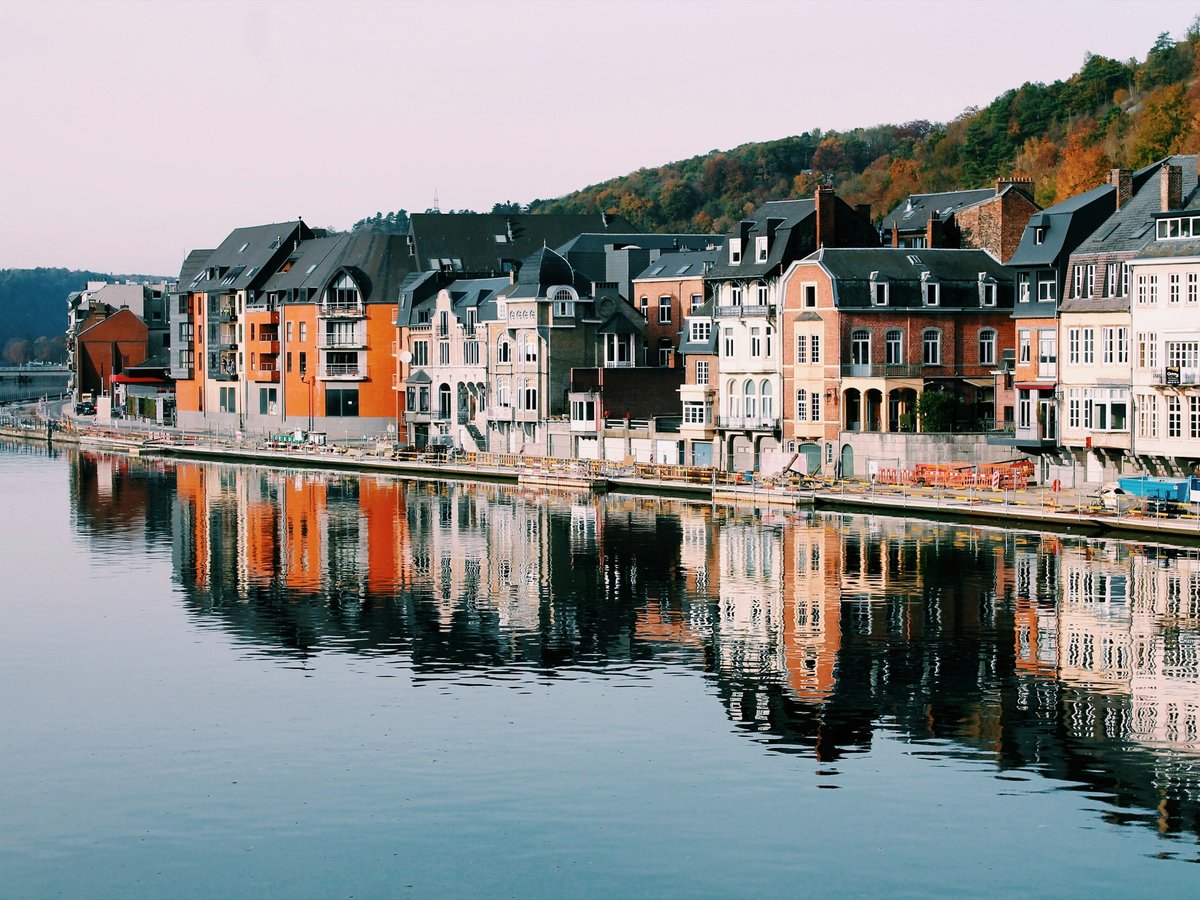
Brussels rewards the walker who never opens a wallet. The city's free layer is not a consolation prize; it is a working index of what Brussels is, from the guildhall theatre of the Grand-Place to the wooded south end at Bois de la Cambre and the botanical grounds up in Saint-Josse. What follows is 12 addresses you can string together on foot, tram, or metro, chosen because each one earns its slot on its own terms: a square that stages the city's civic life, a park built for a jubilee, a miniature continent in the shadow of the Atomium, a hillside terrace with the best free view in town. This is a list for the visitor who would rather read a place than pay to enter one, and for the resident who forgets how much of Brussels costs nothing at all. Every address, every coordinate pair, every URL below traces to a public record; the opinions in between are ours.
See the picks → -
Best museums
Brussels museums span more than two centuries, from an art collection dating from 1801 at one end to the House of European History, dating from 2014, at the other. In between you'll find the kind of museums that don't turn up in most capitals: a centre given over to comics since 1986, a collection of musical instruments dating from 1877, and a whole architectural museum built around one house. Some are easy to reach; others, like the Royal Museum for Central Africa out in Tervuren, need their own half-day. This list is for the visitor who wants to choose with care rather than tick off names: the art lover deciding between a large group of galleries and a single-artist museum, the family weighing natural history against military history, and the curious traveller with one free afternoon. Check the hours line in each entry before you plan the day. Several of these close on Mondays, including the Horta Museum and the Belgian Comic Strip Center.
See the picks → -
Must-see attractions
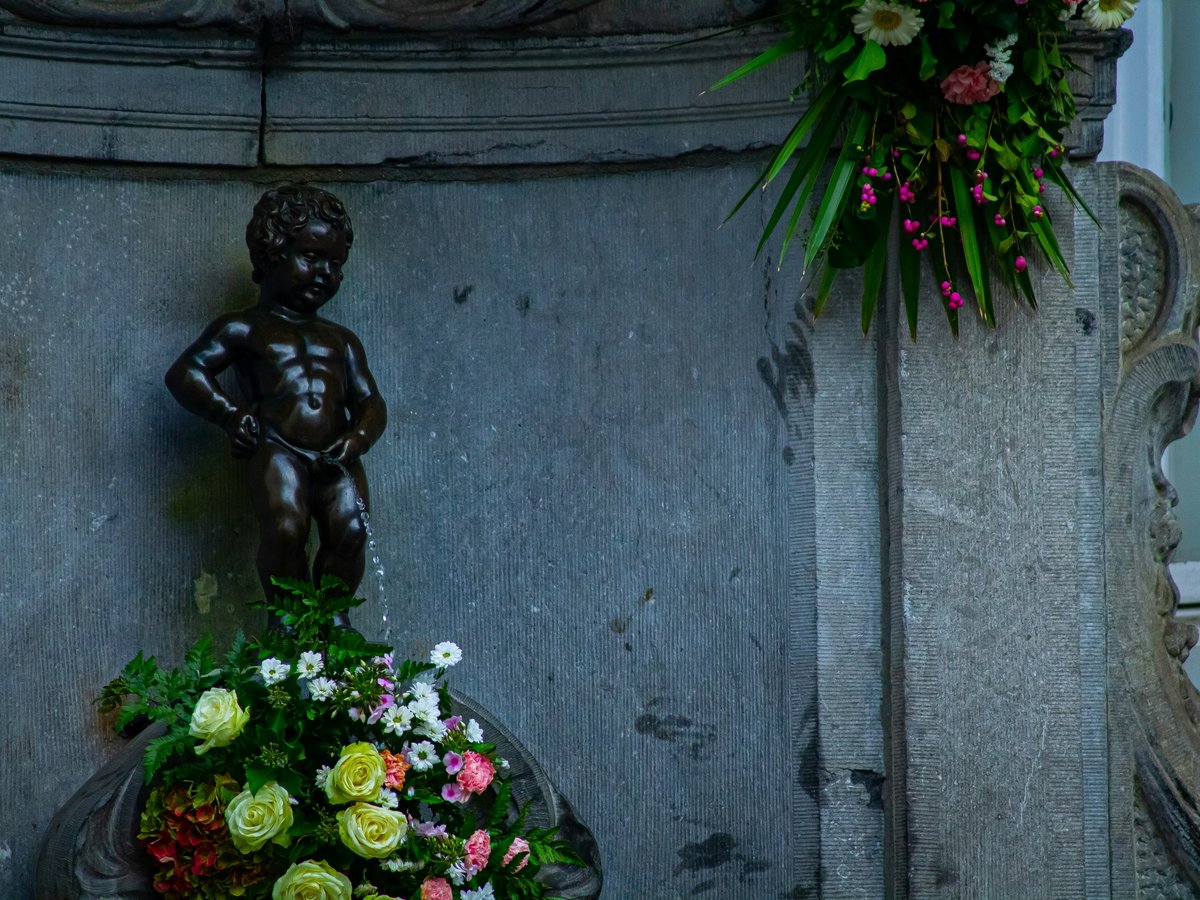
Brussels does its sightseeing in stone, bronze and steel, and this list of must-sees follows that grain. It opens with a fountain figure dated to 1619 and a landmark built as the centerpiece of Expo 58. Between those two sits a run of churches, a palace and an opera house, several of them protected monuments. The oldest church on the list dates to 1210, the cathedral to 1226, and most of what follows is ecclesiastical. If that sounds like a lot of naves, keep reading anyway: each church earns its place for a specific reason, whether that is a painter's grave or opening hours that suit a traveller with a tight morning. One entry sits outside the city on purpose, in Mechelen, as part of a UNESCO World Heritage Site, which is reason enough for a half-day. This list is for first-time visitors who want the canonical Brussels without the coach-tour pace, and for return visitors ready to swap the souvenir-shop circuit for buildings that reward an unhurried hour. Check the hours we cite before you set out, because several of these doors close earlier than you would guess.
See the picks →
food
-
Best cafes
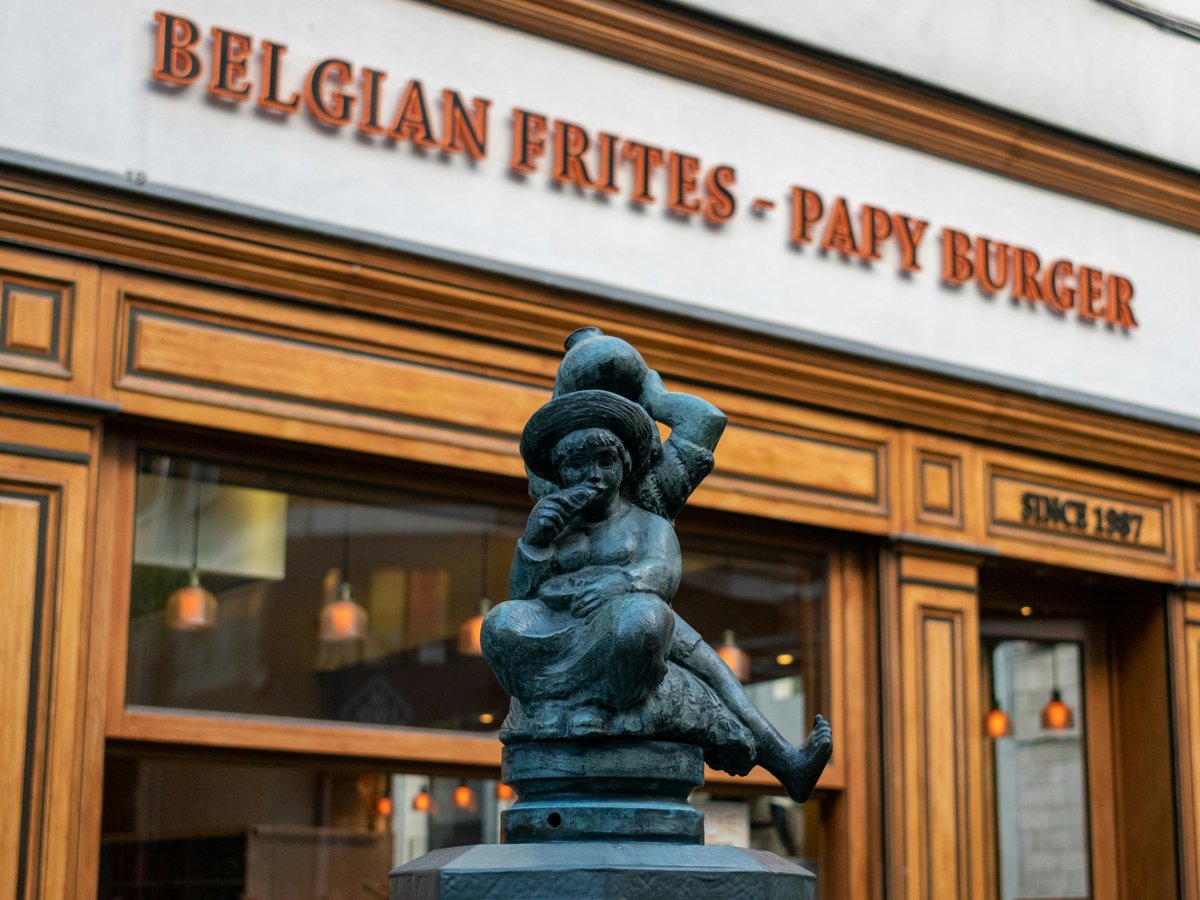
Brussels does not have a single cafe culture; it has three overlapping ones, and the interesting move is to notice which room you are in. There is the coffee-shop-as-office, where the espresso is precise and the wifi is why most people came. There is the pastry-and-sandwich lunch counter, where the bread does the arguing and the coffee is honest but secondary. And there is the older Belgian cafe, closer in spirit to a beer room than to a roastery, where a filter coffee arrives with a small speculoos and no one is in a hurry. The 12 rooms below span all three, from a bilingual sandwich bar off the Grand Place to a coffee counter on Avenue Louise that opens at 07:30 for the commute. They are grouped by what a visitor asks for, in order: a good morning stop, a working afternoon, an early-evening seat that is neither restaurant nor bar. Addresses and hours are the OpenStreetMap record; the judgement is ours.
See the picks → -
Best restaurants
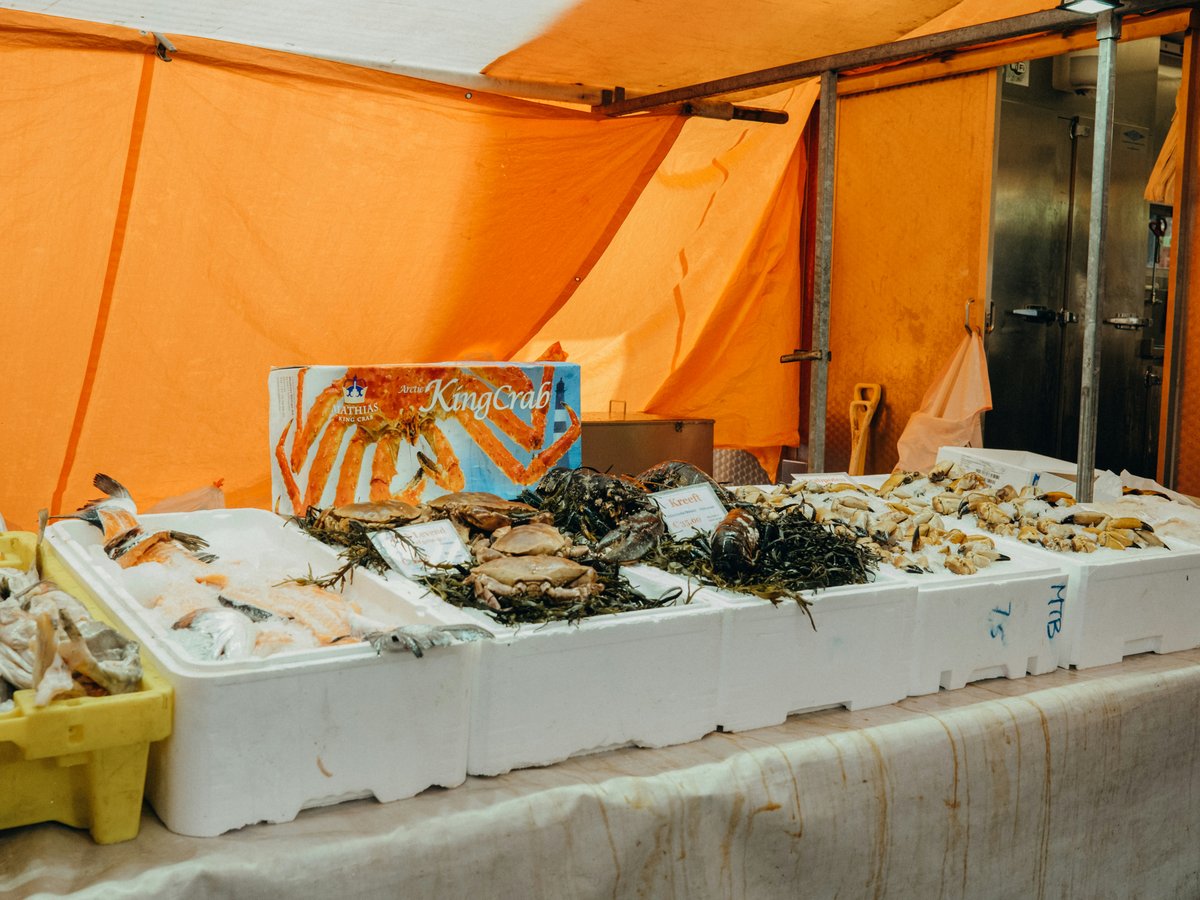
Brussels eats the way it talks: in two languages, from a dozen countries, and rarely with the pomp its EU-capital reputation suggests. The good tables are not in the tourist arcades off the Grand-Place; they are on the streets that ring it, on Kiekenmarkt and Place Sainte-Catherine and the alleys around the Fourche, where a fish counter, a sushi bar, a rodizio grill and an Ethiopian dining room sit within a five-minute walk of each other. This list is twelve restaurants inside that walking radius, chosen because each one does one cuisine seriously and prices it for people who live here. Some are quick lunches, some are two-service dinner rooms with a Monday off; a few keep going past midnight on the weekend. None of them are here for the branding. Read the hours before you go: this is a city where a kitchen will close between services and mean it, and where a Sunday lunch can be the best meal of your week if you know which door to open.
See the picks →
Browse by traveler type
- For foodies
Brussels for foodies
- For families with kids
Brussels for families
- For digital nomads
Brussels for digital nomads
- For solo travelers
Brussels for solo travelers
- For couples
Brussels for couples
- For budget travelers
Brussels on a budget
- For luxury travelers
Brussels for luxury travelers
- For first-timers
Brussels for first-time visitors
Book experiences in Brussels
 Free cancellation
 Bruges and Ghent Day Trip from Brussels
Day trip: 10 hours, free cancellation.
via Viator Free cancellation
 Brussels Artisanal Chocolate Tasting Tour
City tour: 1.5 hours, free cancellation.
via Viator Free cancellation
 Brussels: Bean-to-Bar Belgian Chocolate Workshop & Tastings
Cooking class: 1.5 hours, free cancellation.
via Viator Free cancellation
 2.5h Belgian Chocolate Pralines Workshop in Brussels
Cooking class: 2.5 hours, free cancellation.
via Viator Free cancellation
 Flanders Fields Remembrance Tour from Brussels
Day trip: 13 hours, free cancellation.
via Viator Free cancellation
 Brussels Highlights & Hidden Gems Private Tour with a Local Guide
Day trip: free cancellation.
via Viator Free cancellation
 Antwerp and Ghent Day Trip from Brussels With Atomium Photo Stop
Day trip: 10 hours, free cancellation.
via Viator Free cancellation
 The first free tour of Italians in Brussels | Since 2016
City tour: 2.2 hours, free cancellation.
via Viator Free cancellation
 Discover Brussels by bike: Highlights & Hidden Gems Tour
City tour: 3.5 hours, free cancellation.
via Viator Free cancellation
 Brussels PRIVATE TOUR With Locals: Highlights & Hidden Gems
City tour: 3 hours, free cancellation.
via Viator Free cancellation
 Brussels Waffle Workshop
Cooking class: 1.5 hours, free cancellation.
via Viator Free cancellation
 Brussels Like a Local: Private & Personalized Experience 2-4 hrs
City tour: free cancellation.
via ViatorBrowse by interest
Find a flight to Brussels
Live fares to Brussels appear here once cookies are accepted.
Last verified by automated review (v1.7.2) on . What is automated review?