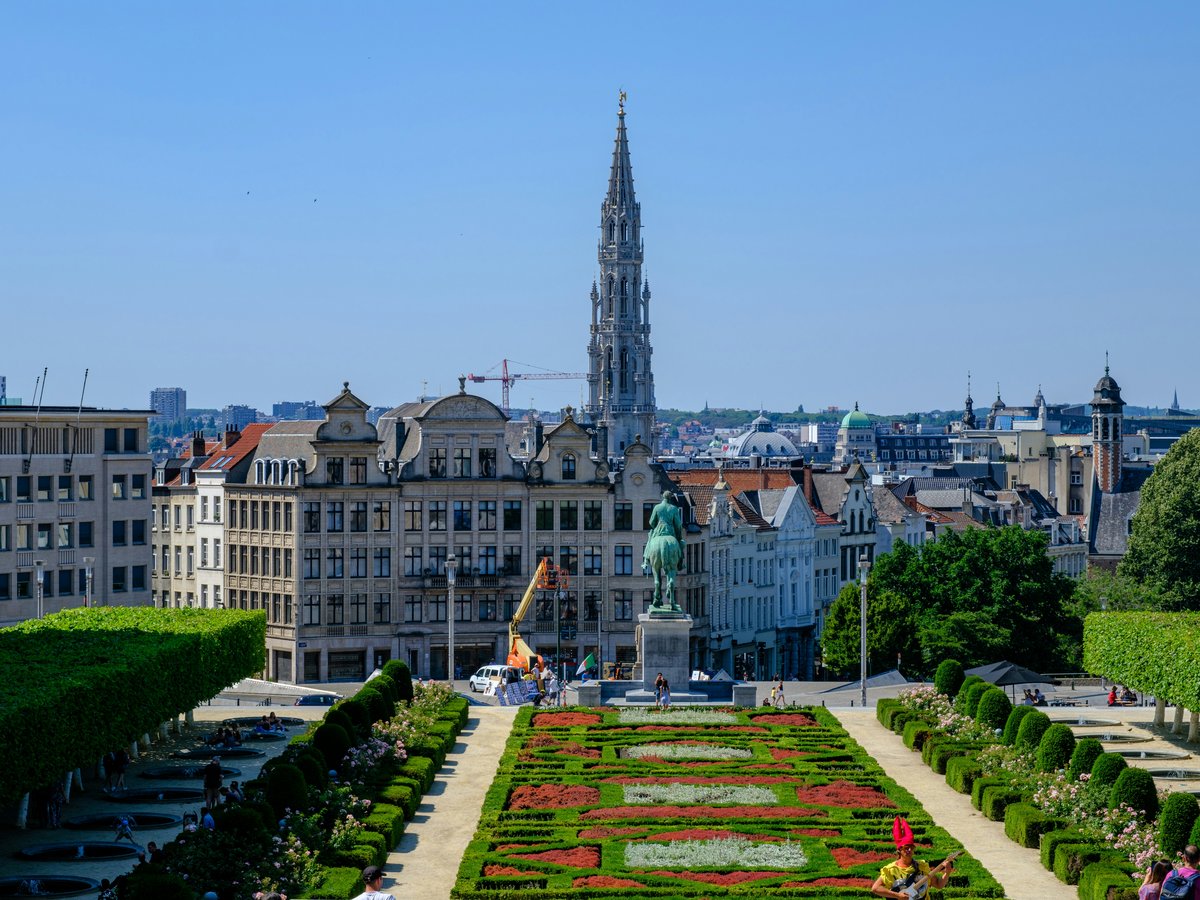
Brussels tends to surprise people on the shopping front. The city sits at an odd crossroads of French-speaking luxury and Flemish practicality, and that tension plays out in what you find on the shelves. Chocolate and lace get all the guidebook attention, but locals will point you toward the comic book shops on Rue des Sables, the vintage dealers around Place du Jeu de Balle, and the growing cluster of Belgian fashion labels in the Dansaert quarter. Worth noting, Brussels still has a strong tradition of specialized independent shops. The kind of places where someone has been selling one thing, maybe handmade brushes or artisan cheese, for 30 or 40 years. Chain retail exists along Rue Neuve, obviously, but the city's real personality lives in its neighborhood shops and weekend markets. Most visitors walk past them on the way to Grand-Place.
Shopping districts
-
Avenue Louise and Boulevard de Waterloo
luxuryThis is where Brussels does luxury. Boulevard de Waterloo runs about 500 meters of high-end storefronts, with most of the big fashion houses represented. Avenue Louise extends south from there, mixing upscale Belgian boutiques with international brands. The sidewalks are wide, the buildings are 19th-century townhouses, and the whole stretch feels quieter than you might expect for a luxury corridor. The Toison d'Or gallery connects to it at the northern end. You'll notice more locals here than tourists, particularly on weekday afternoons. Belgian designers like Dries Van Noten and Olivier Strelli tend to have a presence in this area.
Best for: High-end fashion, Belgian designer labels, upscale accessories
-
Rue Antoine Dansaert and the Dansaert Quarter
mid-range to highThe Dansaert area runs northwest from the Bourse toward the canal, and it has become Brussels' hub for independent Belgian fashion since the early 1990s. Stijl, one of the original multi-brand concept stores, helped anchor the street. The neighborhood still skews creative. You'll find smaller labels doing limited-run clothing alongside design-focused homeware shops. Some of these places feel more like galleries than retail. Prices sit in the mid-to-high range, but the vibe is distinctly anti-corporate. Side streets like Rue de Flandre add secondhand shops and younger designers to the mix. The foot traffic is lighter here than Rue Neuve, which is part of the appeal.
Best for: Independent Belgian fashion, design objects, concept stores
-
Rue Neuve
budget to mid-rangeRue Neuve is the main commercial artery, running about 1 kilometer north from Place de la Monnaie. It pulls in roughly 60,000 visitors on a busy Saturday. This is chain retail territory. H&M, Zara, FNAC, the usual European high-street lineup. City2 mall sits at the northern end with about 100 shops across multiple floors. The street gets loud and crowded, especially during the January and July sales periods. To be fair, if you need practical shopping done fast, Rue Neuve is efficient. It lacks personality, but it has volume.
Best for: High-street chains, practical everyday shopping, electronics
-
Galeries Royales Saint-Hubert
mid-range to highBuilt in 1847, the Galeries Royales claim to be one of the oldest covered shopping arcades in Europe. The glass-roofed passage splits into three sections: Galerie du Roi, Galerie de la Reine, and Galerie des Princes. The shops inside lean toward chocolatiers, leather goods, and bookstores. Neuhaus, which invented the Belgian praline in 1912, still operates a shop here. The architecture alone is worth the walk. Light filters through the glass ceiling onto the marble floors, and the whole space smells faintly of chocolate and old paper. Prices run higher than average, reflecting the location. Mind you, the upstairs levels house a theater and apartments, so it functions as a real building, not a museum piece.
Best for: Chocolate, fine leather goods, bookshops, architectural sightseeing
-
Sablon District
highPlace du Grand Sablon and Place du Petit Sablon anchor the antiques and upscale food quarter. The square itself hosts an antiques market on weekends, but the surrounding streets have permanent antique dealers, art galleries, and some of Brussels' best chocolate shops. Pierre Marcolini operates from this neighborhood. Wittamer, the patissier that has supplied the Belgian royal court since 1910, sits on the square. The cobblestones, the 15th-century church of Notre-Dame du Sablon, the smell of roasting coffee from the cafes. It all leans refined without feeling pretentious. Weekday mornings are the quietest time to browse the antique shops.
Best for: Antiques, fine chocolate, art galleries, specialty food
-
Marolles Quarter
budgetThe Marolles sits below the Sablon, connected by a steep set of stairs or the glass elevator at the Palais de Justice. This is historically a working-class neighborhood, and that character remains in the secondhand shops, brocante dealers, and the daily flea market at Place du Jeu de Balle. Rents are still lower here than in the Sablon above, so younger vintage dealers and small workshops have moved in. The streets smell like frites from the corner friteries, and you'll hear a mix of French, Arabic, and old Brussels dialect. Prices are genuinely low for clothing and household items. It feels lived-in rather than curated.
Best for: Vintage clothing, secondhand finds, brocante, neighborhood atmosphere
-
Rue des Bouchers and Ilot Sacre
mid-range, tourist-inflatedThe pedestrian streets around Rue des Bouchers, between Grand-Place and Rue Neuve, pull enormous tourist foot traffic. Most locals avoid the restaurants here, but the souvenir shops do stock Belgian beer, chocolate, and lace in concentrated doses. The nearby Galerie Bortier on Rue de la Madeleine is a smaller, quieter covered passage that specializes in antiquarian books and prints. If you need to buy gifts quickly and don't mind tourist-zone pricing, this area is convenient. Expect to pay 20% to 30% more than you would at a dedicated shop elsewhere in the city.
Best for: Souvenir shopping, Belgian beer and chocolate gifts, antiquarian books at Galerie Bortier
Markets
-
Marche aux Puces (Place du Jeu de Balle)
fleaThe Marolles flea market has operated on Place du Jeu de Balle since 1873. Vendors start setting up around 6:00, and the best finds tend to go early. By mid-morning, the square fills with several hundred stalls selling furniture, vinyl records, old tools, vintage clothing, brass fittings, colonial-era curiosities, and genuinely random household items. Quality varies wildly. You might find a 1920s Art Deco lamp next to a box of broken phone chargers. The surrounding streets have permanent brocante shops that are worth checking if the market itself doesn't yield results. Bargaining is normal here, especially later in the day when vendors prefer to sell rather than pack up.
Daily, roughly 6:00 to 14:00. Weekends are larger and busier than weekdays.
-
Marche du Midi
food and general goodsThe Sunday market around Gare du Midi is one of the largest in Europe, stretching along Boulevard du Midi and the surrounding streets. It reportedly draws around 100,000 visitors on a busy Sunday. The stalls are heavily weighted toward food and household goods. North African spices, Turkish dried fruits, cheap clothing, fresh fish, olives by the kilo, live chickens in cages at the far end. The atmosphere is loud, dense, and multilingual. It feels more like a Moroccan souk than a Belgian market, which reflects the neighborhood's demographics. Bring cash and a bag. The produce is significantly cheaper than supermarket prices, maybe 40% to 50% less for seasonal fruit and vegetables.
Every Sunday, roughly 6:00 to 13:30.
-
Sablon Antiques Market
antiquesThe weekend antiques market on Place du Grand Sablon is smaller and more curated than the Jeu de Balle flea market. Maybe 40 to 60 stalls, depending on the week. Dealers here tend to specialize. You'll find Art Nouveau silverware, vintage maps of Belgium, 18th-century ceramics, old scientific instruments, and mid-century modern furniture. Prices are higher than the flea market but negotiable. The surrounding chocolate shops and cafes make it easy to spend a morning here. Saturday mornings are less crowded than Sundays.
Saturdays 9:00 to 18:00, Sundays 9:00 to 14:00.
-
Marche des Tanneurs (Marche Bio)
organic foodThis organic market sets up every Wednesday on Rue des Tanneurs in the Marolles. It is smaller, maybe 20 to 30 stalls, and it leans toward Walloon farm producers selling direct. Seasonal vegetables, unpasteurized cheeses, sourdough bread, local honey, organic beer from small Walloon breweries. The crowd is mostly neighborhood regulars. It smells like fresh bread and earth. Prices are fair for organic produce, though higher than the Midi market.
Every Wednesday, roughly 14:00 to 19:00.
-
Marche de Noel (Christmas Market)
seasonal and artisanThe Brussels Christmas market typically runs from late November through early January, with the main installations on Place Sainte-Catherine and around the Bourse. Around 200 chalets sell mulled wine, artisan gifts, Belgian waffles, and seasonal food. A Ferris wheel and light show draw the evening crowds. The hot chocolate is thick enough to stand a spoon in. Temperatures in December average around 3 to 5 degrees Celsius, so dress accordingly. The Place Sainte-Catherine end tends to have more food stalls, while the Bourse end leans toward gifts and crafts.
Late November to early January, daily from around 12:00 to 22:00.
-
Flagey Market
foodPlace Flagey in Ixelles hosts a food market on weekends that locals rely on for their weekly groceries. Saturday morning brings a general food market, and Sunday morning has a smaller organic section. The roast chicken vendors fill the square with the smell of turning birds by 9:00. Portuguese vendors sell bacalhau, Moroccan stalls have preserved lemons and fresh mint, and Belgian producers bring North Sea shrimp and Ardennes charcuterie. The neighboring cafes on the square are good for a post-market coffee.
Saturday general market 8:00 to 13:00, Sunday organic market 8:00 to 13:00.
Souvenirs worth bringing home
Belgian chocolate is the obvious choice, and it is genuinely worth buying here. Neuhaus, Mary, Leonidas, and Pierre Marcolini all operate shops across the city, and the quality difference between these and export-grade supermarket chocolate is noticeable. A box of pralines from a proper chocolatier runs roughly 25 to 50 euros depending on size. That said, Leonidas offers a more affordable entry point at around 15 euros per kilogram. Belgian beer is another strong option. Look for Trappist ales like Orval, Rochefort 10, or Westmalle Tripel, which are brewed by monks in Belgian abbeys. Specialty beer shops near Grand-Place stock 400 or more varieties, and a mixed selection of 6 bottles might run 15 to 25 euros. Lace from Bruges traditionally gets more attention, but Brussels has its own lace-making history centered on bobbin lace. The real handmade article is expensive, 50 euros and up for a small piece, and increasingly rare. Most lace sold in tourist shops is machine-made or imported. Tintin and Belgian comic merchandise from the comic shops near the Belgian Centre for Comic Strip Art on Rue des Sables tends to be better curated and more authentic than what you find at souvenir stands. Speculoos biscuits from Maison Dandoy, which has been baking since 1829, make a practical and affordable gift. A tin of speculoos runs around 8 to 12 euros. For something less obvious, consider Sirop de Liege, a thick dark fruit spread from the Liege region, or a bottle of Belgian genever from the Jenever Museum tradition. Both are distinctly Belgian and hard to find outside the country.
Practical tips
- Bargaining
- Fixed prices are the norm in shops and boutiques across Brussels. Nobody haggles at a chocolate shop. The exception is the flea markets, particularly Place du Jeu de Balle and to a lesser extent the Sablon antiques market. At the flea market, asking for 20% to 30% off the stated price is acceptable, especially later in the day or when buying multiple items. Antiques dealers at the Sablon expect some negotiation but tend to hold firmer on price. At the Midi market, produce vendors sometimes offer bulk discounts near closing time.
- Tax Refunds (Tax-Free Shopping)
- Non-EU residents can claim a VAT refund on purchases over 125 euros per store per day. The Belgian VAT rate is 21% on most goods. Ask for a Tax Free form at the shop. You will need to get it stamped by customs at Brussels Airport or Gare du Midi before checking bags. Refund companies like Global Blue or Planet Tax Free handle the processing, and they take a service fee, so the actual refund is typically 12% to 15% of the purchase price rather than the full 21%. Keep goods unused and in original packaging until you clear customs.
- Opening Hours
- Most Brussels shops open Monday through Saturday from 10:00 to 18:00 or 18:30. Sunday closures are still common for independent shops, though the tourist areas around Grand-Place and some malls stay open. City2 on Rue Neuve opens Sundays. Markets follow their own schedules, generally wrapping up by early afternoon. The January sales (soldes/koopjes) start the first working day of January, and summer sales begin July 1. These are legally regulated dates in Belgium, not retailer-driven. Many smaller shops close for 2 to 3 weeks in July or August.
- Payment Methods
- Bancontact is Belgium's domestic debit card system, and it is accepted almost everywhere, including market stalls with card readers. Visa and Mastercard work at most shops, though some smaller independent stores and market vendors prefer Bancontact or cash. American Express acceptance is less reliable outside hotels and luxury retail. The flea market at Place du Jeu de Balle is still heavily cash-based. ATMs (called Bancontact or Mister Cash machines) are common, and most dispense euros in 20 and 50 euro notes.
- Carrying Purchases
- Belgium banned free single-use plastic bags in shops. Bring a reusable bag or expect to pay around 0.10 to 0.50 euros for a paper or reusable bag at checkout. For the Sunday Midi market, a large tote or wheeled shopping cart is practically standard equipment among regulars. If you buy fragile items like chocolate, most chocolatiers provide insulated bags in summer to prevent melting.
- Language
- Brussels is officially bilingual in French and Dutch, but French dominates retail interactions. Shop staff in the city center almost always speak English. At the Midi market and in Marolles shops, Arabic and Turkish are also common. Prices are displayed in euros with decimal commas (so 12,50 means twelve euros fifty), which sometimes confuses visitors used to decimal points.
FAQ
What is Brussels best known for in terms of local products to buy?
Belgian chocolate and beer are the two categories where Brussels genuinely excels beyond marketing. The city has roughly a dozen serious chocolatiers making pralines and ganaches that differ meaningfully from what gets exported. Belgian Trappist and abbey ales are brewed in limited quantities and some varieties, like Westvleteren 12, are difficult to find outside Belgium. Beyond those, Belgian lace, Tintin-related comic art, and speculoos biscuits are the most recognizable local goods.
Is the Place du Jeu de Balle flea market worth visiting?
It depends on your tolerance for chaos and your willingness to dig. The weekday market is sparse, maybe a few dozen vendors. Saturday and Sunday mornings are when it fills up properly. Arrive before 9:00 for the best selection. The market has been running since 1873, and some dealers have been there for decades. You might find vintage Belgian Art Nouveau pieces, old Herge prints, or military surplus alongside genuine junk. The surrounding Marolles neighborhood adds to the atmosphere.
Where should I buy chocolate in Brussels if I want quality over tourist convenience?
Skip the shops directly on Grand-Place, where rents inflate prices and turnover can mean older stock. Pierre Marcolini in the Sablon area focuses on single-origin cacao and makes some of the most refined pralines in Belgium. Laurent Gerbaud near the Sablon uses no cream, which is unusual for Belgian chocolate, and experiments with fruit and spice combinations. Frederic Blondeel near Place Sainte-Catherine roasts his own cacao beans. Mary Chocolatier, established in 1919, holds a royal warrant. These tend to be 30% to 50% more expensive than Leonidas, but the quality gap is real.
Are Brussels shops open on Sundays?
Most independent shops and boutiques close on Sundays. The main exceptions are shops in the tourist zone around Grand-Place, the City2 mall on Rue Neuve, and some larger chain stores that have secured Sunday trading permits. Markets are the big exception. The Midi market runs every Sunday morning, and the Sablon antiques market operates Saturday and Sunday. During the December holiday season, more shops open on Sundays than usual.
How do I get a VAT tax refund on purchases in Brussels?
You need to be a non-EU resident and spend at least 125 euros in a single store on the same day. Ask the retailer for a Tax Free form at the time of purchase. Before your departure flight from Brussels Airport, visit the customs office in the departure hall to get the form stamped. You will need to show the goods, so keep them accessible. After the stamp, submit the form to the refund company's counter or drop box. The effective refund after processing fees is typically 12% to 15%, not the full 21% VAT rate. Processing takes 4 to 8 weeks for credit card refunds.
What are the best areas for vintage and secondhand shopping in Brussels?
The Marolles quarter around Place du Jeu de Balle is the densest concentration of secondhand and vintage shops. Rue Blaes and Rue Haute both have permanent brocante and vintage clothing stores that operate independently of the daily flea market. The Dansaert area has a few curated vintage shops mixed in with the designer boutiques. Chaussee de Wavre in the Ixelles/Matongue neighborhood has a growing secondhand scene, particularly for clothing. The Saint-Gilles commune, south of the center, has some vintage furniture dealers on Rue de Moscou and surrounding streets.
Last verified by automated review (v1.7.2) on . What is automated review?