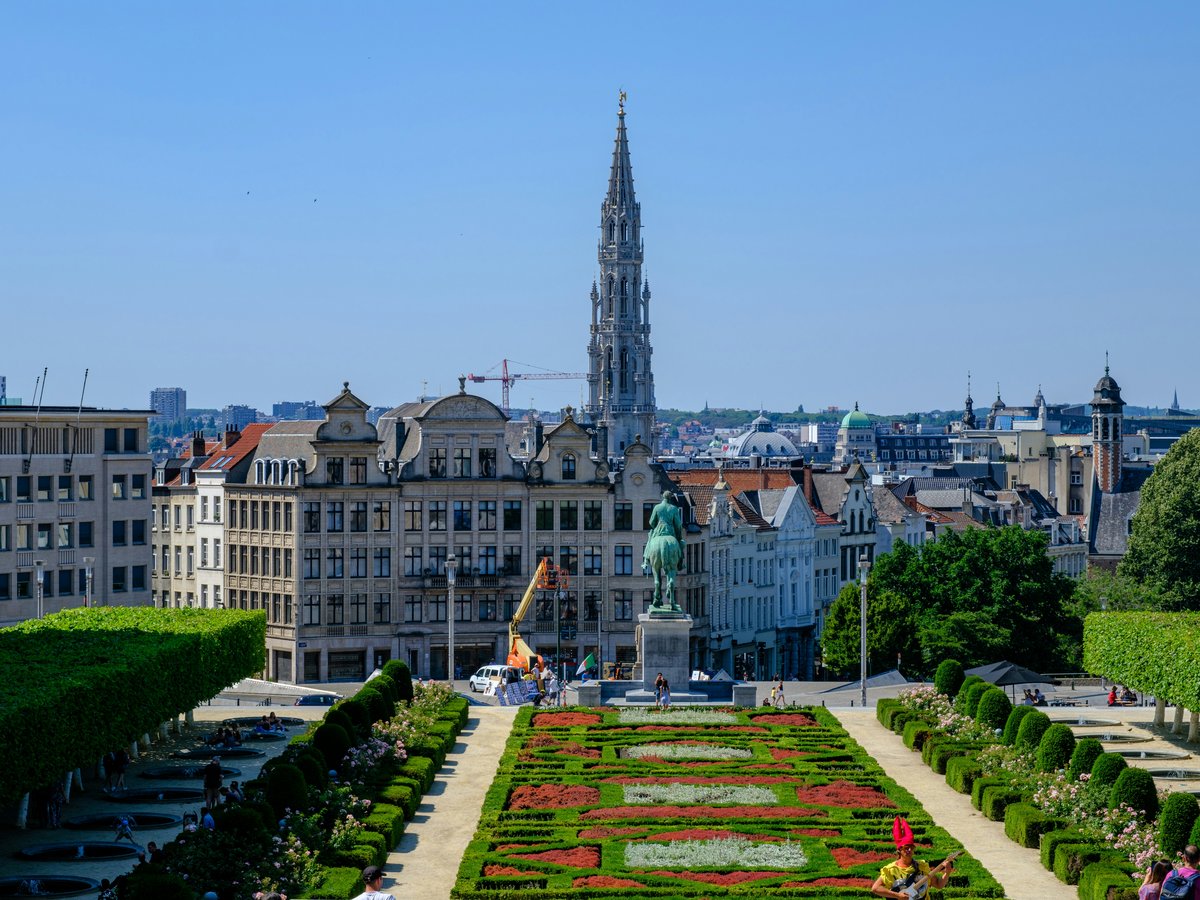
Brussels for first-time visitors
Manneken Pis is a knowingly small bronze fountain the city has built a costume wardrobe and a civic mythology around. The earliest of the picks for first-time visitors in Brussels opens at 09:00 and the latest closes at midnight.
Brussels for first-timers, in numbers
- Picks on this page
- 24 places across 2 lists, led by Manneken Pis, Cathedral of St. Michael and St. Gudula, Royal Palace of Brussels
- Posted hours
- 5 picks post hours earliest 09:00, latest 24:00; 1 open by 09:00, 5 past 21:00
Questions first-timers ask about Brussels
-
Must-see
Grand-Place, the cobblestone square at the center of Brussels' pentagon. The guild halls that line it were rebuilt after Louis XIV's 1695 bombardment and are covered in competitive gold leaf that catches afternoon sun around 4pm. Free, open 24 hours, best before 9am. The Atomium and Royal Museums of Fine Arts rank second and third.
Read the full answer → -
Best time to visit
May, June, and September are the months we'd pick for Brussels. Sunsets come after 21:00, so the terraces on Place Sainte-Catherine stay full into the night, and once EU staff head home for the weekend, hotel rates near Schuman fall noticeably. January and February are worth avoiding: it gets dark before 17:00, and the drizzle around the Grand-Place has a way of not letting up for a whole week.
Read the full answer → -
Airport to city
Take the SNCB train from Brussels Airport (BRU) to Bruxelles-Central. It costs €14.70 including the Diabolo surcharge, takes 17 minutes, and runs every 10 to 15 minutes from roughly 5am to midnight. After midnight, the regulated taxi fare is €45 flat to anywhere in the Brussels-Capital Region's 19 communes.
Read the full answer → -
How to get there
Brussels Airport (BRU), 12 km northeast of the Grand-Place, handles most international flights. Brussels South Charleroi (CRL), 46 km south, serves Ryanair and Wizz Air. From the US East Coast, United and Brussels Airlines fly direct in 8 hours for $650-1,100 round-trip. From London, the Eurostar takes 2 hours from St Pancras.
Read the full answer → -
Getting around
Walk the Pentagon, the old center barely 2 km across, and tap a contactless card on any STIB metro, tram, or bus for the rest. A day pass costs 8 EUR. Four metro lines reach the Atomium, the EU quarter, and every major museum. Bolt beats Uber on price for late-night rides.
Read the full answer →
Curated for first-timers
-
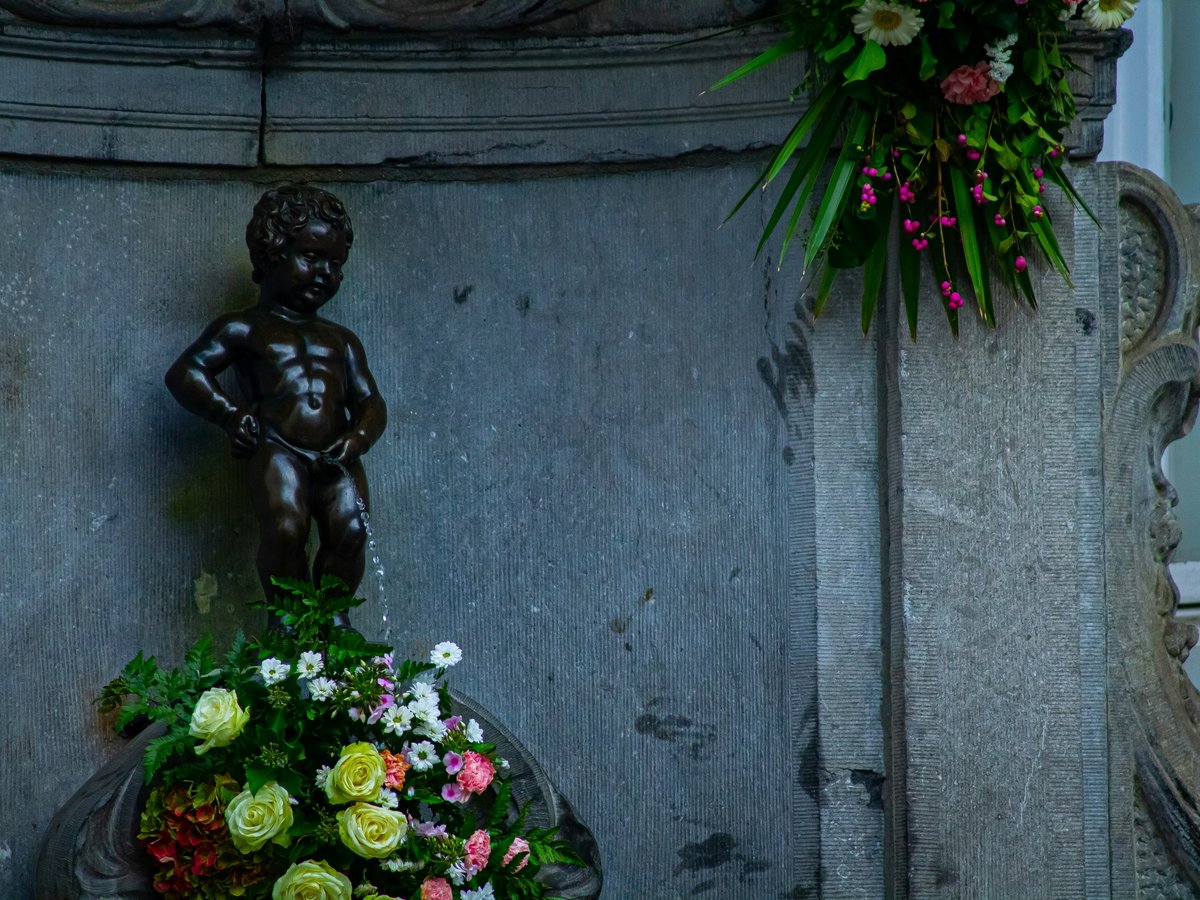
Must-see attractions
Brussels does its sightseeing in stone, bronze and steel, and this list of must-sees follows that grain. It opens with a fountain figure dated to 1619 and a landmark built as the centerpiece of Expo 58. Between those two sits a run of churches, a palace and an opera house, several of them protected monuments. The oldest church on the list dates to 1210, the cathedral to 1226, and most of what follows is ecclesiastical. If that sounds like a lot of naves, keep reading anyway: each church earns its place for a specific reason, whether that is a painter's grave or opening hours that suit a traveller with a tight morning. One entry sits outside the city on purpose, in Mechelen, as part of a UNESCO World Heritage Site, which is reason enough for a half-day. This list is for first-time visitors who want the canonical Brussels without the coach-tour pace, and for return visitors ready to swap the souvenir-shop circuit for buildings that reward an unhurried hour. Check the hours we cite before you set out, because several of these doors close earlier than you would guess.
See the picks → -
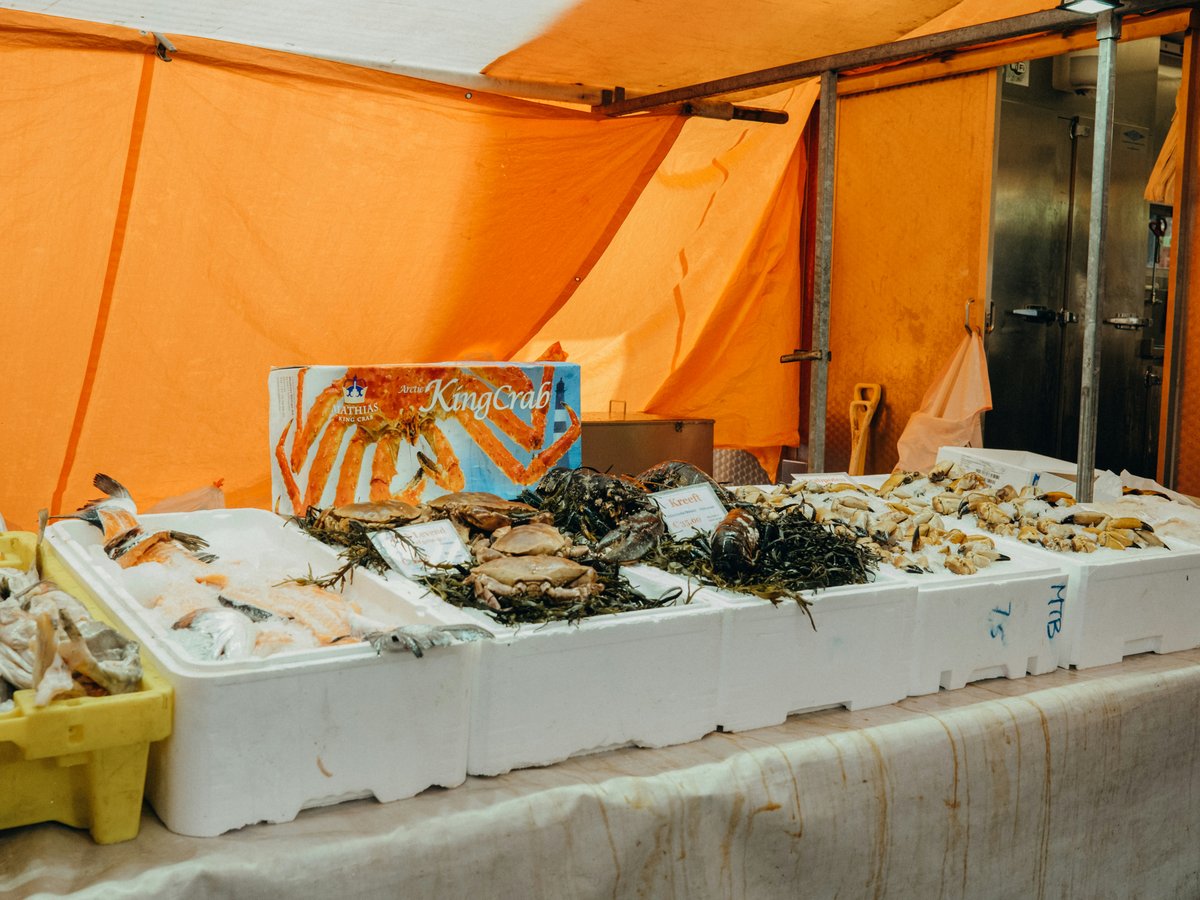
Best restaurants
Brussels eats the way it talks: in two languages, from a dozen countries, and rarely with the pomp its EU-capital reputation suggests. The good tables are not in the tourist arcades off the Grand-Place; they are on the streets that ring it, on Kiekenmarkt and Place Sainte-Catherine and the alleys around the Fourche, where a fish counter, a sushi bar, a rodizio grill and an Ethiopian dining room sit within a five-minute walk of each other. This list is twelve restaurants inside that walking radius, chosen because each one does one cuisine seriously and prices it for people who live here. Some are quick lunches, some are two-service dinner rooms with a Monday off; a few keep going past midnight on the weekend. None of them are here for the branding. Read the hours before you go: this is a city where a kitchen will close between services and mean it, and where a Sunday lunch can be the best meal of your week if you know which door to open.
See the picks →