Stay in Cape Town in September
66 hotels in the Trip.com pool for Cape Town, from US$13 a night.
Opens Trip.com on Fri 25 Sep to Sun 27 Sep 2026; change the dates there.
September in Cape Town is the moment winter loosens its grip. You'll still feel the tail end of the rainy season (expect around 47mm of rainfall spread across roughly seven days) but there's a shift in the air that's hard to miss. Daytime highs climb to about 18°C (64°F), with lows sitting around 10.8°C (51°F), so it's cool but no longer the grey slog of June and July. The real headline, though, is wildflowers. The West Coast north of Cape Town erupts into carpets of orange, purple, and white daisies that draw photographers and nature lovers from all over the world. It's a narrow window, and September tends to be the sweet spot.
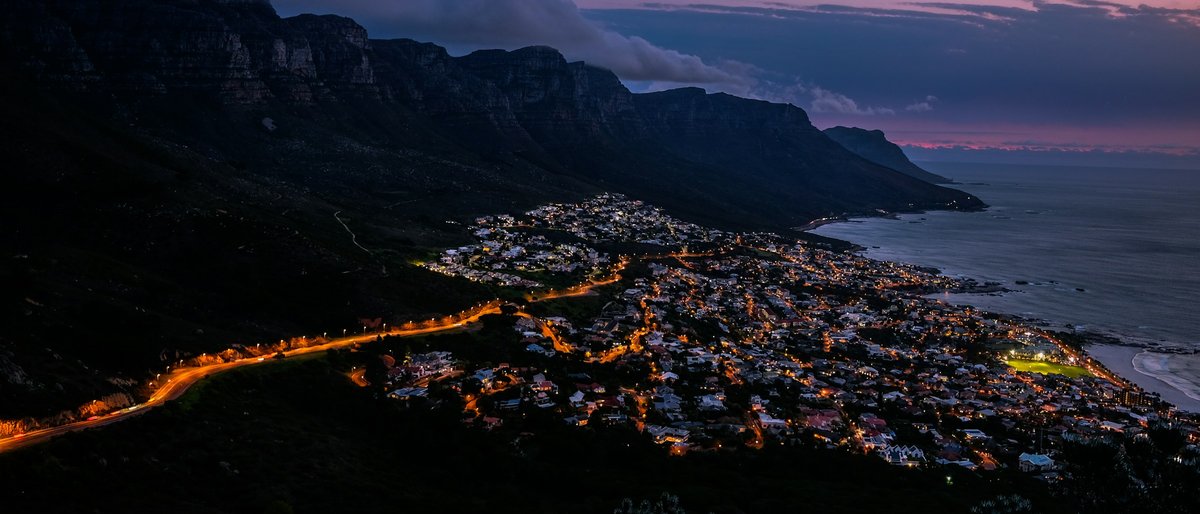
That said, this is still shoulder season. The city hasn't switched into its summer rhythm yet. Some outdoor restaurants keep shorter hours, the ocean is cold (we're talking 12-14°C) and you might get a few days of sideways rain that remind you winter hasn't fully packed its bags. But here's the thing: Table Mountain is often at its most dramatic in September, with cloud formations spilling over the top and afternoon light that photographers chase for hours. Whale season is still going strong in False Bay and Hermanus, with Southern Right Whales breaching close enough to shore that you don't need a boat. Hotel rates sit well below the December madness, and you can get a table at decent restaurants without booking a week ahead.
So is September worth it? If you're coming purely for beach weather and sundowners, probably not yet: wait until November. But if you want wildflowers, whales, moody mountain scenery, and a city that feels like it belongs to the locals rather than the tour groups, September is a rewarding time to be here.
Why visit in September
- West Coast wildflower season typically peaks in September: fields of Namaqualand daisies stretching to the horizon, and it only lasts a few weeks
- Southern Right Whale watching from shore is at its best, along the False Bay coastline and near Hermanus
- Hotel rates run 25-35% below December-January peak pricing, and popular restaurants don't require advance bookings
- Table Mountain and the peninsula trails are less crowded, and the spring light produces the kind of golden-hour photographs that summer haze tends to wash out
- Kirstenbosch and the Cape Floral Kingdom come alive with spring blooms: proteas, ericas, and fynbos species you won't see flowering at other times
Worth knowing
- You'll still get rainy stretches: roughly seven wet days averaging 47mm total, sometimes arriving as multi-day fronts that can limit outdoor plans
- Ocean swimming is essentially off the table unless you have a wetsuit; Atlantic-side water hovers around 10-12°C
- Evenings are properly cool at 10-11°C, so rooftop sundowners and outdoor dining require layers and possibly a willingness to sit near a heater
- Some seasonal tourist operations (boat trips and outdoor adventure activities) run reduced schedules or are weather-dependent with frequent cancellations
Best for
Think twice if
September marks the transition from Cape Town's wet winter to its dry summer, and you can feel it. Days are noticeably longer than August, with the sun warming up to around 18°C (64°F) by midday, though mornings and evenings stay cool at roughly 10.8°C (51°F). Humidity sits around 76%, which you'll notice as a damp chill rather than tropical stickiness. Expect about 47mm of rain across seven or so days: sometimes it comes as a persistent drizzle that hangs around for two days, other times as a sharp front that blows through overnight. The wind picks up too; the famous Cape Doctor southeaster starts making appearances, though it won't reach its full summer force until November. Between the rain spells, you'll get stretches of crisp, clear days with deep blue skies that make the mountain look almost unreal.
Seasonal caution
- The southeaster wind can gust to 60-80 km/h on exposed spots like Signal Hill, Lion's Head, and the Cape Point lighthouse area: check conditions before hiking ridgelines
- UV index on clear September days reaches 6-7 despite mild temperatures; sunburn catches visitors off guard when it doesn't feel hot
Year-round climate
Averages from the last 5 years.
| Month | Avg high (°C) | Avg low (°C) | Rainfall (mm) |
|---|---|---|---|
| Jan | 26 | 17 | 12 |
| Feb | 26 | 17 | 11 |
| Mar | 24 | 16 | 50 |
| Apr | 22 | 14 | 45 |
| May | 19 | 12 | 80 |
| Jun | 18 | 11 | 150 |
| Jul | 16 | 10 | 137 |
| Aug | 17 | 10 | 96 |
| Sep | 18 | 11 | 47 |
| Oct | 22 | 13 | 24 |
| Nov | 23 | 15 | 19 |
| Dec | 24 | 16 | 32 |
Holidays and festivals in September
Public holidays
- Heritage Day(Heritage Day)24 September 2026
Headline events
West Coast Wildflower Season
Mid-August to mid-September, peak usually first two weeks of September
The arid West Coast north of Cape Town transforms into a carpet of orange, white, and purple Namaqualand daisies. The bloom depends on winter rainfall and typically peaks across a two-to-four-week window in September. Postberg section of the West Coast National Park opens specifically for flower season, and the drive from Cape Town up the R27 through Darling and Langebaan is one of South Africa's great spring experiences. Flowers open with the sun, so mornings are best: by late afternoon many close up.
Best things to do in September
Drive the West Coast wildflower route
natureThe R27 from Cape Town through Darling to Langebaan and the West Coast National Park becomes one of the most photogenic drives in southern Africa when the flowers bloom. The Postberg section of the park only opens during flower season. Stop at Darling for farm stalls and!Khwa ttu San Heritage Centre along the way.
The Namaqualand daisy bloom peaks in September after winter rains: this is a two-to-four-week window that doesn't repeat until next yearBooking tipNo booking needed, but arrive at West Coast National Park before 10am on weekends: the entrance gate queue builds quickly during flower season
Shore-based whale watching at False Bay
wildlifeSouthern Right Whales come into the sheltered bays of the Cape coast to calve and nurse between June and November. September is peak activity: you can spot breaching whales from the clifftop walkway between Muizenberg and Kalk Bay, or drive to Hermanus where a dedicated whale crier alerts people with a kelp horn when whales are spotted close to shore.
September sits in central calving season, with cow-calf pairs often visible from shore: whale density and activity levels tend to peak this monthBooking tipShore watching is free and often better than boat trips in September since whales come extremely close to the rocks at Hermanus and De Kelders
Hike Platteklip Gorge up Table Mountain
hikingThe most direct route up Table Mountain: a steep but straightforward climb that takes about two hours. In September the fynbos along the trail starts producing spring blooms, and the mountain is far less crowded than in summer. The air is cooler, which makes the climb more comfortable than doing it in 30°C January heat.
Cooler temperatures make the ascent more pleasant, spring fynbos is flowering along the trail, and you'll share the path with far fewer people than in peak seasonBooking tipCheck the Table Mountain Aerial Cableway schedule: it closes for annual maintenance for about two weeks, typically in late July or August, but sometimes extending into early September
Explore Kirstenbosch spring blooms
natureKirstenbosch National Botanical Garden is at one of its best moments in September. The protea garden starts flowering, the Boomslang tree canopy walkway offers views over spring-green lawns, and the indigenous forest section feels properly lush after winter rains. The famous disa orchids may still be showing late blooms.
Spring bloom kicks off in September with proteas, ericas, and fynbos species flowering: the garden looks notably different from its dry January selfBooking tipWeekday mornings are quietest. The Sunday sunset concerts don't typically start until November, so don't count on those
Wine tasting in Stellenbosch and Franschhoek
food_and_drinkThe Winelands are 45 minutes from Cape Town and September is a sweet spot for visiting. The vines are starting to bud with bright green shoots, the valleys are lush from winter rain, and you won't be competing with summer tour buses for tasting room spots. Most estates have fireplaces going in their tasting rooms, which makes the experience feel more intimate.
Post-winter green landscapes and pre-summer crowd levels make for a more relaxed tasting experience: you'll likely get more personal attention from staffBooking tipBook lunch at estate restaurants a few days ahead for weekends, but walk-in tastings are usually fine midweek
Walk the Bo-Kaap and learn Cape Malay cooking
cultureThe colourful Bo-Kaap neighbourhood on the slopes of Signal Hill is less overwhelmed with tour groups in September. Several families in the area offer home cooking classes where you'll learn to make bobotie, samoosas, and koeksisters in a Cape Malay kitchen. The cobbled streets with their bright-painted houses look striking under moody spring skies.
Fewer tourists means the neighbourhood feels more residential and authentic, and cooking class operators tend to have more availabilityBooking tipBook cooking classes at least a week ahead: they're small groups of 4-8 people and the good ones fill up even in shoulder season
Cycle the Sea Point Promenade to Hout Bay
outdoorThe coastal road from Sea Point through Clifton and Camps Bay to Hout Bay is one of the world's great urban cycling routes. September mornings often bring still, clear conditions before the southeaster picks up, and the road is noticeably quieter than in tourist season. You'll pass through Chapman's Peak Drive if it's open: one of the most dramatic coastal roads anywhere.
Calmer morning winds than summer, lighter traffic, and temperatures around 16-18°C that are comfortable for sustained ridingBooking tipSeveral rental shops in Sea Point offer half-day bike hire: electric bikes are worth the extra cost for the hills along Chapman's Peak
What to eat in September
In season: fruit
Naartjies
South African mandarins that come into season from late August through October. Sweet, easy to peel, and sold in bags at every corner shop and farm stall. The smell of naartjie peel is a childhood scent for most Capetonians: you'll see kids eating them everywhere.
On menus now
Waterblommetjiebredie
A slow-cooked lamb stew made with water lilies (waterblommetjies) harvested from Western Cape dams. It's a dish that only really appears in late winter and early spring when the water lilies flower. Rich, hearty, and unlike anything you'll find elsewhere: the lily buds add a slightly tangy, artichoke-like quality to the lamb.
Snoek
September is still prime snoek season along the Cape coast. This firm, oily fish gets smoked over oak chips on the Cape Flats, grilled whole with apricot jam (a Cape Malay tradition), or turned into smoorsnoek with tomato and onion. Look for it at Hout Bay harbour or Kalk Bay.
Street food peaks
Koeksisters
These braided, deep-fried dough twists dipped in cold sugar syrup are a South African staple, but the Cape Malay version (spiced with cinnamon, cardamom, and ginger, then rolled in coconut) is specific to Cape Town. Saturday morning markets in the Bo-Kaap and Athlone sell them fresh and warm.
What to drink
Rooibos cappuccino
Not strictly seasonal, but the cooler September mornings make a rooibos cappuccino (espresso-style brewed rooibos with steamed milk) feel right. Most Cape Town cafes offer it, and it's caffeine-free. The earthy, slightly sweet flavour is a Western Cape signature.
Regular events in September
Heritage DayFree
September 24 is a national public holiday celebrating South Africa's cultural variety. In Cape Town, it's widely known as National Braai Day: Capetonians fire up grills across the city, from Camps Bay beach to township backyards. Some restaurants run special braai menus. Expect most shops and businesses to close.
September 24Open Book Festival
Cape Town's literary festival brings together South African and international authors for readings, panel discussions, and book launches. Events are held across various venues in the City Bowl, with the main programme at the Fugard Theatre area. It tends to draw a thoughtful local crowd rather than tourists.
Early to mid-SeptemberDarling Wildflower Show
The small town of Darling, about an hour north of Cape Town, hosts one of the oldest wildflower shows in South Africa. Local farmers and botanists display specimens and there are farm stalls, tractor rides, and a slightly old-fashioned country fair atmosphere that's charming.
Mid-September weekendCape Town Cycle Tour training ridesFree
The build-up to the Cape Town Cycle Tour (held in March) means organised group training rides start appearing on weekends. Even if you're not entering the race, joining a social group ride is a good way to see the peninsula and meet local cyclists. Routes often follow the main race course along Chapman's Peak.
Weekends throughout SeptemberBest places this September
West Coast National Park: Postberg Section
nature reserveOnly open during wildflower season (roughly August-September), this section of the park features rolling fields of white, yellow, and orange daisies against the blue of Langebaan Lagoon. The combination of flowers, lagoon, and empty white-sand beaches is striking. Pack a picnic: there are braai spots inside the park.
Langebaan (90 min from Cape Town)Kalk Bay
neighbourhoodThis fishing village on the False Bay coast feels like a different world from the City Bowl. In September, you can watch whales from the harbour wall while fishermen sell their morning catch off the boats. The main road has excellent bookshops, antique dealers, and the Olympia Cafe: a local institution that's been serving proper breakfasts for decades. The tide pools at Dalebrook are worth exploring at low tide.
False Bay coastKirstenbosch National Botanical Garden
gardenThe spring blooms are reason enough, but the garden also offers the Boomslang canopy walkway, well-marked trails into the Table Mountain forest, and a sculpture garden. The Fragrance Garden section is designed for touch and smell: rewarding when the spring flowers are producing scent.
NewlandsBo-Kaap
neighbourhoodThe brightly painted houses stacked on the slopes of Signal Hill are one of Cape Town's most photographed spots, but in September the streets are noticeably less packed with selfie-takers. Pop into the Bo-Kaap Museum for context on Cape Malay history, and walk up Wale Street for the best vantage points.
City BowlBoulders Beach penguin colony
wildlifeThe African Penguin colony at Boulders is worth visiting year-round, but September coincides with the start of breeding season. You'll see pairs establishing nests and the boardwalk is far less congested than in summer. The light in the late afternoon gives the granite boulders a warm glow that's photogenic.
Simon's TownConstantia wine valley
wine estateCape Town's oldest wine-producing area is a 20-minute drive from the city centre. In September the vineyards are vivid green from winter rain, and the estates (Groot Constantia, Buitenverwachting, Steenberg) are operating without summer crowds. Several have excellent restaurants with seasonal menus that lean into hearty winter-to-spring dishes.
ConstantiaLion's Head sunrise hike
hikingThe spiral path up Lion's Head takes about an hour and delivers a 360-degree view over the Atlantic seaboard, Table Mountain, and the City Bowl. September sunrises are around 6:30am; early enough to feel like an achievement, late enough that you don't need a 4am alarm. The chains section near the top adds a mild scramble that wakes you up properly.
Signal Hill
Your packing checklist
Tick items off as you pack. Your progress saves in this browser.
All packed — have a great trip.
Insider tips
The wildflower bloom is weather-dependent and shifts by a week or two each year. Before driving to the West Coast, check the SANParks flower hotline or recent posts tagged with WestCoastWildflowers on social media: locals track the bloom in real time and you'll know exactly which sections are peaking.
Kalk Bay harbour has a small fish market where boats sell their catch directly on the quayside. Get there before 10am on weekday mornings for the best selection. Snoek goes fast. The fish and chips at Kalky's at the harbour is reliably good and about half the price of similar quality in the Waterfront.
Heritage Day on September 24 shuts down most commercial activity, but it's one of the best days to experience how Capetonians live. If you're staying in an Airbnb or guesthouse, ask your host where the local braai is happening: many communities do communal fires and you'll likely be invited.
The Table Mountain cableway occasionally extends its annual maintenance shutdown into early September. Check the official site before planning your visit around it: the hike up is the alternative, but it's a different kind of day than a quick cable car ride.
For wildflower photography, arrive at the West Coast National Park Postberg gate by 8:30am. The flowers open with the sun and face north, so morning light is front-lit and ideal. By 2pm on overcast days, many daisies start closing.
Avoid these mistakes
- Assuming September is warm enough for beach days: visitors pack for summer and end up shivering on Camps Bay beach in 18°C wind. The sand might look inviting, but the southeaster makes it feel ten degrees cooler than the thermometer suggests.
- Driving to the West Coast for wildflowers without checking bloom reports first. The flowers shift timing each year based on rainfall, and you might arrive to find the peak was last week or hasn't started yet. A quick check saves a disappointing three-hour round trip.
- Booking only Waterfront-area restaurants and missing the southern suburbs entirely. Woodstock, Observatory, and the Constantia wine valley have some of Cape Town's best food, and in September you can walk into places that are fully booked through summer.
- Skipping the False Bay side of the peninsula. Most first-time visitors stay in the City Bowl or Atlantic Seaboard, but in September the whale watching, Kalk Bay's charm, and Simon's Town's penguin colony are on the False Bay coast: it's a different world and worth at least a full day.
Practical tips for September
Book a rental car if you plan to see the West Coast wildflowers or the False Bay coast: public transport doesn't reach the best spots. International driving permits are technically required but South African rental agencies typically accept foreign licences from English-speaking countries. Book the car in advance online rather than at the airport counter: September rates are reasonable but airport walk-up prices carry a premium. Most restaurants don't require reservations in September, but book a day or two ahead for Friday and Saturday dinners at popular spots in the Bree Street corridor or Woodstock. Tipping is customary at 10-15% in restaurants, and car guards (informal parking attendants you'll see in most public areas) expect R5-10. September daylight runs roughly 6:30am to 6:15pm, giving you solid daylight hours for activities. Load shedding (scheduled power outages) may still be a factor: check the Eskom schedule app and confirm your accommodation has backup power or a generator if this matters to you. Uber and Bolt work well in Cape Town and are the easiest way to get around the City Bowl and Atlantic Seaboard at night.
FAQ
Is September a good time to visit Cape Town?
September is a solid shoulder-season choice. You won't get beach weather (highs sit around 18°C (64°F) and the ocean is cold) but you will get the West Coast wildflower bloom, excellent whale watching, spring blooms in Kirstenbosch, and prices well below the December-February peak. It's a good month for nature lovers and photographers, less good for sun-seekers.
What is the weather like in Cape Town in September?
Expect average highs around 18°C (64°F) and lows near 10.8°C (51°F). You'll get about 47mm of rainfall across seven or so rainy days, with humidity around 76%. Days are a mix: some lovely and clear, others grey and drizzly. The southeaster wind starts picking up but hasn't reached its full summer force. Layers and a waterproof jacket are the way to go.
Can you swim at Cape Town beaches in September?
Technically yes, practically not for most people. The Atlantic side (Camps Bay, Clifton) has water temperatures around 10-12°C year-round. The False Bay side (Muizenberg, Fish Hoek) is a few degrees warmer but still bracing at 14-15°C in September. You'll see a handful of dedicated cold-water swimmers, but casual beach swimming isn't really on the cards until November or December.
Is Cape Town crowded in September?
Not. September sits in the shoulder season between the quiet winter months and the busy November-to-March peak. You'll share attractions with other visitors, but queues are short, restaurants have open tables, and popular hiking trails feel pleasantly uncrowded. The one exception is the West Coast wildflower route on weekends, where day-trippers from Cape Town can create traffic.
Are the Table Mountain cable cars running in September?
Usually yes, but with a caveat. The cableway shuts down annually for maintenance, typically in late July or August, but the closure sometimes extends into early September. Check the official Table Mountain Aerial Cableway website before your trip. Wind closures are also more common in September as the southeaster picks up: the cableway suspends operations in high winds, so have a backup plan for that day.
Things to Do in Cape Town in September
 Free cancellation
 Wine Tour: Paarl, Franschhoek & Stellenbosch incl 3 wineries
Day trip: 8 hours, free cancellation.
via Viator Free cancellation
 Cape Point and Boulder's Penguins Full Day Tour
Day trip: 8 hours, free cancellation.
via Viator Free cancellation
 Cape of Good Hope and Boulders Penguins Day Tour from Cape Town
Day trip: free cancellation.
via Viator Free cancellation
 Table Mountain, Penguins & Cape Point Group Tour from Cape Town
Day trip: 10 hours, free cancellation.
via Viator Free cancellation
 Cape Town Hop-On Hop-Off City Tour with Optional Cruise
City tour: free cancellation.
via Viator Free cancellation
 Cape Town: Lion's Head Sunrise/Sunset Hike
Outdoor experience: 3.5 hours, free cancellation.
via ViatorFind a flight to Cape Town
Live fares to Cape Town appear here once cookies are accepted.
Last verified by automated review (v1.7.1) on . What is automated review?