Stay in Cape Town in August
66 hotels in the Trip.com pool for Cape Town, from US$13 a night.
Opens Trip.com on Fri 6 Aug to Sun 8 Aug 2027; change the dates there.
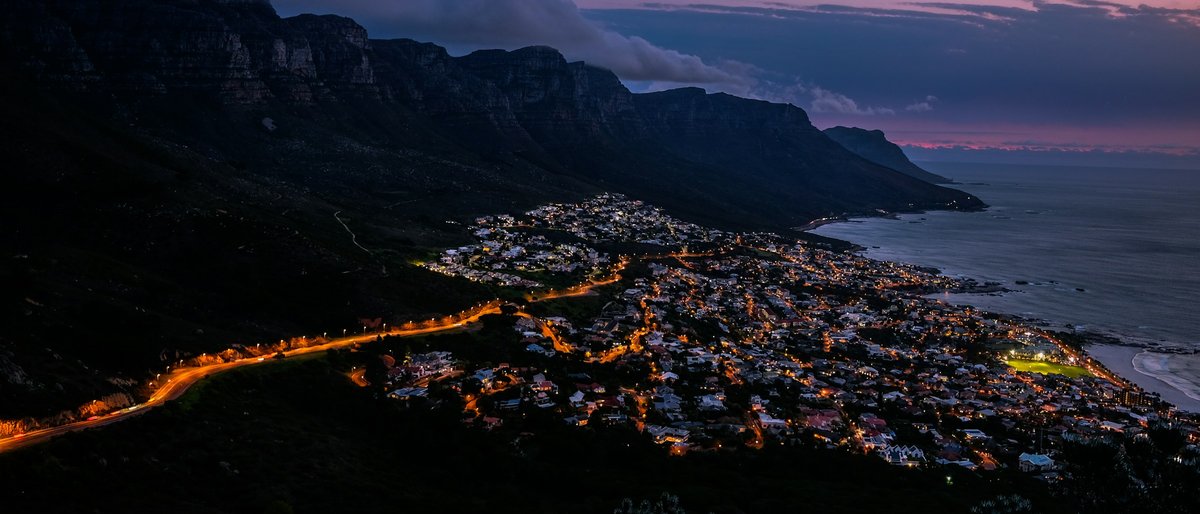
August in Cape Town is winter, full stop. If you're coming from the Northern Hemisphere expecting a summer escape, recalibrate now: daytime highs sit around 16.5°C (62°F) and nights drop to about 9.7°C (49°F). It rains. Not every day, but enough that you'll want a proper jacket and a plan B for outdoor activities. The city gets roughly 96mm of rain across 11 days, and the grey skies can settle in for stretches that test your patience. That said, August has a quiet appeal that the December crowds will never know. Southern right whales are calving along the coastline from Hermanus to False Bay, the West Coast wildflowers are just starting to pop, and you can walk into restaurants in Kloof Street or Bree Street without a reservation. Hotel rates drop noticeably. The light, when it breaks through, has this low winter quality that photographers tend to love: soft and golden even at midday. To be fair, this is not the month that sells Cape Town on postcards. Table Mountain spends half its time wrapped in cloud. The Atlantic Seaboard beaches are purely decorative at these temperatures. But if you're the kind of traveler who prefers a city at its most honest (locals going about their lives, no tourist markup, fewer crowds at every turn) August has a genuine charm that the peak months can't match. Just bring layers.
Why visit in August
- Southern right whales are calving in Walker Bay and False Bay: this is peak whale watching season, with sightings almost guaranteed from shore at Hermanus
- Hotel and guesthouse rates drop 30-50% from December-January peaks, and you can often negotiate further for multi-night stays
- West Coast wildflowers begin their annual bloom toward late August, around the West Coast National Park and Darling
- Restaurants, wine estates, and attractions have minimal wait times: you'll get the full attention of staff and sommeliers in Stellenbosch and Franschhoek
- The winter light produces soft, low-angle conditions that are better for landscape photography than the harsh summer sun
Worth knowing
- Rain is a real factor: expect roughly 11 wet days, sometimes with cold fronts that bring sustained downpour and strong northwesterly winds for two or three days straight
- Table Mountain cableway closes frequently due to high winds, so you might need to keep several days flexible if that's a priority
- Ocean temperatures hover around 12-14°C (54-57°F), which rules out swimming at all but the bravest or most wetsuited
- Shorter daylight hours (sunrise around 7:15am, sunset by 6pm) compress your sightseeing window compared to summer
Best for
Think twice if
Mid-winter conditions with cool days, cold nights, and regular rainfall. Cape Town's Mediterranean climate means winter is the wet season. Expect stretches of grey, overcast skies punctuated by crisp, clear days that remind you why people love this city. Northwesterly cold fronts roll through every few days, bringing rain and sometimes fierce wind. When the sun does break through, it's pleasant: the kind of winter day where a sheltered spot in the sun feels almost warm. Mornings tend to be the coldest, and the humidity at 79% can make 10°C feel more penetrating than you'd expect.
Seasonal caution
- Strong northwesterly winds accompany cold fronts and can reach gale force, along the Atlantic Seaboard and at elevation on Table Mountain: the cableway closes regularly in these conditions
- Seas can be rough during winter storms, making boat-based whale watching trips subject to cancellation: shore-based watching from Hermanus cliffs is the more reliable option
Year-round climate
Averages from the last 5 years.
| Month | Avg high (°C) | Avg low (°C) | Rainfall (mm) |
|---|---|---|---|
| Jan | 26 | 17 | 12 |
| Feb | 26 | 17 | 11 |
| Mar | 24 | 16 | 50 |
| Apr | 22 | 14 | 45 |
| May | 19 | 12 | 80 |
| Jun | 18 | 11 | 150 |
| Jul | 16 | 10 | 137 |
| Aug | 17 | 10 | 96 |
| Sep | 18 | 11 | 47 |
| Oct | 22 | 13 | 24 |
| Nov | 23 | 15 | 19 |
| Dec | 24 | 16 | 32 |
Holidays and festivals in August
Public holidays
- National Women's Day(National Women's Day)9 August 2027
Best things to do in August
Shore-based whale watching at Hermanus
wildlifeSouthern right whales migrate to the sheltered waters of Walker Bay to calve, and Hermanus (about 90 minutes from Cape Town) is one of the best land-based whale watching spots on earth. You can sit on the cliff path above the old harbour and watch mothers with calves just 50-100 meters offshore. The town even has a whale crier who walks the streets announcing sightings.
August marks the start of peak calving season. Whales are close to shore nursing newborns, and August sees fewer visitors than the September-October peak, so the cliff paths are quieter.Booking tipNo booking needed for shore-based watching, just drive to Hermanus. If you want a boat trip, check sea conditions the morning of and book the day before through licensed operators.
Winelands fireside tastings
food_and_drinkThe Stellenbosch and Franschhoek valleys take on a completely different character in winter. Vineyards are bare and moody, the mountains behind them often dusted with snow on the higher peaks, and the estates shift to fireside tastings with winter-only wine-and-food pairings. The pace is slower, the staff more attentive, and you might be the only people in the tasting room.
Winter is the quiet season for wine estates, no tour bus crowds, special winter menus, and the cozy fireplace atmosphere that summer visitors never experience.Booking tipMost estates don't require booking in August, but a quick call the morning of is courteous, for food pairings.
West Coast wildflower drives
natureThe annual wildflower bloom of Namaqualand and the West Coast is one of South Africa's great natural spectacles. Fields of orange, white, and purple daisies carpet the landscape. The closest displays to Cape Town are at the West Coast National Park's Postberg section, which opens specifically for flower season.
Late August marks the beginning of the bloom, with Postberg typically opening in the last two weeks of August. You're catching the early flowers before the September crowds arrive.Booking tipCheck the SANParks website or call the West Coast National Park gate to confirm Postberg is open: timing depends on rainfall and can shift by a week or two.
Visit the Zeitz MOCAA and V&A Waterfront museums
cultureThe Zeitz Museum of Contemporary Art Africa, housed in the converted grain silos at the V&A Waterfront, is a rainy-day destination that could fill half a day easily. The architecture alone (with its carved-out concrete tubes) is worth seeing. Pair it with the Watershed craft market next door.
Rainy winter days make indoor cultural attractions more appealing, and August's low tourist numbers mean you can take your time without crowds blocking sightlines or queuing for entry.Booking tipWednesday afternoons are free for South African citizens, which can make it busier: go on a weekday morning for the quietest experience.
Kalk Bay harbour and main road browsing
neighborhoodThe fishing village of Kalk Bay, on the False Bay side, is a string of bookshops, antique dealers, cafes, and art galleries packed into a few blocks along the main road. The harbour still operates as a working fishing port: when the boats come in, you can buy fish straight off the deck. Olympia Cafe is the neighbourhood institution.
Winter storms send dramatic swells crashing against the harbour wall, which is spectacular to watch from the safety of a coffee shop window. The False Bay side is also slightly warmer and more sheltered than the Atlantic coast.Hike Silvermine Nature Reserve on a clear day
outdoorWhen a clear day breaks through the winter pattern, the fynbos on the Silvermine trails is green and lush from the rains. The reservoir walk is moderate and the views across False Bay toward the Hottentots Holland mountains are expansive. You'll likely have the trail mostly to yourself.
Winter rains green up the fynbos, streams are flowing, and the cooler temperatures make hiking far more comfortable than the scorching summer months. Just pick a clear-sky day.Booking tipCheck the SANParks weather closure updates: Silvermine closes during high fire risk (less likely in winter) and during severe storms.
Cape Malay cooking class in the Bo-Kaap
food_and_drinkThe Bo-Kaap neighbourhood, with its brightly painted houses on the slopes of Signal Hill, is the heart of Cape Malay culture. Several home-based cooking classes teach you to make traditional dishes like bobotie, samoosas, and koeksisters. It's an intimate, indoor activity that suits a rainy winter day well.
Cold, wet weather makes a warm kitchen full of spice aromas the ideal setting. Winter also means fewer bookings, so classes tend to be smaller and more personal.Booking tipBook at least a week ahead: the best-known home cooks run small operations and fill up even in winter.
What to eat in August
In season: fruit
Citrus at peak
August is the tail end of citrus season in the Western Cape. Naartjies (mandarins), grapefruit, and navel oranges are cheap and excellent at farm stalls along the N1 and at the Oranjezicht City Farm Market.
On menus now
Waterblommetjiebredie
A slow-cooked lamb stew made with waterblommetjies (Cape pondweed flowers) that only appear in winter when the vleis flood. This is as seasonal as South African food gets: you simply cannot eat it in summer. Look for it at traditional Cape Malay restaurants and farm-style eateries around the Winelands.
Cape Malay bobotie
While available year-round, bobotie (a spiced minced meat bake with an egg custard top) hits differently on a cold August evening. The Bo-Kaap neighborhood restaurants serve some of the most authentic versions, and the warming spices feel purpose-built for winter.
Snoek braai
Snoek, a firm-fleshed fish related to barracuda, runs along the Cape coast through winter. August is still solidly in season. You'll find it smoked, braaied (grilled) over open coals, or served as smoorsnoek (flaked with onion and tomato). The harbourside fish shops in Kalk Bay are the spot.
What to drink
Glühwein and warm drinks at wine estates
Several Stellenbosch and Franschhoek estates serve mulled wine, hot chocolate, and warm cider during winter months. Delaire Graff and Boschendal both do good winter drink menus alongside fireside tastings.
Regular events in August
Cape Town International Jazz Festival (sometimes late March, but check dates)
Africa's largest jazz festival occasionally falls in late August depending on the year, though it has historically been held in late March. Worth checking the specific year's schedule as dates have shifted.
Varies: check annual scheduleGood Food & Wine Show Cape Town
A multi-day food and wine expo at the Cape Town International Convention Centre, typically held in late August or early September. Local and national wine estates, craft breweries, and food producers offer tastings and demos.
Late August or early SeptemberObs Street Carnival preparationsFree
The Observatory neighbourhood hosts its annual street carnival typically in late winter or early spring. Even before the main event, the creative community around Lower Main Road buzzes with pop-up art shows and live music at local venues.
Late August to SeptemberWinter wine route events
Several Stellenbosch and Franschhoek estates run winter-only events through August: candlelit dinners, wine blending workshops, and cellar tours that are not offered during the busy summer months.
Throughout AugustBest places this August
Hermanus cliff path
natureA 12km walking path along the cliffs above Walker Bay. In August, southern right whales are often visible directly below, breaching and nursing calves. The path runs from New Harbour to Grotto Beach, with benches at the best viewing spots.
HermanusBo-Kaap
neighborhoodThe cobblestoned streets lined with painted houses in sherbet colours look striking against grey winter skies. Quieter in August than in tourist season, which means you can photograph the streets without dodging tour groups every thirty seconds.
Bo-KaapKirstenbosch National Botanical Garden
natureThe winter gardens have their own appeal: proteas and ericas are in bloom, the lawns are impossibly green, and the tree canopy walkway (Boomslang) offers misty mountain views on overcast days. The conservatory is a warm refuge when rain sets in.
NewlandsOranjezicht City Farm Market
marketHeld every Saturday and Sunday morning at Granger Bay near the V&A Waterfront. In winter, the stalls lean toward warming soups, fresh bread, and hot coffee alongside the usual produce. Less crowded than summer weekends, which means you can browse without being shoulder-to-shoulder.
V&A WaterfrontConstantia wine valley
wineThe oldest wine-producing region in South Africa, just 20 minutes from the city centre. Groot Constantia, Buitenverwachting, and Steenberg all do winter tastings with fireplaces and reduced crowds. The valley feels secretive and lush in winter.
ConstantiaMuizenberg beach and surfer's corner
beachEven in winter, Muizenberg's gentle break attracts surfers in wetsuits. The colourful beach huts make for reliable photos regardless of season. Warm up afterward with coffee at one of the cafes along the strip. The False Bay water is a few degrees warmer than the Atlantic side, though still cold.
MuizenbergWoodstock and The Old Biscuit Mill
neighborhoodThe Neighbourgoods Market at the Old Biscuit Mill runs on Saturday mornings year-round. In August, it is more manageable than the summer chaos. The surrounding streets have street art, design studios, and craft breweries worth exploring on foot.
Woodstock
Your packing checklist
Tick items off as you pack. Your progress saves in this browser.
All packed — have a great trip.
Insider tips
The False Bay side of the peninsula (Kalk Bay, Muizenberg, Simon's Town) is generally warmer and more sheltered from the northwesterly rain than the Atlantic Seaboard side. If you're choosing where to base yourself, False Bay gives you more usable outdoor hours in winter.
Table Mountain cableway closures follow a pattern: the wind typically picks up in the afternoon. Your best odds for a clear, calm ascent are first thing in the morning on a day when the forecast shows winds under 35km/h. Check the cableway's live webcam before driving up.
Snoek is cheapest and freshest when bought directly from returning fishing boats at Kalk Bay harbour. The fishermen come in around mid-morning: if you see a crowd gathering at the harbour wall, that's your cue. Ask for it cleaned and ready to braai.
Many wine estates in Stellenbosch and Franschhoek offer winter two-for-one tasting specials that they don't advertise widely, just ask at the tasting counter. true at smaller, family-run estates off the main tourist routes.
The Neighbourgoods Market at Old Biscuit Mill in Woodstock is walk-in easy in August. During summer you'd queue 30 minutes to get in. In winter, arrive at 9:30am and you'll browse in peace with hot coffee in hand.
Avoid these mistakes
- Assuming Table Mountain will be accessible on your only free day: winter weather closes the cableway frequently, sometimes for days at a stretch. Keep at least two or three potential days open in your itinerary for a summit attempt.
- Packing only for cold weather and getting caught out by a sunny day with real UV: Cape Town's latitude means the sun has bite even in August. People burn because they assumed winter meant no sunscreen.
- Booking a False Bay boat trip for whale watching without checking the swell forecast: winter storms can make seas too rough for small boats. Shore-based watching from the Hermanus cliffs is more reliable and, honestly, often closer to the whales than a boat gets.
- Driving the Chapman's Peak scenic drive without checking road status: the route closes during heavy rain due to rockfall risk. Check the toll road's status page before building it into a day plan.
Practical tips for August
Book your Table Mountain cableway visit for a clear morning and keep your schedule flexible enough to reshuffle if weather closes it. Most attractions maintain regular hours in August, but some seasonal businesses along the Garden Route and West Coast close or reduce hours: confirm before driving out. Car rental is the most practical way to reach Hermanus, the Winelands, and the West Coast flowers; public transport covers the city well but not the day-trip destinations. Dress in layers you can shed: Cape Town winters swing from cold and wet to sunny and mild within the same day. Restaurant reservations are rarely needed in August except at a handful of top-end spots in the Winelands. Tipping convention is 10-15% at restaurants and for tour guides. Load shedding (scheduled power cuts) still affects South Africa intermittently: download the EskomSePush app to check the schedule, and confirm that your accommodation has backup power or inverters if it matters to you.
FAQ
Is August a good time to visit Cape Town?
It depends what you're after. August is mid-winter: cool, rainy, and grey on many days. It's not the month for beach holidays or guaranteed sunny hiking. But it's good for whale watching (peak season begins), wine tasting in front of fireplaces with no crowds, and getting 30-50% off accommodation. If you're flexible with weather and drawn to a quieter, more local version of the city, August works well. If you need sunshine and warmth, wait until November or December.
What is the weather like in Cape Town in August?
Cool and wet. Average highs around 16.5°C (62°F), lows around 9.7°C (49°F), with about 96mm of rain across 11 days. Humidity sits at 79%. Cold fronts roll through every few days bringing rain and wind, interspersed with crisp clear days. It's not freezing, but the damp cold and wind chill can feel penetrating. Dress in warm layers with a proper rain jacket.
Can you swim at Cape Town beaches in August?
Technically yes, practically no: unless you have a good wetsuit and a fondness for 12-14°C (54-57°F) water. The surfers at Muizenberg do it daily in full wetsuits. For everyone else, the beaches are for walking, photographing, and watching dramatic winter swells crash in. The indoor pools at some hotels and the Long Street Baths offer warmer alternatives.
Is it whale season in Cape Town in August?
Yes, August marks the beginning of peak whale watching season. Southern right whales migrate to the sheltered bays along the Cape coast to calve, and they're visible from shore: at Hermanus, about 90 minutes from the city. You can also spot them from False Bay coastal paths. The season runs August through November, with August and September generally considered the best months for close shore sightings.
How crowded is Cape Town in August?
Not very. August is deep low season for tourism. You'll share the city mainly with locals and a smaller number of international visitors, many of them drawn specifically by whale season. This translates to easy restaurant reservations, empty wine estates, shorter queues at attractions, and meaningfully lower prices. The flip side is that a few seasonal businesses may be closed.
Things to Do in Cape Town in August
 Free cancellation
 Cape of Good Hope and Boulders Penguins Day Tour from Cape Town
Day trip: free cancellation.
via Viator Free cancellation
 Table Mountain, Penguins & Cape Point Group Tour from Cape Town
Day trip: 10 hours, free cancellation.
via Viator Free cancellation
 Cape Town: Lion's Head Sunrise/Sunset Hike
Outdoor experience: 3.5 hours, free cancellation.
via Viator Free cancellation
 5-Star Small-Group: Cape of Good Hope, Penguins & Bo-Kaap Tour
Day trip: 10 hours, free cancellation.
via Viator Free cancellation
 #1 Boulders Penguins & Cape Point Full Day Tour with Pickup
Day trip: 9 hours, free cancellation.
via Viator Free cancellation
 Cape Town Wine Tour: Stellenbosch & Franschhoek +Tastings & Lunch
Day trip: 8.5 hours, free cancellation.
via ViatorFind a flight to Cape Town
Live fares to Cape Town appear here once cookies are accepted.
Last verified by automated review (v1.7.1) on . What is automated review?