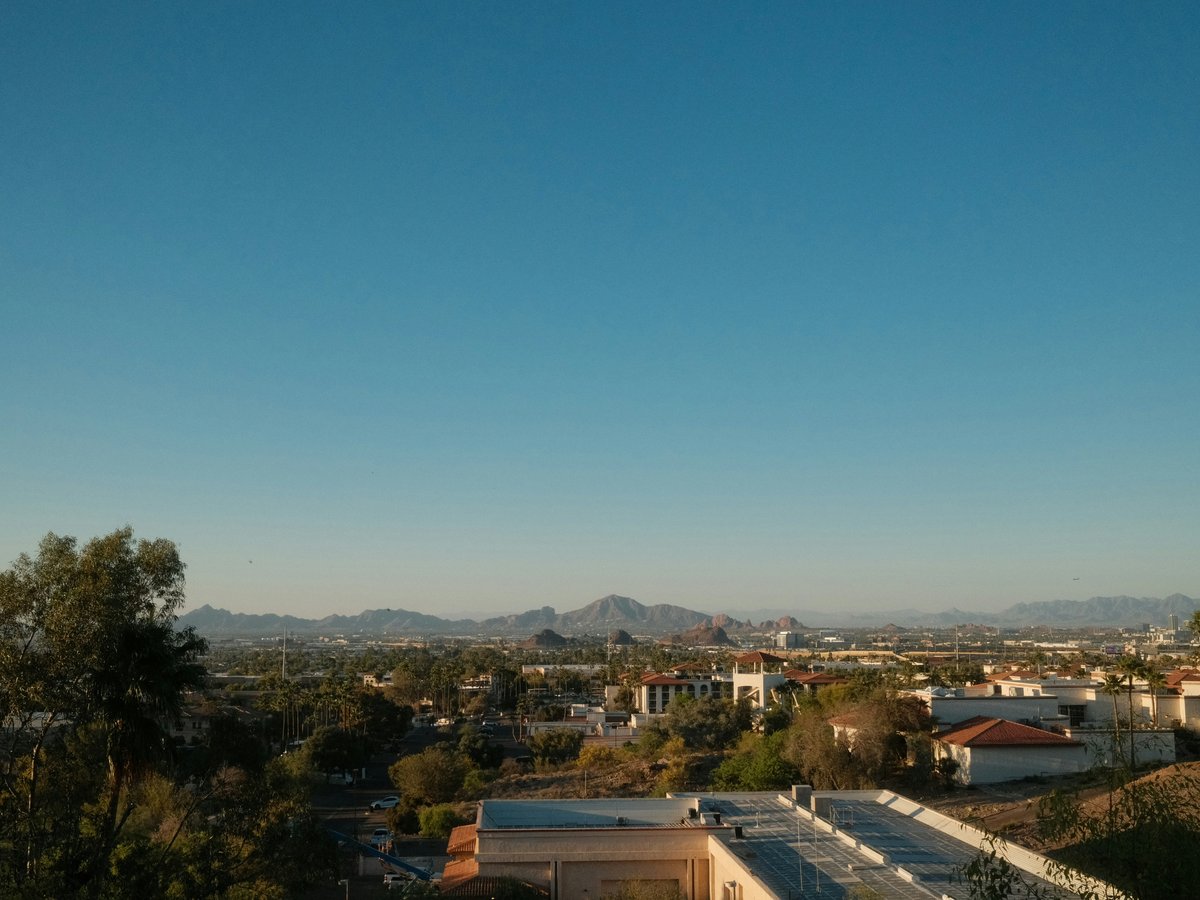
Phoenix tends to surprise people on the shopping front. The city sits in the Sonoran Desert, and that geography shapes what you'll find on shelves. Native American jewelry, Southwestern pottery, leather goods tanned in the Arizona sun, prickly pear everything. The metro area stretches across the Valley of the Sun, with Scottsdale pulling the luxury crowd north while South Phoenix and Mesa keep things grounded and affordable. You might notice how spread out the retail landscape feels. There's no single downtown shopping core the way you'd find in Chicago or San Francisco. Instead, Phoenix shopping lives in distinct pockets separated by 15 or 20 minutes of freeway. The trade-off is free parking nearly everywhere and enough variety to fill a week if you let it. Vintage shops have been multiplying along Grand Avenue since the mid-2010s, and the farmers market scene has grown steadily, with the Open Air Market at Phoenix Public Market drawing weekend crowds year-round. From turquoise-set silver rings crafted on tribal land to date shakes made from Medjool palms grown in the Gila River valley, the local goods here feel rooted in a specific place. That specificity is what makes Phoenix shopping worth your time.
Shopping districts
-
Scottsdale Fashion Square and Old Town Scottsdale
luxury to high-midScottsdale Fashion Square is the big one, with roughly 2 million square feet of retail anchored by Nordstrom, Neiman Marcus, and a Dillard's. The luxury wing added Gucci, Saint Laurent, and Bulgari in recent years. Step outside and walk a few blocks into Old Town Scottsdale and the vibe shifts. You'll find over 100 art galleries concentrated along Main Street and Marshall Way, many specializing in Southwestern and Native American work. The Western storefronts along Scottsdale Road still lean into the cowboy heritage, though the neighborhood has trended upscale since the early 2000s. On Thursday evenings during cooler months, the Scottsdale ArtWalk brings gallery foot traffic that spills into the boutiques.
Best for: Designer brands, Southwestern art, Native American jewelry, gallery browsing
-
Biltmore Fashion Park
high-mid to luxuryTucked along Camelback Road near 24th Street, this outdoor center has been a Phoenix fixture since 1963. The tenant mix runs toward upscale casual. Saks Fifth Avenue anchors the east end. The walkways are lined with mature trees and feel quieter than Scottsdale's bustle. Locals come here for a slower-paced afternoon, maybe lunch at one of the restaurants along the main promenade followed by a loop through the home goods and clothing shops. It draws the Arcadia neighborhood crowd, a demographic that skews toward established professionals in their 40s and 50s.
Best for: Upscale casual shopping in a relaxed outdoor setting, home decor
-
Grand Avenue Arts District
budget to mid-rangeGrand Avenue runs diagonally northwest from downtown, one of the few streets in Phoenix that breaks the grid. The stretch between roughly 7th and 15th Avenues has become the city's creative corridor. Vintage clothing stores, record shops, artist studios, and co-op galleries fill former auto-body shops and mid-century commercial buildings. First Fridays bring thousands of visitors each month, with pop-up vendors setting up along the sidewalks. The feel is genuinely scrappy. Paint peels on some storefronts. Prices stay reasonable because the neighborhood hasn't fully gentrified, though rents have been climbing since 2020.
Best for: Vintage clothing, vinyl records, local art, handmade goods
-
Downtown Phoenix and Roosevelt Row
mid-rangeRoosevelt Row runs along Roosevelt Street between about 7th Avenue and 16th Street. The area functions as Phoenix's walkable arts district, with murals covering nearly every blank wall. Small boutiques sell locally designed clothing, screen-printed goods, and ceramics. The Roosevelt Row First Friday scene is distinct from Grand Avenue's. It feels slightly more curated, with galleries that trend contemporary rather than Southwestern. During cooler months, the sidewalk energy picks up after 5 PM. CityScape, the mixed-use complex at 1st Street and Washington, adds chain retail and dining to the mix.
Best for: Locally designed clothing, contemporary art, screen-printed goods
-
Uptown Plaza and Camelback Corridor
mid-rangeUptown Plaza on Camelback and Central is a mid-century modern strip mall that got a thoughtful renovation around 2016. The tenants lean local. You'll find a curated mix of independent shops alongside a few national names. The broader Camelback Corridor stretches east toward Scottsdale and fills in the mid-range gap between downtown's indie vibe and Scottsdale's luxury tier. Several consignment and resale shops along this stretch carry designer pieces at reduced prices. The corridor tends to attract the 25-to-40 crowd from the nearby Coronado and Willo historic neighborhoods.
Best for: Independent boutiques, consignment finds, mid-century modern goods
-
Mesa Main Street and Downtown Mesa
budgetDowntown Mesa has been in slow revival mode since the Valley Metro Light Rail extended to the area in 2008. Main Street between roughly Country Club Drive and MacDonald holds a concentration of antique shops, thrift stores, and small local retailers. Prices run lower than Phoenix proper. The area still feels a bit rough around certain blocks, but the antique dealers are legitimate, and you can turn up mid-century furniture, vintage Western wear, and old Navajo rugs if you're willing to dig. The Asian District along Dobson Road, about 2 miles south, has several large Asian grocery stores worth a visit for food shopping.
Best for: Antiques, thrift shopping, vintage Western wear, Asian groceries
-
Desert Ridge Marketplace and Kierland Commons
mid-range to high-midThese two open-air centers sit in North Phoenix and North Scottsdale respectively, catering to the suburban family crowd. Desert Ridge Marketplace is big box retail with a Dave and Buster's and an AMC theater. Kierland Commons, about 4 miles south on Scottsdale Road, pitches itself higher with tenants like Tommy Bahama and Crate and Barrel. Both benefit from the North Valley's newer construction and wide sidewalks. If you're staying at one of the Scottsdale resort hotels nearby, Kierland is a 5-minute drive.
Best for: Suburban open-air shopping, family-friendly retail, national brands
Markets
-
Phoenix Public Market Open Air Market
food and artisanThis Saturday morning market sets up at 721 N Central Avenue in downtown Phoenix. Local farms sell seasonal produce. In winter months you'll find citrus by the bag, from navels to blood oranges, grown in backyard groves and small operations around the Valley. Tamale vendors, bread bakers, and hot sauce makers fill out the prepared food side. A handful of artisan booths sell ceramics, candles, and soaps. The crowd is a genuine cross-section of Phoenix, from young downtown residents to older couples who've been coming for years. Gets busy by 9 AM during peak season, October through April.
Saturdays, 8 AM to 1 PM, year-round (reduced vendor count in summer)
-
Phoenix Flea
flea and artisanA curated vintage and maker market that pops up several times a year at rotating locations around Phoenix, often at DeSoto Central Market or a similar venue. Expect around 50 to 80 vendors per event selling vintage clothing, handmade jewelry, leather goods, screen-printed art, and small-batch skincare. The aesthetic skews younger, mid-20s to mid-30s, and there's usually a DJ and local food trucks. Follow their social media for dates, as the schedule shifts seasonally. Entry is typically free.
Periodic pop-ups, roughly monthly during cooler months
-
Brass Armadillo Antique Mall
antiqueA permanent indoor antique market in the Deer Valley area of North Phoenix with over 80,000 square feet of dealer booths. The range runs from genuine Southwestern antiques to mid-century kitchenware to old Route 66 memorabilia. Quality varies booth to booth, so you need patience. Some dealers price competitively, others are optimistic. The building stays cool, which matters when it's 43 degrees Celsius outside. Worth a couple hours if you like digging.
Open daily, typically 9 AM to 9 PM
-
Mercado de los Cielos at Pueblo Grande
artisan and culturalA holiday-season artisan market held at the Pueblo Grande Museum grounds near 44th Street and Washington, usually in December. Native American artists sell jewelry, pottery, textiles, and beadwork directly. This is one of the better places to buy authentic tribal art without the gallery markup. Food vendors serve fry bread, green chile stew, and other regional dishes. The museum itself covers the Hohokam canal system that once irrigated this valley.
Annually in December, check Pueblo Grande Museum for dates
-
Uptown Farmers Market
foodHeld at North Phoenix Baptist Church on Central Avenue and Bethany Home Road. Smaller than the downtown Public Market but still solid, with a strong showing of local produce vendors. The prepared food stalls tend toward the health-conscious side. Baked goods, local honey, and micro-roasted coffee round things out. The crowd is mostly North Central Phoenix residents. Parking is easier here than downtown.
Saturdays, 8 AM to noon, October through May
-
Guadalupe Farmers Market
food and culturalThe small town of Guadalupe sits between Phoenix and Tempe, a historically Yaqui and Mexican-American community. The seasonal market features produce, handmade tortillas, dried chiles, and traditional crafts. It is small but culturally specific in a way that larger markets are not. The town itself has a handful of Mexican restaurants that locals consider some of the best in the metro area.
Seasonal, check with the Town of Guadalupe for current dates
Souvenirs worth bringing home
Turquoise and silver jewelry from Navajo, Zuni, or Hopi artists is the signature Phoenix souvenir, and the quality gap between gallery pieces and gas-station knockoffs is enormous. Buy from a gallery in Old Town Scottsdale or directly from artists at a tribal market and you'll get a hallmark stamp and sometimes a certificate of authenticity. Expect to spend north of 50 dollars for a simple ring, 150 or more for a quality bracelet. Prickly pear products are everywhere. Prickly pear syrup, candy, and jelly make lightweight, packable gifts. Cheri's Desert Harvest, based in Tucson, distributes widely across Phoenix shops. For something edible and hyper-local, pick up a jar of Arizona mesquite honey or a bag of Ramona Farms tepary beans, grown by the Gila River Indian Community since pre-Columbian times. Bolo ties have a legitimate claim to Arizona heritage. The state legislature designated the bolo tie as the official state neckwear in 1971. You'll find handmade versions set with turquoise or ironwood at Scottsdale galleries and Western wear shops. Sonoran-style hot sauces from small-batch producers use local chiltepin and piquin peppers. A bottle or two packs easily. Avoid the generic Southwest kitsch. Coyote-howling-at-the-moon magnets and mass-produced dreamcatchers are made overseas and have no connection to Arizona.
Practical tips
- Sales tax
- Arizona has no single sales tax rate. The combined state, county, and city rate in Phoenix currently sits around 8.6 percent. Scottsdale runs slightly lower, near 8.05 percent. Tempe is higher, around 8.8 percent. There is no tax-free shopping program or VAT refund for international visitors. Groceries are generally exempt, but prepared food is taxed. Factor the tax into your budget, as it is not included in displayed prices.
- Bargaining
- Fixed prices are the norm at malls, boutiques, and chain stores. At flea markets, antique malls, and some art galleries, mild negotiation is acceptable, especially if you are buying more than one piece. A polite ask for 10 to 15 percent off is reasonable at an antique booth. At farmers markets, prices are firm. Native American artists at cultural markets typically set fair prices and bargaining can feel disrespectful, so ask about the piece's story instead.
- Store hours
- Major malls open around 10 AM and close at 8 or 9 PM, Monday through Saturday, with shorter Sunday hours of 11 AM to 6 PM. Independent shops in districts like Grand Avenue and Roosevelt Row often keep shorter hours, opening at 11 AM or noon and closing by 5 or 6 PM. Many small shops close on Monday or Tuesday. Summer hours can shrink further. If you are visiting between June and September, call ahead or check online before making a trip to an independent retailer.
- Payment methods
- Credit and debit cards are accepted nearly everywhere, including most farmers market vendors who use mobile card readers. Cash is still useful at flea markets, antique malls, and some pop-up events where smaller vendors may not have card processing. Contactless payments through Apple Pay and Google Pay work at most chain retailers and an increasing number of independents. ATMs are easy to find but charge fees of 3 to 5 dollars per transaction at non-bank machines.
- Heat and shopping logistics
- From late May through September, afternoon temperatures regularly exceed 40 degrees Celsius. Plan outdoor market visits and walking-heavy shopping for early morning. Indoor malls become genuinely appealing in summer for their air conditioning. Keep a water bottle with you. Parking lots turn brutally hot by midday, and a car's interior can reach dangerous temperatures within minutes. Use a sunshade and park in shade when possible. The outdoor shopping centers like Kierland and Desert Ridge offer covered walkways but limited shade between buildings.
- Getting between districts
- Phoenix is a car city. The Valley Metro Light Rail connects downtown Phoenix, Tempe, and Mesa along a single east-west line, which helps if you want to hit downtown shops and then head to Tempe's Mill Avenue. But reaching Scottsdale, North Phoenix, or the Camelback Corridor requires a car or rideshare. Uber and Lyft operate reliably across the metro. Budget 15 to 30 minutes of drive time between most shopping districts, longer during rush hour on the I-10 or Loop 101.
FAQ
What is the best time of year to go shopping in Phoenix?
October through April is the sweet spot. Temperatures range from roughly 15 to 30 degrees Celsius, making outdoor markets and walking districts comfortable. The farmers markets run their full vendor rosters during these months, and the holiday season from November through December brings pop-up markets and extended gallery hours in Scottsdale. Summer shopping still works fine at indoor malls, but outdoor districts and markets are largely deserted between June and September.
Where can I buy authentic Native American jewelry in Phoenix?
Old Town Scottsdale has the densest concentration of galleries selling authenticated Native American jewelry. Look for the hallmark stamp on silver pieces, which identifies the artist and tribal affiliation. The Heard Museum Shop in central Phoenix is another reliable source, carrying work vetted by the museum's curators. Seasonal tribal markets like Mercado de los Cielos let you buy directly from artists. Avoid roadside stands selling pieces labeled simply as 'Indian-made' with no artist attribution, as many are imported imitations.
Is Phoenix good for outlet shopping?
Phoenix Premium Outlets in Chandler, about 25 minutes southeast of downtown, has roughly 90 stores including Nike, Coach, and Kate Spade at the usual 25 to 65 percent off retail pricing. Tanger Outlets in Glendale, west of Phoenix, offers a similar mix. Both are outdoor centers, so summer visits mean walking in extreme heat between stores. The discounts track with outlet malls elsewhere in the United States. Nothing uniquely Arizonan, but useful if you need to stock up on American brands.
Do Phoenix shops accept international currency or travelers checks?
No. All transactions are in US dollars. Travelers checks have largely fallen out of use and many retailers will not accept them. International credit cards with no foreign transaction fee are the most practical option. Currency exchange kiosks exist at Phoenix Sky Harbor International Airport but rates are unfavorable. A better approach is withdrawing US dollars from a bank ATM using a debit card with low international fees.
Are there good thrift stores in Phoenix?
Phoenix has a strong thrift scene. The Goodwill and Salvation Army stores along Camelback Road and in Tempe turn over inventory quickly due to the metro area's large population. Buffalo Exchange, which started in Tucson in 1974, has several Phoenix-area locations and curates a tighter vintage and contemporary resale selection. The antique and vintage shops along Grand Avenue and in downtown Mesa offer a step up in curation. Estate sale culture is also active in the Valley, with sales posted weekly on sites like EstateSales.net.
Last verified by automated review (v1.7.2) on . What is automated review?