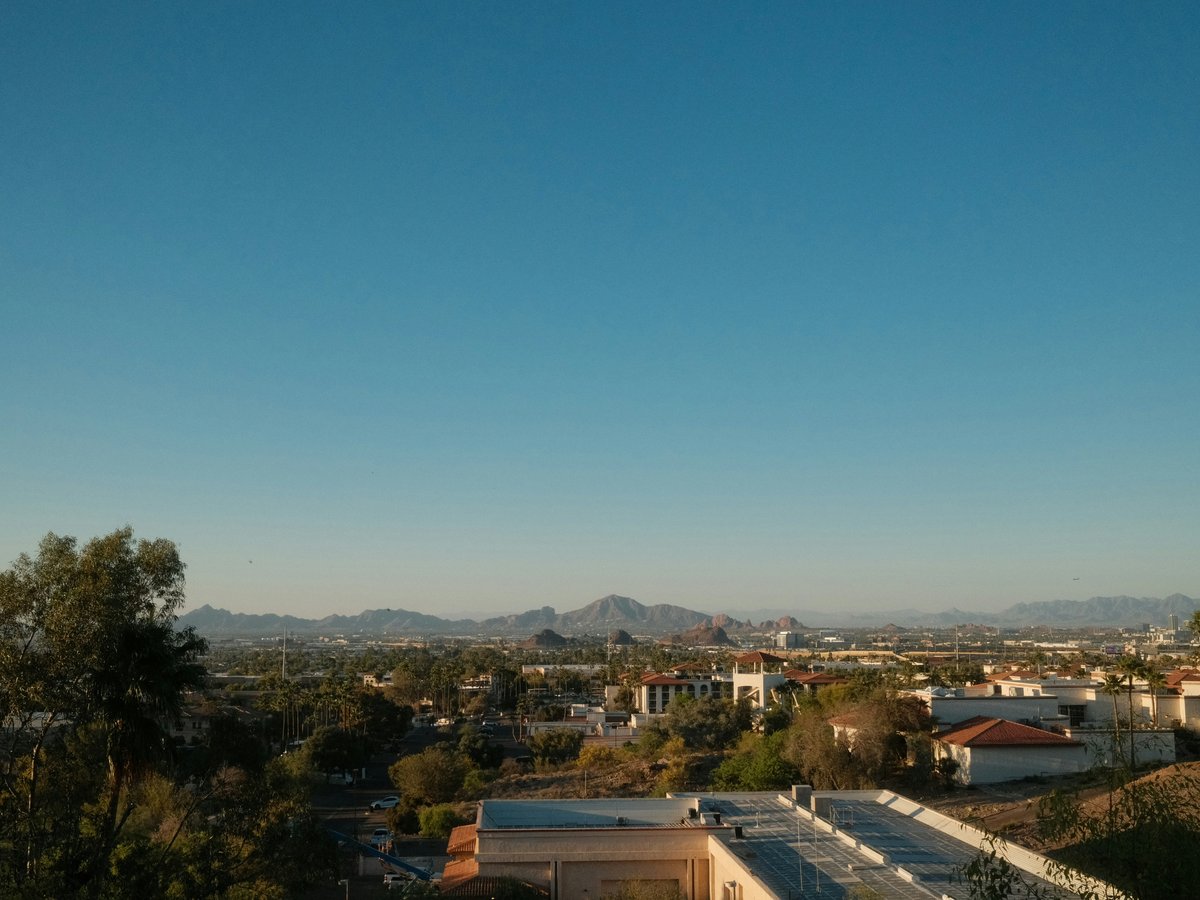
Phoenix after dark runs on its own clock. The Sonoran heat keeps people indoors until sundown for roughly half the year, which means the city's nightlife doesn't really warm up until 9 or 10 PM from May through September. Once temperatures drop below 100°F after sunset, patios fill fast and the sidewalks along Roosevelt Row and Old Town Scottsdale start to feel like a different city entirely. Locals tend to drink ranch water, local craft beer from Arizona Wilderness or Huss Brewing, and tequila in most of its forms. The dress code across most of the metro leans casual. Shorts and a clean pair of sneakers will get you into 90% of places. That said, Old Town Scottsdale's bottle-service clubs enforce a stricter door policy, especially on Friday and Saturday nights. The scene here has been growing steadily since the mid-2010s, with Roosevelt Row's art-bar corridor and the warehouse district south of downtown pulling in a younger crowd that might have left for LA or Austin a decade ago. Last call in Arizona is 2 AM by state law, though many kitchens close well before midnight.
Where Phoenix Drinks: Cocktail Dens, Dives, Rooftops, and Wine Bars
Phoenix's cocktail bar scene has matured considerably since around 2015. Downtown, you'll find serious craft cocktail programs in converted mid-century buildings where bartenders work with house-made syrups and local citrus. The Roosevelt Row corridor between 1st and 7th Streets is home to several of these spots, often tucked behind unmarked doors or inside repurposed auto shops. Cocktails in this part of town tend to cost noticeably more than a standard mixed drink, though still less than what you'd pay at a Scottsdale resort lounge. The dive bar tradition still holds strong in Phoenix, and locals tend to be protective of their favorites. Central Phoenix, particularly along Grand Avenue and in the Melrose District near 7th Avenue, has bars where a tall boy costs pocket change and the jukebox hasn't been updated since 2009. These places fill up with service industry workers after midnight. The carpet might be sticky. The pool table might be warped. Worth it. Rooftop bars have become a bigger deal as downtown Phoenix added more hotel and mixed-use projects. Several hotels along Central Avenue now have rooftop lounges with views toward Camelback Mountain and the Papago Buttes. The best time to hit a rooftop is October through April, when evening temperatures sit between 55°F and 80°F. In summer, rooftop hours tend to shift later, sometimes not opening until 8 or 9 PM, and misting systems work overtime. Wine bars are still a smaller niche here compared to cocktail spots, but a handful operate in the arts district and in Arcadia near 44th Street. Arizona's own Verde Valley wine region, about 90 minutes north near Cottonwood and Jerome, supplies several of these bars with Syrah and Malvasia from vineyards at 4,500 feet elevation. A glass of local Arizona wine generally costs a bit more than a domestic beer but remains reasonable compared to Napa or Willamette Valley pours.
The Club Scene: Old Town Scottsdale Leads, Downtown Follows
If you're looking for a proper club night, Old Town Scottsdale is still the center of gravity. The stretch of Saddlebag Trail and Scottsdale Road between Camelback and Indian School has the highest concentration of high-energy dance venues in the metro. Most of these clubs lean toward Top 40, hip-hop, and EDM, with occasional Latin nights on Thursdays or Sundays. Dress codes at the door tend to require closed-toe shoes for men, no athletic wear, and a collared shirt on busier nights. Women face fewer restrictions. Lines start forming around 10:30 PM on Fridays and Saturdays, and things don't peak until midnight or later. Cover charges in Old Town vary depending on the night and the DJ. Guest list sign-ups through promoter Instagram pages can sometimes waive the cover before 11 PM. Bottle service is a significant part of the business model at the larger venues, and table minimums on weekends can add up quickly. Downtown Phoenix has a smaller but growing club presence, skewing more toward house, techno, and indie dance nights. These events often pop up in warehouse-style spaces south of the railroad tracks, in the area locals call the Warehouse District or "the grid" between Buchanan and Lincoln Streets. The crowd here tends to be a bit older, late 20s to mid-30s, and the atmosphere feels less bottle-service and more dance-focused. Mind you, these nights don't always run on a fixed weekly schedule. Check local event pages and promoter accounts before heading out. Phoenix's Latin club scene is worth noting separately. Cumbia, reggaeton, and regional Mexican music nights draw large crowds at venues scattered across West Phoenix, Maryvale, and parts of Mesa. These events often run until 2 AM and attract a dedicated local following that rarely overlaps with the Old Town scene.
Live Music: Desert Rock, Touring Acts, and the Local Underground
Phoenix has a long, somewhat underrecognized music history. The Meat Puppets and Jimmy Eat World both came out of the Tempe scene. Stevie Nicks grew up in the area. The city's current live music ecosystem splits between mid-size touring venues and a scrappy local circuit. For touring acts, the major rooms include Crescent Ballroom on 2nd Avenue downtown (capacity around 500), The Van Buren on Van Buren Street (roughly 1,800), and The Marquee Theatre in Tempe (about 2,500). Crescent Ballroom tends to book indie, Americana, and hip-hop, while The Van Buren handles bigger indie and rock acts. Both venues have attached bars that stay open between sets, and the sound at Crescent Ballroom has a reputation for being well-mixed even in the back of the room. Smaller local acts play spots along Grand Avenue, in Roosevelt Row bars, and at a handful of venues in Mesa's downtown. Wednesday and Thursday tend to be the best nights for catching local bands without a cover charge. The genres lean toward desert rock, post-punk, and a lo-fi garage sound that seems to recur in arid cities. You'll also find a healthy jazz and soul scene, with regular weekly residencies happening in Scottsdale and central Phoenix. Tempe, anchored by Arizona State University's 70,000-plus student body, has its own live music ecosystem along Mill Avenue and in the surrounding blocks. The energy skews younger and louder. Thursday nights tend to be the big going-out night for the college crowd, and several bars along Mill book cover bands and DJ sets aimed squarely at that demographic. Phoenix also draws large outdoor concert events in the cooler months. The Lost Lake Festival, Innings Festival at Tempe Beach Park, and M3F Fest (a nonprofit music festival held in Margaret T. Hance Park downtown) all typically run between January and March, when daytime highs hover around 70°F to 80°F.
Nightlife neighborhoods
-
Old Town Scottsdale
The highest concentration of nightlife in the metro, split roughly between the Entertainment District around Saddlebag Trail (clubs, high-energy bars, bachelor and bachelorette parties) and the quieter blocks near 5th Avenue (wine bars, cocktail lounges, galleries that stay open late on First Fridays). The smell of tequila and cologne hangs in the air on Saturday nights. Loud, crowded, and unapologetically showy past 11 PM.
- Best for
- Groups in their 20s and early 30s looking for a big night out, especially Friday and Saturday. Also strong for a calmer cocktail evening if you stick to the 5th Avenue side.
-
Roosevelt Row (Downtown Phoenix)
The arts district between 7th Avenue and 7th Street along Roosevelt Street doubles as a nightlife corridor once the galleries close. Murals cover nearly every building face, and warm light spills out of converted bungalows and old storefronts turned cocktail bars. The crowd here trends creative, mid-20s to late 30s, and the volume stays lower than Old Town. You might hear a DJ set bleeding through an open door, but conversations still happen at normal volume. First Friday art walks, held on the first Friday of each month, turn the whole strip into an open-air party with food trucks, live painting, and pop-up bars.
- Best for
- Date nights, art-adjacent crowds, and anyone who wants good drinks without the club energy. Thursday through Saturday nights are the busiest.
-
Mill Avenue (Tempe)
Arizona State University's front porch for going out. Mill Avenue between University Drive and 5th Street packs bars, pub-style restaurants, and late-night food spots within a few walkable blocks. The sound of cover bands leaks out of second-floor windows on Thursday nights, and the sidewalks get thick with students after 10 PM. The energy is young and high-volume, with drink specials plastered on sandwich boards at every door.
- Best for
- College-age crowds, especially Thursday and Friday nights during the school year. Quieter in summer when enrollment drops.
-
Grand Avenue and Melrose District
West-central Phoenix's creative corridor. Grand Avenue runs diagonally from downtown toward Glendale, lined with artist studios, vintage shops, and dive bars that still feel like neighborhood spots. The Melrose District along 7th Avenue between Indian School and Camelback adds antique stores and LGBTQ+-friendly bars to the mix. The vibe is unpretentious. You might catch a drag show on a Wednesday or a punk band playing someone's backyard on a Saturday. Neon beer signs glow in windows, and the air smells like grilled onions from the taco trucks parked on side streets.
- Best for
- Dive bar lovers, the LGBTQ+ community, artists, and anyone who wants to avoid the Scottsdale polish. Best on weekends, though some bars are lively by Thursday.
-
Downtown Mesa
Mesa's Main Street between Country Club Drive and MacDonald has been quietly building a nightlife presence over the past several years. A handful of craft breweries, a mezcal bar, and a few live music spots now anchor the strip. The crowd skews local and slightly older than Tempe's Mill Avenue. The pace is slower here, and you can still find street parking most nights. It tends to feel like a neighborhood that's still figuring out what it wants to become, which gives it a certain charm.
- Best for
- East Valley locals who don't want to drive to Scottsdale, craft beer fans, and anyone looking for a lower-key night. Friday and Saturday evenings are the sweet spot.
Safety after dark
Phoenix is generally safe for a night out, but the usual city-at-night awareness applies. Rideshare is the standard way to move between nightlife districts. DUI enforcement in Arizona is famously strict, with checkpoints common on weekends near Scottsdale and Tempe. Even a first offense carries mandatory jail time under Arizona law. Stick to well-lit main streets if you're walking, particularly downtown south of Van Buren Street and in parts of West Phoenix after midnight. The summer heat is its own safety concern. Dehydration hits faster when you're drinking alcohol in 95°F-plus air, so water between rounds isn't optional from May through September. Old Town Scottsdale's Entertainment District sees occasional fights late on weekend nights, typically near closing time around 2 AM. Keep your phone secure in crowds and stay aware of your surroundings in parking areas.
Practical tips
- Getting between districts
- Phoenix is spread out. Roosevelt Row to Old Town Scottsdale is about 15 minutes by car, and there's no practical public transit connection between them at night. Budget for rideshare if you plan to hit more than one neighborhood. The Valley Metro light rail connects downtown Phoenix to Tempe's Mill Avenue, with the last trains running around midnight on weekends.
- Cover charges and door policies
- Most downtown Phoenix bars and Roosevelt Row spots don't charge a cover. Old Town Scottsdale clubs typically do on Friday and Saturday nights, with the amount varying by venue and the night's lineup. Promoter guest lists, often managed through Instagram, can reduce or waive the cover if you sign up before a certain hour.
- Tipping
- Standard tipping at Phoenix bars is a dollar or two per drink, or 18% to 20% on a tab. Bartenders here remember good tippers, and in busier venues you'll notice faster service on your second round if you tipped well on the first.
- When to go out
- The Phoenix metro has two nightlife seasons. From October through April, people go out earlier and patios are packed by 7 PM. From May through September, the heat pushes everything later. Don't expect much action before 10 PM in summer. Thursday is a strong going-out night across the valley, not only Friday and Saturday.
- Noise and neighbors
- Arizona has relatively relaxed noise ordinances compared to cities like Los Angeles or Portland. Outdoor music and patio bars in most districts can stay lively without the early shutdowns you might see elsewhere. That said, some residential-adjacent spots in Roosevelt Row and Melrose do quiet down by midnight on weeknights.
FAQ
What time does nightlife start in Phoenix?
It depends on the season. From October through April, bars and patios start filling around 7 or 8 PM. In summer, when temperatures stay above 100°F well into the evening, most people don't head out until 9 or 10 PM. Clubs across the metro rarely get going before 11 PM regardless of season.
Is Old Town Scottsdale worth visiting for nightlife?
If you want high-energy clubs, bottle service, and a big-night-out atmosphere, Old Town's Entertainment District is the densest cluster of that in the metro. It tends to draw a younger crowd, lots of bachelor and bachelorette groups, and the energy peaks between midnight and 2 AM on weekends. If that's not your speed, the 5th Avenue side of Old Town has quieter cocktail bars and wine lounges that feel like a different neighborhood entirely.
Can you walk between nightlife areas in Phoenix?
Within a single district, yes. Roosevelt Row, Old Town Scottsdale, and Mill Avenue in Tempe are each walkable internally. But Phoenix is a sprawling metro, and moving between districts typically requires a car or rideshare. The light rail connects downtown Phoenix to Tempe, which helps, though service ends around midnight on weekends.
What is the legal drinking age and last call in Arizona?
The legal drinking age is 21 across the United States, and Arizona enforces it consistently. Bars and clubs are required to stop serving alcohol at 2 AM by state law. Most venues begin last call around 1:30 AM. Expect to be carded at the door, especially in Old Town Scottsdale, even if you're clearly over 21.
Last verified by automated review (v1.7.2) on . What is automated review?