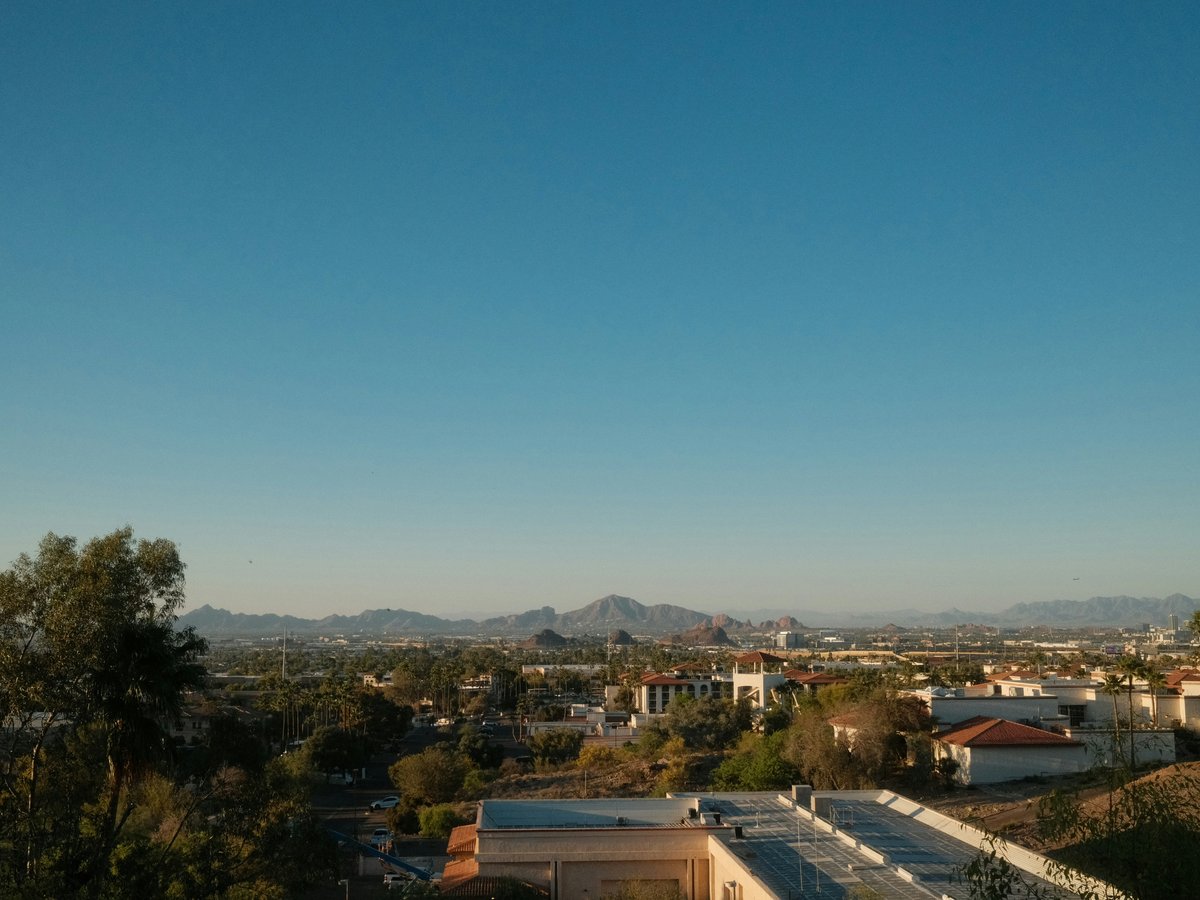
Best Time to Visit Phoenix, by Season
Phoenix swings from January lows of 5.1°C to July highs of 41.4°C. This guide maps every month against comfort, crowds, and cost, then names the single best window for five kinds of traveller.
Published · Updated
1 June Through August Averages 40°C-Plus, and July's 29.4°C Lows Mean the Nights Never Cool Down
Step outside a Phoenix hotel lobby in mid-July and the heat hits your face like opening an oven door. The air smells of baked concrete and creosote. Every metal surface, from car door handles to park benches, burns to the touch.
The numbers confirm the sensation. June opens the furnace season with an average high of 40.5°C and nighttime lows that drop only to 26.0°C. July pushes further, reaching an average high of 41.4°C. That alone might seem survivable if you plan to stay indoors by afternoon. But July's average low of 29.4°C is the figure that defines the month. Nearly 30°C at the coolest point of the night means the city never gets a chance to exhale. Walls, pavement, and desert rock hold the day's heat and radiate it back until sunrise. August offers a marginal retreat to 40.1°C for the average high and 28.1°C for the low, but the difference is academic.
To be fair, summer has one genuine appeal. Hotel and resort rates across the Valley tend to drop by half or more compared to winter peak pricing. Golf courses that charge top dollar in January slash their fees. Restaurants that stack waitlists in February may seat you on arrival. If you prioritize value and can structure entire days around air-conditioned spaces, the off-season savings are substantial.
Mind you, outdoor exploration becomes medically risky at these temperatures. Phoenix regularly issues excessive heat warnings through all three months. Compare July's 41.4°C average high to November's 24.5°C, a gap of nearly 17°C, and the case for visiting almost any other season sharpens.
Monsoon storms roll through in July and August, dropping short, violent bursts of rain that cool the air for an hour before humidity spikes. The desert sky turns purple and orange as dust walls sweep across the valley floor. The storms are visually dramatic. They do not change the monthly averages. July still closes at 41.4°C, August at 40.1°C.
July's average low of 29.4°C means the city never gets a chance to exhale.
2 December Through February Is Peak Season, but January's 17.9°C Highs and 5.1°C Lows Can Surprise
The first thing you notice on a January morning in Phoenix is the light. It is pale gold, angled low across the Sonoran Desert floor, nothing like the white-hot glare of summer. The air carries a dry chill that catches in your throat, and mornings smell faintly of wood smoke from fireplaces across the Valley.
January is the coldest month in Phoenix, posting an average high of 17.9°C and an average low of 5.1°C. Pleasant enough by Midwestern standards, but potentially brisk for visitors expecting constant desert warmth. December runs slightly warmer at 20.1°C for the high and 7.5°C for the low. February brings 21.3°C and 7.4°C, beginning the gradual climb toward spring.
These three months are when Phoenix fills up. Snowbirds from the Upper Midwest and Canada settle into long-term rentals. Resort occupancy peaks. Golf course tee times need booking well in advance. The weather makes the migration obvious. Compare January's 17.9°C high with July's 41.4°C, a swing of more than 23°C, and you understand why hundreds of thousands of seasonal residents choose to spend winter here. February's 21.3°C feels close to ideal for outdoor activity, warm enough for a T-shirt by midday and cool enough that hiking is comfortable rather than dangerous.
That said, this is the most expensive window of the year. If you are flexible on timing and want similar temperatures without the premium, November might be the better play. November averages 24.5°C for highs and 10.6°C for lows, running a few degrees warmer than December's 20.1°C but with noticeably thinner crowds and lower rates. The weather experience is comparable. The price is not.
Worth noting that January's 5.1°C lows genuinely surprise visitors who packed nothing warmer than a windbreaker. Bring layers.
3 March Posts 23.5°C Highs and Draws the Biggest Crowds of the Year
Walk through any Phoenix-area park in early March and you catch the smell of freshly mowed outfield grass, sunscreen, and roasted peanuts carried on a 23°C breeze. The Cactus League spring training season brings Major League Baseball teams to stadiums across the Valley, and the impact on crowds, traffic, and hotel availability is immediate.
March's weather explains the frenzy. The average high of 23.5°C sits perfectly between February's 21.3°C and April's 30.4°C, warm enough to spend a full day outside in shorts without overheating, cool enough that physical activity feels comfortable. The average low of 9.7°C keeps evenings mild, a meaningful step above January's 5.1°C. You can hike at noon, play a round of golf at 2 PM, and eat outdoors at 8 PM without changing layers or reconsidering your plan.
The problem is that everyone else has reached the same conclusion. March is likely the most expensive month for Phoenix hotels outside of specific holiday weekends. The spring training crowd overlaps with spring break travellers and snowbirds finishing their winter stays. Availability tightens across the board.
If you want March's temperatures without March's price tag, November is the closest match and it is nowhere close on cost. November's average high of 24.5°C runs less than 1°C above March's 23.5°C. The low of 10.6°C versus March's 9.7°C is a similarly negligible gap. The weather is near-identical. The crowd density is not.
October's 31.7°C average high and 17.6°C low offer another alternative for visitors who tolerate warmer afternoons, at what tends to be an even lower price point than November. March is the month to visit if you want the full social energy of Phoenix at its peak. For everyone else, it is the month to avoid.
November's 24.5°C highs run less than 1°C above March's 23.5°C. The weather is near-identical. The crowds are not.
4 October and November Are the Months Phoenix Locals Keep to Themselves
Late October in Phoenix smells like cooling desert soil after four months of relentless baking. The sun sits lower by 4 PM, the light turns amber, and the first comfortable evenings since April pull people back onto restaurant patios and trail systems. You feel the seasonal shift on your forearms.
October still runs warm. The average high of 31.7°C is pleasant by Phoenix standards but sits 8°C above March's 23.5°C, the month most visitors consider ideal. The difference is the direction. In March, temperatures are climbing toward the 40.5°C June furnace. In October, they are falling away from it, and there is something freeing about knowing each week will be slightly cooler than the last. October's average low of 17.6°C makes evenings genuinely pleasant. Compare that to August's 28.1°C low or September's 24.9°C, and the relief is physical.
November is where the window fully opens. The average high drops to 24.5°C, within 1°C of March's 23.5°C. The average low of 10.6°C is cool enough for a light jacket after sunset but never uncomfortable. This is arguably the single best month for outdoor activity in Phoenix. The weather sits in nearly the same range as March, 24.5°C versus 23.5°C for highs and 10.6°C versus 9.7°C for lows, without the spring training crowd surge.
The pricing gap follows the crowd gap. November hotel rates tend to fall well below March or February levels while delivering comparable conditions. You lose the baseball atmosphere and some social energy, but you gain open trails, available tee times, and restaurants without multi-week reservation leads.
December's average high of 20.1°C marks the turning point. The first snowbirds arrive, and the premium-pricing season begins.
November is arguably the single best month for outdoor activity in Phoenix.
5 April Jumps to 30.4°C and Marks the Last Outdoor Window Before the Furnace
By the first week of April in Phoenix, mornings carry a different kind of warmth. It is not February's 21.3°C gentleness. The air has weight and texture by 10 AM, and shade becomes something you actively seek rather than casually enjoy. The smell of heated sandstone and brittlebush drifts off the desert floor.
April's average high of 30.4°C represents a steep climb from March's 23.5°C, nearly 7°C in a single month. That is the sharpest month-over-month jump in the Phoenix calendar, and it signals the approach of summer without subtlety. The average low of 14.9°C is still comfortable for evening activity, a full 10°C above January's 5.1°C, but the days belong to the sun now.
Hiking remains feasible in April, though the window narrows. Early morning starts become necessary rather than optional. By midday, south-facing trail surfaces radiate stored heat. The gap from April's 30.4°C to May's 34.8°C is about 4°C, but May crosses the line where most visitors find outdoor activity genuinely unpleasant. April sits on the near side of that threshold.
For visitors who missed the winter peak or found March too crowded, April works as a compromise. Temperatures are above the October-to-March comfort zone, but hotel rates have likely softened from the winter high. The 30.4°C average is warm, not punishing. Set it against June's 40.5°C, more than 10°C hotter, and April looks manageable.
That said, April demands some heat tolerance. If anything above 25°C leaves you uncomfortable, November's 24.5°C highs or March's 23.5°C remain better targets. April is for the visitor who runs warm, prefers thinner crowds, and wants to feel the Sonoran Desert's real personality before air conditioning takes over.
6 May and September Sit at 34.8°C and 37.8°C. They Reward Budget Visitors Who Plan Around the Heat.
The smell of hot gravel and brittlebush hangs in still air on a late-May morning in Phoenix. Every parking lot shimmers with heat mirages. Resort pools are warm to the touch, tepid rather than refreshing. The city has tipped past comfortable outdoor weather for most visitors, but the punishing peak of June has not yet arrived.
May averages a high of 34.8°C with lows of 20.1°C. September mirrors it from the far side of summer, posting 37.8°C for the high and 24.9°C for the low. Both months sit in an awkward middle ground. They run too hot for casual hiking or golf but remain meaningfully cooler than the June-through-August furnace, where July's 41.4°C marks the ceiling. The gap between May's 34.8°C and July's 41.4°C is nearly 7°C, enough to make mornings and evenings noticeably more livable.
September runs hotter than May by about 3°C on the highs (37.8°C versus 34.8°C) and nearly 5°C warmer at night (24.9°C versus 20.1°C). September also carries the tail end of monsoon season, which brings occasional afternoon thunderstorms, higher humidity, and a sticky quality that May's dry heat lacks. Between the two, May tends to be the drier and more predictable month.
The reward for tolerating either month is price. These shoulder periods sit between peak-season winter rates and rock-bottom summer rates, and the discounts can be meaningful. May works best for hikers who start before 7 AM and finish by 10. September suits visitors who want pool time and do not mind monsoon humidity.
October's 31.7°C average high is only a few weeks past September's 37.8°C, but the comfort difference is striking. If your schedule allows even a short delay, waiting for October tends to pay off.
7 The Verdict, Month by Month, for Every Kind of Phoenix Visitor
In late November, the evening air in Phoenix settles to a temperature you can barely feel on your skin. The trails are quiet. The sunset turns the desert floor copper and violet. This is what 24.5°C highs and 10.6°C lows feel like in practice.
Phoenix swings more than 23°C between January's 17.9°C average high and July's 41.4°C. The right month depends entirely on what you are willing to trade.
For the outdoor enthusiast, mid-November is the window. Highs of 24.5°C and lows of 10.6°C put every trail, golf course, and desert park in play from sunrise to sunset. The weather nearly mirrors March (23.5°C highs, 9.7°C lows) without the peak crowds or peak rates.
For the budget traveller, late May offers the strongest value-to-comfort ratio. The 34.8°C average high is hot but survivable with early starts, and May's 20.1°C lows still allow evening outdoor dining. September at 37.8°C and 24.9°C is an option, but the 3°C premium in daytime heat and the monsoon humidity tilt the balance toward May.
For the long-stay winter visitor, February strikes the best balance. Average highs of 21.3°C and lows of 7.4°C support daily golf and outdoor meals without the bite of January's 17.9°C highs and 5.1°C lows.
For families tied to school schedules, late October works. The 31.7°C average high aligns with fall break windows, and 17.6°C lows make evenings comfortable.
For the visitor who wants the fullest version of Phoenix, March and its 23.5°C highs deliver peak energy. Spring training, packed patios, a busy Valley. You will pay for it.
Avoid June through August unless price is your only concern. July's 41.4°C high and 29.4°C low make it the worst month to visit by any measure except cost.
The best month for most visitors with no fixed constraint is November. The 24.5°C highs and 10.6°C lows deliver near-perfect outdoor conditions at shoulder-season pricing.
The best month for most visitors with no fixed constraint is November.
Last verified by automated review (v1.7.0_onboard-phoenix-flagship-2026-06-20) on . What is automated review?