
Charleston sits on a peninsula where the Ashley and Cooper rivers meet before emptying into the Atlantic, a geography that shaped everything from its colonial-era wealth to the way its streets flood on a king tide afternoon. Founded in 1670 as Charles Town, it became the wealthiest city in colonial British North America on the back of rice, indigo, and the slave trade: a history the city no longer sidesteps, with the International African American Museum now standing on Gadsden's Wharf, the site where nearly half of all enslaved Africans entered North America. That tension between beauty and brutality is the thing that makes Charleston unlike Savannah or New Orleans, cities it gets lazily compared to. The peninsula below Broad Street, which locals call South of Broad, holds the pastel-painted single houses turned sideways to catch the prevailing breeze off the harbor, their piazzas stacked two or three stories deep. North of Calhoun, the Upper Peninsula has shifted from industrial to residential in the past decade, with breweries and taco shops replacing body shops along upper Meeting Street. Across the Cooper River bridge, Mount Pleasant supplies the shrimp boats at Shem Creek; across the Ashley, West Ashley and James Island feel like their own small towns with strip-mall Vietnamese restaurants that outperform most of the downtown prix fixe menus. A first-timer's day has a natural rhythm: morning at the downtown market hall, which has sold sweetgrass baskets since the 1800s, then a walk through the French Quarter's narrow alleys where jasmine and Confederate jasmine compete in April, and an evening on one of the rooftop bars along East Bay where the sun drops behind the steeple skyline that gave Charleston its old nickname, the Holy City, earned honestly with more than four hundred congregations packed into roughly fifteen square miles.
Charleston in photos

Charleston right now
Answers about Charleston
-
Airport to city
Charleston International Airport (CHS) sits 12 miles northwest of the Historic District. Uber or Lyft costs $20-28 and takes 20-25 minutes via I-26 South. Taxis charge a flat $35-40 to downtown. The CARTA Route 11 bus costs $2 but takes over an hour with stops. Skip rental cars unless you're planning day trips to Folly Beach or Sullivan's Island.
Read the full answer → -
Best time to visit
March through May and October through November give Charleston its best weather, with daytime highs near 72°F and manageable humidity. Spring azaleas bloom across the peninsula, and Spoleto Festival fills late May with opera and theater. Fall brings cooler air, oyster season, and thinner crowds. Skip July and August, when the heat index makes outdoor sightseeing punishing.
Read the full answer → -
Cost per day
A frugal day in Charleston runs about $80, covering a hostel dorm ($40-55/night), budget meals at local soul food and BBQ spots ($8-15/plate), and CARTA bus rides at $2 each. Most free sightseeing clusters on the walkable downtown peninsula. Midrange travelers spend closer to $200, luxury $500+. Parking fees and restaurant gratuity norms are the biggest budget surprises.
Read the full answer → -
Cultural etiquette
The biggest cultural mistake in Charleston is skipping 'yes ma'am' and 'yes sir.' Locals use these with everyone, regardless of age. Tip 20% at sit-down restaurants along King Street. At churches like Emanuel AME on Calhoun Street, silence your phone and dress for worship, not the beach. Gullah sweetgrass basket weavers near City Market set their prices. Never haggle.
Read the full answer → -
Best day trips
Beaufort is the best single-day trip from Charleston, 70 miles south on US-21, with a walkable waterfront and lunch at Plums for under $30. Savannah works if you leave by 8am, 108 miles on I-95. For a quiet beach day together, Edisto Island is 50 miles southwest with empty sand and no high-rises.
Read the full answer → -
Digital nomads
Charleston scores 5.2/10 for digital-nomad suitability (sourced from TTDI's editorial rubric). Xfinity and AT&T fibre deliver 200-400 Mbps to newer neighborhoods, but short-term rental wifi in the Historic District often disappoints. Monthly cost runs $3,200-3,800. Thin coworking options, summer humidity above 90%, and tourism-inflated rents are the main drawbacks for stays beyond 2 weeks.
Read the full answer → -
Family-friendly
Charleston rates 8.5 out of 10 for family friendliness (see the TTDI Family-Friendliness Index), with summer heat as the main deduction. The Historic District is flat and stroller-friendly on King Street and Meeting Street. Top picks for ages 3-12 include the South Carolina Aquarium, Children's Museum of the Lowcountry, and Patriots Point. Build days around morning outdoor time before 10 AM, then indoor cooling or beach trips by midday.
Read the full answer → -
Food culture
Charleston's food identity is built on Lowcountry cooking, rooted in the rice and okra traditions West African enslaved people carried to the Carolina coast. She-crab soup, shrimp and grits, and whole-hog barbecue define the local table. The best eating happens below Calhoun Street on the peninsula and in the soul-food kitchens of North Charleston.
Read the full answer → -
Getting around
Walk the peninsula. It's 4 miles long and 1.5 miles across, flat, and manageable on foot. The free DASH trolley covers longer downtown stretches. Uber and Lyft handle airport runs from CHS ($20-28) and late-night returns from Upper King Street. Rent a car only if Folly Beach or the barrier islands are on your plan.
Read the full answer → -
How to get there
Charleston International Airport (CHS), 19 km northwest of downtown, has direct flights from Atlanta, Charlotte, New York-JFK, Chicago O'Hare, and Boston on Delta, American, JetBlue, and United. East Coast round-trips run $180-350. Amtrak's Palmetto and Silver Meteor lines stop in North Charleston, 15 minutes from the peninsula by rideshare.
Read the full answer → -
Is it safe?
Charleston scores 6.8 out of 10 for solo-traveler safety (see the TTDI Solo-Safety Index). The historic peninsula south of Calhoun Street stays walkable and well-lit past midnight. Most violent crime concentrates in North Charleston, a separate municipality 8 miles from the tourist core. Dial 911 for emergencies. Summer heat and flash flooding pose more daily risk than street crime.
Read the full answer → -
Layover guide
Yes, if your connection runs five hours or more. Charleston International (CHS) sits 12 miles north of the peninsula, and a rideshare covers the distance in 20 to 30 minutes for roughly $30 to $40 each way. Domestic connections re-clear TSA, while international arrivals clear US customs first, which eats into that margin. Either way, you end up with about two hours downtown, enough for City Market and the Battery but not the Fort Sumter ferry.
Read the full answer → -
LGBTQ-friendly
Charleston rates 5.8/10 for LGBTQ+ friendliness (sourced from TTDI's editorial rubric). The peninsula is comfortable for same-sex couples, with a small queer scene centered around Ann Street and minimal friction in the Historic District. The gap between the progressive city and the conservative state matters. Stay on the peninsula, and the difference from the suburbs is immediate.
Read the full answer → -
Where locals go
Charleston locals drink in Park Circle, 15 minutes north of the peninsula, where Commonhouse Aleworks and EVO pull the service industry crowd on weeknights. Avondale village on Savannah Highway in West Ashley has Gene's Haufbrau, open since 1952. James Island's Pour House books local acts most nights. Above Calhoun Street on the peninsula, tourist density drops and the regulars emerge.
Read the full answer → -
Must-see
Fort Sumter, the island fort where the Civil War started on April 12, 1861. A 30-minute ferry from Liberty Square on Concord Street is the only way out. Book the morning departure at least 3 days ahead in summer. The afternoon heat turns the shadeless brick fort into an oven.
Read the full answer → -
Solo travel
Charleston scores 6.8/10 for solo-traveler safety (see the TTDI Solo-Safety Index). The compact peninsula below Calhoun Street is walkable enough that you rarely need a car, and the bar-and-restaurant culture on Upper King Street runs social enough that eating alone feels normal. Summer heat and humidity are the real endurance test, not safety.
Read the full answer → -
This week
Charleston this week splits around the heat. Mornings before 10am belong to the South of Broad district. The City Market runs daily, with artisan Night Markets on Friday and Saturday evenings. Restaurant waits on Upper King Street are shortest early in the week. Afternoon storms typically pass by 5pm.
Read the full answer → -
3-day itinerary
Day 1 walks the lower peninsula from Rainbow Row through the Battery to the Charleston Museum. Day 2 moves north to City Market, Emanuel AME Church, and upper King Street. Day 3 crosses the harbor by ferry to Fort Sumter, then to the USS Yorktown at Patriots Point. Three themes by geography, no backtracking.
Read the full answer → -
What to avoid
Skip the City Market restaurant corridor, the randomized carriage tours south of Broad, and the ghost tour circuit. Summer humidity makes midday walking punishing from June through September. Don't drive onto the peninsula. Park at the Visitor Center garage and walk. Eat on Upper King Street, not the tourist strip.
Read the full answer → -
What to pack
Supportive walking shoes for Charleston's uneven brick sidewalks and cobblestone alleys below Broad Street. Lightweight cotton or linen, not synthetics, for Lowcountry summer humidity. A packable rain jacket beats an umbrella because harbor wind off the Battery turns them inside out. One collared shirt for King Street dinner reservations. Buy bug spray locally for half the airport price.
Read the full answer → -
Where to stay
Stay south of Calhoun Street in the Historic District for a first visit. Budget $150-250 per night for a well-located hotel on Meeting or King Street, both within a 10-minute walk of the City Market and Waterfront Park. Mount Pleasant across the Ravenel Bridge runs $100-160 and works better if you have a car.
Read the full answer →
Deep guides for Charleston
-
Best Time to Visit Charleston, by Season
A data-driven verdict on every month of the year in Charleston, SC, built from five-year daily-observation temperature averages, with the single best window named for budget travelers, couples, families, and everyone in between.
Read the guide → -
Charleston Restaurants: What's Worth It
Twelve restaurants on the peninsula, split into two tiers. A named verdict on every room worth sitting in, built from the curated list locals keep in rotation, with hours, alternatives, and who each one is right for.
Read the guide →
Curated lists for Charleston
attractions
-
Best museums
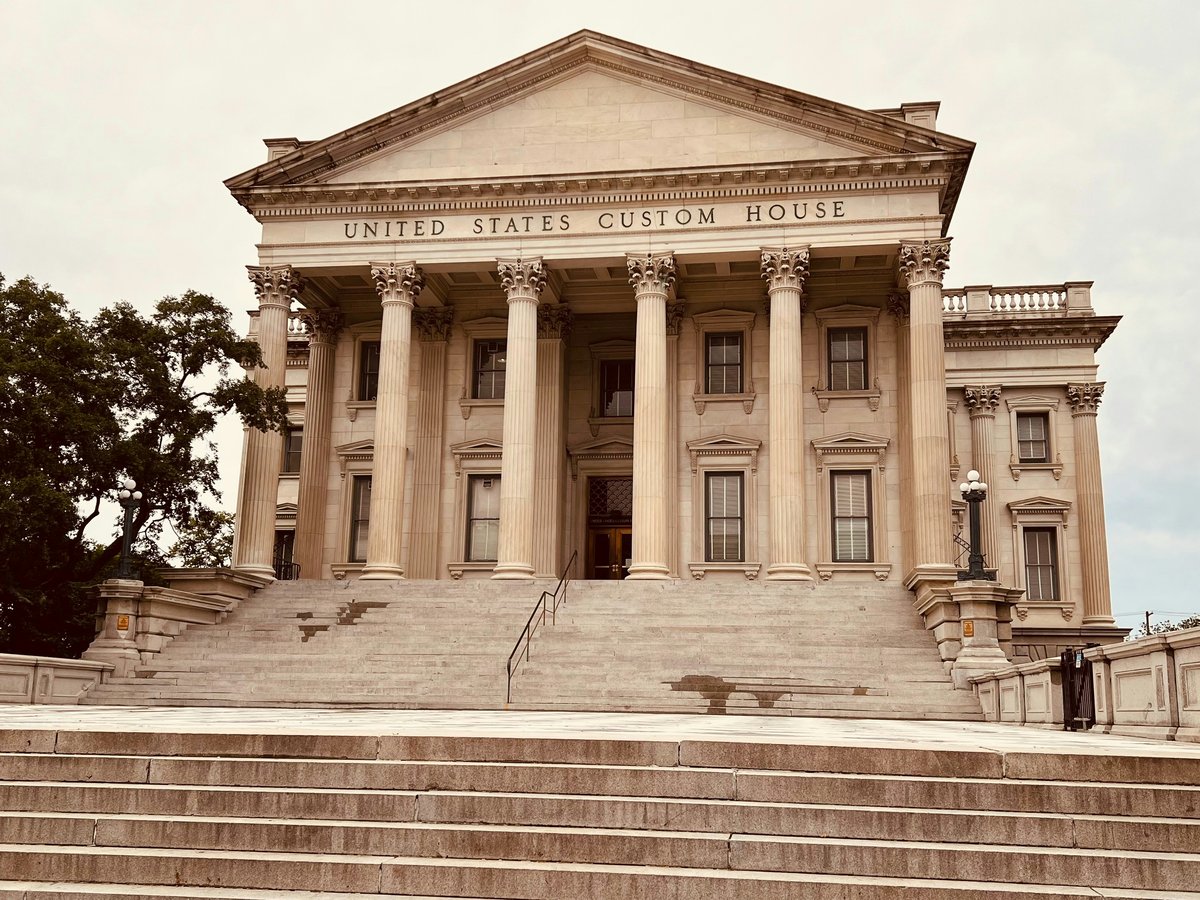
Charleston's museums run from the very old to the very new, and the best way to read the city is to visit both ends. The Charleston Museum dates from 1773, and the International African American Museum from 2002. Between them sit an art museum on Meeting Street, a former custom house that is now a National Historic Landmark, and a former slave market. These are hard rooms, and they are worth your time. Then there is the water: on Patriots Point Road in Mount Pleasant, a military museum keeps an Essex-class aircraft carrier and a destroyer, and North Charleston has a submarine, the H. L. Hunley. We put this list together for visitors who want the city's record, not its postcard. Give it two days, check the hours before you go, and don't try to fit everything into one afternoon.
See the picks → -
Must-see attractions
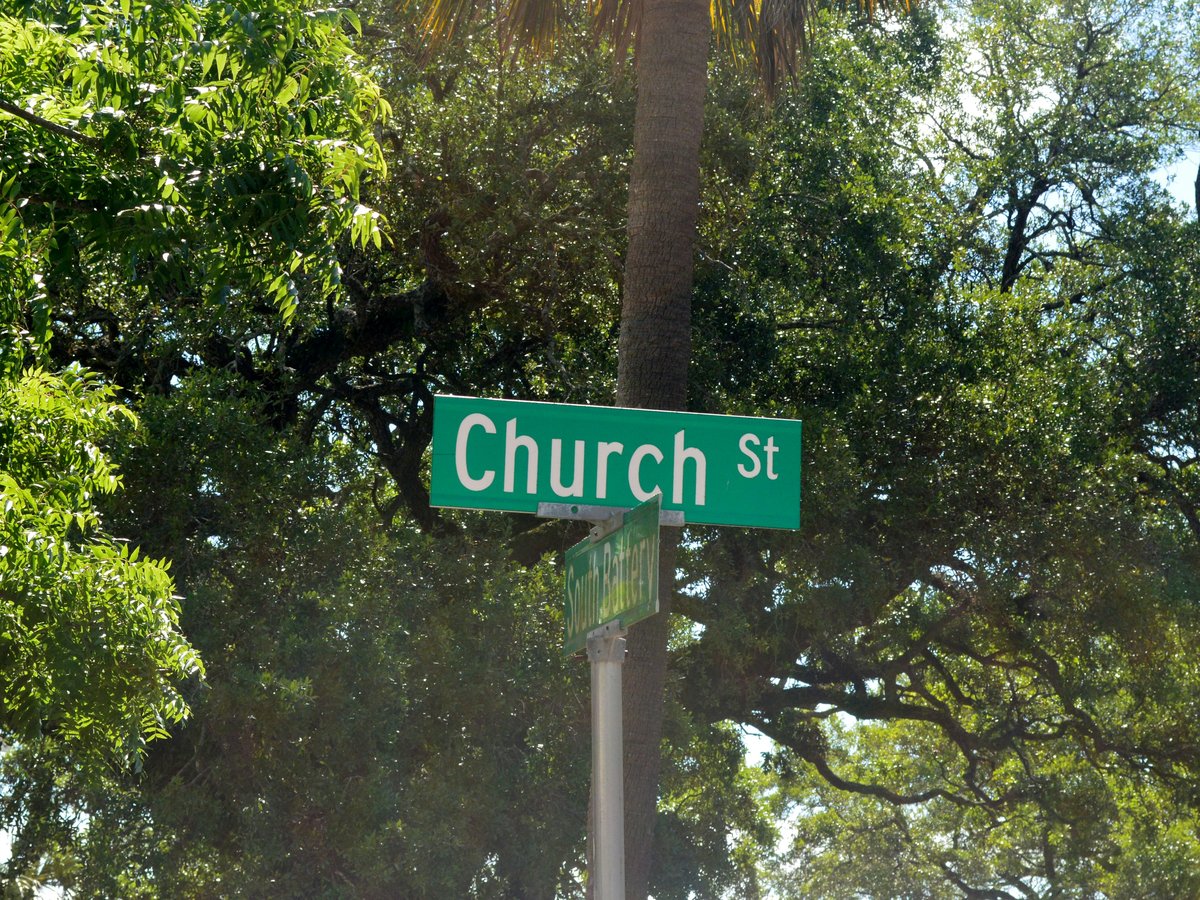
Charleston's essential sights are not towers or galleries. They are forts, a warship, a submarine, and an unusually dense run of old congregations: Fort Sumter, dating from 1811, the USS Yorktown, a 1943 Essex-class aircraft carrier, and the H. L. Hunley, plainly a submarine. Back in the city, the houses of worship do the talking, with Emanuel African Methodist Episcopal Church at 110 Calhoun Street, Charleston, SC 29401 and the Huguenot Church at 166 Church Street in the same postal code. Several hold National Historic Landmark status, including Congregation Kahal Kadosh Beth Elohim and Circular Congregational Church. This list is for the visitor who wants to hear the city argue with its own past, told through the walls, hulls, and pews that are still standing. It is not for anyone who wants Charleston as a backdrop for brunch photographs. Skip the carriage-tour script, read the stones yourself, take your time at each stop, and let the buildings make their own case.
See the picks →
food
-
Best cafes
Charleston's cafe scene runs on hotel lobbies, historic side streets, and a handful of independents who refuse to play along. The peninsula is small enough that you can walk between most of them in a morning, which is exactly what the good ones assume you will do: short menus, tight hours, and a bias toward the first half of the day. What follows is twelve rooms worth an hour of a visitor's time, ranked by how much they earn that hour. Some are attached to the city's grand hotels; the addresses are the giveaway, and the coffee is often better for the affiliation. Others are neighborhood shops on Wentworth or Church, open past mid-afternoon and pouring for the people who really live here. A few close by 11:00 sharp, so plan the morning around them, not the other way around. Skip the drive-through chains on the way in from the airport; the peninsula rewards the walker.
See the picks → -
Best restaurants
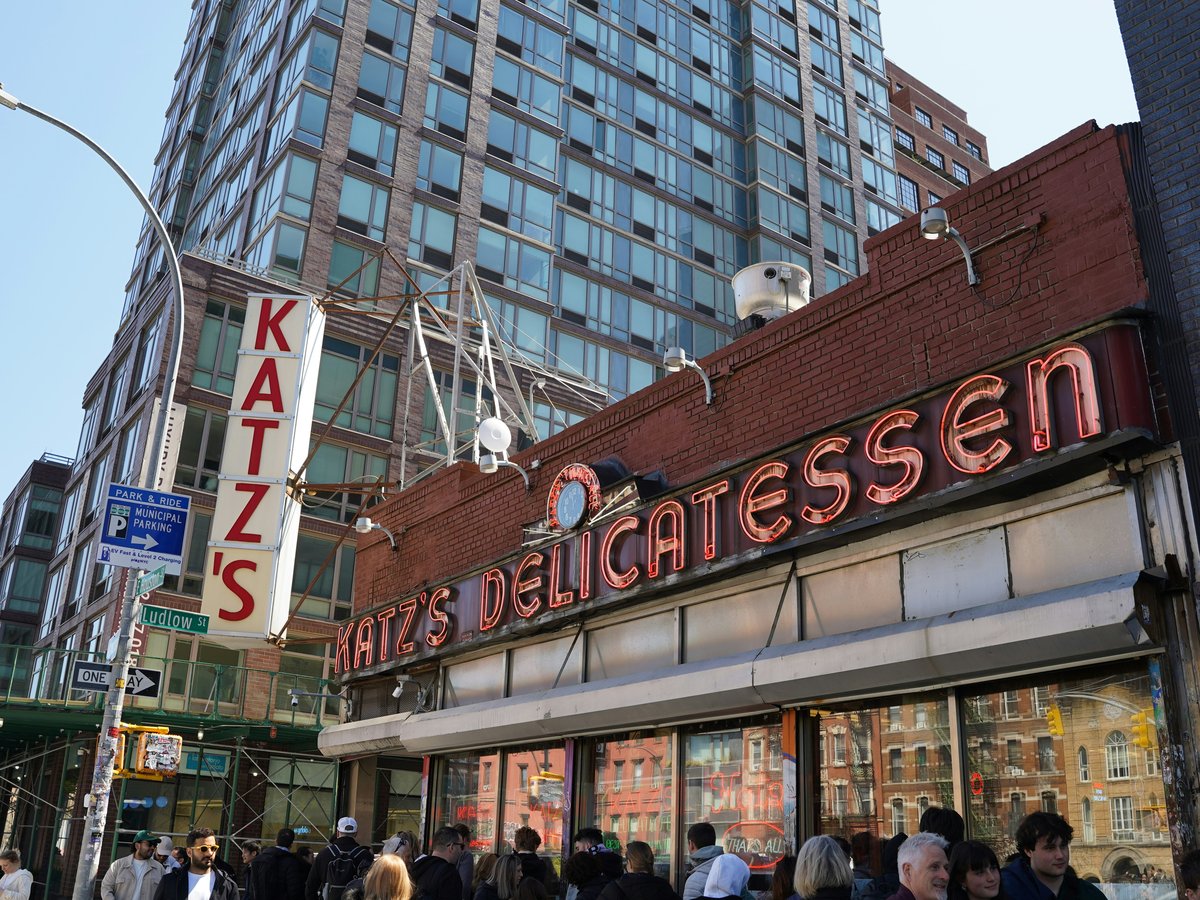
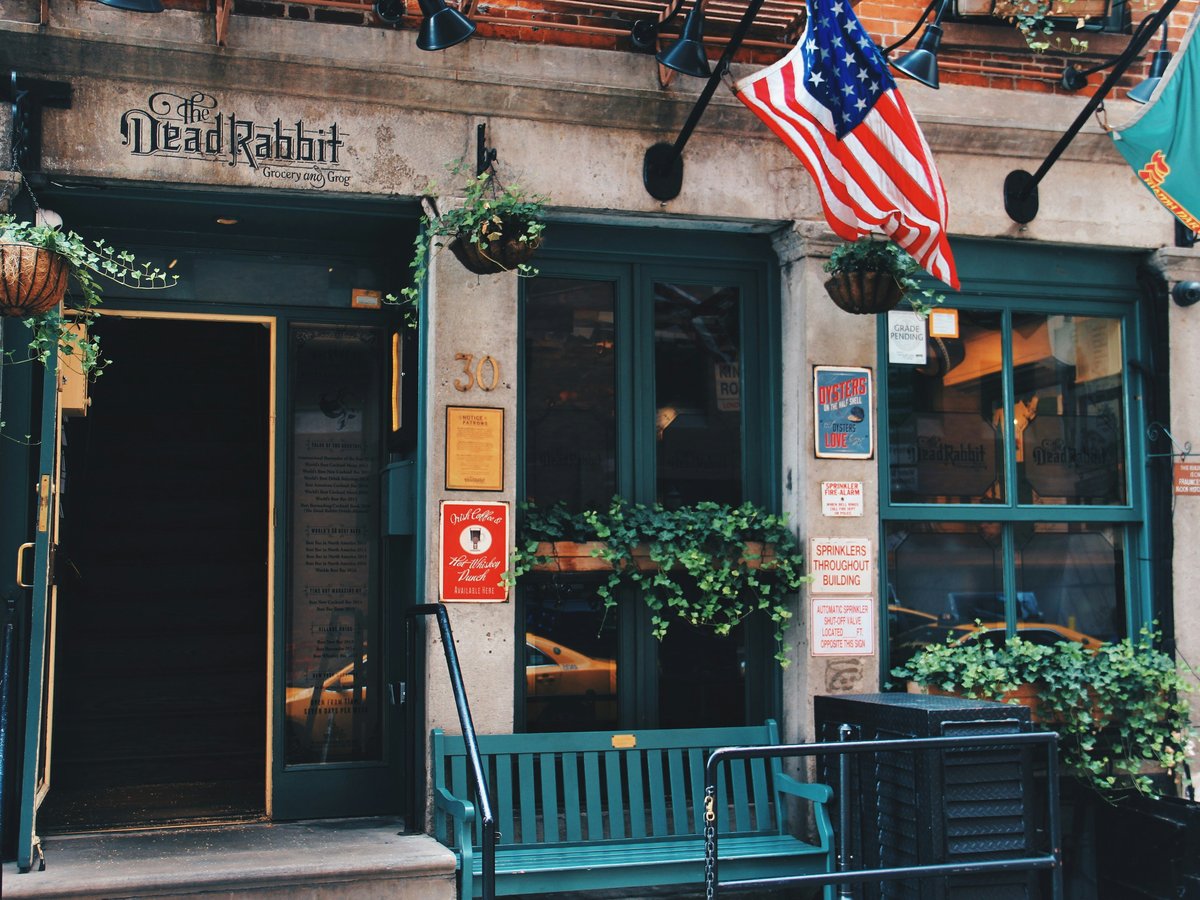
Charleston eats the way it talks, slowly, opinionated, with a strong sense of who is at the table. The peninsula's restaurant scene is small enough to walk in an afternoon and layered enough that a good meal can mean Lowcountry seafood at a linen-clothed table, Pakistani tasting plates on Meeting Street, a Vietnamese counter on Society Street, or a paper-lined deli tray a block from the market. What the twelve rooms below share is a specific address on the peninsula and a specific reason to sit down there, not a category to fill, but a service window, a cuisine, or a room that argues for itself. This list is for a visitor who has one or two dinners and a brunch to spend and would rather aim for the places locals keep in rotation than the ones the guidebooks reprint every year. Reservations help where the room is small; walk-ins work where the hours run long. Read each paragraph for what THAT address does, at what hour, and decide from there.
See the picks →
Browse by traveler type
Book experiences in Charleston
 Free cancellation
 Charleston’s Old South Carriage Historic Horse & Carriage Tour
City tour: 1 hour, free cancellation.
via Viator Free cancellation
 Historic Charleston Guided Sightseeing Walking Tour
City tour: 2 hours, free cancellation.
via Viator Free cancellation
 Fort Sumter Access and Self-Guided Tour with Roundtrip Ferry
Cruise: 2.2 hours, free cancellation.
via Viator Free cancellation
 Hidden Alleyways and Historic Sites Small-Group Walking Tour
City tour: 2 hours, free cancellation.
via Viator Free cancellation
 Charleston Eco Boat Cruise with stop at Morris Island Lighthouse
Cruise: 2.5 hours, free cancellation.
via Viator Free cancellation
 Highlights of Charleston Guided Walking Tour
City tour: 2 hours, free cancellation.
via Viator Free cancellation
 Gray Line Charleston City Sightseeing Bus Tour
City tour: 1.5 hours, free cancellation.
via Viator Free cancellation
 Charleston Ghost & Graveyard Night-Time Guided Walking Tour
City tour: 1.5 hours, free cancellation.
via Viator Free cancellation
 Charleston Harbor Sunset Cruise
Cruise: 2 hours, free cancellation.
via Viator Free cancellation
 Charleston See-It-All City Bus Tour with Adventure Sightseeing
City tour: 1.5 hours, free cancellation.
via Viator
Charleston Water Taxi Cruise with Dolphin Sighting
Outdoor experience.
via Viator Free cancellation
 2-Hour Guided Kayak Eco Tour in Charleston
Outdoor experience: 2 hours, free cancellation.
via ViatorBrowse by interest
Find a flight to Charleston
Live fares to Charleston appear here once cookies are accepted.
Last verified by automated review (v1.7.2) on . What is automated review?