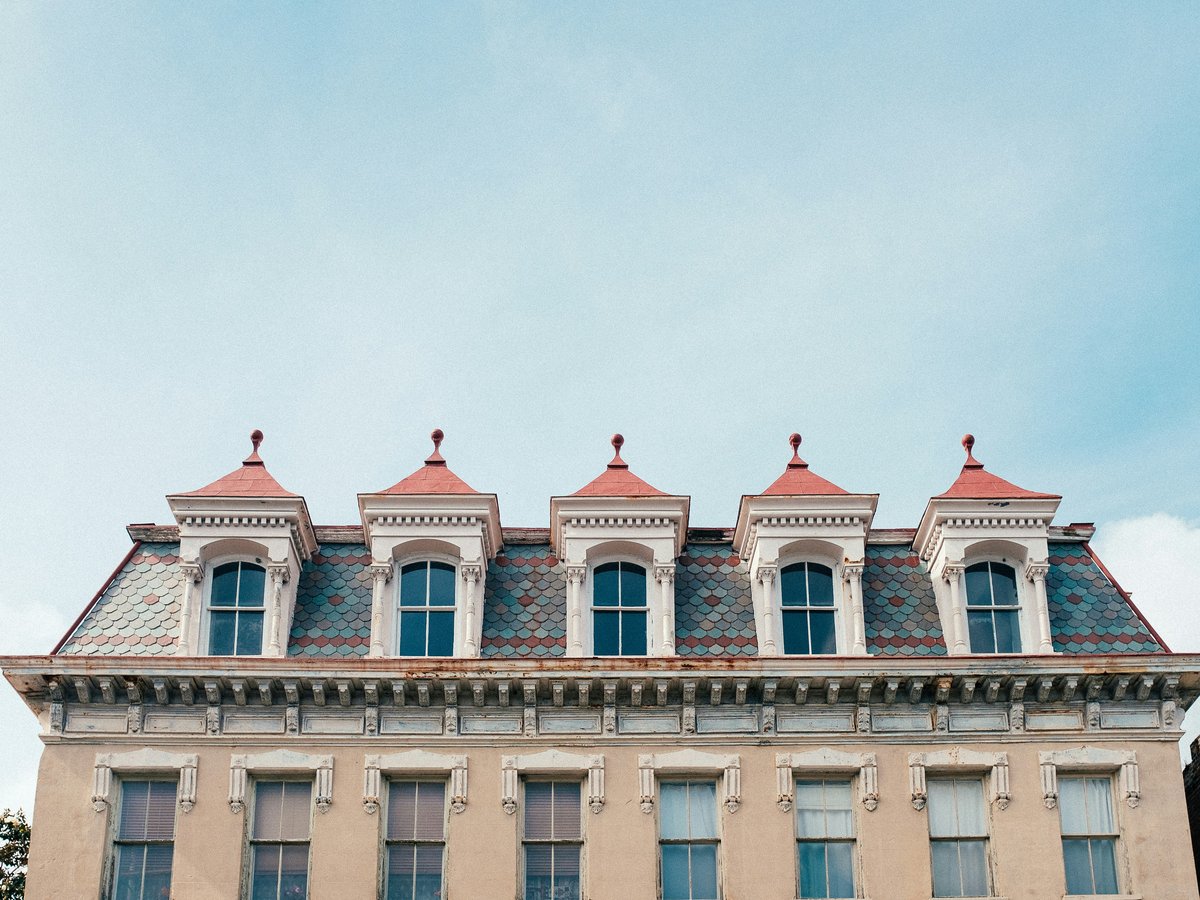
Charleston earned its weight through three centuries of Lowcountry history, and the surprising thing is how much of that history carries no price tag. The peninsula itself is the attraction. You walk past pastel row houses on East Bay Street, step into church sanctuaries older than the republic, and stand at the stone promenade along The Battery where the Ashley and Cooper rivers push against each other at White Point Garden. The city scores well for family friendliness, a number that partly reflects how accessible its best offerings remain across all ages. On a clear morning, the salt-and-sulfur smell of pluff mud drifts up from the tidal creeks along the Cooper River waterfront, and palmetto fronds click overhead in the harbor breeze. Inland, most of the historic district sits within a 1.5-mile walk of Marion Square, a 10-acre downtown green bounded by King, Meeting, and Calhoun streets.
Free attractions
-
Waterfront Park
This 12-acre park stretches along the Cooper River waterfront between Vendue Range and the commercial port area, roughly half a mile east of Marion Square. The Pineapple Fountain at the south end has become one of Charleston's most photographed spots. Swing benches face the harbor, and on summer evenings the creak of the wooden swings mixes with the low drone of boat motors crossing to Mount Pleasant. The park opened in 1990 after a decade-long public effort to reclaim industrial waterfront land.
French QuarterPark -
White Point Garden
The southern tip of the peninsula, where the Ashley and Cooper rivers meet, has been public green space since the 1830s. Civil War-era cannons and mortar batteries line the paths under a dense canopy of oaks that filters the afternoon sun into shifting coin-sized spots on the gravel. The adjacent promenade along East Battery and Murray Boulevard is locally called The Battery. It offers unobstructed views of Fort Sumter across the harbor, though reaching the fort itself requires a paid ferry from Liberty Square.
South of BroadPark -
Marion Square
A 10-acre green anchored by the Francis Marion statue at its north end, set inland between King Street and Meeting Street at Calhoun. The Citadel's original campus borders the western edge. The square tends to be quiet on weekday mornings, which makes it a good spot to find a bench in the shade before the lunch crowds arrive. On Saturday mornings during warmer months, the weekly farmers market fills the space with local vendors.
DowntownPark -
Hampton Park
Charleston's largest public park covers roughly 60 acres in the upper peninsula, north of The Citadel. It has a rose garden, a small pond, and paved walking loops shaded by magnolias and crape myrtles. The park sees far fewer visitors than the downtown squares, and on weekday mornings you might have entire sections to yourself. It sits on land that hosted the 1901-02 South Carolina Inter-State and West Indian Exposition.
Hampton Park TerracePark -
Emanuel African Methodist Episcopal Church
One of the oldest African Methodist Episcopal congregations in the southern United States, founded in 1816 by free and enslaved Black Charlestonians including Denmark Vesey. The current Gothic Revival structure on Calhoun Street dates to 1891. Its history carries particular weight after the 2015 tragedy, and the congregation continues to welcome visitors who come with respect during posted hours.
DowntownHistoric church -
Cathedral of Saint John the Baptist
The seat of the Roman Catholic Diocese of Charleston, completed in 1907 after its predecessor burned in the Great Fire of 1861. The interior holds notable stained glass windows and a vaulted ceiling that catches morning light from Broad Street. Free to enter during visiting hours.
French QuarterHistoric church -
Huguenot Church
The only independent Huguenot church still active in the United States, built in 1844 in the Gothic Revival style on Church Street. French Protestant refugees founded the original congregation in the 1680s. The sanctuary's acoustics are striking, and the church occasionally hosts concerts. Free to visit during open hours, donations appreciated.
French QuarterHistoric church -
Halsey Institute of Contemporary Art
Operated by the College of Charleston on Calhoun Street, the Halsey has exhibited contemporary and experimental work since 1984. The gallery rotates shows every few months and has never charged admission. It tends to be less crowded than the commercial galleries on Broad Street, which makes for a more contemplative visit.
DowntownArt gallery -
City Gallery at Waterfront Park
A city-operated gallery at the eastern end of Waterfront Park on the Cooper River, featuring rotating exhibitions of regional visual art. The space is modest but well lit, and shows typically run 2 to 3 months. Admission has been free since the gallery opened. Worth noting if you're already in the area for a harbor walk.
French QuarterArt gallery -
Angel Oak Tree
A Southern live oak on Johns Island, roughly 20 minutes from downtown Charleston by car. The tree is estimated to be 400 to 500 years old, with a canopy spreading about 17,000 square feet. The City of Charleston currently manages the site as a public park with no admission fee. The shade under the tree drops the temperature noticeably, even in August. A small parking area fills quickly on weekend mornings.
Johns IslandNatural landmark -
Dock Street Theatre
The building at 135 Church Street occupies the site of one of the first purpose-built theaters in North America. The current structure, converted from the old Planter's Hotel in 1937, is free to walk through during business hours when no rehearsals are running. The interior woodwork and ironwork in the auditorium are worth the 10-minute detour even if nothing is playing. Performances require separate tickets through Charleston Stage.
French QuarterHistoric theater
Free activities
-
Rainbow Row walking route
The 13 pastel-colored row houses on East Bay Street between Tradd Street and Elliott Street form the most photographed block in Charleston. The colors run from pink to cobalt blue. Walk south from Broad Street to catch the morning light on the facades. The houses are private residences, so viewing is from the sidewalk.
South of BroadWalking route -
Charleston City Market
A four-block open-air market between Meeting Street and East Bay Street, operating since the 1790s. Browsing is free, though you might want cash if the sweetgrass basket weavers catch your eye. The Gullah artisans who work here practice a craft passed down through generations from West African traditions. The market runs daily, and a night market operates on Friday and Saturday evenings during warmer months.
Market areaMarket -
South of Broad neighborhood walk
The residential streets south of Broad Street hold some of Charleston's finest 18th- and 19th-century architecture. Legare Street, Meeting Street, and Church Street all run through this neighborhood. Side gardens are visible through wrought-iron gates, and the smell of Confederate jasmine hangs heavy from April through June. No admission, no ticket. You are on public sidewalks.
South of BroadWalking route -
Sullivan's Island Beach
A barrier island about 20 minutes east of downtown, accessible via the Ben Sawyer Bridge. The beach is wide, relatively uncrowded compared to Folly Beach, and free to access. Sullivan's Island has no high-rise development, which keeps the horizon line low and the feel residential. Edgar Allan Poe was stationed at nearby Fort Moultrie in 1827-28.
Sullivan's IslandBeach -
Folly Beach
Charleston's closest full-service beach town sits about 25 minutes south of downtown on Folly Road. Beach access is free at multiple public access points, though paid parking fills up by mid-morning in summer. Center Street has a handful of restaurants and surf shops within walking distance of the sand. The water stays warm enough for swimming from late May through October.
Folly BeachBeach -
King Street window shopping and architecture
Upper King Street from Calhoun north to Line Street has shifted from antique shops to restaurants and boutiques over the past decade. Lower King south of Broad retains the old-money antique dealer feel. The architectural range covers Greek Revival, Italianate, and Art Deco within about 20 blocks. Free to walk, and the monthly street closures make it particularly pleasant for pedestrians.
DowntownWalking route -
Gateway Walk
A marked half-mile path connecting four churchyards and private gardens between King Street and Church Street. The route threads through the Circular Congregational Church graveyard, past the rear of the Gibbes Museum of Art, and through several garden gates that stay open to walkers during daylight hours. The Garden Club of Charleston laid out the path in the 1930s to link green spaces that were otherwise hidden behind walls and fences. It is well shaded and quiet even on busy weekends.
French QuarterWalking route
Free events
-
Charleston Farmers Market
Saturdays, April through late NovemberOne of the larger farmers markets in the Southeast, with around 100 vendors on a full Saturday. Local produce, Lowcountry food stands, live music, and craft vendors fill Marion Square from 8 AM to 2 PM. Parking around the area fills by 9 AM, so arriving early or walking tends to work better.
Marion Square -
French Quarter Art Walk
First Friday of each month, typically March through DecemberCharleston's gallery district along Broad Street and the surrounding blocks opens its doors on the first Friday evening of each month. Most galleries pour wine and several bring in the exhibiting artists. The walk covers roughly 30 to 40 galleries between Broad, Church, Queen, and East Bay streets. Crowds are lightest in the winter months.
French Quarter gallery district -
Second Sunday on King
Second Sunday of each month, 1 PM to 5 PMKing Street closes to vehicle traffic on the second Sunday afternoon of each month. Shops set up sidewalk displays, restaurants move seating outdoors, and the street fills with pedestrians, dogs, and occasional street performers. The closure covers roughly 8 blocks of the main commercial corridor.
King Street between Calhoun and Queen streets -
Piccolo Spoleto Festival
Late May through early June, 17 daysThe community counterpart to Spoleto Festival USA, Piccolo Spoleto runs concurrently and programs free outdoor performances including theater, dance, jazz, and visual art installations. Performances in the downtown parks and public spaces are consistently free. The festival has run annually since 1979.
Various venues across Charleston -
Holiday Parade of Boats
December, typically the first or second Saturday eveningDecorated boats parade through Charleston Harbor on a December evening. Free to watch from any public waterfront vantage point. The promenade along East Battery and Waterfront Park tend to draw the largest crowds. The boats depart from the Charleston City Marina. Bring layers, because harbor wind drops the temperature noticeably after sunset.
Charleston Harbor, visible from the waterfront
Historic churches open to visitors
Charleston has more historically significant churches per square mile than most American cities. Beyond the three detailed in the free attractions list, St. Michael's Episcopal Church at the corner of Broad and Meeting streets (1761) claims the oldest surviving church building on the peninsula. Its steeple has served as a navigational landmark for ships entering the harbor for over 260 years. St. Philip's Episcopal Church on Church Street (1838) has a graveyard that holds the remains of John C. Calhoun and Edward Rutledge. St. Andrews Episcopal Church in West Ashley dates to 1706, predating the current city limits, and is the oldest surviving religious building in South Carolina. All of these churches are free to enter during posted visiting hours, though services take priority. Donations are appreciated but never required. Mind you, checking posted hours before walking over saves a wasted trip, as most churches close to casual visitors during private events.
Practical tips for zero-budget Charleston
The downtown peninsula is walkable enough that you likely won't need paid transport for a day of sightseeing. CARTA, the local bus system, runs routes through the main areas, but most free attractions cluster within comfortable walking distance of each other. Drinking water fountains sit in Waterfront Park and Marion Square. Public restrooms are available at the Visitor Center at 375 Meeting Street and inside the Charleston City Market. Street parking is metered in most of the historic district, but residential streets in the upper peninsula and West Ashley offer free alternatives if you do not mind a 15 to 20 minute walk. Both barrier island beaches have limited free parking that fills early on summer weekends. To be fair, the humidity from late June through September can make long walks draining. Starting early in the morning and slowing down by midday is how most locals handle it.
Sources
Orientation and transit details referenced from Wikivoyage's Charleston guide at https://en.wikivoyage.org/wiki/Charleston. Attraction descriptions cross-referenced with the See section at https://en.wikivoyage.org/wiki/Charleston#See. Walkability and local transport information from the Get around section at https://en.wikivoyage.org/wiki/Charleston#Get_around. Safety context referenced from the Stay safe section at https://en.wikivoyage.org/wiki/Charleston#Stay_safe. Church founding dates verified against Wikidata entries (Q20155475, Q4501931, Q3586015, Q4501806). All information reflects conditions as of mid-2026.
FAQ
Is Charleston walkable enough to skip paid transport?
Most free attractions on the peninsula sit within comfortable walking distance of each other, and the terrain is flat. You could cover every downtown listing on this page in a full day on foot. Reaching the beaches or Angel Oak requires transport. A rideshare from downtown to Sullivan's Island currently runs around $15 to $20 each way.
Are Charleston's beaches free to visit?
Both Sullivan's Island and Folly Beach offer free sand and surf at public access points. The real cost is parking, particularly in summer when metered lots fill early. If you can arrive before the late-morning rush, free street parking still exists in residential areas near both beaches.
When is the best time to visit for free outdoor events?
Spring and fall pack the most free programming into the calendar. The Piccolo Spoleto Festival and the peak farmers market season overlap in late spring. October and November bring comfortable walking weather with fewer crowds. Summer offers the longest daylight hours for time outside, but temperatures above 35 degrees Celsius and afternoon thunderstorms push most activity to early morning.
Can you visit Charleston's historic churches for free?
All of the churches listed on this page welcome visitors at no charge during posted hours. Services take priority over casual visits, so checking schedules in advance helps. Photography policies vary. Some churches ask that you not photograph during active worship. Donations are appreciated everywhere but never required.
Is Charleston safe for solo visitors?
Charleston's historic district and main visitor areas feel safe during daytime and most evenings. Standard urban awareness applies after dark, particularly north of the Crosstown where US-17 cuts across the peninsula. The waterfront parks are well lit in the evenings but can feel isolated late at night.
Which major Charleston attractions are not free?
The Charleston Museum on Meeting Street, founded in 1773 as America's first museum, currently charges around $15 for adult admission. Patriots Point Naval and Maritime Museum in Mount Pleasant, home to the USS Yorktown and USS Laffey, costs roughly $30. The Gibbes Museum of Art on Meeting Street charges regular admission but has occasionally offered free community days, so checking their current calendar before visiting might save you a ticket.
Last verified by automated review (v1.7.2) on . What is automated review?