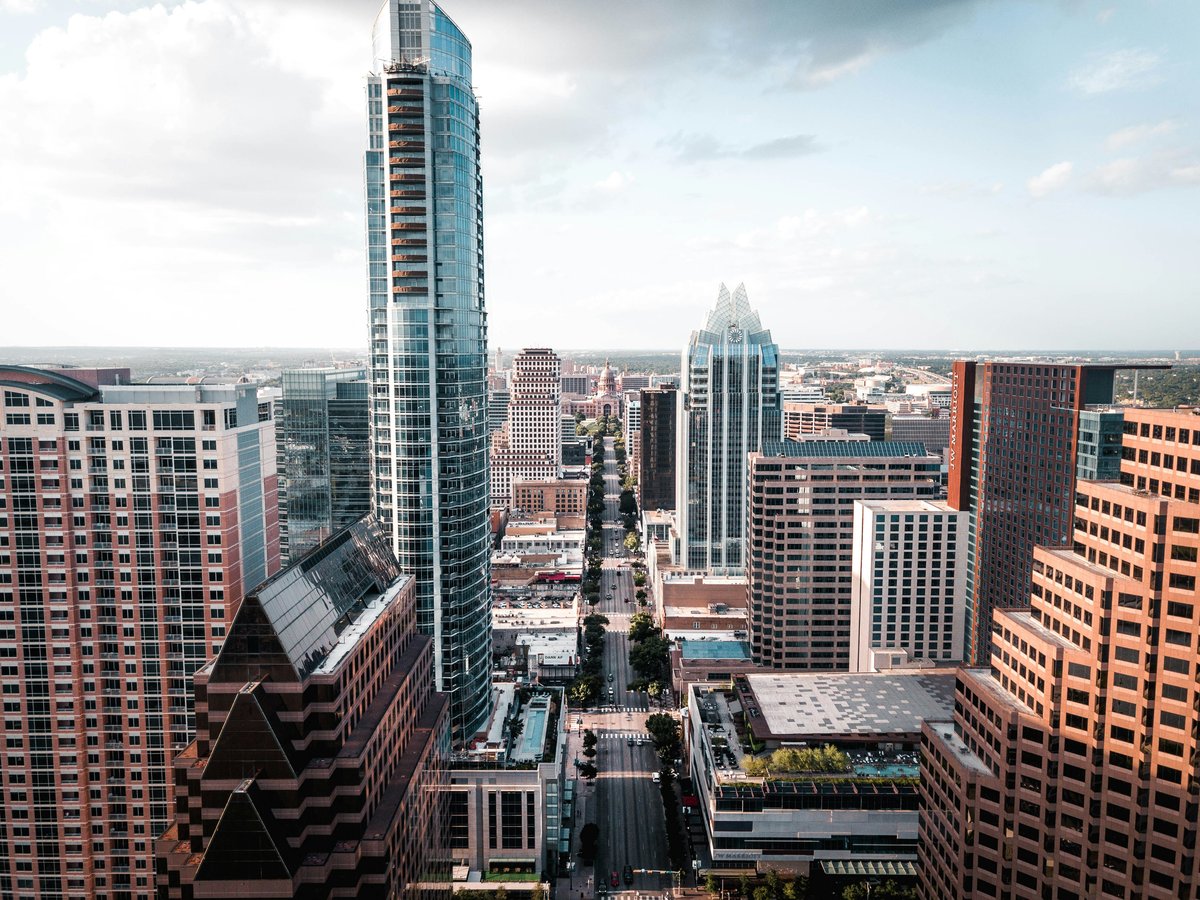
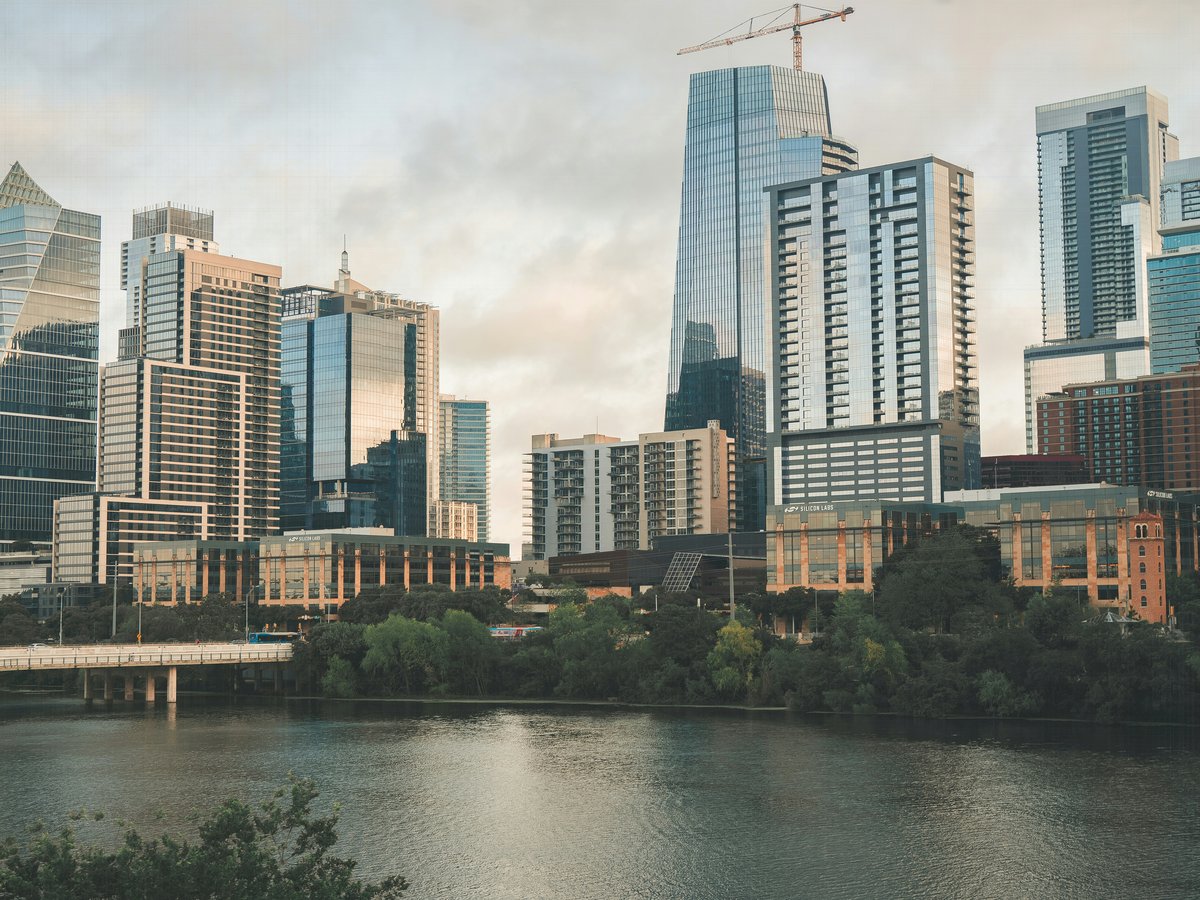
Austin, Texas sits at the eastern edge of the Hill Country where the Balcones Escarpment drops toward the Blackland Prairie, and that geological seam explains more about the city than any slogan could. The Colorado River cuts through downtown as a series of dammed lakes: Town Lake, renamed Lady Bird Lake in 2007, is the one you'll use, a narrow reservoir lined with crushed-granite trails where half the city seems to be running at any given hour. Austin grew slowly for most of its life, a government town anchored by the state capitol and the University of Texas, and that long modest stretch left it with a street grid and building scale that still feels human even as the population has nearly doubled since 2000. South Congress, the avenue locals shorten to SoCo, was a pawnshop strip within living memory; now it runs on boutique retail and expensive breakfast tacos, but the old motels with their neon signs are still standing. East of Interstate 35: the highway that has served as Austin's racial and economic dividing line since the 1928 city plan made that division explicit: neighbourhoods like East César Chávez and Holly are changing block by block, each new condo displacing the sort of taquería that defined the area for decades. The live music reputation is real but overstated; on a Thursday night you can walk Sixth Street's Red River district and hear three or four bands for ten dollars in cover charges, though the old Sixth closer to Congress Avenue is mostly bachelorette parties now. Summer heat is not a footnote: from June through September, afternoons regularly exceed 38°C, and the local rhythm shifts: mornings at Barton Springs, the spring-fed pool that holds a near-constant 20°C year-round, then shade until the sun drops and the patios fill again.
Austin in photos

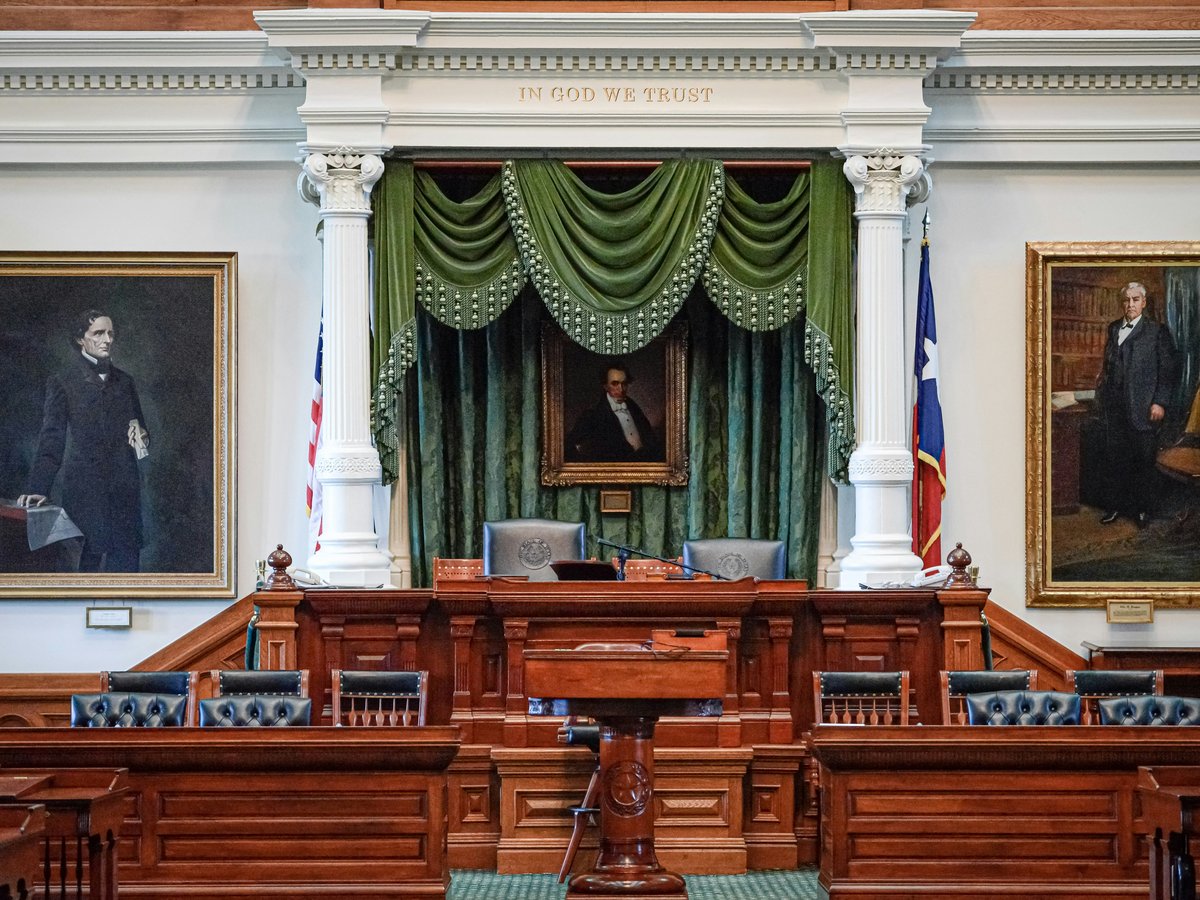
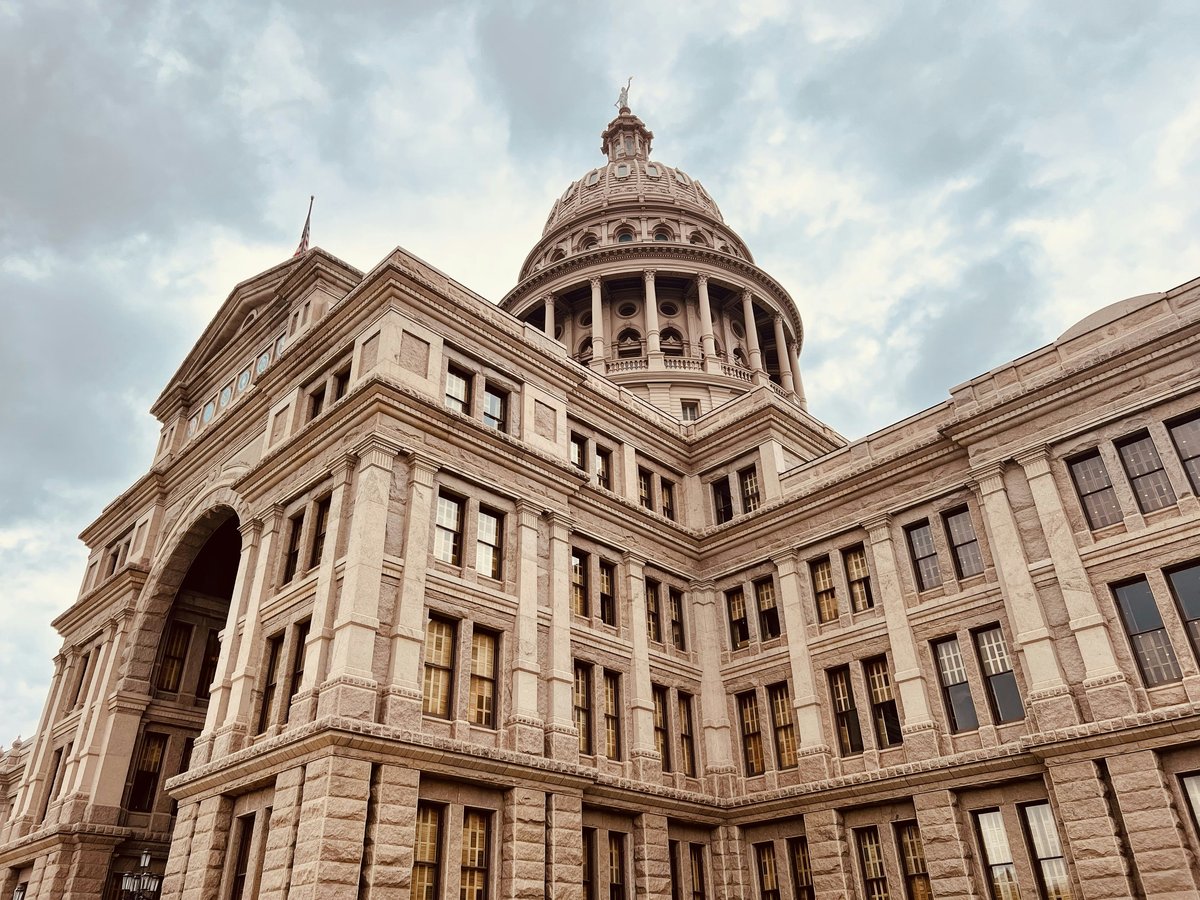
Austin right now
Answers about Austin
-
Airport to city
Take a rideshare from Austin-Bergstrom (AUS) to downtown. The trip runs 15-20 minutes and costs $15-25 on Uber or Lyft. Pickup is on the lower level outside baggage claim. Capital Metro's Route 20 bus costs $1.25 and takes 35-40 minutes to Republic Square, but runs limited hours after midnight. No rail link exists.
Read the full answer → -
Best time to visit
October and November. Austin's summer heat regularly tops 38°C (100°F) from June through August, making outdoor sightseeing miserable. By mid-October, afternoon highs drop to 27°C (80°F), the live-music calendar peaks around ACL Festival in Zilker Park, and hotel rates sit 20-30% below SXSW-season pricing. March and April work too, but expect SXSW crowds in mid-March.
Read the full answer → -
Cost per day
Budget $70 per day in Austin covers a hostel dorm, $4 breakfast tacos, and CapMetro day passes. Midrange runs $160 with a three-star hotel south of the river. Luxury hits $400 at The Driskill on Brazos Street. Hotel occupancy tax, tipping norms, and event-week rate spikes during SXSW or ACL Fest inflate every tier.
Read the full answer → -
Cultural etiquette
Austin runs on casual friendliness and 20% tips. Greet people with a simple "hey" or a nod. Never ask for ketchup on barbecue brisket. The dress code is shorts and boots year-round, though a few Rainey Street bars enforce dress codes after 10pm. Texans take politeness seriously, so hold doors and say thank you.
Read the full answer → -
Best day trips
Fredericksburg sits 80 miles west on US-290, with 50-plus wineries on Wine Road 290 and the National Museum of the Pacific War. San Antonio is 80 miles south on I-35 for the River Walk and UNESCO-listed Missions. Closer options include Gruene's 1878 dance hall at 50 miles and Lockhart's BBQ trail at 30 miles south.
Read the full answer → -
Digital nomads
Austin scores 7.2/10 for digital-nomad suitability (sourced from TTDI's editorial rubric). Google Fiber and AT&T Fiber deliver 1-Gbps symmetric for $70/mo across central neighborhoods. Coworking at Capital Factory runs $325/mo with 24/7 access. Monthly all-in budget sits around $3,200. The two honest downsides are total car dependency and a 5-month summer that currently feels like 36.5°C.
Read the full answer → -
Family-friendly
Austin is solidly family-friendly, with heat as the main caveat from May through September. Barton Springs Pool stays 68°F year-round, the Thinkery children's museum in Mueller charges $16 per person, and Zilker Park's 351 acres give kids real room to run. Car-dependent, though. Plan around that.
Read the full answer → -
Food culture
Austin's food identity sits on Central Texas brisket smoked over post oak, Tex-Mex built on yellow cheese and cumin, and the breakfast taco that locals eat before 8am. Franklin Barbecue on East 11th draws 3-hour lines for brisket at $32 a pound. Over 1,000 licensed food trucks keep prices competitive across East Cesar Chavez and South Congress.
Read the full answer → -
Getting around
Uber and Lyft for anything beyond walking distance. Austin has no subway. CapMetro's 801 MetroRapid bus runs every 12 minutes on South Congress and North Lamar for $1.25, and the app sells a $2.50 day pass for all routes. Electric scooters fill gaps downtown. South Congress, East 6th, and the 2nd Street district are walkable, but between neighborhoods, rideshare is the realistic answer.
Read the full answer → -
How to get there
Austin-Bergstrom International Airport (AUS) sits 13 km southeast of downtown, with nonstop domestic service from 70+ US cities. Southwest Airlines dominates the route map. Round-trip fares run $200-400 from most US cities, £500-800 from London Heathrow on British Airways. San Antonio (SAT, 130 km south) and Dallas-Fort Worth (DFW, 310 km north) serve as secondary hubs for international connections.
Read the full answer → -
Is it safe?
Austin scores a 7 out of 10 for solo-traveler safety (see the TTDI Solo-Safety Index). Violent crime stays low in the central neighborhoods visitors frequent. The real risks are extreme heat from May through October, aggressive panhandling near East 7th Street after dark, and limited late-night public transit once CapMetro buses stop around midnight. Emergency number is 911.
Read the full answer → -
Layover guide
Austin-Bergstrom sits 15 minutes by rideshare from South Congress Avenue, making it one of the easier US airports to leave on a layover. Five hours is the realistic floor for a domestic connection. You'll have time for one neighborhood and a proper meal. Summer heat is a real factor from June through September, so plan for shaded stops and air-conditioned venues.
Read the full answer → -
LGBTQ-friendly
Austin scores 7.5/10 for LGBTQ+ friendliness (sourced from TTDI's editorial rubric). The city's queer scene runs along 4th Street and Red River, anchored by Oilcan Harry's and Cheer Up Charlies. Same-sex marriage is federally legal since 2015, and Austin's anti-discrimination ordinance covers what the state of Texas will not.
Read the full answer → -
Where locals go
Austin locals skip Dirty 6th and Rainey Street. East Cesar Chavez between Chicon and Pleasant Valley has the food trucks and mezcalerias where under-35 Austinites eat weeknights. North Loop around 53rd is the old-Austin holdout for $4 drip coffee and vinyl. Barton Springs Pool at 5pm Tuesday is 90% locals paying $9 to sit in 68°F water.
Read the full answer → -
Must-see
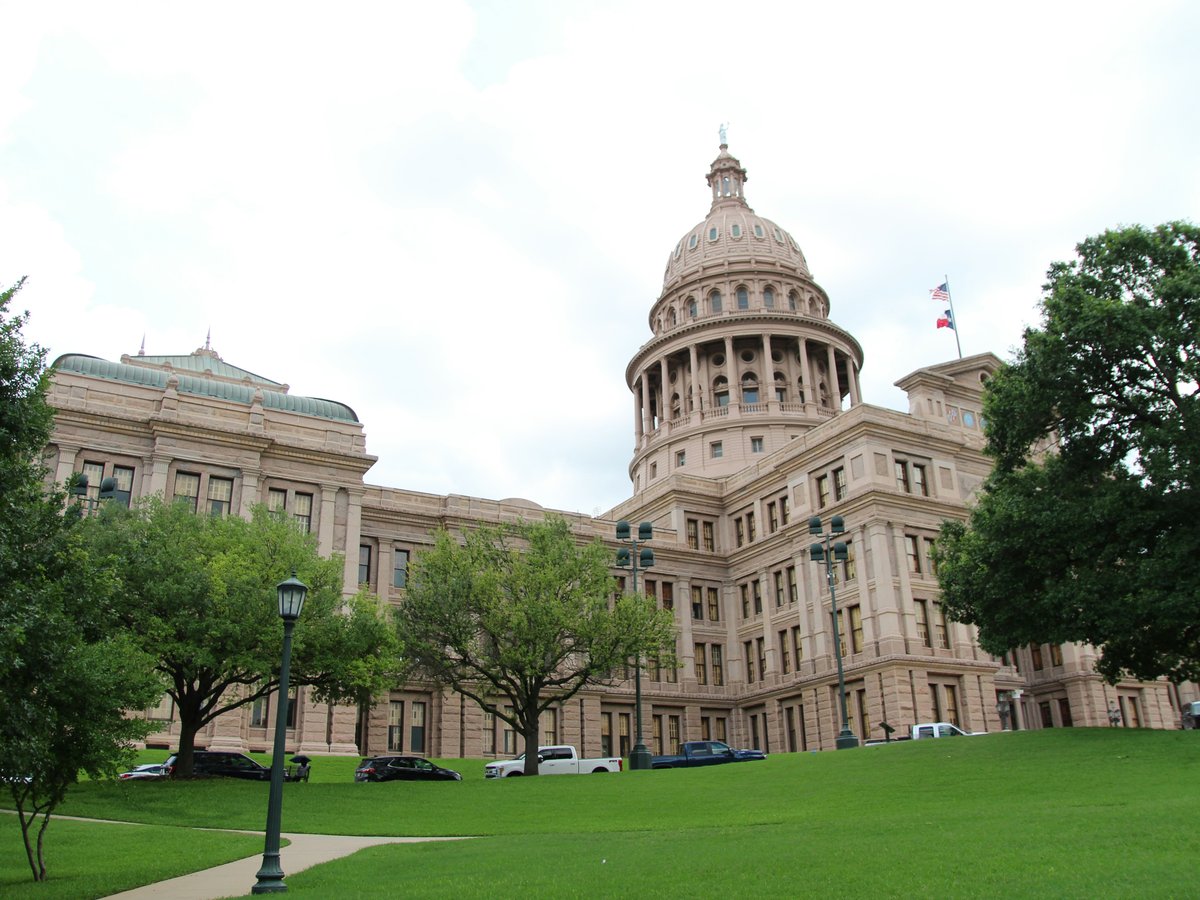
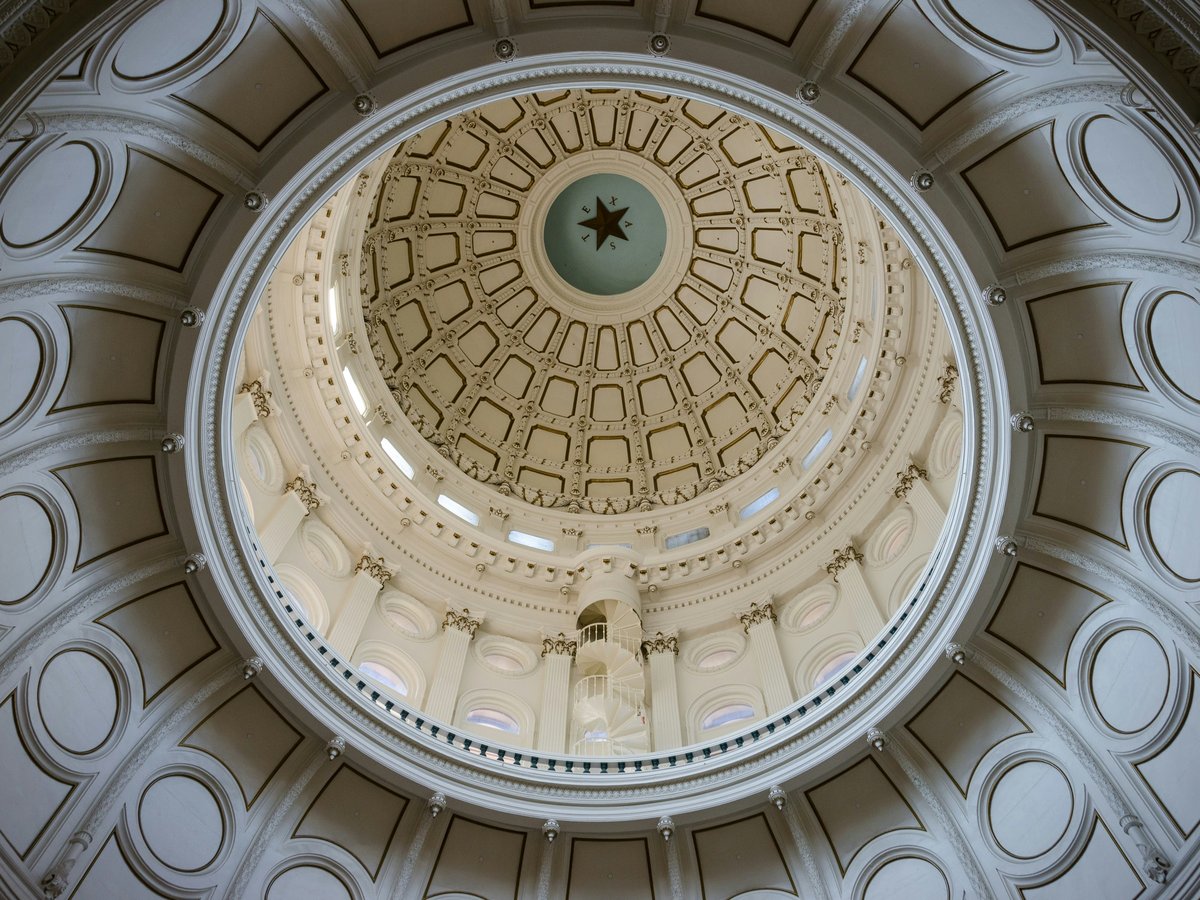
The Texas State Capitol. It stands 308 feet tall at the north end of Congress Avenue, built from sunset-red granite quarried near Marble Falls. Free to enter, no reservation needed. Walk the grounds first for the best city orientation, then work south down Congress Avenue toward the river and South Congress.
Read the full answer → -
Solo travel
Austin rates 7/10 for solo travel. Live music on Red River Street and 6th Street is a built-in social engine, and food truck parks eliminate the reservation problem entirely. The real gap is transit. CapMetro buses thin out after midnight, and most neighborhoods beyond downtown require a rideshare or rental car.
Read the full answer → -
This week
Austin this week runs on a heat-adjusted clock. Mornings belong to Lady Bird Lake's trail and Barton Springs Pool's cold spring water. Evenings shift to live music on 6th Street and the Congress Avenue Bridge bat colony at dusk. Saturday's SFC Farmers' Market Downtown and Sunday's Mueller market set the weekend rhythm.
Read the full answer → -
3-day itinerary
Day 1 covers South Congress and downtown Austin on foot, ending at the Congress Avenue Bridge bat colony at sunset. Day 2 moves north to the University of Texas campus for the Harry Ransom Center and LBJ Presidential Library, then east to East 6th Street. Day 3 is Barton Springs Pool and South Lamar. About 22 kilometres total.
Read the full answer → -
What to avoid
Skip Dirty Sixth Street after midnight, avoid I-35 at rush hour, and never eat BBQ at a place with no line. Austin's summer heat tops 105°F in July and August. Pedicabs on 6th Street charge $40 for 3 blocks. Cedar fever hits hard from December through February.
Read the full answer → -
What to pack
Austin in June means 35°C afternoons with 78% humidity and sudden evening thunderstorms. Pack moisture-wicking shirts, a wide-brim hat, reef-safe sunscreen for Barton Springs Pool, broken-in walking shoes for the South Congress sidewalks, and a packable rain shell. Swimwear is non-negotiable. Skip the umbrella. Buy a $5 one at any H-E-B if storms catch you.
Read the full answer → -
Where to stay
South Congress for first-timers. You're 10 minutes on foot from Lady Bird Lake, 15 from the Texas Capitol, and surrounded by restaurants that aren't chains. Budget $150-250 for a mid-range hotel on South Congress. East Austin runs $100-170 and has better food, but you'll need a car or rideshare after dark.
Read the full answer →
Deep guides for Austin
-
Austin With Kids: What Works
Austin pulls an 8.2 on the family-friendliness index, which sounds good until your toddler melts down on South Congress at 2 PM in July. The parks are world-class, but the city does not hand you a family itinerary. This guide builds one from what actually works.
Read the guide → -
Best Time to Visit Austin, by Season
A month-by-month projection from 5-year daily weather averages. June through August hit 34-36°C. October's 29°C days and 17°C nights mark the sweet spot. The case for every season, and the single best window for five kinds of visitor.
Read the guide →
Curated lists for Austin
accommodation
-
Best boutique hotels
Austin's hotel inventory spreads across a city built for cars, not for walking between neighborhoods. The densest clusters sit downtown near Congress Avenue and Sixth Street, where live-music noise and nightly rates peak together. South of Lady Bird Lake the pace slows and the prices shift: South Congress trades bar-crawl energy for taco-truck character, while the lakeside strips offer trail access and fewer crowds. North of the river the map fractures into suburban pockets tied to tech campuses, the university, and the airport corridor along Highway 71. The mid-range tier dominates Austin's boutique inventory; genuine luxury options are scarce compared to Houston or Dallas, so a $149 room often buys the best the block has. Choosing a neighborhood here means choosing a version of the city. The downtown core delivers first-visit Austin with all its noise. The university district keeps rates lower and the streets quieter. The northern suburbs trade walkability for kitchen suites and free parking. Pick the radius that matches how you plan to spend the hours outside your room, because the hotel itself is rarely the reason to come to Austin.
See the picks → -
Best hostels
Austin's hostel-price inventory spreads across four distinct zones, and only one puts you within walking distance of live music and the Capitol dome. Budget beds sort into a tight downtown core where Congress Avenue anchors the action, a pair of freeway-adjacent strips north of US-183 where rates drop below $50, and a quieter southern pocket off I-35 near Slaughter Lane. Transit connections matter here: Capital Metro's rail line threads through downtown and the northern corridors, but service thins out after midnight, so your neighborhood choice sets your evening radius. Rates across all four zones stay under $80 a night, which means the real decision is not price tier: it is whether you want bar-crawl proximity or a parking lot and a car. Austin's tourist core is walkable but small, and everything outside it is a driving city. Book downtown if you want to leave the car parked. Book north or south if you want space, a kitchenette, and lower nightly cost, and accept that you will need wheels for Sixth Street.
See the picks → -
Best luxury hotels
Austin's luxury hotel market splits along two lines: the Congress Avenue and Second Street corridor downtown, where branded towers and legacy addresses compete for the same blocks, and a looser constellation of properties in the Warehouse District, the Rainey Street Historic District, and the Rock Rose zone to the north. Nightly rates on this list run from USD 203 to USD 917; the spread tells you this is not a market where one name dominates. The Congress Avenue strip holds the density, but the sharper identity and better value often sit a few blocks off the main drag. Business travelers arriving for conventions, weekend visitors chasing live music, and families looking for pool access and parking all land in the same city but need different things from their hotel. This list ranks twelve luxury-classified properties by overall quality, not by price or geography, and each entry grounds its claims in the current Trip.com listing.
See the picks → -
Where to stay
Austin's hotel inventory clusters along a north-south spine that follows Congress Avenue from the Capitol down to Lady Bird Lake, then scatters into quieter pockets south of the river and north toward the Domain. The densest concentration sits in the city center and downtown blocks between Sixth Street and the waterfront, where rates span from $67 budget beds to $917 lakefront suites. South of the river, extended-stay properties in Southpark and airport-adjacent rooms in Montopolis trade walkability for lower nightly costs. The Medical District and Ridge Top neighborhoods near the University of Texas offer mid-range rooms within reach of campus and the Capitol without downtown pricing. Rainey Street sits at the southern edge of downtown, where converted bungalow bars share the block with a Four Seasons. Further north, the Domain's Rock Rose district delivers a second downtown entirely, built around retail and restaurants rather than live music. Choosing a neighborhood here means choosing between walkability and price; the closer to Congress Avenue, the more you pay for the privilege of leaving your car parked.
See the picks →
attractions
-
Best free attractions
Austin's free layer is mostly green: state park, city park, greenbelt, botanical garden, wildflower research center; the kind of civic inventory a visitor can string together for a week without opening a wallet. What follows is not a checklist of every mowed lawn inside the loop; it is ten places that Wikidata records as actual, mapped destinations in Travis County and its immediate southeast and northwest edges, ranked in the order a first-time visitor should meet them. Some sit downtown on Guadalupe and Barton Springs Rd; others require a short drive out past the airport or into the hills northwest of town. Skip the paid attractions on the first pass: Austin's most defensible entertainment has always been its parkland, and the free tier is deep enough that you can spend three full days outside without repeating a coordinate. Bring water. Bring sun cover. The rest of this list assumes you did.
See the picks → -
Best museums
Austin's museum bench is deeper than its skyline lets on, and it leans on the University of Texas as much as on the state itself. Two of the strongest holdings, the Harry Ransom Center at 300 West 21st Street and the Lyndon Baines Johnson Library and Museum at 2313 Red River Street, sit on campus and treat archives and objects as primary sources rather than props. Downtown carries the civic weight: the Bullock Texas State History Museum at 1800 Congress Avenue frames the state's story, while The Contemporary Austin at 700 Congress Avenue keeps the argument current with a second location and a rolling program. Around the edges, smaller houses do specific work well, from the Elisabet Ney Museum at 304 E. 44th St. to the Texas Military Forces Museum at 2200 West 35th Street. This list is for visitors who would rather spend two hours with a real thing than two hours with a lobby.
See the picks →
food
-
Best cafes
Austin's coffee habit is unusual for a city its size: the map runs from a downtown coffee bar that keeps a liquor license until 02:00 to an east-side yard that never locks the door, with Guadalupe Street's student blocks and the South Congress strip filling in between. The twelve rooms below are picked to cover that spread honestly. Some are coffee_shops in the OSM sense of the word, kettle and espresso and a pastry case; others are teahouses pulling gongfu service, or bubble_tea counters, or a Greek kitchen with a full bar that still calls itself a cafe. What they share is a real address, a real phone number, and hours you can plan a morning or a late night around. Skip the airport-chain playbook of finding the nearest logo; the rooms worth finding in this town keep odd schedules and let you sit longer than a transaction requires. Read each entry for what it is, not what its category implies, and pick by the hour you keep.
See the picks → -
Best restaurants
Downtown Austin's restaurant grid tightens into a few walkable blocks around Congress Avenue, Lavaca, and the streets that spill east toward the river. The twelve rooms below sit inside a rectangle you can cross on foot in twenty minutes, which is the honest test of a downtown dining scene: can a visitor eat well three times in a day without a car. These are not the barbecue pilgrimages an hour out of town or the taco trucks a Lyft ride east; these are the addresses that hold the ground floor of the city, from a French-Italian corner room to a counter that only serves omakase to a taqueria that opens at 06:30 for the people who work here. The list runs the register a downtown visitor needs: an early breakfast, a fast Mediterranean bowl, a proper sushi seat, a barbecue plate you didn't drive to, a Brazilian rodizio, a late burger. Every address, phone number, and service hour below is drawn from the OpenStreetMap record for that venue; the opinions are ours.
See the picks →
Browse by traveler type
- For foodies
Austin for foodies
- For families with kids
Austin for families
- For digital nomads
Austin for digital nomads
- For solo travelers
Austin for solo travelers
- For couples
Austin for couples
- For budget travelers
Austin on a budget
- For luxury travelers
Austin for luxury travelers
- For first-timers
Austin for first-time visitors
Book experiences in Austin
 Free cancellation
 Best of Austin Small-Group Driving Tour with Local Guide
City tour: 2 hours, free cancellation.
via Viator Free cancellation
 Austin Biker Gang E-Bike Tour
City tour: 1.5 hours, free cancellation.
via Viator Free cancellation
 Double Decker Austin Single Loop Sightseeing Tour
City tour: free cancellation.
via Viator Free cancellation
 Austin Electric Bike Tour: Let it Ride
City tour: free cancellation.
via Viator Free cancellation
 Austin in a Nutshell Bike Tour with a Local Guide
City tour: 2 hours, free cancellation.
via Viator Free cancellation
 Austin Live Music Crawl
City tour: 3 hours, free cancellation.
via Viator Free cancellation
 Lake Austin Sunset Boat Cruise – 1 - Hour Scenic Tour BYOB
Cruise: 1 hour, free cancellation.
via Viator Free cancellation
 Austin Good Vibes E-Bike Tours
Outdoor experience: 2 hours, free cancellation.
via Viator Free cancellation
 Austin Small Group Morning Walk
City tour: free cancellation.
via Viator Free cancellation
 Guided Sunset Bat Kayak Tour in Austin
Outdoor experience: 2 hours, free cancellation.
via Viator Free cancellation
 Lake Travis Public Sunset Tour, BYOB
Cruise: 1.5 hours, free cancellation.
via Viator Free cancellation
 Lake Austin Private Boat - 2 Hour, Cooler, Swim, BYOB, Float Pad
Outdoor experience: 2 hours, free cancellation.
via ViatorBrowse by interest
Find a flight to Austin
Live fares to Austin appear here once cookies are accepted.
Last verified by automated review (v1.7.2) on . What is automated review?