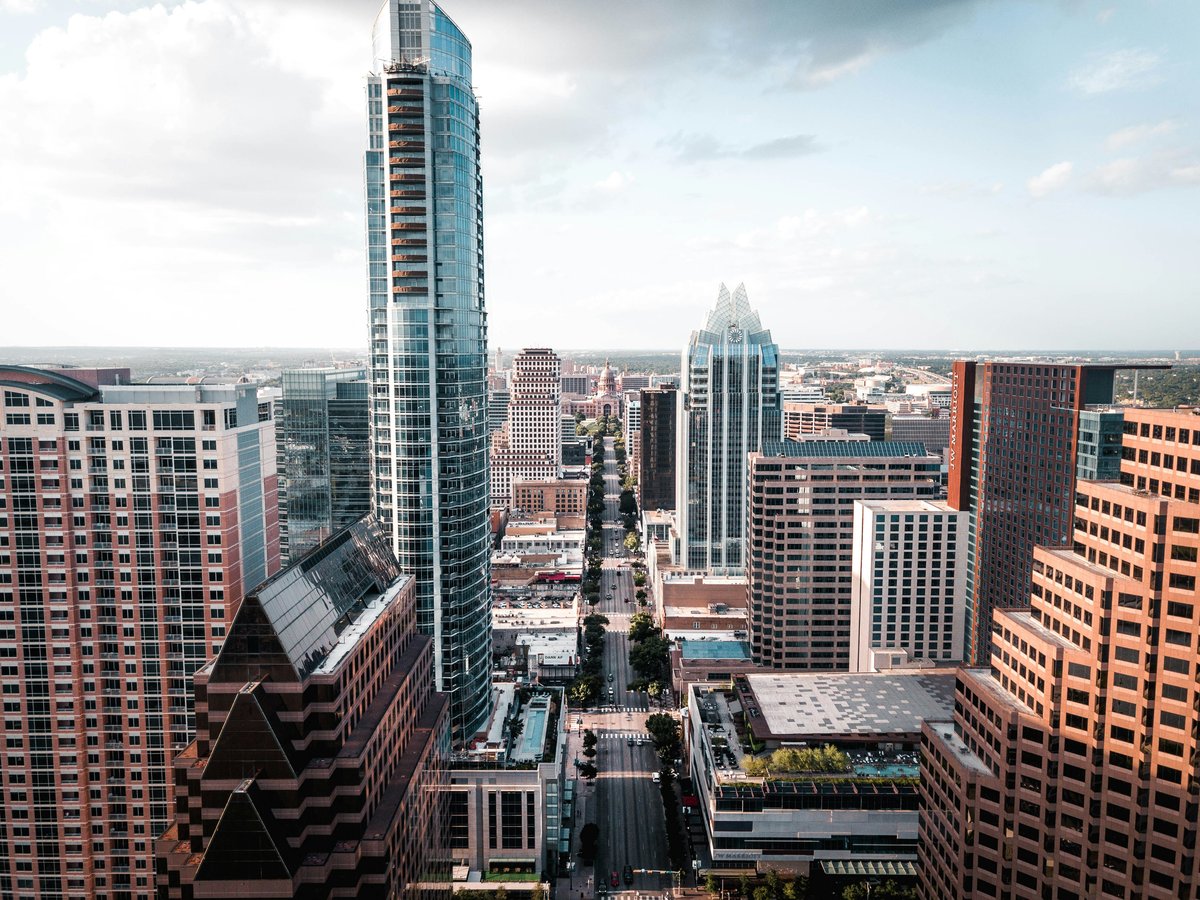
Austin has never really been a shopping destination in the way Dallas or Houston might be. What it does well is independent retail, the kind of stores run by people who moved here in the 2000s and opened the business they wished existed. South Congress Avenue probably gets the most attention, but the city's real shopping identity sits in a network of vintage stores, boot makers, local food producers, and weekend markets scattered across neighborhoods like East Austin, North Loop, and the South Lamar corridor. Texas has no state income tax, and the 8.25% sales tax in Austin applies to most goods. You'll find that locals tend to shop at small-batch makers and local boutiques rather than department stores, which gives the retail landscape a personality that feels more Portland than Houston. The city's Keep Austin Weird slogan started as a plea to support local businesses back in 2000, and that ethos still runs through most of the shopping worth doing here.
Shopping districts
-
South Congress Avenue (SoCo)
mid-range to highSouth Congress between Barton Springs Road and Oltorf Street is the stretch most visitors end up on, and for good reason. The sidewalks get crowded on weekends, especially between the 1400 and 1600 blocks. You'll find Western wear shops next to mid-century modern furniture stores, with a few boutiques selling handmade jewelry and locally designed clothing mixed in. The vibe tends toward curated and a little performative. Worth noting, the rents along SoCo have climbed considerably since 2018, so the shops that survive here are either well-established or backed by enough capital to hold the lease. Some of the vintage clothing spots have been here 15+ years. It smells like leather and boot polish in the Western stores, and the food trailer lots between shops give the whole strip this persistent scent of smoked meat and coffee.
Best for: Western wear, vintage clothing, handmade jewelry, local boutiques
-
North Loop Boulevard
budget to mid-rangeNorth Loop runs through a residential area north of the University of Texas campus, roughly between Burnet Road and Avenue F. This is where you go when SoCo feels too crowded. The shops here lean vintage, vinyl, and counterculture. Record stores still do real business on North Loop, and the vintage clothing tends to be more genuinely secondhand than the curated-resale you see on South Congress. Prices sit lower than SoCo by a noticeable margin. The neighborhood has a worn-in, comfortable feel. Dogs on patios, hand-painted signage, that sort of thing. The foot traffic is lighter, which means you can browse without bumping elbows on a Saturday afternoon.
Best for: Vinyl records, vintage clothing, used books, counterculture goods
-
South Lamar Boulevard
mid-rangeSouth Lamar between Barton Springs and Ben White Boulevard has filled in with a mix of local shops and restaurants over the past decade. It's less of a walking district than SoCo. You'll likely drive between stops. The corridor includes outdoor gear shops, a few home goods stores, and some of the better plant nurseries in central Austin. The shopping here feels more practical than performative. Locals come to South Lamar to buy things they need, not to stroll. The Lamar Union development near the northern end brought in some higher-end options around 2015.
Best for: Outdoor gear, home goods, plants, practical shopping
-
East Austin (East Cesar Chavez and surrounding streets)
mixedEast of I-35, the blocks around East Cesar Chavez Street and East 6th Street have become Austin's most creatively dense shopping area. Many of the stores here are run by artists and makers selling their own work directly. Ceramics, leather goods, prints, small-batch skincare. The buildings tend to be converted bungalows or old commercial spaces with concrete floors and that faint smell of fresh paint. Gentrification has reshaped this neighborhood considerably since 2010, and the tension between old and new East Austin is visible if you're paying attention. Prices vary wildly, from a few dollars for a screen-printed poster to several hundred for handmade furniture.
Best for: Artist-made goods, ceramics, leather work, local maker studios
-
The Domain
high to luxuryThe Domain sits at the intersection of Burnet Road and MoPac in North Austin. It opened in 2007 and has expanded several times since. This is Austin's answer to the open-air luxury mall, with national brands like Nordstrom, Louis Vuitton, and Tiffany alongside chain restaurants. If you're looking for independent Austin retail, this is not the place. But if you want efficient, air-conditioned shopping with parking, The Domain delivers that without apology. The complex draws heavily from the tech workers living in the apartment towers built around it. On weekday lunches, the crowd skews noticeably younger and more corporate than the rest of Austin's shopping districts.
Best for: National brands, luxury retail, efficient one-stop shopping
-
Burnet Road (North Burnet and Allandale stretch)
budget to mid-rangeBurnet Road between 45th Street and Anderson Lane has quietly become one of Austin's better strips for independent shopping. The stores here are less polished than SoCo and less hip than East Austin, which is part of the appeal. You'll find antique malls, resale shops, a couple of solid vintage furniture dealers, and some of the city's better Asian grocery stores. The road itself is not particularly pretty. It's a wide, car-oriented corridor with strip mall architecture. But the value is real, both in prices and in the kind of finds that reward a slow afternoon of browsing.
Best for: Antiques, vintage furniture, resale shops, Asian groceries
-
2nd Street District
mid-range to highThe 2nd Street District downtown, between Congress Avenue and San Antonio Street, is a newer development that caters to the convention and hotel crowd. The shops tend toward polished local brands and upscale gift stores. It's walkable from most downtown hotels, which makes it convenient if you're in town for a conference at the Austin Convention Center. The district sits right above Lady Bird Lake, so you can combine shopping with a walk on the hike-and-bike trail. Foot traffic peaks on weekday lunch hours and Saturday mornings.
Best for: Upscale gifts, local brands, convenient downtown shopping
Markets
-
Austin Flea
artisanAustin Flea rotates between several locations across the city, typically setting up at breweries and event spaces on weekends. The vendors are almost entirely local makers selling handmade goods: jewelry, leather wallets, candles, block-printed textiles, small-batch hot sauces. The quality tends to be a step above what you'd find at a typical craft fair. Expect to spend between 10 and 80 dollars per item for most things. The atmosphere feels relaxed. People sip local beer while they browse. Each location has a different character depending on the host venue.
Weekends, rotating locations, typically monthly at each venue
-
SFC Farmers' Market at Sunset Valley
foodThe Sustainable Food Center runs this Saturday morning market at the Toney Burger Activity Center in Sunset Valley. It operates year-round, and the produce selection peaks between May and October when Texas stone fruit and tomatoes are in season. You'll find grass-fed beef from ranches within 150 miles of Austin, local honey, tamales, fresh tortillas, and seasonal flowers. The smell of roasting green chiles hits you from the parking lot in late summer. Vendors here are required to be producers, not resellers, so everything is genuinely local. It tends to be less crowded than the downtown market.
Saturdays year-round, typically 9am to 1pm
-
SFC Farmers' Market Downtown
foodThe downtown location of the Sustainable Food Center's market takes over Republic Square Park on Saturdays. It's been running since 2003 and pulls a bigger crowd than the Sunset Valley location. The vendor mix includes farms, bakeries, prepared food stalls, and a few artisan goods makers. The breakfast taco line is usually the longest. Live music tends to start mid-morning. The park setting is pleasant, shaded by pecan trees, though it gets warm by noon from April through October. Parking downtown can be tricky, so locals often bike or take the bus.
Saturdays year-round, typically 9am to 1pm
-
Round Rock Market Days
fleaTechnically north of Austin in Round Rock, this monthly market runs along the historic downtown strip near the intersection of Main Street and Mays Street. It pulls around 100 vendors on a good month, mixing antiques, vintage clothing, handmade crafts, and food trucks. The vibe is more flea market than artisan fair. Prices are negotiable at most booths. The crowd is a mix of families, collectors, and people who drove up from Austin for the morning. It's been running since the mid-2000s. Worth the 20-minute drive if you like digging through boxes.
First Saturday of each month, typically 9am to 4pm
-
Blue Genie Art Bazaar
artisanBlue Genie runs for about 6 weeks from mid-November through late December at a warehouse space that varies year to year. It's Austin's most established holiday art market, featuring over 100 local artists and craftspeople selling original work. Ceramics, woodwork, jewelry, prints, ornaments, leather goods. Price points range from stocking-stuffer territory around 10 dollars up to several hundred for larger pieces. The quality control is noticeable. The organizers curate the vendors, so there's less repetition than you might expect. It gets packed on weekends in December.
Mid-November through late December, daily during the holiday season
-
East Austin Studio Tour (EAST)
artisanEAST happens over two weekends in November, when hundreds of artists across East Austin open their studios to the public. It's technically an art event, not a market, but many artists sell directly during the tour. You can walk into studios and see works in progress, talk to the makers, and buy pieces that range from prints under 50 dollars to large installations in the thousands. The tour covers a wide geographic area east of I-35, so a bicycle or car helps. It started in 2003 and has grown to include over 400 participating studios in recent years.
Two weekends in November, self-guided, free admission
Souvenirs worth bringing home
The most genuinely Austin souvenirs tend to be consumable or wearable. Local hot sauce brands are easy to pack and widely available at grocery stores like Wheatsville Co-op or Central Market. Texas pecan pralines travel well and you can find them at the SFC farmers' markets and some SoCo shops. Western boots are a real purchase, not a gimmick. Several South Congress shops carry boots from Texas-based makers, and a quality pair might run between 200 and 600 dollars. Vintage concert t-shirts from Austin's music venues carry actual history. Willie Nelson memorabilia has become its own cottage industry. Local ceramicists sell mugs and bowls at the Austin Flea and EAST that are handmade and specific to this city's maker community. Screen-printed posters from local print shops, particularly gig posters from music venues like the Mohawk or Stubb's, are popular and genuinely tied to Austin's live music culture. Yeti drinkware is headquartered in Austin and their flagship store on South Congress carries items you might not find elsewhere. Avoid anything labeled "Keep Austin Weird" unless you want a bumper sticker. The phrase has become so commercialized that locals tend to roll their eyes at the branded merchandise.
Practical tips
- Sales Tax
- Texas charges no state income tax, but Austin's combined sales tax rate is 8.25%. This applies to most retail goods. Groceries (unprepared food) are exempt from state sales tax but may still carry local tax. There is no VAT-style tourist refund program in the United States, so the tax you pay at the register is final.
- Bargaining
- Fixed prices are the norm in retail stores across Austin. At flea markets like Round Rock Market Days, polite negotiation is expected and vendors typically have some flexibility, especially late in the day or if you're buying multiple items. At artisan markets like Austin Flea, prices are generally firm because you're buying directly from the maker. Asking "is that your best price?" is acceptable at flea markets but awkward at boutiques.
- Store Hours
- Most independent shops in Austin open between 10am and 11am and close by 6pm or 7pm. SoCo and East Austin boutiques may stay open until 8pm on Fridays and Saturdays. Monday is the most common closing day for small shops. The Domain and other mall-style centers keep standard hours, typically 10am to 9pm Monday through Saturday and noon to 6pm on Sundays. Farmers' markets are morning-only affairs that wrap up by early afternoon.
- Payment Methods
- Credit and debit cards are accepted nearly everywhere in Austin, including most market vendors and food trucks. Apple Pay and Google Pay work at a growing number of shops. Cash is still useful at flea markets and some smaller vendor booths. ATMs are easy to find but charge fees of 2 to 4 dollars per withdrawal at non-bank machines. Tipping is not expected in retail settings but is appreciated when buying directly from artists or makers at markets.
- Best Times to Shop
- Weekday mornings are the quietest times at SoCo, North Loop, and East Austin shops. Saturday mornings draw the biggest crowds to the farmers' markets and South Congress. The holiday season from late November through December brings the Blue Genie Art Bazaar and heavier foot traffic at all shopping districts. Texas sales tax holidays typically happen in August for back-to-school purchases, which can save 8.25% on qualifying clothing and school supplies.
- Getting Around Shopping Districts
- SoCo and North Loop are walkable once you arrive, but you'll likely need a car or rideshare to move between districts. Austin's public transit, operated by Capital Metro, connects downtown to most shopping areas via bus routes. The MetroRail Red Line reaches The Domain area from downtown. Street parking is free in most neighborhoods outside of downtown, where meters and paid lots are the norm. Rideshare from downtown to SoCo runs around 8 to 15 dollars depending on time of day.
FAQ
What is Austin best known for in terms of shopping?
Austin's shopping identity leans heavily toward independent and locally made goods rather than luxury retail or big-box stores. The city is particularly strong in Western wear and boots, vintage clothing, vinyl records, local food products like hot sauces and pecans, and handmade goods from its large maker and artist community. South Congress Avenue is the most recognized shopping street, but neighborhoods like North Loop and East Austin often offer better value and a less crowded experience.
Is South Congress Avenue worth visiting for shopping, or is it too touristy?
SoCo draws tourists, no question. But several of the shops along the avenue have been there for over a decade and sell genuinely interesting merchandise. The Western wear stores carry real boots from Texas makers, and the vintage shops are well-curated. The key is going on a weekday morning when the foot traffic is lighter. Saturday afternoons between noon and 4pm tend to be the most congested. To be fair, some of the newer boutiques feel interchangeable with what you'd find in any trendy neighborhood in any American city, but the strip still has enough Austin-specific character to be worth a walk.
Where can I find the best vintage shopping in Austin?
North Loop Boulevard is the strongest concentration of vintage shops in the city, with stores specializing in clothing, records, and home goods all within walking distance of each other. Burnet Road between 45th and Anderson has several antique malls and vintage furniture dealers. East Austin has a few scattered vintage spots mixed in with the maker studios. SoCo has vintage stores too, though prices tend to run higher there given the rents. For the deepest digging, the monthly Round Rock Market Days flea market north of the city draws vendors with everything from mid-century furniture to vintage Western wear.
Are there any good night markets in Austin?
Austin does not have a dedicated night market in the way cities in Southeast Asia or even some larger American cities do. The closest equivalent might be occasional evening market events organized by local groups, but these tend to be seasonal or one-off. The city's food truck parks, like those on South Congress and East 6th Street, stay open late and can feel market-like after dark, with multiple vendors and outdoor seating. The Violet Crown Social Club and similar venues occasionally host evening pop-up markets, but you'd need to check local event listings closer to your visit.
When is the best time of year to shop in Austin?
November and December bring the Blue Genie Art Bazaar and the East Austin Studio Tour, making late fall the peak season for locally made art and gifts. The SFC Farmers' Markets are at their best from May through October when Texas produce peaks. The August sales tax holiday saves 8.25% on qualifying items like clothing. Spring and fall offer the most comfortable weather for walking the outdoor shopping districts, as summer temperatures routinely exceed 100 degrees Fahrenheit from June through September, which makes prolonged outdoor browsing genuinely unpleasant.
What is the tipping etiquette when shopping at Austin markets and boutiques?
Tipping is not expected when buying retail goods in Austin, whether at a shop or a market booth. At food vendors within markets, a tip of 15 to 20 percent is customary, the same as at any Austin restaurant. Some artisan market vendors have tip jars, but adding a tip is entirely optional. If an artist at EAST or Austin Flea spends significant time explaining their process or customizing a piece, a tip is a generous gesture but not an obligation. Credit card terminals at food stalls may prompt you with suggested tip amounts of 15, 20, or 25 percent.
Last verified by automated review (v1.7.2) on . What is automated review?