Is Anchorage good for digital nomads in 2026?
Anchorage scores 4.2/10 for digital nomads (sourced from TTDI's editorial rubric). GCI fiber reaches 250 Mbps in Midtown and Downtown, but coworking options are thin, groceries run 30-40% above Lower 48 prices, and winter daylight drops to 5.5 hours by December. Summer's 19-hour days and proximity to Chugach State Park make a June-August stint workable if you budget $3,800 a month all-in.
Anchorage runs on GCI, the dominant ISP across Alaska. Fiber is available in parts of the city, and residential plans that handle video calls cost roughly $100 a month, almost twice what you'd pay for the same tier in Seattle. Airbnb listings in Midtown and Downtown tend to advertise 'high-speed internet' without specifying numbers. Ask the host for a Speedtest screenshot before booking. Anything below 50 Mbps will struggle with Zoom and screen-share running simultaneously. Cell coverage from T-Mobile or AT&T works in the city bowl but dies 20 minutes into any mountain road. If you're arriving from outside the US, grab an eSIM before landing. GCI's prepaid data runs about $55 for 15 GB, which disappears fast if you're hotspotting.
Dedicated coworking is where Anchorage feels its size. The city has a handful of shared office spaces, but nothing like the density of Portland or Denver. The Z.J. Loussac Library on Denali Street is the reliable fallback. Free WiFi at 30-50 Mbps, quiet study rooms on the second floor, open until 9 PM on weekdays. It smells like old carpet and printer toner, but the chairs are comfortable and nobody hassles you. For cafe work, Kaladi Brothers Coffee is Anchorage's homegrown chain with locations across town. The Spenard location on Brayton Drive has the most relaxed atmosphere for parking with a laptop. A 16-oz Americano costs $4.75. SteamDot Coffee Roasters in Midtown has faster WiFi, around 40 Mbps, better beans, and tables that fill by 10 AM. None of these spots have the 'camp here all day' culture you'd find in Chiang Mai. Plan on 3-4 hours before you feel the social pressure to order again or leave.
For a month-plus stay, Midtown is the practical base. The Fred Meyer on Northern Lights Boulevard handles groceries, there's coin laundry on Fireweed Lane, and furnished 1-bedroom apartments on Furnished Finder or Craigslist run $1,400-1,800 a month. Downtown has more walkability and restaurant options but fewer grocery stores, and the nearest full supermarket is a 15-minute walk that feels much longer at negative 15°C in January. Spenard has cheaper rent, $1,100-1,500 for a furnished 1-bedroom, and the neighborhood has a scrappy, lived-in feel. The Spenard Roadhouse does a solid brunch for $16. Mind you, Anchorage's ride-share coverage is thin. Uber technically operates here, but wait times outside Downtown regularly hit 20-30 minutes. The People Mover bus system runs limited routes. Most nomads staying beyond a few weeks end up renting a car, which adds $800-1,200 a month to the budget.
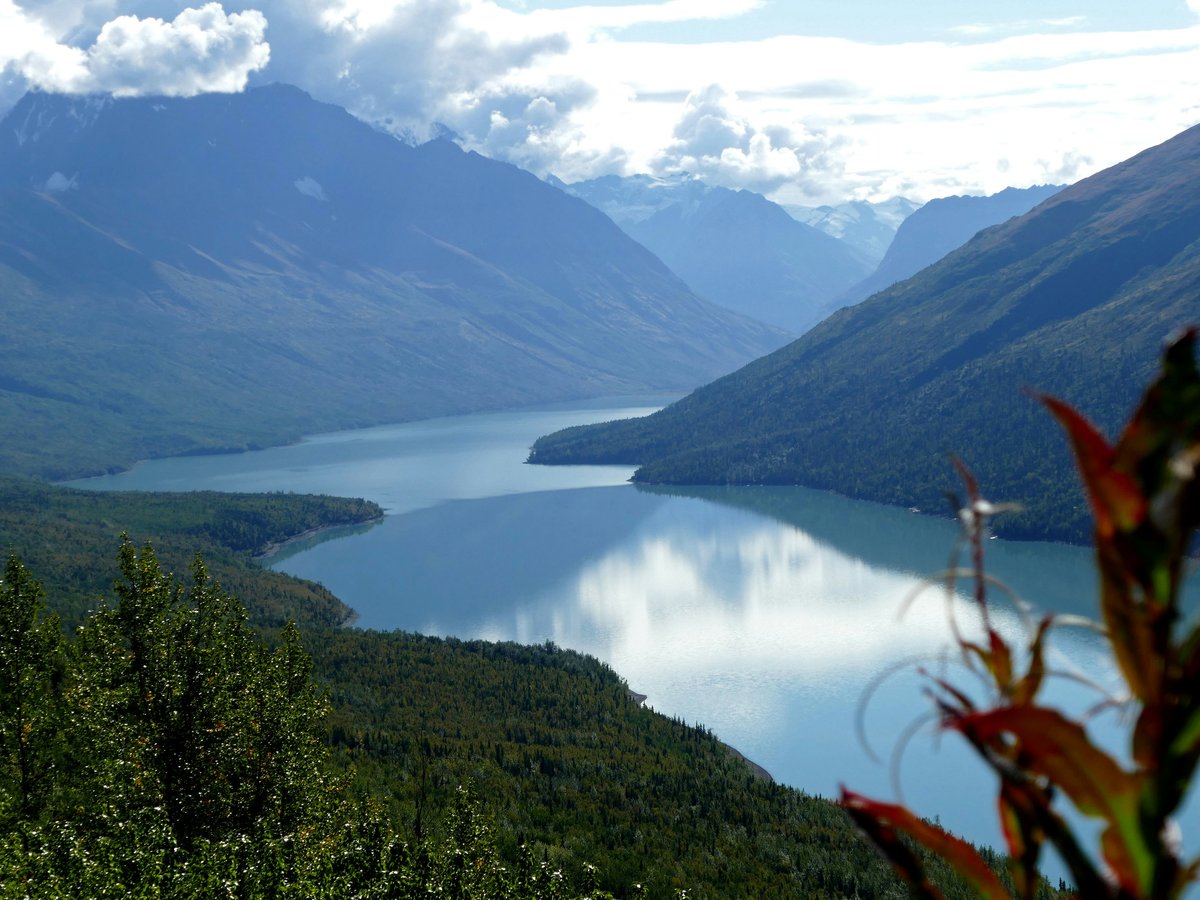
The seasonal question is the real filter. Summer, late May through August, gives you 18-19 hours of daylight, temperatures around 15-20°C, and the constant smell of spruce and fireweed drifting in off the Chugach Mountains. You can run the Tony Knowles Coastal Trail at 9 PM in full sun, with Cook Inlet on one side and the chance of a moose on the other. That's the sell. Winter inverts everything. By December, sunrise hits around 10:14 AM and sets at 3:42 PM. The cold is dry, not the bone-wet cold of the Great Lakes, but sustained minus 15°C for weeks changes your daily rhythm. You work in the dark. You eat in the dark. Your social life contracts to whoever is at the bar. Moose's Tooth Pub and Pizzeria on Old Seward Highway tends to be that bar, and the pepperoni pizza with jalapeño is $16 for a 12-inch.
Anchorage works for a narrow type of nomad. Someone who wants 6-10 weeks of midnight-sun productivity, doesn't need a coworking community, and values actual wilderness over nightlife. Chugach State Park, established in 1970, covers 495,000 acres and starts 20 minutes from Midtown by car. The Alaska Zoo on O'Malley Road has been open since 1969 and makes a decent rainy-day afternoon. But if you need regular meetups, a reliable nomad scene, or cafe culture where strangers compare VPN configurations, Anchorage will feel isolating. The city's population sits around 290,000, and the remote-work community is small enough that you'll recognize faces within two weeks. That can be comforting or lonely, depending on what you're after. To be fair, the isolation is part of the point. You came to Alaska to work with a mountain view, not to network at a WeWork happy hour.
Composite of cafe + coworking download speeds and reliability.
Apartment, coworking membership, food, and transit at a comfortable level.
Coworking spaces
- The Boardroom
- Z.J. Loussac Library
- Kaladi Brothers Coffee (Spenard)
- SteamDot Coffee Roasters
- Side Street Espresso
Visa options
US citizens need no visa for domestic travel. Non-US remote workers typically enter on ESTA (90 days, $21 fee, for 41 Visa Waiver Program countries) or a standard B-1/B-2 visa (up to 180 days). The US has no dedicated digital nomad visa as of 2026. Working remotely for a non-US employer on tourist status sits in a legal gray area that CBP officers interpret inconsistently.
Last verified by automated review (v1.7.2) on . What is automated review?