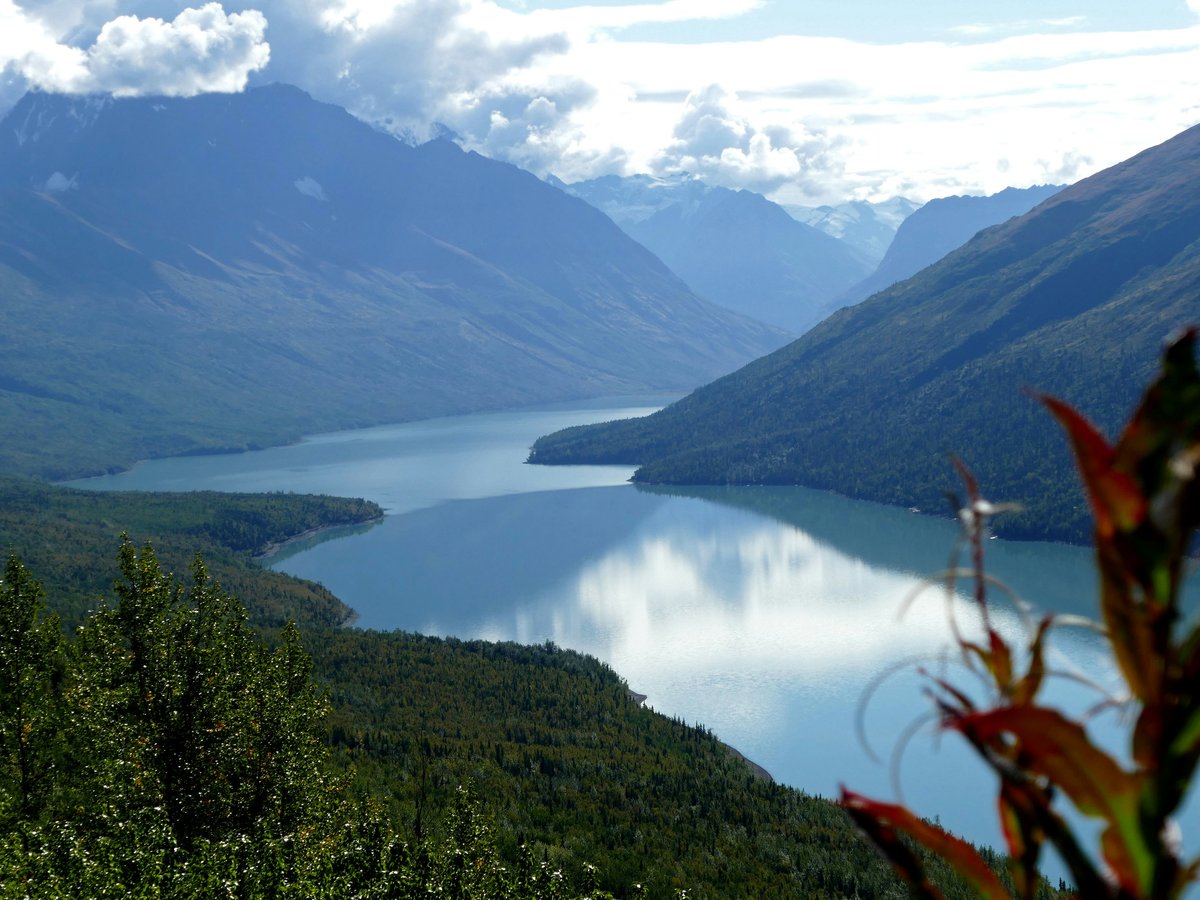
What should I pack for Anchorage?
Anchorage demands layers, not bulk. Summer temperatures swing from 7°C at night to 18°C by afternoon, and rain arrives sideways off Cook Inlet. Pack a waterproof shell, merino base layers, and broken-in hiking boots for Chugach State Park's scree trails. Buy bear spray on arrival since TSA prohibits pressurized canisters. Skip umbrellas. The wind will destroy them.
Shop the packing list (23 items)Anchorage in August sits around 14-18°C during the day and can drop to 7°C after sunset, a swing that happens fast when clouds roll off Cook Inlet. Pack a merino or synthetic base layer, a mid-weight fleece, and a waterproof shell with taped seams. Not a rain jacket. A proper shell, because Anchorage rain arrives sideways on 25-km/h winds that turn umbrellas inside out in seconds. That said, the humidity tends to stay around 55-65%, so the cold feels sharp rather than bone-soaking. You'll notice the damp off Knik Arm even on clear afternoons. Three quick-dry shirts rotate well for a week. Cotton stays wet here and stays cold.
Your shoes matter more in Anchorage than in most North American cities. Chugach State Park, established in 1970, starts at the city's eastern edge and covers about 2,000 square km of backcountry. Flattop Mountain, the most-climbed peak in Alaska, is a steep 2.5-km scramble over loose scree and exposed rock. Fashion sneakers won't survive the descent. Bring waterproof hiking boots you've already broken in, at least ankle-height, with aggressive tread. The Tony Knowles Coastal Trail runs 18 km from downtown to Kincaid Park on packed gravel, fine for trail runners. But any backcountry path means proper boots. The birch and spruce canopy keeps lower trails muddy even on dry days, and the smell of wet earth sticks to your gear. Above treeline near Eagle River, the mosquitoes arrive as a low drone you'll hear before you see them.
Bear spray is the single most important local purchase. TSA won't let you fly with a pressurized canister, and you'll want it for any trail deeper than the Coastal Trail. REI on Northern Lights Boulevard stocks Counter Assault canisters for about $50-55. Xtratuf rubber boots, the unofficial footwear of Alaska, run $75-100 at Sportsman's Warehouse on Old Seward Highway. Worth noting that they fit differently than standard rubber boots, so try them on rather than ordering online. DEET-based bug repellent at Fred Meyer costs $8-12, roughly half the airport gift-shop price. Skip packing bulky emergency cold-weather layers for a summer trip. If an unusual cold snap drops temperatures below 5°C, Anchorage likely has more outdoor-gear stores per capita than anywhere in the Lower 48. A fleece at Costco on DeBarr Road runs about $20.
Winter visitors need a different bag entirely. November through March means temperatures between -5°C and -20°C, with December and January regularly hitting -25°C. An insulated parka rated to at least -30°C is the minimum. Hiking boots fail below -10°C, so pack insulated waterproof boots instead. Ski goggles cut the wind, and chemical hand warmers fit inside glove liners. December gives you about 5.5 hours of daylight, so a headlamp is not optional for any afternoon walk through the Delaney Park Strip or along Ship Creek. Summer visitors should bring a sleep mask. Anchorage gets 19.5 hours of daylight around the June 21 solstice, and hotel blackout curtains tend to leak light around the edges. At 61°N latitude, the UV at altitude on a Denali flightseeing trip is stronger than most first-timers expect. SPF 50 and polarized sunglasses earn their bag space.
Essentials
- Waterproof shell jacket with taped seams (wind off Cook Inlet shreds umbrellas) Shop
- Merino or synthetic base layer, top and bottom Shop
- Mid-weight fleece or insulated mid-layer Shop
- Broken-in waterproof hiking boots, ankle-height minimum, aggressive tread Shop
- Quick-dry shirts, 3 for a week-long trip (no cotton) Shop
- Warm hat and lightweight gloves (summer evenings drop to 7°C) Shop
- Polarized sunglasses (19+ hours of daylight May through July) Shop
- SPF 50 sunscreen Shop
- Sleep mask (Anchorage hotel blackout curtains leak summer light) Shop
- Daypack with rain cover, 25-35L for day hikes in Chugach State Park Shop
- Wool or synthetic hiking socks, 3-4 pairs Shop
- Portable charger (trail GPS and Google Maps drain batteries on full-day hikes) Shop
- Plug adapter for international visitors (US uses 120V, Type A and B outlets) Shop
Seasonal extras
- Summer (Jun-Aug): mosquito head net for hikes above treeline near Eagle River Shop
- Summer: lightweight rain pants for Chugach State Park trails Shop
- Summer: gaiters to keep loose scree out of boots on Flattop Mountain Shop
- Summer: trail runners for the 18-km Tony Knowles Coastal Trail Shop
- Winter (Nov-Mar): insulated parka rated to -30°C minimum Shop
- Winter: insulated waterproof boots (hiking boots fail below -10°C) Shop
- Winter: chemical hand and toe warmers, 1 pair per day Shop
- Winter: ski goggles for wind and blowing snow Shop
- Winter: headlamp with fresh batteries (5.5 hours of December daylight) Shop
- Winter: balaclava or fleece neck gaiter Shop
Buy on arrival
- Bear spray, $50-55 at REI on Northern Lights Blvd (TSA prohibits pressurized canisters on flights)
- Xtratuf rubber boots, $75-100 at Sportsman's Warehouse on Old Seward Highway (try on first, they fit narrow)
- DEET bug repellent, $8-12 at Fred Meyer (half the airport gift-shop price)
- Emergency fleece layers, about $20 at Costco on DeBarr Road if a cold snap hits
- Disposable hand warmers, $2-3 per pair at any gas station or convenience store
- Firewood bundles and fire starters at trailhead kiosks for campground stays
Last verified by automated review (v1.7.2) on . What is automated review?