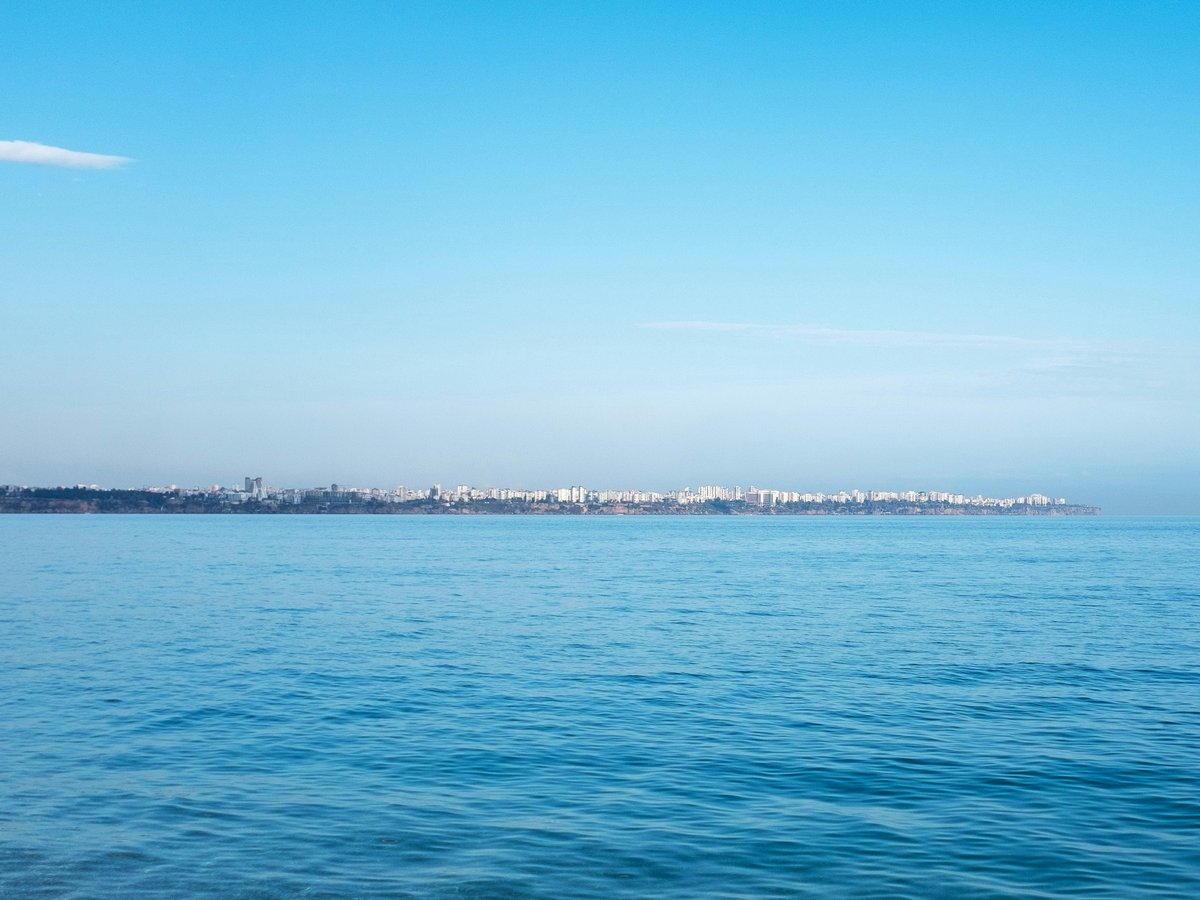
Antalya sits at the crossroads of Turkey's Mediterranean tourism and its traditional bazaar culture. The city still produces its own textiles, leather goods, and citrus-based cosmetics, which means you can buy locally made products rather than generic imports. Kaleiçi's old town shops lean toward handmade jewelry and antiques, while the modern districts along Işıklar Caddesi carry Turkish and international brands at prices that tend to run 20-40% below Western European equivalents. The weekly neighbourhood pazars remain where most Antalya residents do their actual shopping, and they sell everything from Antalya's famous Finike oranges to hand-loomed cotton towels from Burdur province. Worth noting, the city's leather workshops in the industrial zone behind Kepez still supply many of the boutiques in Kaleiçi, so you can sometimes find the same bag at half the marked-up old-town price if you know where to look.
Shopping districts
-
Işıklar Caddesi (Republic Street)
mid-rangeThe pedestrianised spine of central Antalya runs from the clock tower at Kale Kapısı down toward the harbour. Turkish chain stores like Mavi, LC Waikiki, and Koton line the upper stretch, with smaller independent shops tucked into the side streets. The foot traffic stays thick until well past 22:00 in summer months. You'll hear Turkish pop bleeding from storefronts and smell roasted chestnuts from the carts near the tram stop. To be fair, the prices here are standard Turkish retail, not inflated tourist rates.
Best for: Turkish brand clothing, shoes, everyday retail at local prices
-
Kaleiçi (Old Town)
luxury to mid-rangeThe walled old town is beautiful but commercially polarised. The shops along Hesapçı Sokak and Uzun Çarşı Sokak sell silver jewelry, kilims, ceramics, and antiques, though prices reflect the tourist foot traffic. Mind you, some of the antique dealers have operated here for 30+ years and carry genuinely old Ottoman-era pieces alongside the reproductions. The narrow lanes smell of leather and çay from the constant tea service between shopkeepers.
Best for: Antiques, silver jewelry, handmade ceramics, kilims, and leather goods
-
MarkAntalya
mid-range to luxuryAntalya's largest central shopping mall opened in 2012 and sits near the Konyaaltı beach road. It carries international brands alongside Turkish ones, has a cinema complex, and stays air-conditioned through the brutal July-August heat. Locals use it as much for socialising as shopping. The ground floor food court serves lahmacun and pide alongside the usual fast food chains.
Best for: International brands, electronics, air-conditioned browsing in summer
-
TerraCity
mid-range to luxuryA smaller, slightly more upscale mall on Fener Mahallesi that leans toward home goods, Turkish designer fashion, and cosmetics. Less hectic than MarkAntalya. The Migros hypermarket in the basement is where many expat residents do their weekly grocery run. Good for Kiehl's, MAC, and Turkish skincare brands like Rosense at lower-than-European prices.
Best for: Turkish designer fashion, cosmetics, home goods, grocery shopping
-
Konyaaltı Caddesi
budget to mid-rangeThe long boulevard running parallel to Konyaaltı Beach has evolved from a residential road into a commercial strip over the past decade. Furniture stores, bridal shops, and electronics dealers cluster between the apartment blocks. Not glamorous, but this is where Antalya residents buy appliances and household goods at competitive prices without the mall markup.
Best for: Household goods, furniture, electronics at local prices
-
Lara (Güzeloba)
budget to mid-rangeThe hotel strip east of the city centre has developed its own retail cluster around the Lara residential neighbourhoods. Deepo Outlet Center sits here with discounted Turkish and international brands. The area caters to both Russian-speaking tourists and middle-class Turkish families. Signage in Russian remains common along the main drag.
Best for: Outlet shopping, discounted brands, Russian-language retail experience
Markets
-
Antalya Kapalı Pazar (Saturday Market, Muratpaşa)
food and generalThe largest weekly pazar in central Antalya takes over several blocks near the old stadium site every Saturday morning. Stalls sell fresh produce, olives, honey, spices, household textiles, and cheap clothing. The textile section carries hand-loomed peştamals (Turkish bath towels) from nearby Burdur and Isparta for a fraction of boutique prices. Arrive before 09:00 to avoid the crush. The smell of fresh simit and ripe tomatoes hits you two blocks away.
Saturday, approximately 07:00-17:00
-
Çarşamba Pazarı (Wednesday Market, Lara)
food and generalLara's Wednesday market draws a mixed crowd of Turkish residents and long-stay tourists from the nearby hotels. The produce section is strong on citrus, pomegranates in season, and local Antalya honey. Clothing stalls carry Turkish-made cotton basics. Haggling is expected on non-food items, less so on produce where prices are already low.
Wednesday, approximately 07:00-16:00
-
Kaleiçi Bazaar Area (Uzun Çarşı Sokak)
artisan and souvenirNot a single market but a cluster of permanent shops along the old bazaar street inside the city walls. Silver workshops, ceramic painters, and leather ateliers operate from Ottoman-era stone buildings. Some workshops let you watch artisans at work. Prices here are negotiable and tend to start high, but the quality of handmade silver pieces can be genuinely good. The stone walls keep the temperature cool even in August.
Daily, typically 09:00-22:00 in summer, shorter hours in winter
-
Muratpaşa Antika Pazarı (Flea Market)
fleaA small Sunday flea market near the Muratpaşa municipality building where locals sell secondhand goods, old coins, vintage Turkish records, and assorted bric-a-brac. Not curated or tourist-oriented. You might find an old copper ibrik or a 1970s Turkish film poster. The quality varies wildly week to week, which is part of the appeal.
Sunday mornings, approximately 08:00-14:00
-
Kalekapısı Night Market (Summer)
night and artisanDuring peak summer months, the area around the clock tower and the top of Işıklar Caddesi hosts evening vendors selling handmade jewelry, leather goods, and tourist-oriented crafts. The atmosphere is lively with street musicians and the smell of grilled corn from nearby carts. Prices are inflated compared to the weekly pazars, but the setting is pleasant for an evening stroll.
Summer evenings (June-September), approximately 19:00-midnight
Souvenirs worth bringing home
Antalya's genuinely local products fall into a few categories worth considering. Rosense and Gülbirlik rose products (oils, creams, rosewater) come from nearby Isparta, Turkey's rose-growing capital about 130km north. Peştamals, the flat-woven cotton bath towels, are still produced in the region and pack flat for travel. Antalya province grows about 65% of Turkey's greenhouse tomatoes and a significant portion of its citrus, so dried fruit and preserves make practical gifts. Pine honey from the Taurus Mountains behind the city has a distinctive dark colour and resinous taste. Handmade silver jewelry from Kaleiçi workshops often features Ottoman-inspired designs. Locally pressed olive oil from the Gazipaşa or Manavgat areas ships well in sealed tins. Avoid the mass-produced ceramic plates stamped 'Made in China' that fill some tourist shops. The genuine Kütahya or İznik-style ceramics are hand-painted and typically signed on the underside.
Practical tips
- Bargaining
- Haggling is expected in bazaar-style shops and Kaleiçi boutiques, less so in malls and chain stores. A reasonable opening counter-offer sits around 60-70% of the asking price. Weekly pazar produce stalls have fixed prices, but clothing and textile vendors there expect some negotiation. If a shopkeeper offers you çay, accept it. The tea is free regardless of whether you buy.
- Tax Refunds (KDV İadesi)
- Non-EU visitors spending over 2,000 TL at a single participating store can claim a VAT refund (currently 20% KDV on most goods). Ask for a Tax Free form at the shop. Process the refund at the airport before check-in at the customs desk. Not every shop participates, and the paperwork takes 10-15 minutes at the airport, so arrive with time to spare. The refund typically comes to 12-14% after processing fees.
- Opening Hours
- Malls open 10:00-22:00 daily including Sundays. Independent shops in Kaleiçi and Işıklar tend toward 09:00-23:00 in summer, shorter in winter. Weekly pazars start at dawn (06:30-07:00) and wind down by late afternoon. Friday midday some smaller shops close briefly for prayers, though this is inconsistent.
- Payment Methods
- Credit cards (Visa, Mastercard) are accepted at malls, chain stores, and most established Kaleiçi shops. Weekly pazar stalls and small independents often prefer cash (Turkish Lira). ATMs are plentiful along Işıklar Caddesi and inside malls. Some tourist shops accept euros but give poor exchange rates. The Turkish lira has been volatile, so exchanging money in smaller amounts tends to work better than changing a large sum on arrival.
- Counterfeits
- Fake designer goods appear in market stalls and some Lara shops. Turkish customs generally looks the other way for personal quantities, but your home country's customs might not. Genuine Turkish leather and textiles offer better value than knockoff European brands. If a designer bag costs 90% less than retail, it is not real.
FAQ
Is Antalya cheaper for shopping than Istanbul?
Generally yes, particularly for locally made goods like leather, textiles, and silver. Rent is lower in Antalya, so independent shops carry smaller markups. Mall prices for international brands are similar nationwide. The weekly pazars in Antalya are noticeably cheaper than Istanbul's equivalent markets for produce and household textiles. Gold jewelry pricing is based on the daily gram rate plus workmanship, so Istanbul and Antalya differ mainly in the craftsmanship premium.
What day are the best markets in central Antalya?
Saturday brings the largest general pazar to the Muratpaşa district with food, textiles, and household goods. Sunday morning has the smaller flea market for antiques and secondhand items. The Kaleiçi artisan shops operate daily. If you can only visit one market, the Saturday pazar gives the broadest picture of what locals buy and eat.
Can I ship purchases home from Antalya?
PTT (Turkish postal service) and private cargo companies like Yurtiçi Kargo and Aras Kargo can ship internationally. Some Kaleiçi shops arrange shipping for large items like carpets or antique furniture. Expect 2-4 weeks for standard international post. Keep receipts for customs declarations on arrival. Fragile items like ceramics travel safer with private cargo than PTT.
Are Turkish gold and jewelry good value in Antalya?
Gold in Turkey is priced by weight (the daily gram rate, currently fluctuating significantly) plus a workmanship fee that varies by design complexity. Antalya's gold shops in Kaleiçi and the bazaar areas are competitive on workmanship fees compared to tourist areas in Istanbul. Always ask for a certificate of authenticity and check the hallmark stamp. 14-karat is most common for everyday jewelry, 22-karat for investment pieces.
What should I avoid buying in Antalya's tourist areas?
Mass-produced ceramics labelled as handmade (check for a painter's signature underneath), 'saffron' that is safflower or turmeric (real Turkish saffron exists but costs significantly more), fake designer goods with obvious quality issues, and 'antique' items that are factory-distressed reproductions. When in doubt with antiques, ask the seller for provenance documentation. Genuine dealers usually have it.
Last verified by automated review (v1.7.2) on . What is automated review?