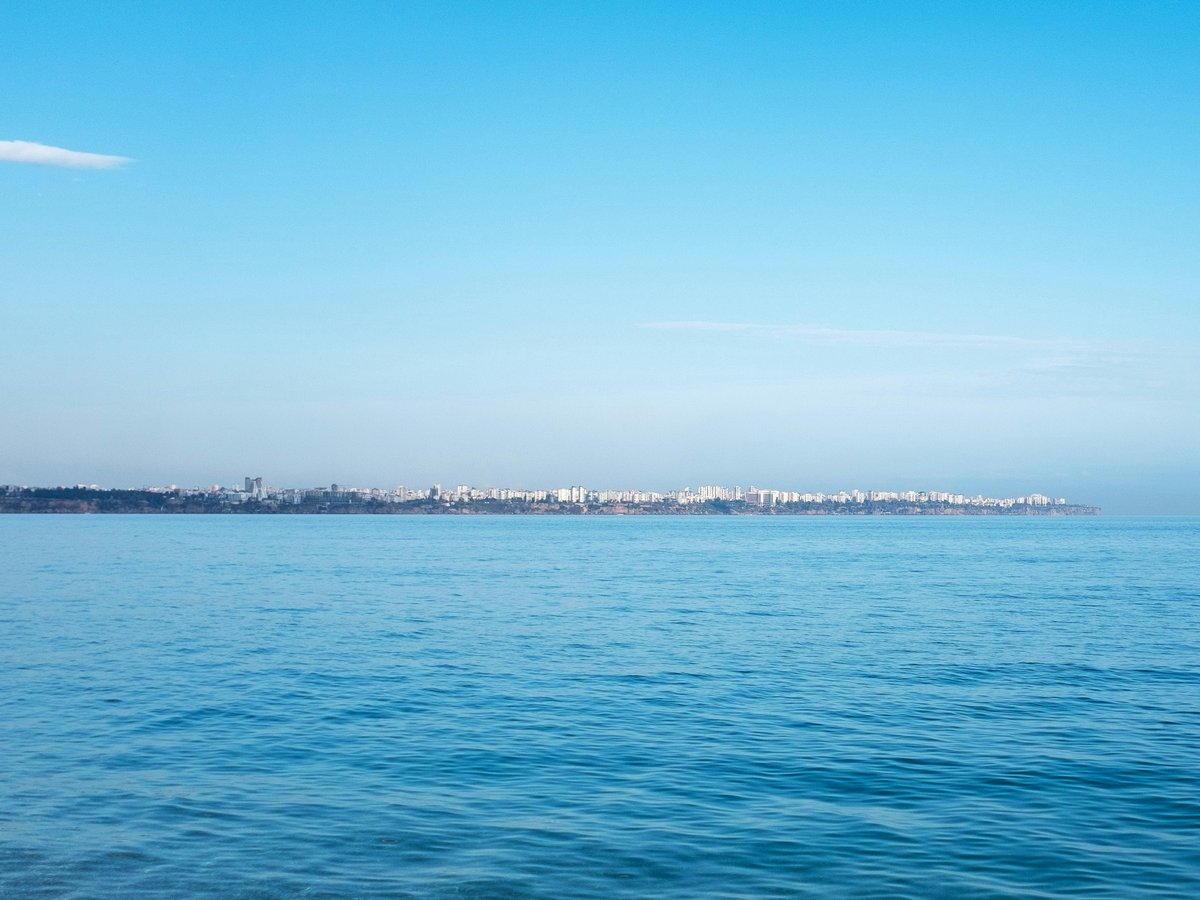
Antalya stays up late. That might be the first thing you notice. On a Friday in July, the bars along the Kaleiçi harbor still have full tables at 2 AM, and the clubs on the outskirts won't hit peak capacity until 1:30 or later. The city runs on Mediterranean time, which in practice means dinner at 9 PM, a first drink around 11, and nobody in a rush to get anywhere. The crowd is genuinely mixed. Turkish holidaymakers from Ankara and Istanbul fill the meyhane tables in Kaleiçi, while package tourists from Russia, Germany, and the UK tend to cluster along the Lara strip. Locals from Antalya itself often head to the Konyaaltı side, where the bars feel less performative. The result is a city with 3 or 4 distinct nightlife ecosystems operating in parallel, each with its own hours, its own drinks, and its own dress code. Summer season, roughly May through October, is when everything runs at full tilt. Winter nightlife still exists, but the scene contracts to a handful of year-round spots in the old town and along Işıklar Caddesi.
The Bar Scene in Antalya
Kaleiçi is where you'll find the densest concentration of bars, tucked into the narrow Ottoman-era streets between Hadrian's Gate and the old harbor. Most are small, 30 to 50 seats, with stone walls and low lighting. The cocktail culture here lags behind Istanbul's Beyoğlu scene, but it has been catching up over the past few years. You'll find places doing proper Negronis and old-fashioneds now, where 5 years ago it was mostly beer and rakı. A cocktail in Kaleiçi typically runs 250 to 400 Turkish lira depending on the spot and the season. The rooftop bars are the real draw. Several sit along the cliff edge on Hesapçı Sokak and the streets branching off it, looking out over the Mediterranean and the Bey Mountains. On a clear night the water catches the light from the harbor below. The breeze carries salt and pine resin from the surrounding parkland. Worth noting, these spots fill up fast on weekends, and some operate a soft reservation system for their best tables from June onward. Beer culture leans on Efes Pilsen and Bomonti, both widely available. A half-liter of Efes at a casual bar is around 100 to 150 lira. Turkish wine has been improving steadily. Kavaklıdere and Doluca are the big producers, and you'll see their bottles on most menus. Wines from the Cappadocia region, particularly the Emir and Öküzgözü grapes, appear on more ambitious lists. Dive bars exist but they're harder to spot. The streets behind the Antalya Bazaar and around Şarampol Caddesi have a few old-school birahane spots. These are mostly male-dominated, smoke-heavy rooms where a beer costs half what you'd pay in the tourist center. They're welcoming enough if you walk in with the right energy, but they're not curated experiences. The meyhane tradition sits somewhere between bar and restaurant. You order rakı, the waiter keeps bringing meze, and the night stretches. The anise smell of rakı mixed with grilled octopus and cigarette smoke is the defining scent of a Turkish night out. Meyhane tables in Kaleiçi tend to be communal by 11 PM regardless of how they started.
Clubs and Late-Night Dancing
Antalya's club scene operates on two tracks. The resort-adjacent megaclubs along the Lara and Kundu corridor cater to the international tourist crowd, with bottle service, LED rigs, and DJs playing commercial EDM and pop remixes. These are big rooms, 500 to 1,000 capacity or more, and they tend to follow a seasonal cycle. Many open in late April and close by November. Cover charges vary but often include a drink or two. Dress codes lean smart-casual. Sneakers are usually fine, but shorts and flip-flops will likely get you turned away at the door. The second track is more local. Smaller clubs and bar-clubs in Konyaaltı and along the streets near the old town play Turkish pop, Türkçe pop, and arabesque. These rooms have a different energy. The crowd sings along to every track. Requests are common. A DJ playing İbrahim Tatlıses or Tarkan can turn a room inside out. These places tend to open around 11 PM and don't really fill until midnight or later. Closing time is fluid, sometimes 4 AM, sometimes later on summer weekends. That said, Antalya is not Istanbul. The club scene here is seasonal and tourist-driven at the high end, local and unpretentious at the low end. You won't find the kind of underground techno or experimental electronic scene that Kadıköy or Karaköy offers. The city's strength is the open-air party. Beach clubs along Konyaaltı and Lara Beach host DJ sets through the summer, and the sound of bass drifting across warm sand at 1 AM is one of Antalya's better sensory experiences. Peak hours shift with the season. In June through August, nothing meaningful happens before midnight. The after-work beer crowd fills terraces around 7 PM, but the dancing starts late. In shoulder months like May and October, things kick off a bit earlier, maybe 10:30 or 11 PM. Weeknights are quiet outside of high season. Thursday tends to be the first real going-out night.
Live Music in Antalya
The meyhane tradition comes with its own soundtrack. Fasıl music, played by small ensembles with a kanun, oud, and sometimes a clarinet, fills the better meyhane spots in Kaleiçi most evenings during summer. These aren't staged performances. The musicians move between tables, take requests, and the volume stays low enough for conversation. You might hear a 1970s arabesque classic followed by a folk song from the Black Sea region. The sound of the kanun's strings has a shimmering, metallic quality that carries through the stone-walled rooms. Turkish rock and pop acts pass through Antalya on summer tours, playing at the open-air venues along the coast. The Antalya Kültür Merkezi hosts some mid-size acts. Festival season brings bigger names. The city has hosted various music festivals over the years, and the warm-weather calendar typically includes at least a few outdoor concert events between June and September. Bar bands cover Western rock and pop in the tourist areas. Kaleiçi has a few spots where you can hear covers of everything from Pink Floyd to Adele on a given Friday. The quality varies. Some of these musicians are genuinely skilled conservatory-trained players moonlighting for tourist money. Others are less polished but more fun. For something more distinctly Antalyan, keep an ear out for bağlama players in the smaller venues. The bağlama is a long-necked lute, and its sound, a bright twang with a lot of sustain, is the backbone of Anatolian folk music. You might catch a solo player in a quieter bar on a Tuesday, the kind of unscheduled moment that sticks with you. Friday and Saturday are the most reliable nights for live music of any kind. Weeknight performances happen but tend to be more intimate and unpredictable.
Nightlife neighborhoods
-
Kaleiçi
Narrow cobblestone streets within Hadrian's-era walls, Ottoman houses converted to boutique bars. The harbor glows below and the smell of grilled fish drifts up from the waterfront restaurants. Stone walls keep things cool on summer nights. Intimate and slightly chaotic.
- Best for
- Bar-hopping on foot, couples, travelers who want variety within a 10-minute walking radius. Best on Friday and Saturday nights year-round.
- Standouts
- Concentrated along Hesapçı Sokak and the streets descending toward the marina. The rooftop spots with Mediterranean views are the main draw.
-
Konyaaltı
The local side of Antalya's nightlife. Beach bars and casual restaurants line the waterfront promenade west of the city center. The crowd skews younger and more Turkish. Less polish, more personality. Bass from the beach clubs mixes with the sound of waves after dark.
- Best for
- Groups of friends, younger travelers, beach parties from June through September. Thursday through Saturday are strongest.
- Standouts
- The beach clubs and open-air bars along the Konyaaltı shore road, particularly the stretch near the Konyaaltı Plajı park area.
-
Lara and Kundu
Resort territory. The big all-inclusive hotels have their own nightlife ecosystems, but the strip between Lara Beach and Kundu also has standalone clubs and bars targeting the international tourist market. The production value is higher here. Expect bigger sound systems, more lighting, and higher prices.
- Best for
- Club nights, groups looking for a big-room experience, tourists staying in the Lara hotel corridor. Peak from May through October.
- Standouts
- The larger seasonal clubs along the Kundu corridor draw the biggest crowds. Many resort hotels also open their venues to outside guests for a cover charge.
-
Işıklar Caddesi and Surrounding Streets
The city-center commercial strip with cafes, tea houses, and a handful of bars that stay open year-round. It feels more like everyday Antalya than tourist Antalya. The pace is slower, the prices are lower, and you'll hear more Turkish being spoken. The cafes transition from tea to beer as the evening progresses.
- Best for
- A low-key midweek drink, getting a feel for local daily life after dark, winter nightlife when the coastal venues shut down.
- Standouts
- Scattered bars and cafes along and behind the main pedestrian shopping streets. The atmosphere is neighborhood-level, not destination-level.
-
The Harbor and Marina Area
Fishing boats bob under amber lights while waiters carry trays of rakı to waterside tables. The marina area sits below the cliffs of Kaleiçi and has a more upscale, sit-down feel. The temperature drops a few degrees near the water, and the breeze carries diesel and salt.
- Best for
- A long dinner with drinks, couples, visitors who prefer sitting and watching the boats to standing in a crowded bar. Any night of the week in summer.
- Standouts
- The restaurants and meyhane-style venues ringing the old harbor. Most have outdoor terraces right on the water's edge.
Safety after dark
Antalya is generally safe after dark by Mediterranean standards. Kaleiçi's main streets are well-lit and well-trafficked until 3 or 4 AM in summer, though the side alleys get quiet and poorly lit. Stick to streets with other people visible if you're walking back late. Taxis are the standard way home from clubs and bars. Use apps like BiTaksi to avoid the occasional meter dispute. Some drivers near tourist clubs may try to negotiate a flat fare. It's almost always cheaper to insist on the meter. Agree on nothing before you get in. Licensed taxis in Turkey are yellow and have a roof light with a number.
Drink spiking is rare but not unheard of in heavily touristed nightlife areas anywhere on the Mediterranean. Standard precautions apply. Keep your drink in your sight, don't accept drinks from strangers you haven't watched being poured, and go out with people you trust. Counterfeit alcohol has been a documented problem in parts of Turkey. If a bottle of imported spirits seems suspiciously cheap, or the taste seems off, stop drinking it. This tends to be more of an issue at very low-end unlicensed venues than at established bars.
The biggest practical risk is probably overcharging. Some bars in heavy tourist zones operate on a system where prices aren't listed, and the bill arrives inflated. Check prices before ordering, particularly in Kaleiçi spots without visible menus. If a tout is aggressively pulling you into a bar, that's usually a signal to keep walking.
Practical tips
- Cover Charges
- Many bars have no cover charge. Clubs, particularly the larger seasonal venues near Lara and Kundu, often charge an entry fee that may include 1 or 2 drinks. Prices vary by night and by season, and they tend to be higher on weekends and during peak summer months in July and August. Always ask at the door before entering.
- Tipping
- Tipping in Turkish bars is appreciated but not obligatory. Rounding up the bill or leaving 5 to 10 percent is common at sit-down venues. At a crowded bar where you're ordering at the counter, leaving small change is fine. In meyhane settings, 10 percent is standard if service isn't already included. Check the bill for a servis ücreti line.
- Alcohol Laws
- Turkey permits alcohol sales but restricts advertising and late-night retail purchases. Off-license alcohol sales are banned between 10 PM and 6 AM. Bars and restaurants with licenses can serve alcohol at any hour during their permitted operating times. During Ramadan, many bars remain open, but some may be more discreet about it, particularly outside the tourist zones.
- What Locals Drink
- Rakı is the national spirit, served with cold water that turns it milky white. Efes Pilsen is the default beer. Bomonti and imported brands are also common. Turkish wine has been gaining ground. Kavaklıdere's Yakut red and Çankaya white are widely available. Gin and tonic has become popular among younger Turks in the last few years. Tea and Turkish coffee remain the drinks of choice for anyone not drinking alcohol.
- Getting Around Late
- Antalya's Antray tram runs along the coast but stops service around midnight. After that, taxis are the main option. The BiTaksi app works in Antalya and gives you a fare estimate upfront. Ride-sharing apps like Uber have had a complicated legal status in Turkey. Stick to licensed taxis or hotel transfer services. Walking between Kaleiçi and Konyaaltı is roughly 3 to 4 kilometers along the coastal road.
- Dress Code
- Antalya is relaxed by Turkish standards, but beach clothes in a sit-down bar or club will draw looks. Smart casual works nearly everywhere. Clubs near Lara may enforce a stricter door policy on weekends. Shoes, not sandals, are a safer bet for club nights. Kaleiçi's cobblestones are uneven, so flats or low heels are more practical than anything ambitious.
FAQ
What time do bars and clubs close in Antalya?
Bars in Kaleiçi tend to wind down between 2 and 4 AM depending on the night and the crowd. Clubs along the Lara and Kundu corridor may stay open until 4 or 5 AM on summer weekends. Weeknight closings are earlier, often by 1 or 2 AM. These hours shift significantly between high season in July and August and the quieter winter months.
Is Antalya nightlife expensive compared to other Turkish cities?
Antalya sits in the middle. It's cheaper than Istanbul's Beyoğlu or Nişantaşı districts but more expensive than smaller Aegean towns like Bodrum off-season or inland cities like Konya. Tourist-facing bars in Kaleiçi charge a premium over local spots a few streets away. A beer might cost 100 to 150 lira in a casual bar, while cocktails at rooftop venues reach 300 to 400 lira or more.
Can you drink alcohol during Ramadan in Antalya?
Yes. Antalya is a tourist-oriented coastal city, and most licensed bars and restaurants continue to serve alcohol during Ramadan. Some smaller, locally oriented places may close or reduce their alcohol service during the holy month, particularly in neighborhoods outside the tourist center. The Kaleiçi and Lara areas are largely unaffected.
Is Antalya nightlife safe for solo female travelers?
Kaleiçi and Konyaaltı are generally comfortable for women going out alone or in small groups, particularly in the established bar areas. Standard precautions apply, as they would in any Mediterranean resort city. Unwanted attention can happen, particularly from touts or in very crowded venues late at night. The meyhane and wine bar scene tends to feel more relaxed than the club corridor. Using BiTaksi or having your accommodation arrange a taxi for the trip home is a sensible precaution.
What is the legal drinking age in Turkey?
The legal drinking age in Turkey is 18. Bars and clubs may ask for ID, particularly at the door of larger venues. In practice, enforcement varies, but established venues in Antalya tend to check, especially during high season when the tourist population is younger.
Are there any LGBTQ-friendly nightlife options in Antalya?
Turkey does not have legal protections for LGBTQ individuals, and Antalya lacks the kind of openly LGBTQ venue cluster you might find in Istanbul's Beyoğlu district. That said, the tourist-oriented bars in Kaleiçi and the beach clubs tend to be welcoming in practice. Discretion is more common than outright hostility. The situation is complex and worth researching current conditions before traveling, as the social climate has shifted over recent years.
Last verified by automated review (v1.7.2) on . What is automated review?