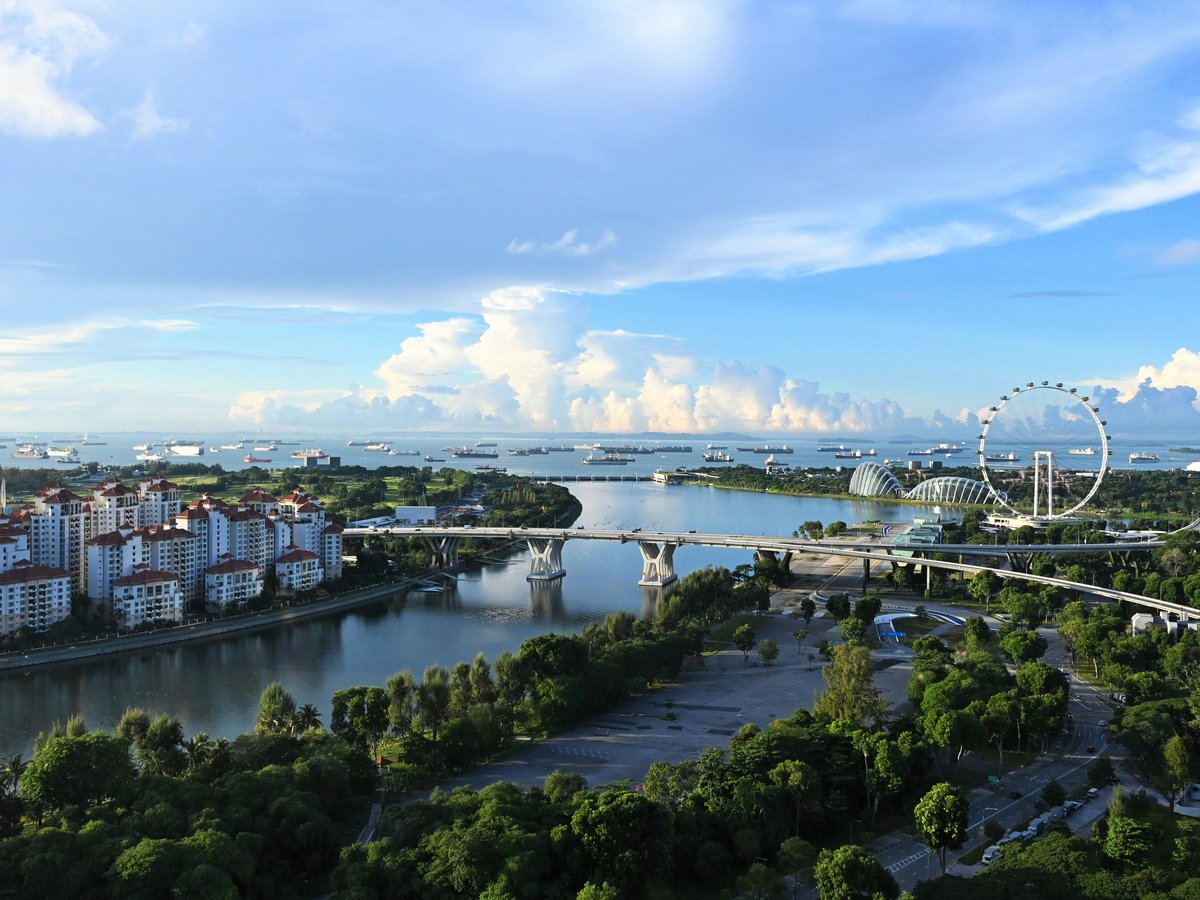
Singapore sits one degree north of the equator on an island roughly half the size of London, and the heat is the first thing that registers: a thick, wet warmth that doesn't lift at sunset but merely softens. Five and a half million people share this strip between the Malay Peninsula and Indonesia's Riau Islands, making it one of the most densely populated states on earth, yet the city rarely feels cramped. The efficiency is immediately legible: trains run clean and on time, signage appears in four official languages, and Changi Airport has been ranked the world's best so often that locals treat it as settled fact. But efficiency alone doesn't explain why people return. That has more to do with what happens at ground level: the way a morning in Tiong Bahru starts with kopi and soft-boiled eggs at a coffeeshop built in the 1930s, or how a ten-minute MRT ride drops you from the glass towers of Marina Bay into the low-rise shophouses of Katong, where Peranakan families have lived for generations and the laksa is argued over with genuine conviction. Hawker centres, added to UNESCO's intangible heritage list in 2020, are the city's real dining rooms: open-air, fluorescent-lit, loud, serving chicken rice or char kway teow for a few dollars alongside office workers and taxi drivers. Kampong Glam still holds the Sultan Mosque and fabric shops that predate independence. Little India fills a few blocks around Serangoon Road with garland sellers and the smell of fresh roti. The British founded a trading post here in 1819; the island became a sovereign republic only in 1965. That compressed arc (colonial port to global financial centre in one lifetime) is visible everywhere if you look past the shopping malls, and the best first visits tend to be slow ones.
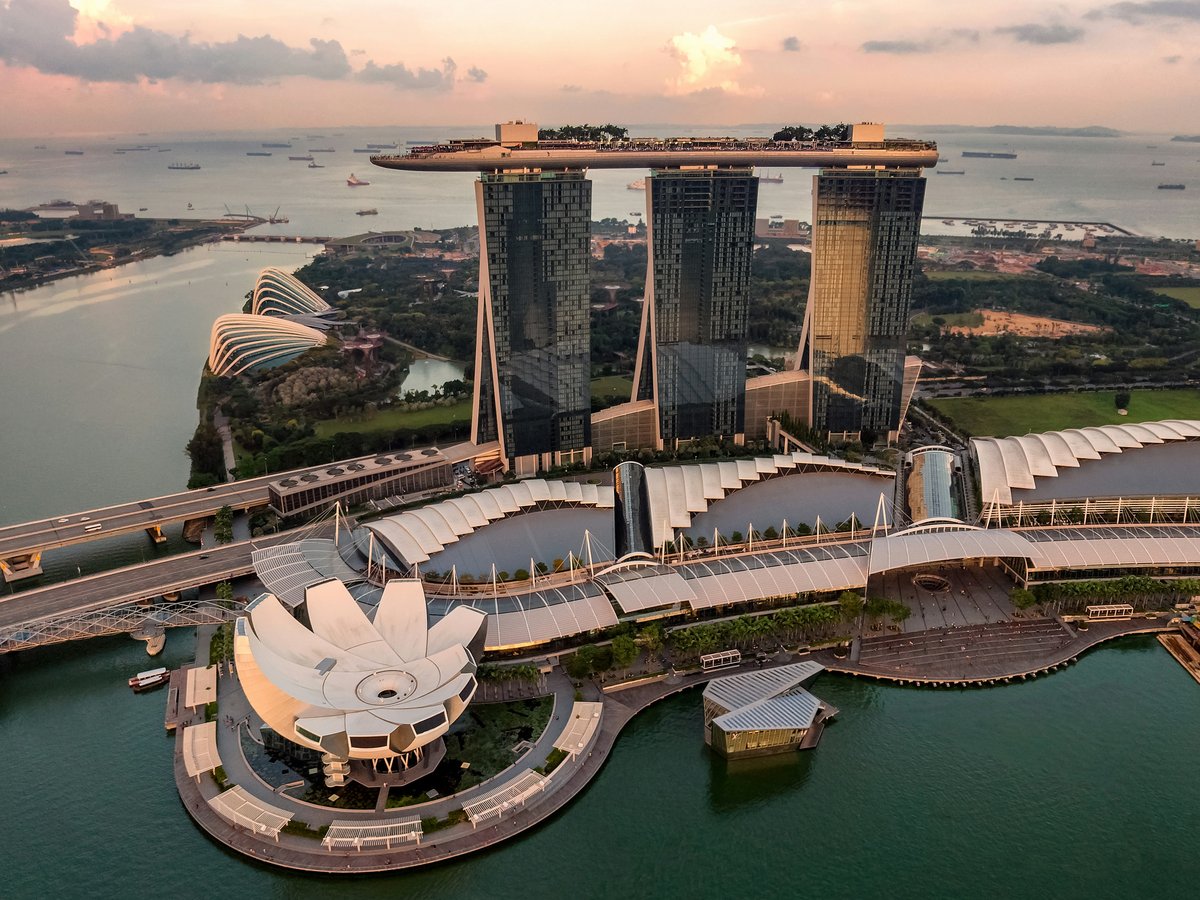
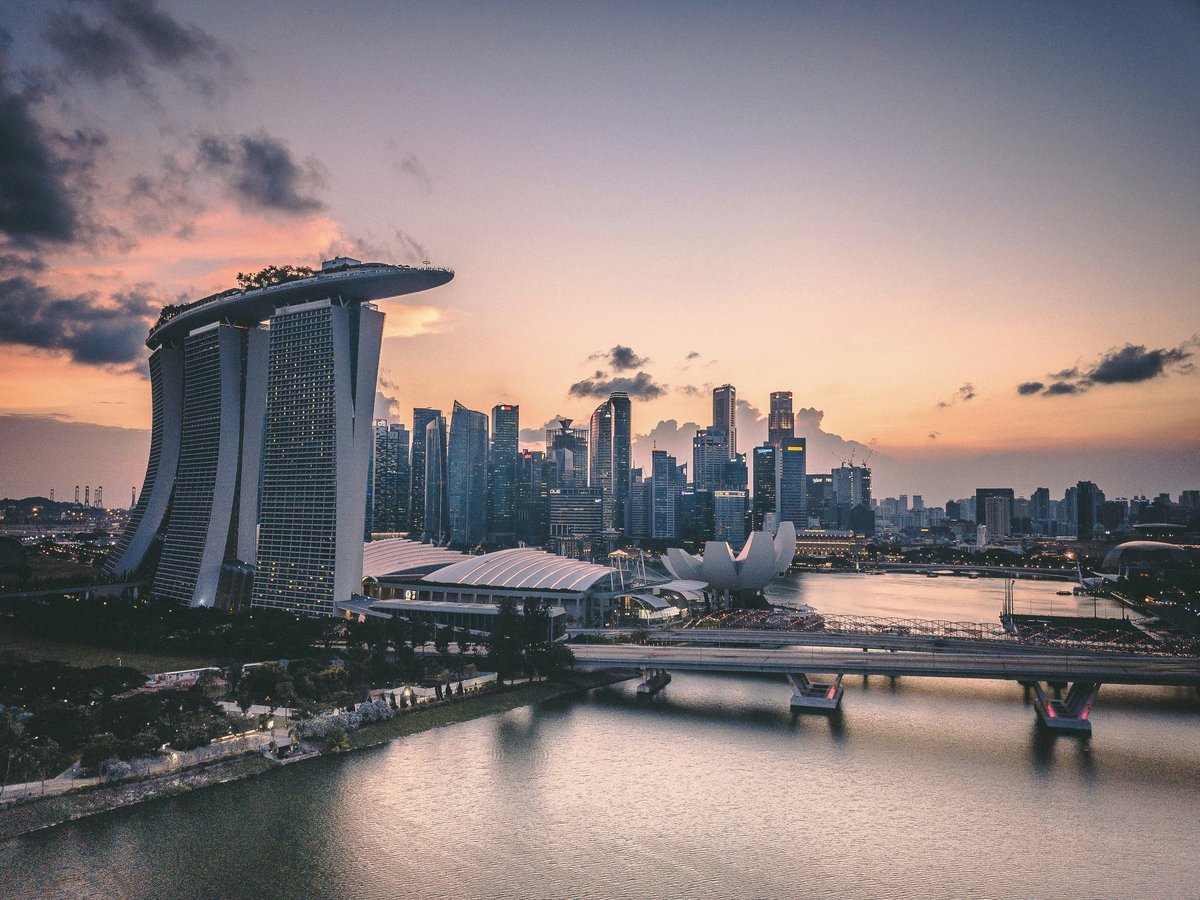
Singapore in photos
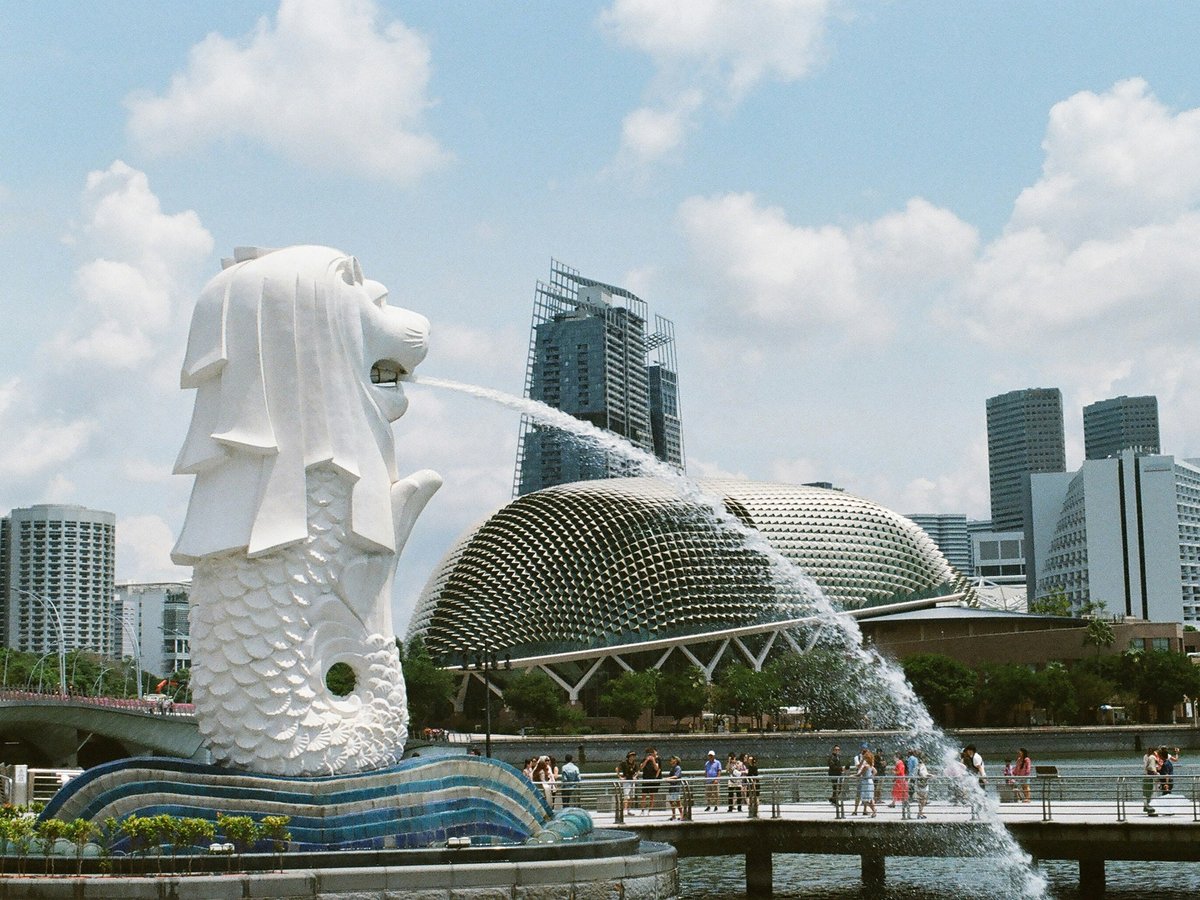
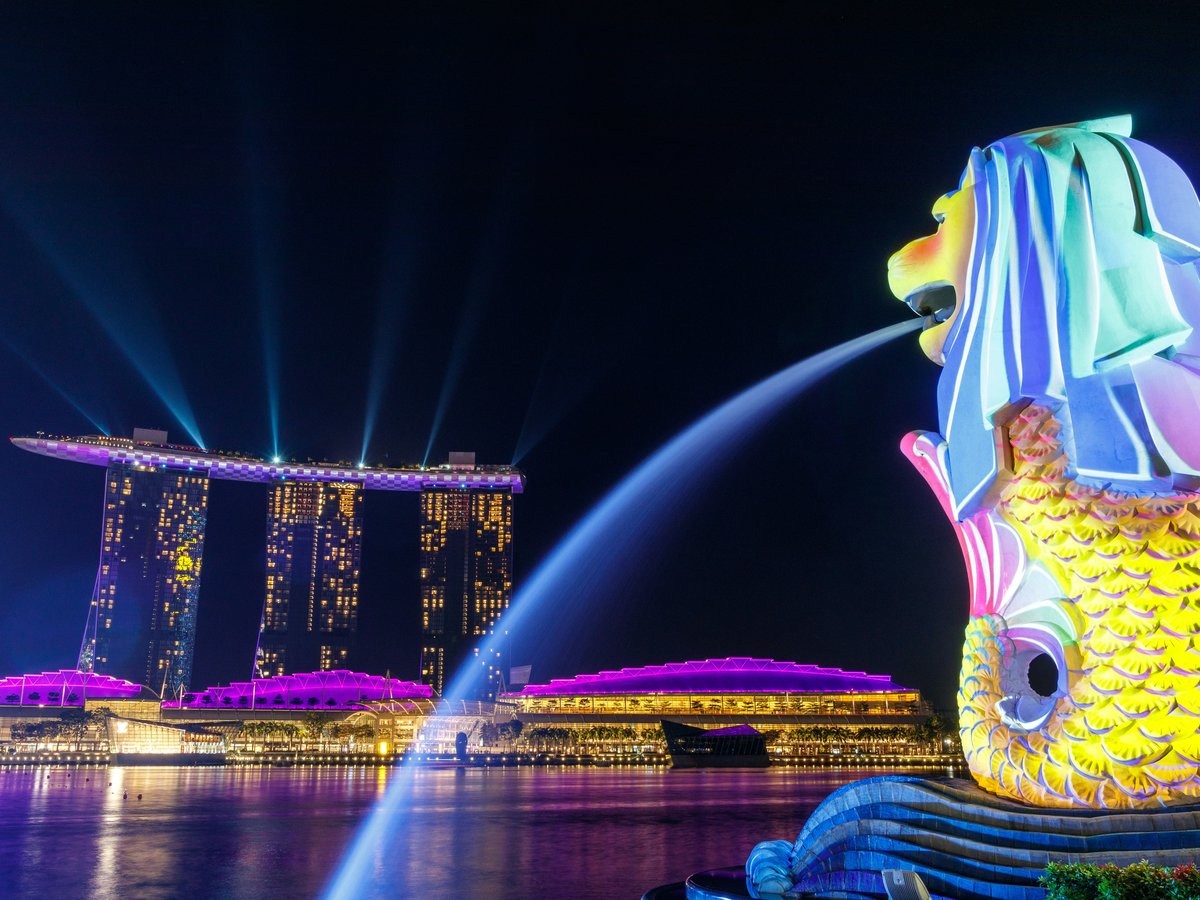
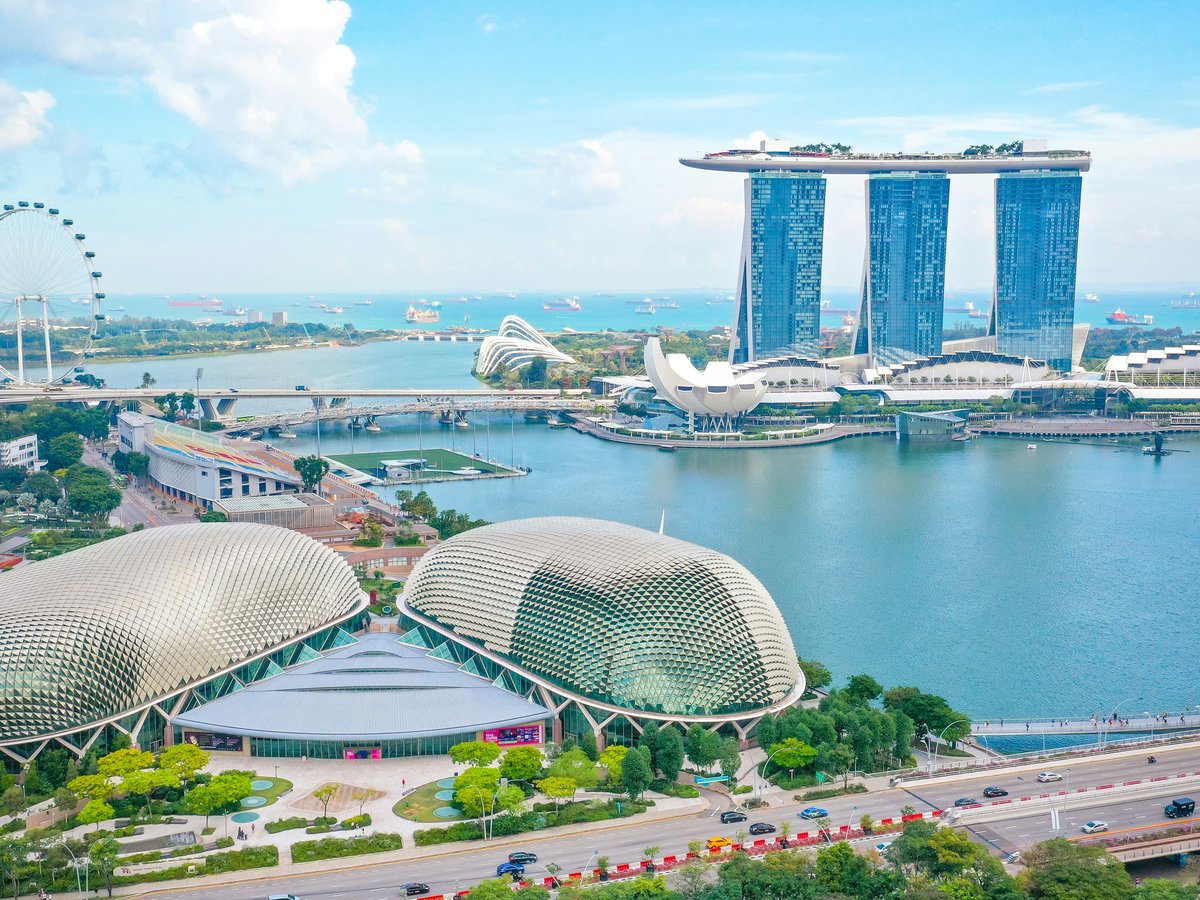
Singapore right now
Answers about Singapore
-
Airport to city
Take the MRT from Changi Airport to City Hall station: about S$2 (~US$1.60), around 30 minutes, change at Tanah Merah. Runs 5:31am to 11:18pm. After midnight, book a Grab from the arrivals pickup point: expect S$20-30 to Marina Bay or Orchard. Skip the limousine counter inside arrivals; it charges triple for the same roads.
Read the full answer → -
Best time to visit
Go between February and April. February is Singapore's driest month and the northeast monsoon breeze still takes the edge off the heat, with March and April staying mostly dry aside from short afternoon storms. Skip November and December, the wettest months and the school-holiday peak. Singapore's temperature barely changes all year, so plan around the rain.
Read the full answer → -
Cost per day
Singapore costs budget travelers about S$65 ($50 USD) per day. A hostel dorm in Lavender or Geylang runs S$35-45, three hawker-centre meals total S$15-18, and an MRT stored-value card burns S$6-8 on 3-4 rides. Midrange sits around $130 with a boutique hotel in Tiong Bahru and one ticketed attraction. Luxury crosses $350 at the Fullerton or Raffles tier.
Read the full answer → -
Cultural etiquette
Singapore enforces social rules with actual fines: S$1,000 for eating on the MRT, S$300 for jaywalking, S$2,000 for littering. Beyond the legal stuff, the real etiquette centers on queue discipline, removing shoes before entering homes, and never touching anyone's head. Tipping is neither expected nor common; a 10% service charge is already on your bill.
Read the full answer → -
Best day trips
Bintan over Batam for couples: one hour by ferry from Tanah Merah, SGD 50–70 return, with beaches that feel like a different country from Singapore's reclaimed shoreline. Pulau Ubin is the low-key pick: 15-minute bumboat from Changi Point, SGD 4 each way. For quiet, the Southern Islands loop from Marina South Pier costs SGD 18 and draws almost nobody midweek.
Read the full answer → -
Digital nomads
Singapore scores 6.2/10 for digital-nomad suitability (sourced from TTDI's editorial rubric). Wifi runs at 1 Gbps fiber standard and the MRT comes every 3-5 minutes. The problem is cost. Budget S$4,500 monthly (about $3,500 USD at 1.29 SGD) for a shared room, coworking, and three hawker meals a day. No digital nomad visa exists. Most passports get 30 days, extendable to 89.
Read the full answer → -
Family-friendly
Singapore scores 9.5/10 for family friendliness (see the TTDI Family-Friendliness Index). The MRT has lifts and platform screen doors at every station, making it the most stroller-accessible metro in Southeast Asia. Malls have clean changing rooms, hawker centres serve mild chicken rice for SGD 4-5, and the main constraint is 31°C heat between 11 am and 3 pm.
Read the full answer → -
Food culture
Singapore's food culture runs on hawker centres: government-built open-air food courts where Malay, Chinese, Indian, and Peranakan cooking share the same roof for S$3–6 a plate. Hawker culture earned a UNESCO inscription in 2020. Breakfast is kaya toast at 7am; supper is prata at midnight. The range between those hours is what makes planning around meals here worth the effort.
Read the full answer → -
Getting around
MRT for everything above ground, Grab for the last kilometer and late nights. Tap a contactless bank card directly at the MRT gates, no need to buy a stored-value card anymore. Fares run S$1–3 per ride. Walking works for short hops, but the equatorial heat makes air-conditioned MRT transfers the sane choice between districts.
Read the full answer → -
How to get there
Changi Airport (SIN), 20 km east of downtown, handles all of Singapore's commercial flights: nonstop service from over 100 cities on six continents. From the US, expect $800–1,400 round-trip on Singapore Airlines or United; from London, £450–800 on SQ or BA. Budget carriers Scoot and AirAsia cover Southeast Asian routes for $50–150.
Read the full answer → -
Is it safe?
Singapore scores 9.2 out of 10 for solo-traveler safety (see the TTDI Solo-Safety Index). Violent crime is near-zero, the MRT runs until midnight, and most neighborhoods feel safe for solo walks at any hour. The real risks are heat exhaustion in 32°C+ humidity, drink-spiking at Clarke Quay bars, and SGD 300+ fines for minor infractions like jaywalking. Emergency number: 999.
Read the full answer → -
Language basics
English is Singapore's working language, and in tourist zones like Marina Bay, Orchard Road and Chinatown it rates 9 out of 10, with Malay, Mandarin and Tamil also official. The words that catch first-timers out come from Singlish and hawker-centre shorthand. Learn the kopi ordering codes, 'tapau' for takeaway and 'chope' for a saved seat.
Read the full answer → -
Layover guide
Yes. Changi Airport sits 30 minutes from Singapore's center by MRT, and immigration rarely exceeds 15 minutes for visa-free passports. A 6-hour connection is the honest floor for a city run to Marina Bay or Chinatown. Shorter layovers still work at Jewel Changi, where the Rain Vortex and food hall are accessible without clearing immigration.
Read the full answer → -
LGBTQ-friendly
Singapore scores 4.5/10 for LGBTQ+ friendliness (sourced from TTDI's editorial rubric). Decriminalization arrived in late 2022, but marriage equality remains constitutionally blocked. A compact scene clusters around Tanjong Pagar. Physical safety is not the issue. Social conservatism is. Same-sex couples will be comfortable in tourist zones and the CBD, less so in residential heartland neighborhoods.
Read the full answer → -
Where locals go
Locals eat breakfast at Tiong Bahru Market before 9am and lunch at Amoy Street Food Centre with the Tanjong Pagar office crowd. Dinner is at Old Airport Road Food Centre near Dakota MRT. Evenings go to Smith Street Taps in Chinatown Complex and East Coast Lagoon Food Village. Skip Lau Pa Sat and Maxwell, where the queues are mostly tourists.
Read the full answer → -
Must-see
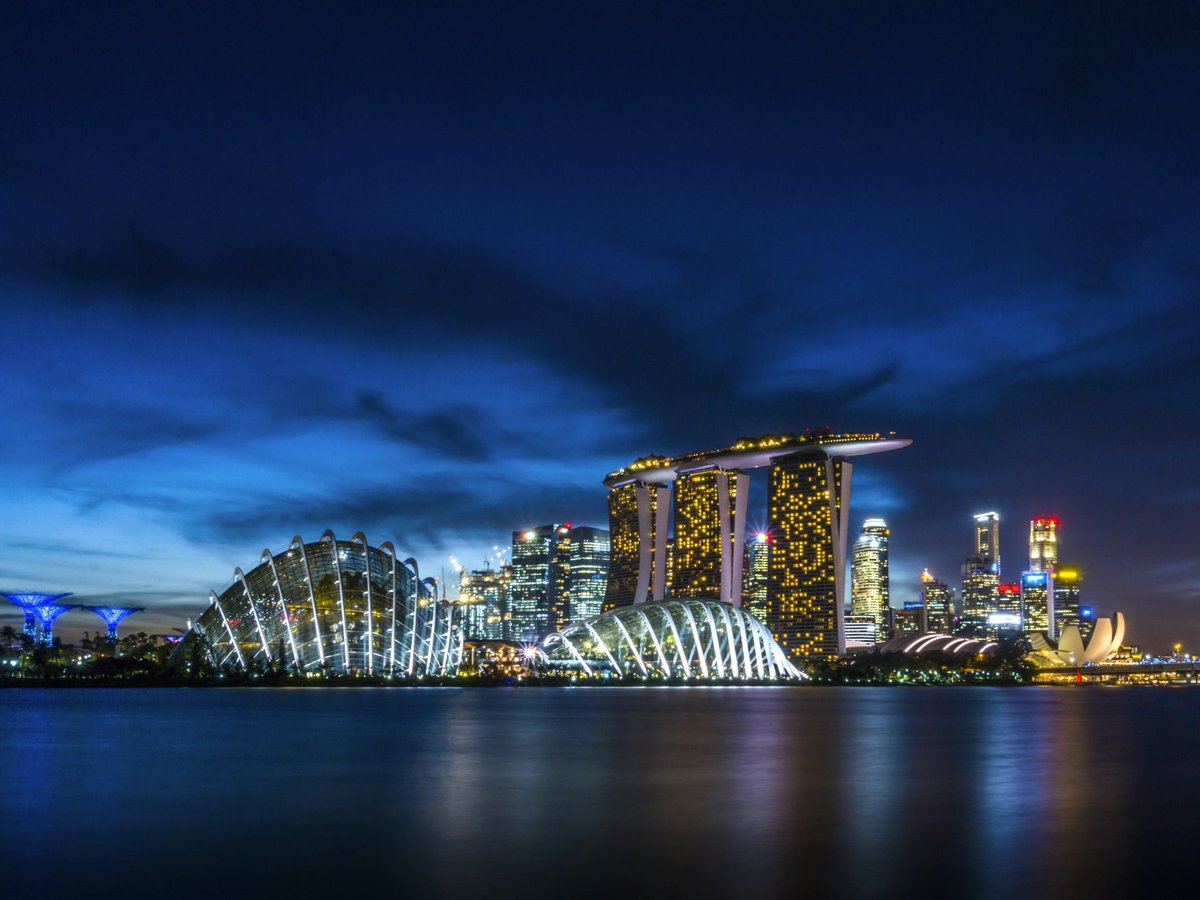
Gardens by the Bay after dark. The Supertree Grove light show runs at 7:45pm and 8:45pm, costs nothing, and lasts about fifteen minutes; enough time to stand on the walkway between two 50-metre steel trees while the Marina Bay skyline glows behind them. Do this your first evening; jet lag keeps you awake anyway.
Read the full answer → -
Solo travel
Singapore scores 9/10 for solo travel. Near-zero street crime, English everywhere, MRT trains until midnight, and hawker centres mean you never feel awkward eating alone: communal tables put you next to locals by default. The main downside is cost: budget S$80-120/day minimum. Women solo report feeling safe walking any neighborhood at any hour.
Read the full answer → -
This week
Singapore runs on weekly rhythms more than weekly events. Little India is transformed every Sunday by off-duty migrant workers. Brief afternoon thunderstorms are near-daily during the wetter months. The Supertree Grove light show runs twice nightly, free. Hawker centres have stall-specific closing days, with Monday the most common.
Read the full answer → -
3-day itinerary
Day 1 covers Marina Bay and the Colonial Core: Gardens by the Bay conservatories, National Gallery, the free Spectra light show at night. Day 2 walks three heritage districts: Chinatown's Maxwell Food Centre, Kampong Glam's Arab Street, Little India's Tekka Centre. Day 3 heads to the Botanic Gardens and Sentosa. About 24 kilometres of walking total, with MRT filling the gaps.
Read the full answer → -
What to avoid
Skip the Singapore Flyer, the malls of Orchard Road, and Siloso Beach on Sentosa. Avoid Sim Lim Square for electronics, and give the seafood touts at Newton Food Centre a wide berth. Your contactless bank card works on the MRT, so there's no need for a tourist transit pass at Changi. Vaping is illegal. Keep midday hours for air-conditioned sights.
Read the full answer → -
What to pack
Pack lightweight moisture-wicking clothes for 30-34°C heat with brutal humidity, one light cardigan for Arctic-level air conditioning indoors, a Type G plug adapter (UK three-pin, 230V), and shoes that handle both polished mall floors and uneven hawker centre tiles. Skip the umbrella: buy one at any 7-Eleven for S$5.
Read the full answer → -
Where to stay
Bugis or Chinatown for a first visit. Both sit on two MRT lines, put hawker centers within a five-minute walk, and cost $90–160 for a clean four-star. Bugis is quieter at night with Arab Street's cafés nearby; Chinatown is louder, cheaper, and closer to Marina Bay. Avoid Sentosa: it's a resort island disconnected from the actual city.
Read the full answer →
Deep guides for Singapore
-
Singapore With Kids: What Works
Singapore's verified 9.5 family-friendly score is infrastructure, not marketing. Here's the itinerary shape that works with toddlers, which marquee attraction is a meltdown factory, which free garden wins the day, and why the hawker centre beats every hotel kids' menu.
Read the guide → -
Best Time to Visit Singapore, by Season
Singapore's average high swings just 1.7 degrees across the entire year: from January's 29.0°C to April's 30.7°C. The real variables are rain, crowds, and your wallet. Here is the month-by-month verdict, with a single best window named for each kind of traveller.
Read the guide →
Curated lists for Singapore
accommodation
-
Best boutique hotels
Singapore sorts itself into tight, walkable neighborhoods that reward the traveler who picks by area, not by star count. The city's MRT grid means most districts sit within a few stops of each other, but the character between stations shifts hard: temple smoke and hawker stalls in Chinatown give way to glass-tower lobbies along the Boulevard, and the riverside bar noise of Boat Quay fades to gallery quiet at Robertson Quay. Orchard Road runs the shopping spine, Somerset anchors the mid-Orchard stretch with department stores and food courts, and City Hall clusters the civic landmarks between the Padang and Marina Bay. Bugis holds the old Malay quarter's textile lanes alongside newer boutique conversions. Sentosa sits off the south coast on a separate island, a resort zone that trades city pulse for pool decks and monorail transfers. Price tiers overlap more than the brochures suggest: a $90 room at Clarke Quay puts you closer to nightlife than a $190 room on Orchard, and a 9.2-rated mid-range in Bugis outscores many luxury towers downtown. Pick by neighborhood first; the star rating follows.
See the picks → -
Best hostels
Singapore's hostel inventory clusters along the MRT lines that cross the old colonial core, and the neighborhood you book determines whether you sleep above a hawker center or beside a container port. The belt from Bugis through Kampong Glam and down to Chinatown holds the densest budget beds, all within reach of the Downtown and North East lines. Farther out, Geylang East and Balestier price lower but trade walkable nightlife for quiet residential blocks and bus connections. The southern coast, from Tiong Bahru through Maritime Square, scatters a few hostels among HDB flats and ferry terminals. Bencoolen and Lavender sit on the edge of the tourist core, close enough to walk to Orchard Road or Little India without paying their rates. The cheapest bed here is $23 a night in Chinatown; the priciest is $74 at HarbourFront. That spread is narrow enough that the real decision is location, not budget. Choose by what you want outside the door at midnight and what you want at sunrise.
See the picks → -
Best luxury hotels
Singapore's luxury hotels concentrate along Orchard Road and its feeder streets, where a dozen properties compete for the same traveler within a tight radius. The brands are familiar, the lobbies are polished, and the rates overlap enough that choosing between them takes more than a name. This list draws on Trip.com's verified guest ratings, amenity records, and nightly rate data to surface 12 properties worth booking, then adds editorial judgment about which room, which view, and which position in the city earns the spend. Nightly rates in this set run from USD 240 to USD 391, a narrower spread than most visitors expect under a luxury label, which makes the specifics matter more. A few picks break from the Orchard corridor: one sits in the Central Water Catchment zone, another anchors in the Crawford zone, and two more hold positions in the Marina Bay zone and the City Hall zone. The rest line the streets between Nassim and Somerset, and the work here is telling them apart.
See the picks → -
Where to stay
Singapore's accommodation map splits along a few reliable seams. The historic shophouse belt from Chinatown through Bugis runs cheap and central, with MRT stations on most blocks and hawker centers around every corner. Marina Bay and the Orchard Road corridor price higher and deliver polish, conference proximity, or brand-name retail depending on which stretch you book. Lavender and Geylang East sit northeast of the tourist core, quieter and more affordable, trading spectacle for functional beds near the Kallang River. Sentosa stands apart: a resort island connected by monorail and causeway, insulated from the city grid. The practical question is not which neighborhood has the best hotel; it is which neighborhood puts the right things within walking distance of your door. A traveler who wants hawker stalls and temple courtyards at midnight needs a different postcode than one who wants a pool deck and a monorail to the beach. Singapore is compact enough that the MRT connects nearly everything, so the real variable is what you see, hear, and eat when you step outside.
See the picks →
attractions
-
Best free attractions
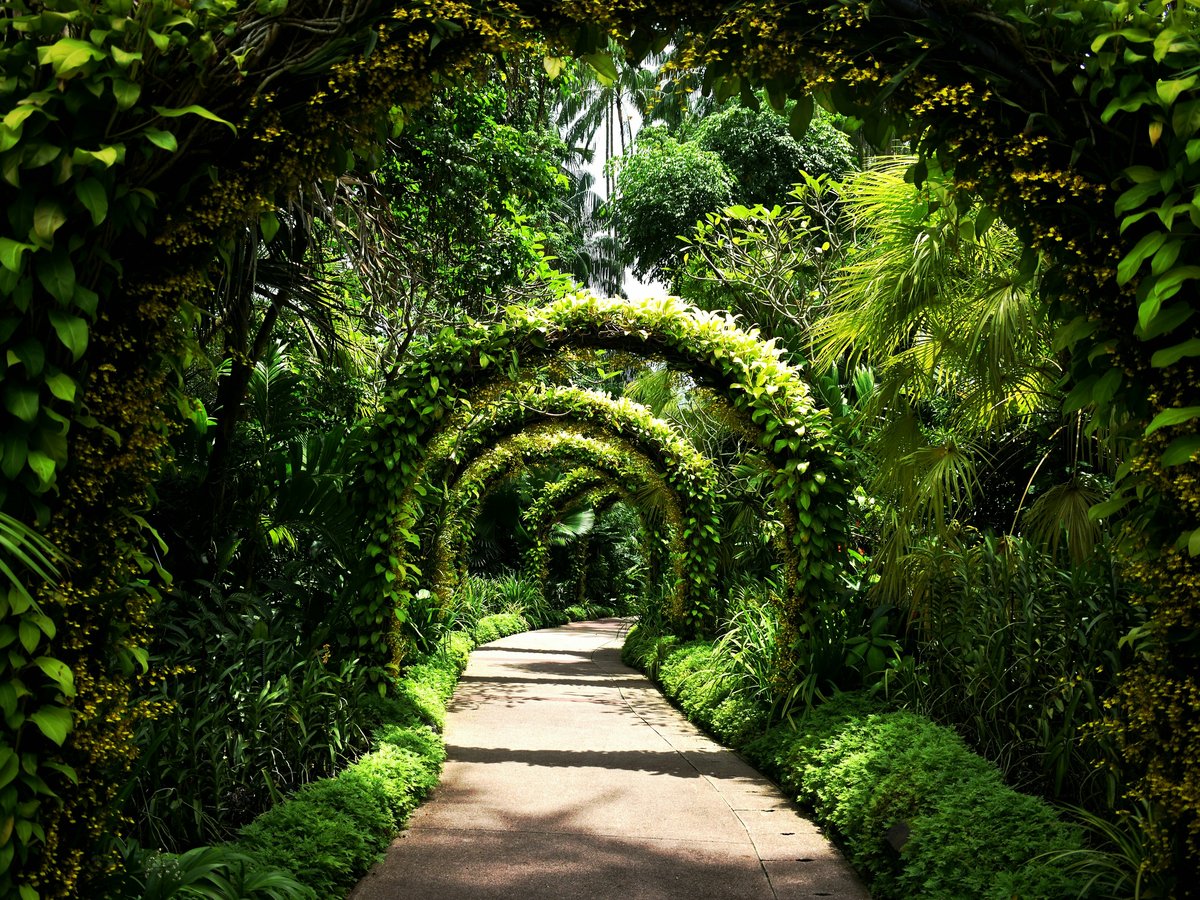
The cheapest good day in Singapore is spent under trees. This list leans on parks and gardens because that is where the city gives the most for the least, running from a botanical garden dating from 1859 that holds UNESCO World Heritage status to a pair of gardens in Jurong East from the mid-1970s, a beach park in the eastern part of the island, and a hilltop park listed as open 24/7. Skip the air-conditioned retail circuit that eats most visitors' afternoons; the heat is part of the deal here, and the shade is the reward. This list is for walkers, early risers, and anyone who would rather see how the city spends its weekend than queue for a ticket. Go early, carry water, and pick two or three places rather than trying to cross the whole island in a day.
See the picks → -
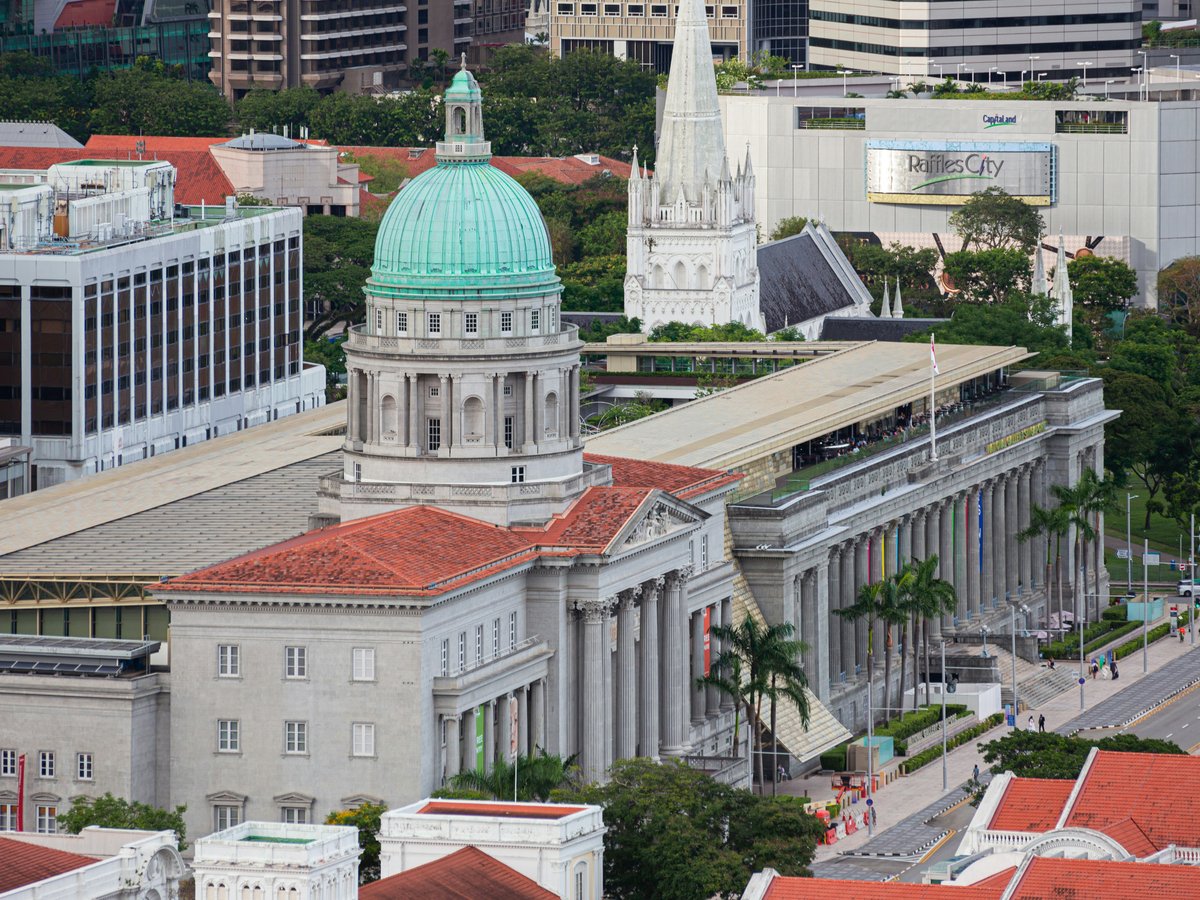
Best museums
Singapore's museums span more than a century and a half of collecting, from a national collection dating back to 1849 to the ArtScience Museum, which opened in 2011. Several of the strongest venues focus on a single community: one museum specialises in Peranakan culture, the Malay Heritage Centre is both a cultural centre and a museum, and the Indian Heritage Centre is a history museum. Two entries leave the gallery format behind entirely, one a decommissioned coastal artillery battery on Sentosa and the other a war museum at Changi. We've put this list together for travellers who want more than a rainy-afternoon shelter: it suits readers of history, families planning a day around a children's museum, and anyone who would rather understand a city than photograph it. Opening hours vary from venue to venue, and several of these museums close one day a week, so check each entry before you plan the route.
See the picks → -
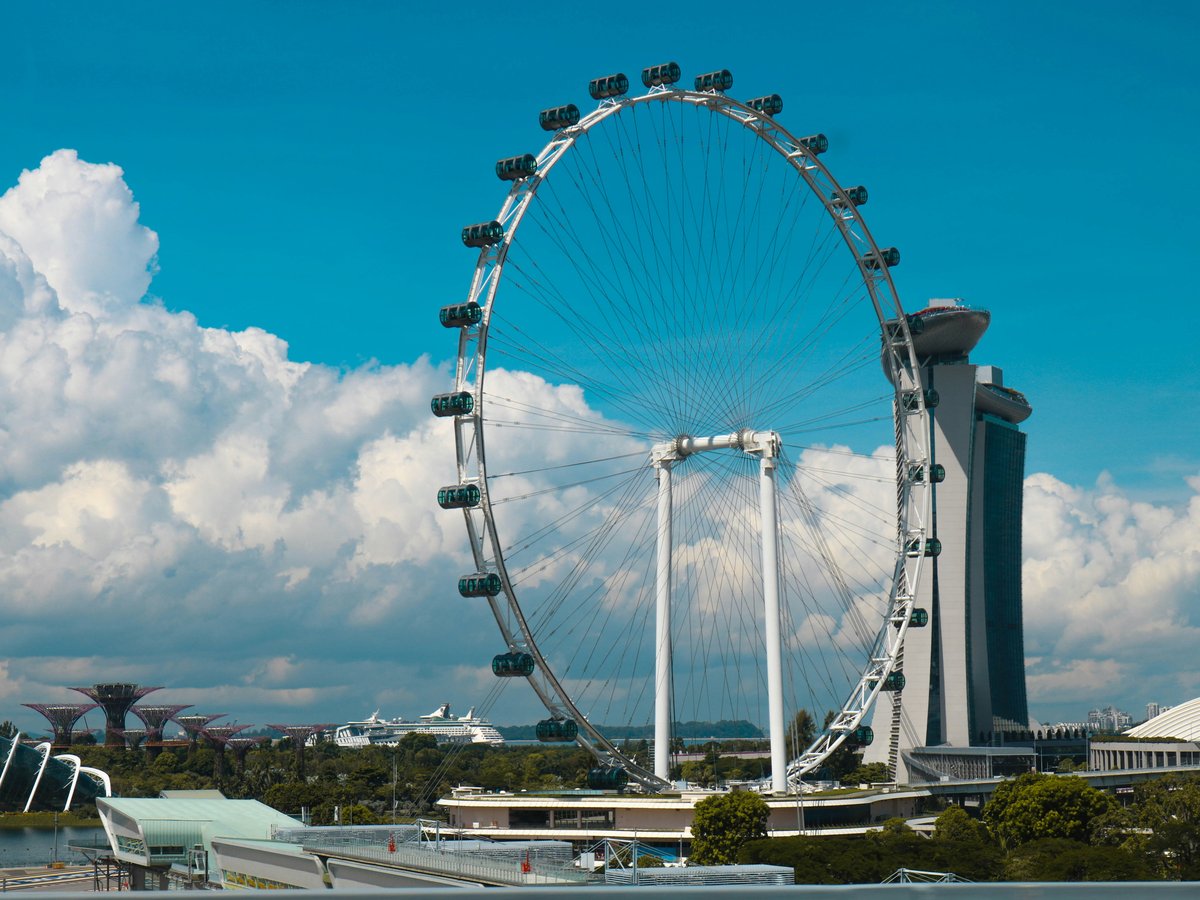
Must-see attractions
Singapore's must-see list is short on single blockbuster sights and long on places where the city's communities still live and work. Five of the twelve stops below carry the National monuments of Singapore designation: a mosque, two Hindu temples, an Anglican cathedral and the President's residence. Their dates run from 1827 to the Ferris wheel's 2008, with a performing-arts centre from 2002 in between, and they share the list with a working residential town, a shopping boulevard and a nature reserve listed as an ASEAN Heritage Park. This list is for visitors who would rather see how Singapore prays, shops and spends its evenings than tick off another observation deck. Several places keep tight or split hours, so the timings are given in each entry. Plan around them and you will see most of these places on foot, a few streets at a time.
See the picks →
food
-
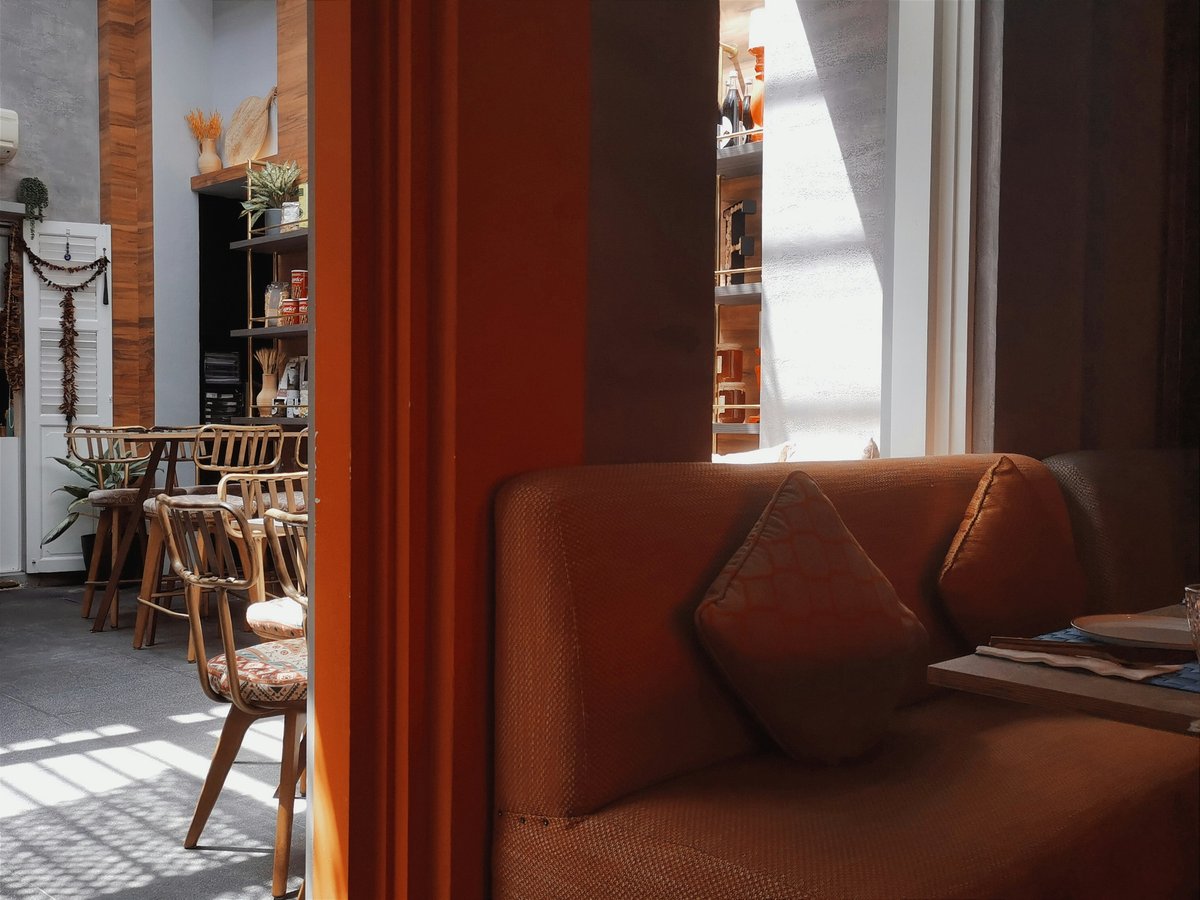
Best cafes
Singapore's cafe scene is not one thing. It is a coffee-shop culture that stretches from HDB heartland kopitiams to third-wave roasters on Upper Thomson, from Italian delicatessens in colonial black-and-whites to bubble-tea counters wedged into Orchard Road basements. What follows is a working list for a visitor who wants to spend a morning, an afternoon, and a late-night dessert hour somewhere the locals go, not just the address the concierge writes down. The 12 rooms below span brunch counters that open by 09:00, bagel kitchens that shut at 16:00, and dessert houses that stay lit until 23:30. Each is mapped, each has a working phone, and each earns its slot for a reason its category label would not predict on its own. Read the paragraph before you tap the map: the address tells you where, the prose tells you when to go and what to order once you sit down.
See the picks → -
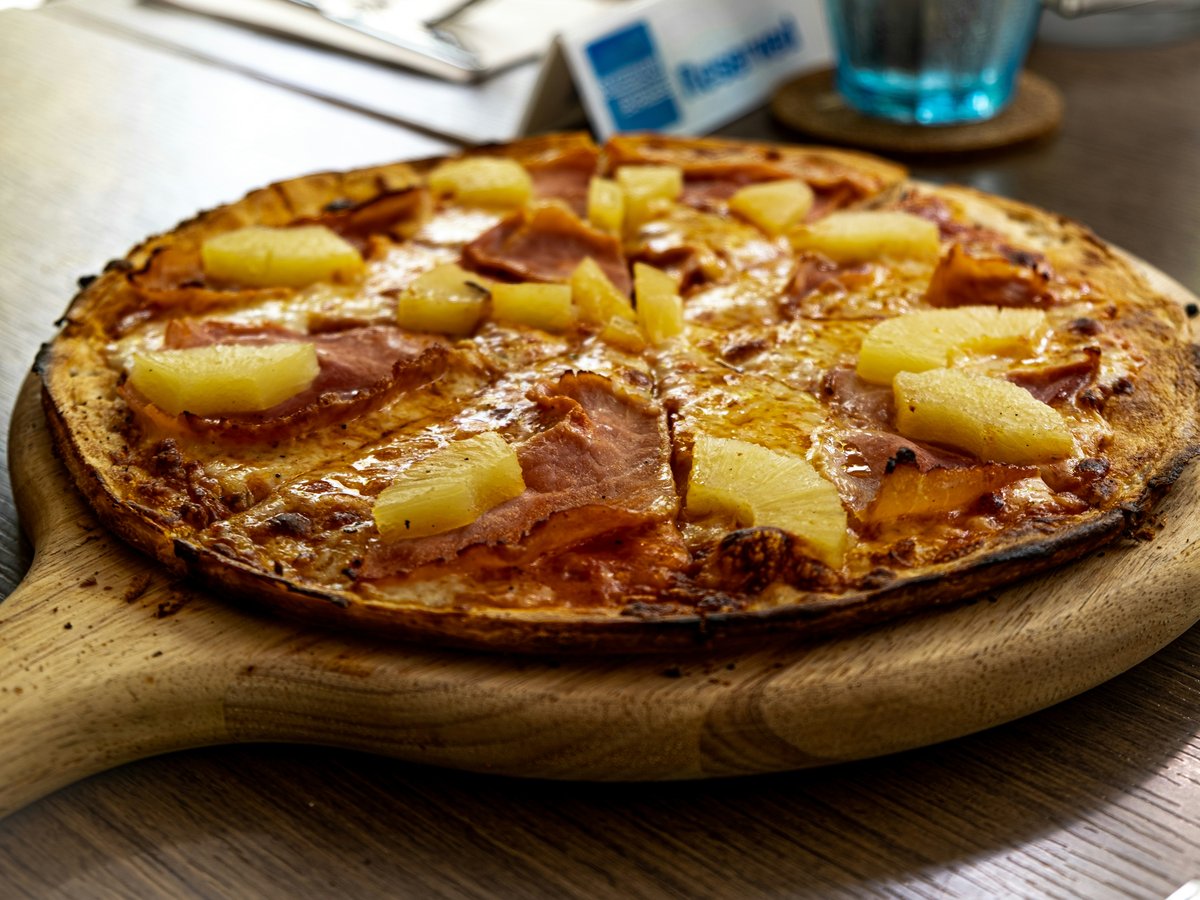
Best restaurants
Singapore eats across every axis at once, which is why a curated restaurant list here has to work harder than most. The hawker centre is the country's headline act, and rightly so, but the sit-down room deserves its own map: the neighbourhood trattoria that pulls in three generations of the same family on a Sunday, the corner curry house that stays open until midnight, the steakhouse hidden inside a shophouse podium beside a canal. This list stays away from the tasting-menu circuit and the marina-view hotels; it points instead at twelve restaurants that reward a taxi ride into a residential postcode. You will find Italian in four different registers, Thai royal cooking in an Arcadia Road bungalow, Spanish sharing plates in a Bukit Timah house, an Indian institution on Casuarina Road, and a seafood room on Stevens Road that argues, convincingly, for local cooking at a white tablecloth. Every address, phone number and service window below is grounded in the venue's own listing. Come hungry, and come with the postcode written down; several of these are worth the detour precisely because they are not where the tourist buses stop.
See the picks →
Browse by traveler type
- For foodies
Singapore for foodies
- For families with kids
Singapore for families
- For digital nomads
Singapore for digital nomads
- For solo travelers
Singapore for solo travelers
- For couples
Singapore for couples
- For budget travelers
Singapore on a budget
- For luxury travelers
Singapore for luxury travelers
- For first-timers
Singapore for first-time visitors
Book experiences in Singapore
 Free cancellation
 Lion City Bike Tour of Singapore
City tour: 4 hours, free cancellation.
via Viator Free cancellation
 Singapore River Cruise, Night Garden Rhapsody & Spectra by CYT
Day trip: 4 hours, free cancellation.
via Viator Free cancellation
 Singapore Highlights Small Group Bike Tour on Full-Sized Bicycles
City tour: 4 hours, free cancellation.
via Viator Free cancellation
 Singapore Night Tour: Chinatown, Little India & Bumboat Cruise
Cruise: 4 hours, free cancellation.
via Viator Free cancellation
 Singapore Starry Night River Cruise, Spectra & Garden Rhapsody
Day trip: 4.5 hours, free cancellation.
via Viator Free cancellation
 Singapore River Cruise and 2 Must-see Water Light Shows
Day trip: 4 hours, free cancellation.
via Viator Free cancellation
 Private Tour: Nighttime Sightseeing with River Cruise
City tour: 3.5 hours, free cancellation.
via Viator Free cancellation
 Royal Albatross - Sunset Sail Cruise with 5-Course Seated Dinner
Cruise: 2.5 hours, free cancellation.
via Viator Free cancellation
 Singapore: UNESCO Street Food & Cultural Experience
City tour: 5.5 hours, free cancellation.
via Viator Free cancellation
 Singapore Your Way: Iconic Sights & Local Neighborhoods Tour
City tour: free cancellation.
via Viator Free cancellation
 6 Hours - Singapore Tour in Private Car or Minibus with Driver
Day trip: 6 hours, free cancellation.
via Viator Free cancellation
 Private Singapore Customized Tour With Driver in small group
Day trip: 4 hours, free cancellation.
via ViatorBrowse by interest
Compare Singapore with
Find a flight to Singapore
Live fares to Singapore appear here once cookies are accepted.
Last verified by automated review (v1.7.2) on . What is automated review?