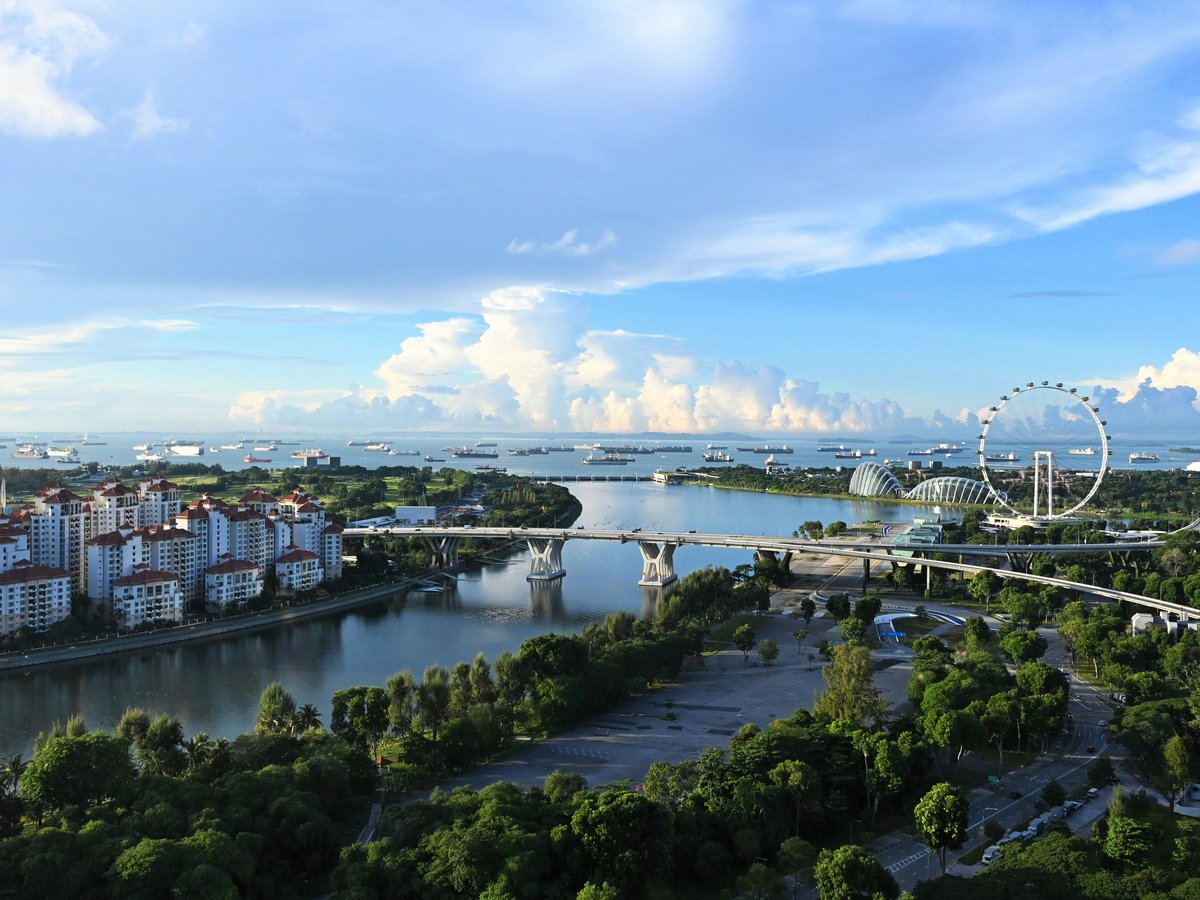
Singapore's nightlife runs on a peculiar tension: a city that works relentlessly hard during the day but has quietly built one of Asia's most sophisticated after-dark scenes. The drinking culture here tends toward quality over chaos. You won't find the sloppy late-night stumbling of Bangkok or the all-hours madness of Tokyo. Instead, there's a certain precision to how Singaporeans go out: the cocktail bars are immaculate, the clubs enforce dress codes without apology, and last orders still feel too early if you're used to European hours. That said, the scene has real depth once you know where to look. The city currently holds more spots on Asia's 50 Best Bars list than anywhere else in the region, and the local bartending community has been punching well above its weight for over a decade now. Going out here costs more than most of Southeast Asia (considerably more) but what you get in return is craft, consistency, and a surprising amount of variety packed into a small island.
The Bar Scene: From Speakeasies to Skyline Drinks
Singapore's cocktail bar culture is, to be fair, genuinely world-class. The city has become something of a pilgrimage site for serious cocktail enthusiasts, and the concentration of talent behind the bar is remarkable for a place this size. You'll find speakeasy-style spots hidden behind unmarked doors or tucked inside shophouses along Ann Siang Hill and Keong Saik Road: the kind where you ring a bell or find the entrance through a barbershop front. The bartenders here tend to be competitive types who've trained internationally, and they take their craft seriously without being precious about it. The rooftop bar situation is exactly what you'd expect from a skyline-obsessed city. Marina Bay Sands looms over everything, obviously, but the locals will tell you the better views come from smaller hotel rooftops where you're not fighting through tourist crowds. Expect to pay a premium for a cocktail at altitude: considerably more than ground-level bars. Worth noting: many rooftop spots enforce smart casual and will turn away anyone in flip-flops or shorts, even in 32-degree heat. Dive bars exist here, though they're a different species from what you might be used to. The older HDB-adjacent kopitiam bars (the ones with plastic chairs, Tiger on tap, and uncles watching football) those are the closest thing to a true dive. They smell like cigarette smoke drifting in from outside and spilled beer on concrete floors. Some of the better ones cluster around Geylang and Jalan Besar, though they're slowly disappearing as redevelopment creeps in. Wine bars have been multiplying along Club Street and Duxton Hill in recent years. The natural wine movement hit Singapore hard, and you'll find pours from small European producers alongside emerging Australian and South African bottles. These spots tend toward the intimate: maybe 20 seats, exposed brick, a short menu of cheese and charcuterie. They fill up quickly on Thursday and Friday evenings with the finance crowd unwinding.
Clubbing in Singapore: Dress Sharp, Arrive Late
The club scene here has always been a bit polarised. On one side, you've got the polished mega-clubs around Marina Bay and Clarke Quay that pull international DJs and charge accordingly. On the other, there's a smaller underground scene that's been growing steadily: warehouse parties, pop-up events in industrial spaces, and intimate basement clubs that care more about the music than the bottle service. Electronic music dominates. House and techno have the strongest following among the local crowd, though hip-hop nights still draw big numbers, particularly with younger Singaporeans. The underground techno community is tight-knit and tends to organise around specific crews and collectives rather than fixed venues: follow them on social media to find out where the next thing is happening. Dress codes are enforced with more rigour than most cities in the region. For the Marina Bay and Clarke Quay clubs, men generally need covered shoes, long trousers, and a collared shirt won't hurt. Women have more leeway, but the bouncers still exercise discretion. The underground spots are far more relaxed (trainers and a t-shirt are fine) but even there, looking like you just rolled off the beach won't fly. Things don't really get going until midnight at most clubs. Locals tend to meet for dinner around 8 or 9, move to a bar for drinks, and only hit the club around 12 or 1. Peak energy is typically 1-3 AM. Most places close at 3 or 4, with a handful running until 6 on weekends. Mind you, the after-hours options are limited compared to cities like Berlin or Seoul: when it's done, it's done. Entry norms vary wildly. Some spots operate guest lists that favour women and mixed groups. Solo men or all-male groups might face higher covers or longer waits at the door, particularly at the more commercial venues. This is openly practised and nobody pretends otherwise. Cover charges at the bigger clubs typically include one or two drink tokens.
Live Music: Jazz Bars, Indie Stages, and Kampong Grooves
Singapore's live music scene has always been a scrapper: fighting for space and audience in a city where rent is brutal and noise complaints come easy. But it persists, and in some corners it thrives. Jazz has perhaps the deepest roots here. There are established jazz bars along the river and in hotel lobbies that have been hosting musicians for decades. The local jazz community is small but technically excellent, with players who've studied in Berklee or Julliard rotating through regular residencies. Wednesday and Thursday evenings tend to be the sweet spots for catching a good set without weekend crowds. The indie and alternative scene clusters around specific venues in areas like Haji Lane, Bugis, and the occasional shophouse conversion. Local bands play everything from math rock to post-punk to Malay-language folk. The sound is eclectic and harder to pin down than you might expect: there's a real DIY energy to it, with bands self-producing, sharing gear, and booking their own shows. Friday and Saturday nights are when most gigs happen, with doors around 8 and music starting closer to 9. Reggae and ska have a surprisingly dedicated following among a certain crowd: you'll find the occasional roots night at smaller bars, usually announced through word of mouth. The Tamil and Malay music communities also put on shows, though these tend to be in community spaces or specific cultural venues rather than the typical nightlife circuit. For something uniquely local, keep an ear out for events featuring Singaporean musicians blending traditional instruments with electronic production. It's a niche that's been growing quietly: gamelan samples layered over house beats, erhu melodies woven into ambient sets. Still emerging, but when it works, it's genuinely distinctive.
Nightlife neighborhoods
-
Clarke Quay
Loud, boozy, and unapologetically touristy along the riverfront, though the back streets have been improving. The smell of the river mixes with spilled drinks and fried bar snacks. Neon reflects off the water. It's Singapore's closest equivalent to a party district: messy, expensive, and full of energy on weekends.
- Best for
- Groups looking for a big night out, tourists wanting everything in walking distance, Friday and Saturday after 10 PM
-
Ann Siang Hill and Club Street
Narrow shophouse streets that feel almost European after dark: intimate wine bars and cocktail spots spilling warm light onto cobblestones. The crowd skews slightly older and more moneyed. Conversations happen at a volume where you can hear them. The scent of good wine and aged cheese drifts from open doorways. Thursdays and Fridays are the peak nights here, when the after-work crowd settles in and stays.
- Best for
- Date nights, wine lovers, cocktail enthusiasts who prefer conversation over bass, weeknight drinks with colleagues
-
Keong Saik Road
Currently one of the more interesting strips in the city: a stretch of restored shophouses packed with speakeasies, natural wine bars, and inventive cocktail joints. The street has a bit of a village feel after dark, with people bar-hopping on foot between spots barely a hundred metres apart. Warm yellow light from low-ceilinged rooms, the clink of coupe glasses, the faint sweetness of pandan and coconut drifting from a nearby kitchen. The crowd tends to skew creative types and hospitality workers on their nights off.
- Best for
- Bar-hopping on foot, cocktail nerds, people who appreciate considered drinks lists over big-name branding
-
Tanjong Pagar and Duxton Hill
The neighbourhood has shifted noticeably in recent years: what was once largely a food destination has added layer after layer of drinking spots. The hilly streets around Duxton give it a different topography from most of Singapore's flat nightlife areas, and there's something appealing about walking uphill between bars. The rooftop and terrace culture is strong here. You'll catch the warm evening breeze carrying the hum of conversation and the occasional burst of laughter from a table nearby.
- Best for
- After-dinner drinks, rooftop terraces, a slightly more relaxed pace than Clarke Quay or the CBD bars
-
Haji Lane and Kampong Glam
Narrow, colourful, and a bit bohemian: Haji Lane has the feel of a place that hasn't been entirely smoothed out by money yet, though it's heading that way. Street art on the walls, the smell of shisha smoke curling from hookah bars, live music leaking out of small venues. The broader Kampong Glam area around Arab Street adds Middle Eastern-influenced cafes and bars open late. The crowd is younger and more eclectic: backpackers mixing with local art students and musicians. Saturday evenings have the most energy.
- Best for
- Live music, a bohemian atmosphere, shisha bars, budget-friendlier drinks compared to the CBD, Saturday evening wanders
-
Boat Quay
Sits in the shadow of the CBD towers along the Singapore River, giving it an odd energy: suited professionals drinking beside tourists studying guidebooks. The row of shophouse bars along the waterfront looks striking at night, with the skyline reflected in the river. It's quieter than Clarke Quay and tends to attract an after-work crowd that thins out by 10 or 11. The smell of satay from nearby hawker carts drifts through on some evenings. Has been going through a bit of a revival lately, with newer cocktail bars replacing some of the older pubs.
- Best for
- After-work drinks with CBD colleagues, a calmer riverside atmosphere, weeknight sessions that wrap up at a reasonable hour
Safety after dark
Singapore is one of the safest cities in the world for a night out: violent crime against visitors is exceptionally rare, and you can walk most neighbourhoods alone at 3 AM without genuine concern. That said, common sense still applies. Drink spiking, while uncommon, has been reported at busier clubs: keep your glass in hand, and if a drink tastes off, stop drinking it. Taxi and ride-hail scams are essentially non-existent thanks to metered cabs and app-based pricing, but surge pricing on Grab can spike sharply after 1 AM on weekends, so checking the fare estimate before confirming is wise. The MRT stops running around midnight, and the last trains get packed: if you're planning a late night, budget for a ride home by car. Police presence is visible but generally unobtrusive. Singapore's drug laws are notoriously strict: possession carries severe penalties including mandatory death sentences for certain quantities. This is enforced without exception, including against foreigners. Don't test it.
Practical tips
- Drinking hours and last call
- Most bars serve until midnight or 1 AM on weeknights, extending to 2 or 3 AM on Fridays and Saturdays. Clubs with late-night licences can serve until 4 AM, sometimes later on weekends. Alcohol cannot legally be sold from retail shops or consumed in public places between 10:30 PM and 7 AM; this is the Liquor Control Act, and it's enforced. Bars and restaurants with licences are exempt, so you can still drink at a venue, just not buy a bottle from 7-Eleven for the park.
- Cover charges and entry norms
- The larger clubs typically charge a cover that includes a drink or two: check the venue's social media beforehand as pricing changes with the night and the DJ lineup. Smaller bars and live music venues sometimes charge a modest door fee on weekends. Ladies' nights with free entry and complimentary drinks for women are still common midweek at certain clubs, though the practice has been getting some criticism lately.
- Dress code reality
- Err on the side of smart casual unless you know the venue is relaxed. Covered shoes for men are the most consistently enforced rule across the city's clubs. Collared shirts help at the more upscale spots. Women generally face lighter enforcement. The underground and indie venues barely care: clean and put-together is enough. When in doubt, dark jeans and a decent pair of shoes will get you through most doors.
- Getting around at night
- The MRT is fast and clean but shuts down around midnight. After that, Grab is the default: it's reliable and widely used, though fares climb on weekend nights when demand spikes. Traditional metered taxis are still around and can be hailed on the street or at taxi stands; they're sometimes cheaper than Grab during surge periods. The Night Rider bus services run on weekends along routes connecting the major nightlife districts, and they're an affordable option if you don't mind the stops.
- Tipping and paying
- Tipping is not expected or customary in Singapore: most bills already include a service charge and GST. Paying by card or mobile payment is universal; some of the smaller kopitiam-style bars might be cash-preferred, but that's increasingly rare. Tap-to-pay works almost everywhere.
- The heat factor
- Singapore sits almost on the equator, and the heat and humidity persist well after sunset. If you're bar-hopping on foot (particularly along Keong Saik or Ann Siang Hill) expect to arrive slightly damp. Venues are aggressively air-conditioned, so you'll cool down fast once inside, but the contrast between the sticky outdoor air and the chilled interior catches some people off guard. Lightweight, breathable clothing that still meets dress codes is the sweet spot.
FAQ
What time does nightlife in Singapore typically start and end?
Singaporeans tend to eat dinner late (around 8 or 9 PM) and then move to bars afterward. The cocktail bar crowd is generally settled in by 9 or 10. Clubs don't fill up until midnight or later, with peak hours between 1 and 3 AM. Most venues close by 3 or 4 AM, with a few stretching to 6 AM on weekends. The city empties out quickly after last call: there's no real after-hours culture the way you'd find in Berlin or Taipei.
Is Singapore nightlife expensive compared to the rest of Southeast Asia?
Significantly so. Alcohol is heavily taxed in Singapore, which pushes drink prices well above what you'd pay in Bangkok, Kuala Lumpur, or Ho Chi Minh City. A cocktail at a reputable bar will cost several times what a similar drink runs in neighbouring countries. Beer is taxed steeply too, even at casual spots. That said, the quality of what you're drinking (particularly at the cocktail bars) tends to justify the premium. Kopitiam bars and hawker-adjacent spots offer the most affordable drinking, though even those are pricier than their regional equivalents.
Are there areas to avoid at night in Singapore?
Not really, in the way that most cities have areas to avoid. Singapore is remarkably safe after dark across virtually all neighbourhoods. Geylang has a reputation as the city's red-light district (it's legal but regulated) and while it's perfectly safe to walk through, the atmosphere is rougher and more transactional than elsewhere. Little India around Serangoon Road can get rowdy on weekend nights, particularly around the bars and liquor shops on Race Course Road, but it's a liveliness thing rather than a genuine safety concern.
Can you drink outdoors in Singapore at night?
Not after 10:30 PM in public spaces; the Liquor Control Act prohibits the retail sale and public consumption of alcohol between 10:30 PM and 7 AM. This covers parks, streets, beaches, and other open areas. You can still drink at licensed venues like bars, restaurants, and clubs during their operating hours. The law was introduced after some public order incidents and is actively enforced, particularly in areas like Little India and Geylang. Getting caught means a fine.
What's the legal drinking age and are IDs checked?
The legal drinking age is 18. IDs are checked more often than you might expect: particularly at clubs and the larger bar venues. Younger-looking visitors should carry their passport or a photocopy. The enforcement is genuine; venues face serious penalties for serving underage drinkers, so staff tend to err on the side of checking.
Is there a good nightlife scene on weeknights or only weekends?
Weeknights are quieter but far from dead. Tuesday and Wednesday tend to be the slowest, though some cocktail bars feel better on off-nights: the bartenders have more time, and you might get a seat at places that are impossible on Saturdays. Thursday is effectively the start of the weekend for many of the bar and wine crowd, with spots along Club Street and Keong Saik filling up noticeably. Ladies' nights fall on various weeknights at different venues and draw a reliable crowd. Live jazz spots often have their best sessions midweek.
Last verified by automated review (v1.7.2) on . What is automated review?