What cultural etiquette should I know for Amman?
In Amman, the right hand does everything: eat with it, pass food with it, hand over cash with it. Never point the sole of your shoe at anyone. Greet people with 'as-salamu alaykum', and if you're meeting a Jordanian woman, let her offer her hand first. Cover knees and shoulders in Downtown (Al-Balad), and never joke about King Abdullah II, because that is a criminal offence.
The mistake first-time visitors to Amman make most is treating hospitality as small talk. A shopkeeper on King Faisal Street might say 'tfaddal' and pour you a glass of sugary sage tea, and he means it: a flat 'no thanks' comes across as a snub. Accept the first glass, sip it, then leave if you want, because nobody in Al-Balad expects a purchase in return. Bedouin coffee, called qahwa sada, works differently. It comes bitter and smells of cardamom, in a handleless cup holding barely two sips, and the host will keep refilling it. When you have had enough, give the cup two or three quick side-to-side shakes and hand it back with your right hand, the one Jordanians use for eating, paying and passing anything at all.
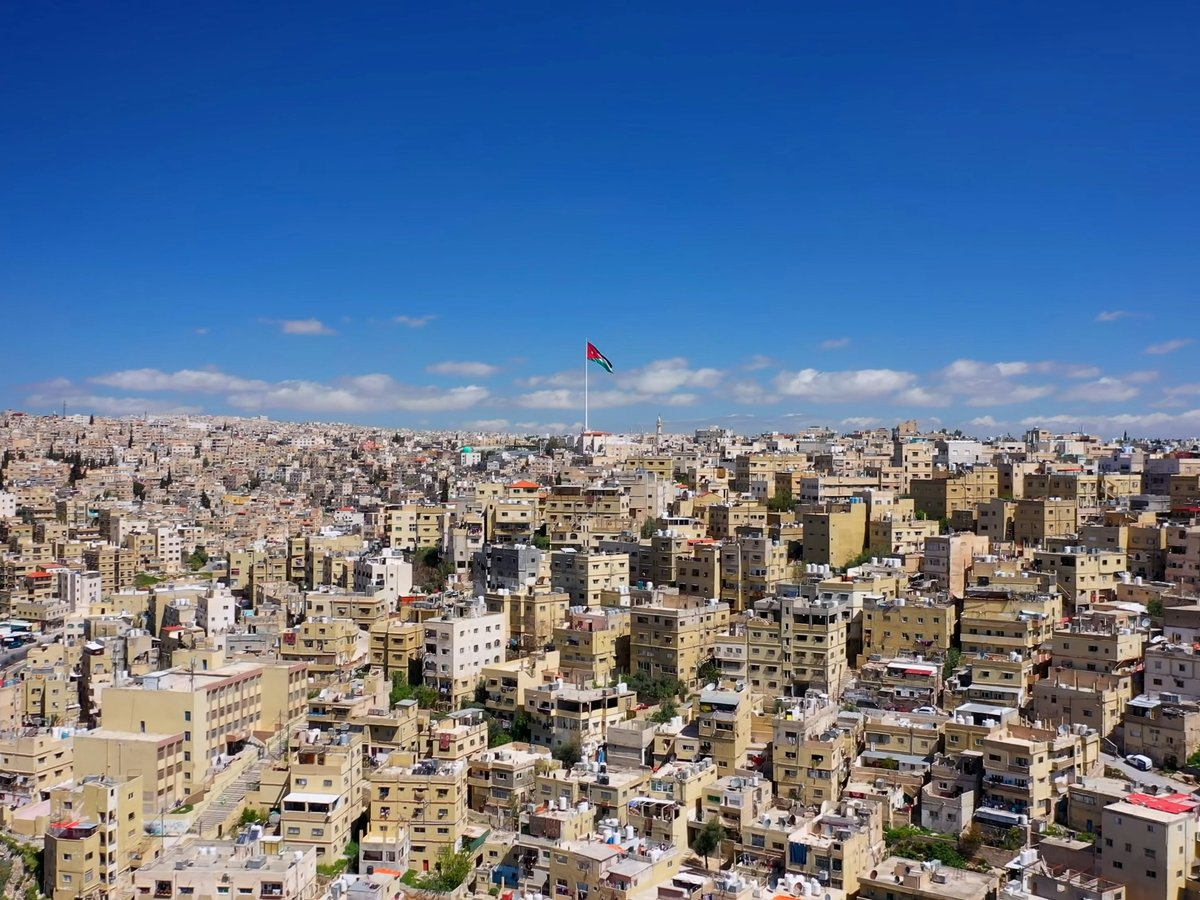
Socially, Amman is several cities. Downtown is working-class and conservative, covering the streets around the Roman Theatre and the Grand Husseini Mosque, and men in shorts there get long stares from the falafel queue at Hashem Restaurant. From there it is about a 15-minute climb up the stairs to Rainbow Street in Jabal Amman, where you will find licensed bars and the cafes of Jabal Al-Weibdeh; after dark, sleeveless tops pass without comment. Abdoun and Sweifieh in West Amman feel closer to Beirut than to Al-Balad. Dress for the most conservative stop on your day, which is almost always Downtown. October nights cool down quickly: it was 17°C under a clear sky at 8pm on 19 October, so a light jacket keeps you warm on the Amman Citadel and covers bare arms too.
Two subjects need care in Amman. Insulting King Abdullah II or the royal family is a crime under Jordan's penal code and can mean prison, and that includes a sarcastic Instagram caption posted from your hotel in Abdali. Talk about Israel and Gaza only if a Jordanian raises it first: more than half of Amman's residents are commonly estimated to have Palestinian roots, and people tend to feel it personally. Fridays also catch visitors out. Jordan's weekend runs Friday and Saturday, and many Downtown shops stay shuttered until mid-afternoon after the noon prayer, so on Friday morning, visit the Citadel or the Roman Theatre and save the souk for later.
Haggling is expected in the Downtown souks along King Talal Street and in the nearby gold shops, and starting at about half the asking price is fair. Pharmacies, Carrefour, and the chain stores on Abdali Boulevard have fixed prices. Couples holding hands in Abdoun attract little attention, but a kiss on a Downtown pavement draws a crowd and police occasionally step in. Amman scores 3.9/10 for LGBTQ+ friendliness (sourced from TTDI's editorial rubric). Same-sex couples generally keep affection out of sight, and two men holding hands in Al-Balad tend to be read as friends, not partners.
Cultural norms
Greetings in Amman open with "as-salamu alaykum" even between strangers, and the expected reply is "wa alaykum as-salam." Handshakes between men are standard, but a man should wait for a Jordanian woman to extend her hand first: placing your hand over your heart instead is the safe default. Conversations run longer than Western visitors expect; jumping straight to business without asking after someone's family reads as cold.
At the King Abdullah I Mosque, women must wear the abaya provided at the entrance and cover their hair; men need long trousers and sleeved shirts. Outside religious sites, Amman is relatively relaxed by regional standards, but bare shoulders and short hemlines draw stares in the older downtown neighbourhoods around Al-Balad. Shoes come off at the door of any home and most smaller mosques.
On public minibuses, women typically sit beside other women when a seat is available. Tipping runs to about 10 percent at sit-down restaurants; a half-dinar left with your coffee is normal. Taxi drivers do not expect tips, but rounding up the fare is common.
The left hand is considered unclean: pass food, money, and cards with your right. Photographing military installations or the Royal Guard will get your phone confiscated. Pointing the sole of your shoe toward someone, even accidentally while crossing your legs, registers as a genuine insult.
Greetings
Open with 'as-salamu alaykum' (peace be upon you) and you will hear 'wa alaykum as-salam' back. In shops, 'marhaba' works fine. Men shake hands with men, often pressing a hand to the heart afterwards. With a Jordanian woman, wait for her to offer her hand, and if she doesn't, place your right hand on your chest and nod.
Don't do this
- Eating, passing food or handing over money with your left hand.
- Pointing the soles of your feet or shoes at someone, including resting an ankle on your knee in a taxi or a Downtown cafe.
- Joking about or criticizing King Abdullah II or Queen Rania, in person or online.
- Drinking alcohol on the street or in public parks instead of inside a licensed bar.
- Photographing women, police officers or military checkpoints without asking first.
- Walking in front of someone who is praying, or onto a mosque's prayer carpet in shoes.
- Starting on a shared tray of mansaf before the host or the eldest person at the table has begun.
Tipping
Most sit-down restaurants add a 10% service charge plus 16% sales tax, so another 5% in cash is enough when the service is good. Round taxi fares up to the next half dinar (about $0.70), and hotel porters get 1 JOD (about $1.41) per bag.
Dress code
At the King Abdullah I Mosque, women must cover their hair, arms, and legs, with hooded abayas available on loan at the entrance, while men in shorts are turned away. In Downtown (Al-Balad), everyone should cover knees and shoulders. Shoes come off at every mosque door, so wear a pair that slips off easily.
Religious norms
During Ramadan, expected to begin around 8 February 2027, eating, drinking, or smoking in public between dawn and sunset is illegal for everyone, Muslim or not, and can bring a fine. Hotel restaurants keep serving behind screens. Non-Muslims can visit the King Abdullah I Mosque outside prayer times, though not during Friday noon prayers. Turn your music down near a mosque when the call to prayer sounds, as it does five times a day.
Last verified by automated review (v1.7.2) on . What is automated review?