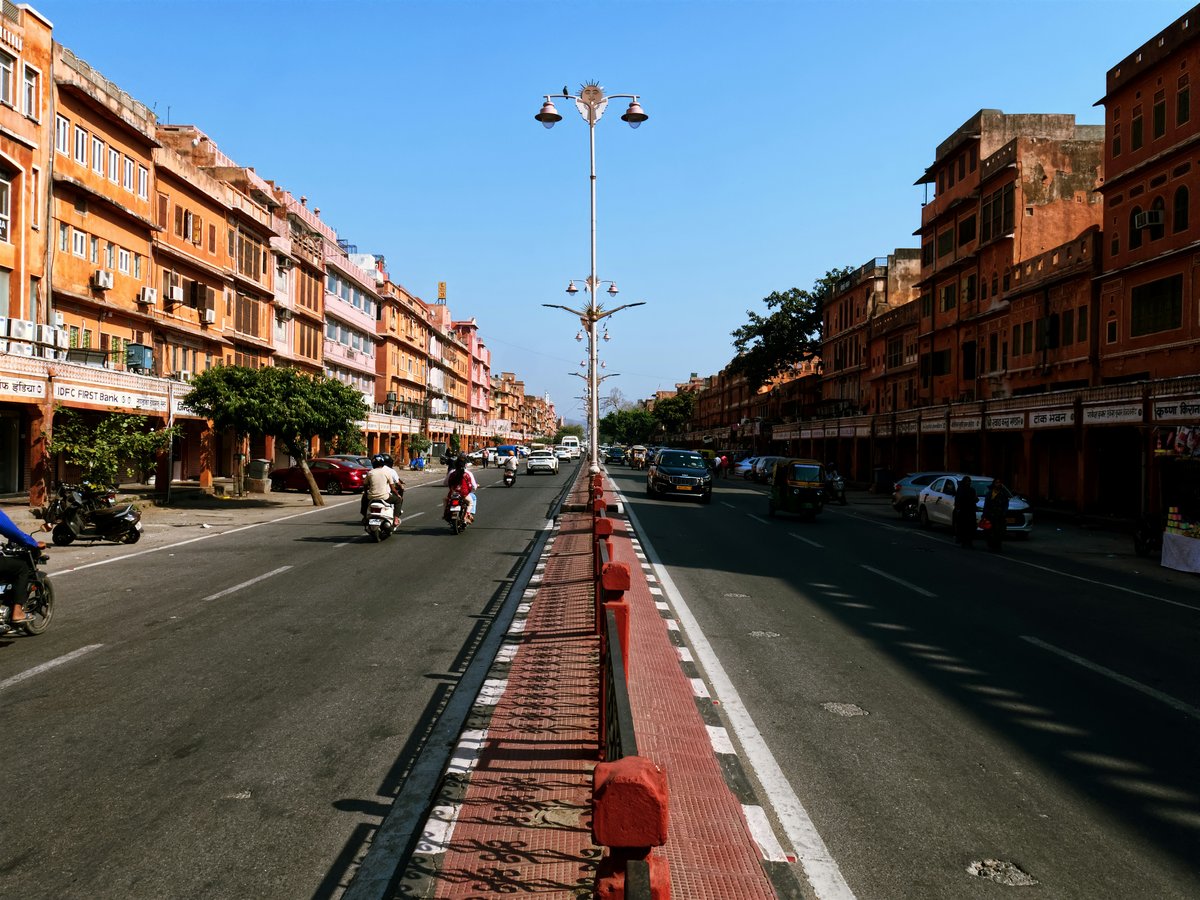
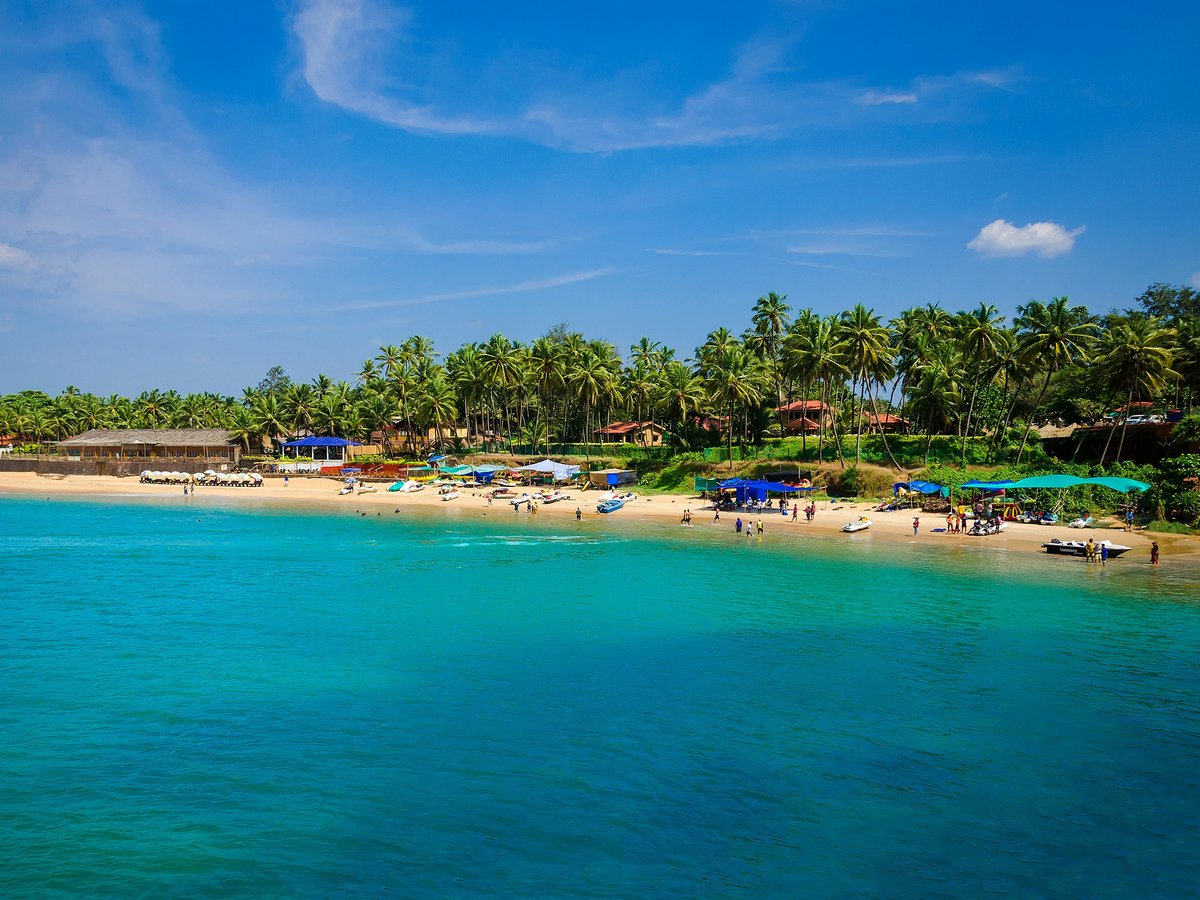
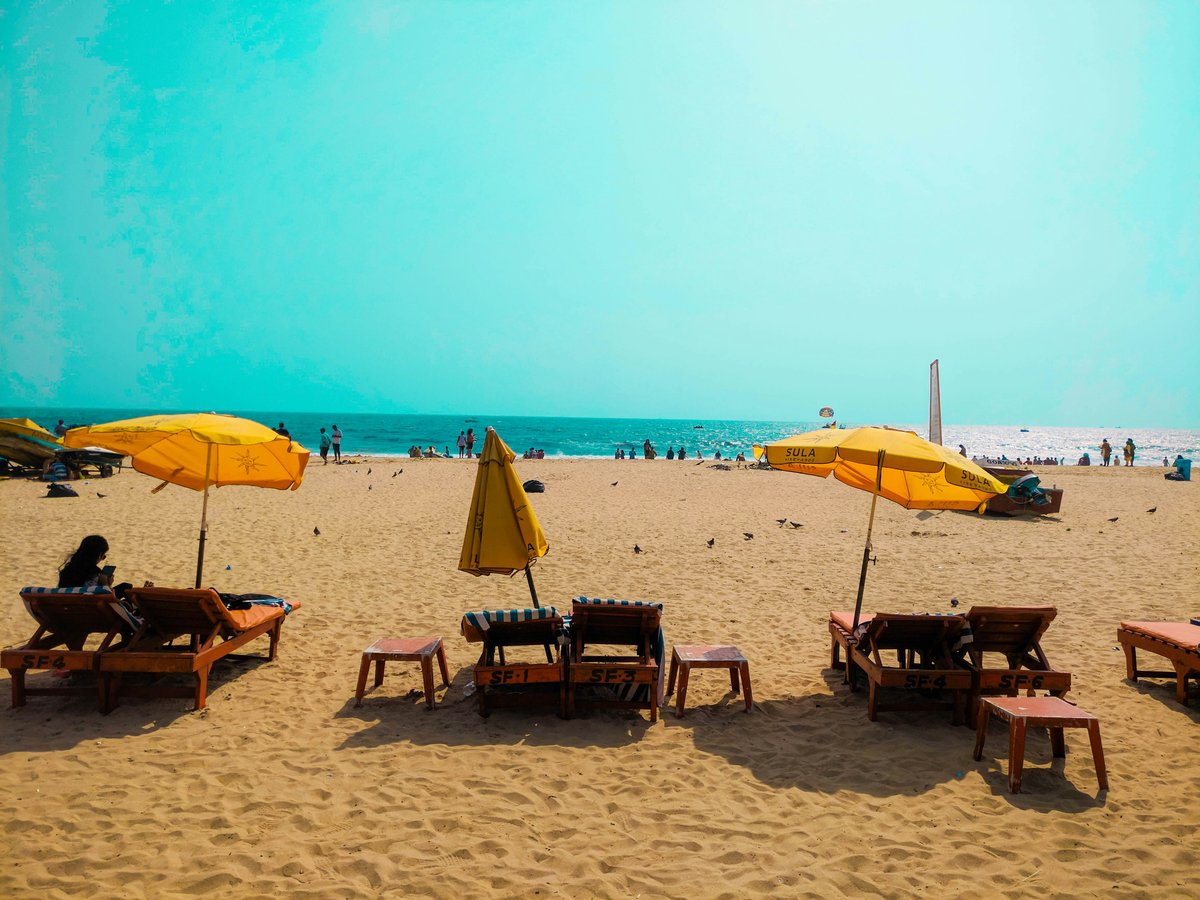
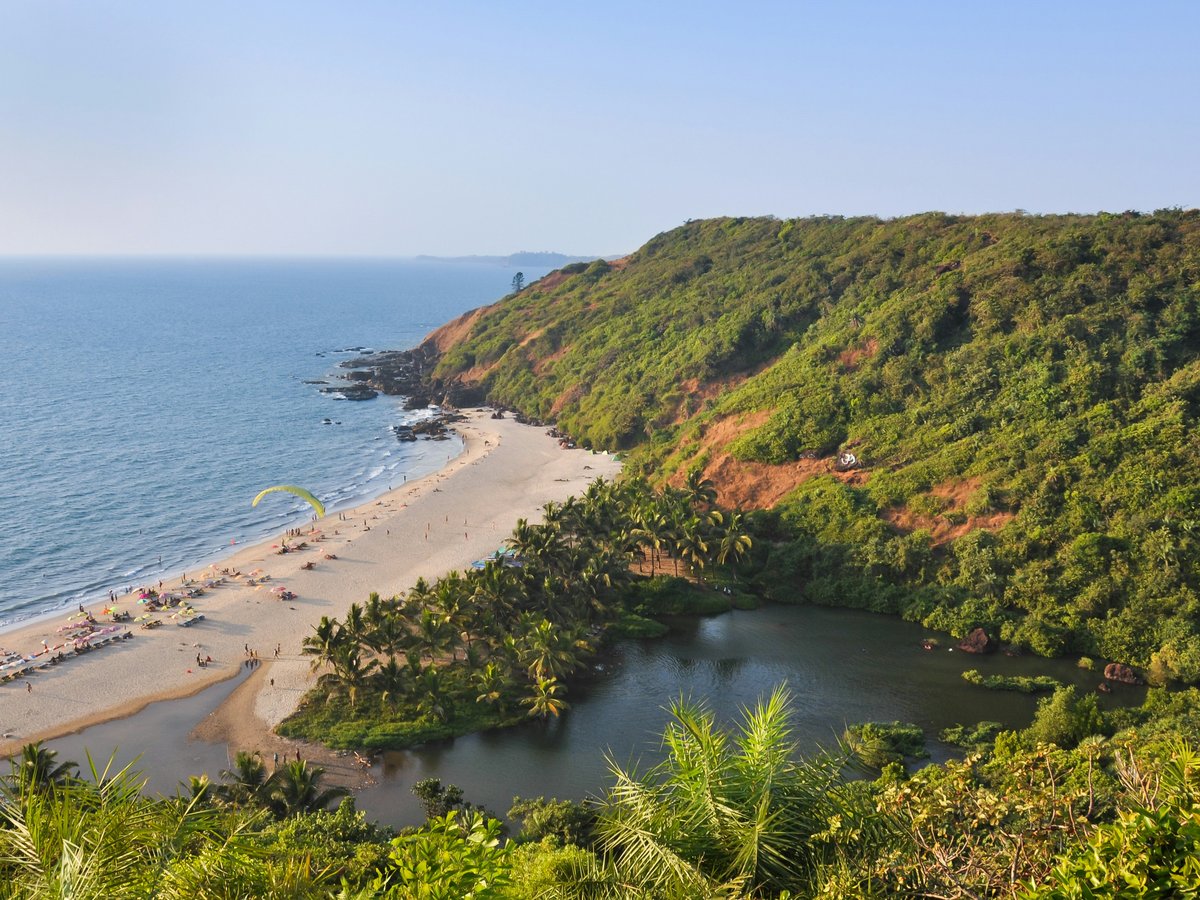
Goa occupies a narrow coastal strip between the Western Ghats and the Arabian Sea, and its character owes more to four hundred and fifty years of Portuguese rule (ending only in 1961) than to the broader Indian mainstream. That colonial arc is legible in the laterite basilicas of Old Goa, in the azulejo tilework on houses in Fontainhas, Panaji's Latin Quarter where narrow streets climb a hillside painted in washes of ochre, terracotta, and pale blue, and in the kitchen, where vindaloo began not as a generic curry but as a Konkani reworking of the Portuguese carne de vinha d'alhos, pork braised in wine vinegar and garlic. A first visit usually starts with the north-south split that locals take for granted: the beach strip running from Candolim through Calangute to Baga is where package tourism and Saturday-night crowds concentrate, Anjuna and Vagator a few kilometers further north still carry the residue of the 1990s trance scene, and south of the Zuari River the tempo drops; Palolem's crescent shoreline and Agonda's emptier sands draw people who want fewer neighbors. Inland the landscape changes fast, with spice plantations near Ponda, the Bhagwan Mahavir wildlife sanctuary in the Ghats foothills, and Dudhsagar falls near the Karnataka border offering a Goa that has nothing to do with the coast. The monsoon dictates the calendar: from June through September most beach shacks are dismantled, ferry schedules thin out, and the countryside turns an almost absurd shade of green. The dry season running from October to March is when the Mandovi River esplanade in Panaji fills with evening walkers and the Saturday night markets resume at Arpora. Konkani is the language spoken at home, Portuguese loanwords still surface in everyday conversation, and English functions as the common working language for anyone arriving from outside the state.
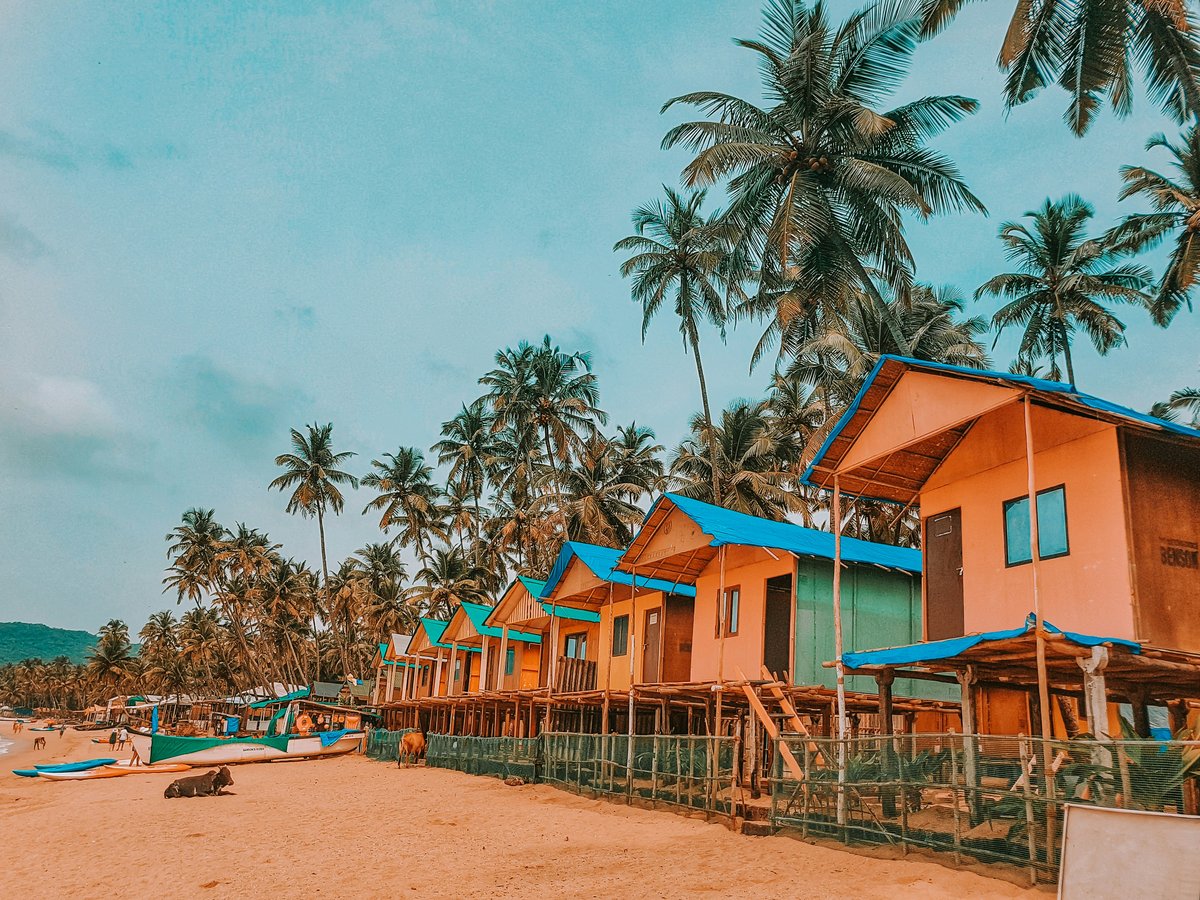
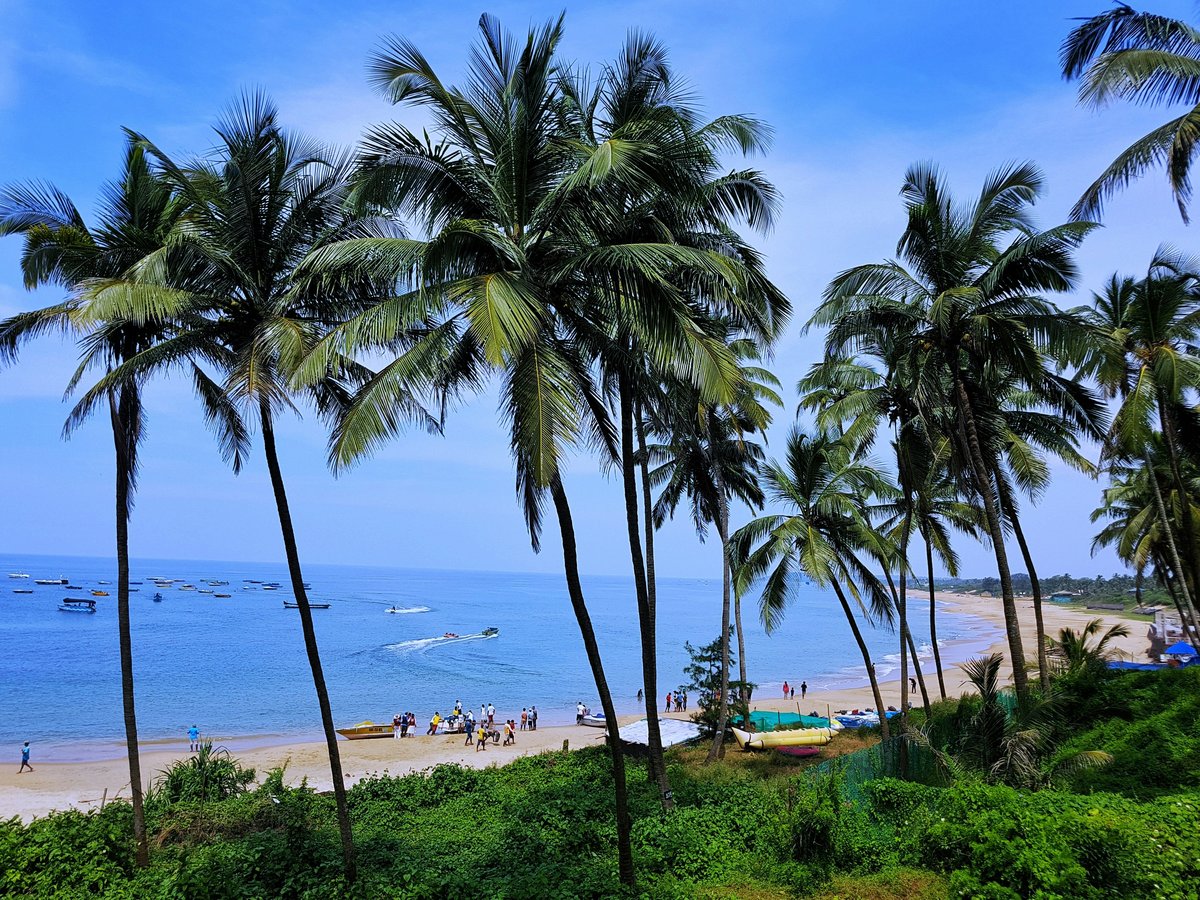
Goa in photos

Goa right now
Answers about Goa
-
Airport to city
Goa has two airports. Most flights now land at Manohar International (GOX) in Mopa, North Goa. Take a prepaid taxi from the counter inside arrivals. ₹1,200–1,800 ($13–19) to most North Goa beaches, 45–75 minutes. There's no rail link and no reliable Uber. The prepaid counter is the right answer.
Read the full answer → -
Best time to visit
November through February is the best window for Goa. Daytime temperatures hover around 31°C with near-zero rainfall, beach shacks from Anjuna to Palolem are fully open, and humidity drops to a comfortable 50-60%. October and March are decent shoulder months. Avoid June through September, when the monsoon delivers over 2,500mm of rain and most coastal businesses shut down.
Read the full answer → -
Cost per day
Budget ₹1,400/day ($15) covers a hostel dorm in Arambol, three meals at local rice-plate joints, and a rented scooter. Midrange sits around ₹4,200/day ($45) with a private guesthouse room in Assagao and beach-shack dinners. Luxury reaches ₹14,000+/day ($150+) at resorts like Taj Fort Aguada. Most major sights, including the UNESCO churches of Old Goa, charge zero entry.
Read the full answer → -
Cultural etiquette
Goa runs on two parallel etiquette systems. Hindu temples require bare feet and covered shoulders. Catholic churches in Old Goa enforce knee-length clothing and silence during Mass. Remove footwear before entering any Goan home. Tipping 10% at sit-down restaurants is standard when no service charge appears on the bill.
Read the full answer → -
Best day trips
Old Goa's UNESCO churches sit 10 km east of Panaji and take 2-3 hours. Pair them with a ₹10 ferry to Divar Island or a 30 km drive to Ponda's spice plantations for a Goan thali on banana leaves. Dudhsagar Falls, 60 km east, hits peak flow in monsoon but the jeep trail closes June through September. Cabo de Rama Fort, 60 km south, is the quiet romantic pick.
Read the full answer → -
Digital nomads
Goa scores 7.2/10 for digital nomads (sourced from TTDI's editorial rubric). Jio Fiber delivers 100-300 Mbps in Panjim and parts of North Goa, with furnished apartments in Assagao running ₹18,000-25,000 per month. All-in monthly budget sits around $1,000-1,100. Power cuts during monsoon (June through September) are the main frustration, hitting 2-3 times weekly in beach villages.
Read the full answer → -
Family-friendly
Goa is largely family-friendly, with the monsoon (June through September) and poor stroller infrastructure as the main caveats. South Goa beaches like Palolem and Mandrem suit kids under 10 with calm, shallow water. Goan food tends mild by Indian standards. Most beach shacks serve plain rice and grilled fish. Bring a carrier instead of a stroller.
Read the full answer → -
Food culture
Goa's food runs on two tracks shaped by 451 years of Portuguese rule. Hindu kitchens build fish curry rice around kokum and coconut. Catholic Goan cooking uses pork, vinegar, and spices from the colonial trade routes to produce vindaloo, xacuti, and sorpotel. The best eating happens not at Calangute beach shacks but at lunch counters in Panjim's Fontainhas and near Margao's Municipal Market.
Read the full answer → -
Getting around
Rent a scooter for 300-500 rupees a day ($3-5). Goa has no metro, and the taxi cartel charges 1,200-1,500 rupees for short runs. GoaMiles, the state ride-hailing app, is cheaper but has patchy coverage. Kadamba buses cover the Panjim-Margao corridor for 40 rupees. Between villages, a scooter is the only practical first-timer option.
Read the full answer → -
How to get there
Fly into Mopa (GOX) for North Goa or Dabolim (GOI) for South Goa. GOX is the better pick for most trips. No year-round nonstop flights exist from North America or Europe. Connect through Mumbai on a 1-hour hop at ₹2,500-5,500 ($26-58), or via Dubai. Round-trips from the US run $800-1,400, from the UK £450-750.
Read the full answer → -
Is it safe?
Goa holds up well for solo travellers who pay attention to the road and the sea, scoring 6.8 out of 10 for solo safety (see the TTDI Solo-Safety Index). The threats that land people in hospital are scooter crashes on the NH66, rip currents off Baga and Anjuna, and spiked drinks at Vagator parties. Violent crime against tourists is rare. For any emergency, dial 112.
Read the full answer → -
Language basics
Konkani, written in Devanagari script, is Goa's official language since 1987. Portuguese loanwords still surface in daily speech, a holdover from 451 years of colonial rule (1510-1961). Hindi works as a fallback statewide. English proficiency in the tourist belt (Calangute, Panjim, Candolim) is strong. Locals under 35 tend to speak functional English. Learn 'Dev borem korum' (thank you) and 'Kitleak?' (how much?).
Read the full answer → -
Layover guide
Yes, with 7 or more hours between flights at Dabolim. Immigration runs 15-25 minutes, and a prepaid taxi to Panjim costs about 900 rupees for a 45-minute ride. That leaves 2-3 usable hours for the UNESCO churches at Old Goa or a walk through Fontainhas, Panjim's Latin Quarter. Most passports need an Indian e-Visa arranged before arrival.
Read the full answer → -
LGBTQ-friendly
Goa scores 4.5/10 for LGBTQ+ friendliness (sourced from TTDI's editorial rubric). India decriminalized same-sex relations in September 2018 but does not recognize same-sex marriage. Tourist-beach zones like Anjuna and Vagator tolerate same-sex couples without incident. No dedicated queer venues exist. The scene runs on word-of-mouth parties and Instagram. Inland Goa is more conservative.
Read the full answer → -
Where locals go
Fontainhas in Panjim after 6pm on weekdays, Assagao village any afternoon, Benaulim's fish market at 7am, and Mapusa's Friday market by 8am. Goan professionals eat prawn rawa fry at Venite on 31st January Road since the 1980s. Integration happens at the ₹40-feni bars near Panjim's municipal market, not the tourist strip.
Read the full answer → -
Must-see
Skip the beaches on your first morning in Goa. Old Goa, 10 km east of Panjim, holds a Portuguese colonial complex with two UNESCO-listed churches, the Basilica of Bom Jesus (1605) and Se Cathedral (1562). Free entry, open daily, reachable in 25 minutes by taxi. Nothing else on India's coast looks like this.
Read the full answer → -
Solo travel
Goa rates 7/10 for solo travel. North Goa's hostel belt between Anjuna and Arambol has a built-in backpacker social circuit, and beach shacks serve single diners without a second glance. South Goa is quieter and can feel isolating. Scooter rental runs about ₹350/day ($3.70) and is the practical way to connect beaches, though Indian road habits take nerve.
Read the full answer → -
This week
Goa this week is deep monsoon. The Mapusa Friday Market runs year-round, and Sunday mass at Old Goa's Basilica of Bom Jesus draws locals and visitors. Beach shacks along Calangute and Baga close for the season, but Panjim's Fontainhas quarter stays lively with cafes and feni bars. Expect afternoon rain most days and steep off-season discounts.
Read the full answer → -
3-day itinerary
Day 1 covers Panjim and the 16th-century churches of Old Goa. Day 2 moves northwest to Chapora Fort, Vagator Beach, and Anjuna. Day 3 drives 67 km south to Palolem and Agonda. Goa's zones are 20-60 km apart, so hire a scooter (300 rupees/day) or a driver (2,500 rupees/day) from the start.
Read the full answer → -
What to avoid
Skip Tito's Lane in Baga after dark, the Grand Island snorkel boats sold along Sinquerim, and any rental scooter with a white number plate. Book your airport ride at the GoaMiles or prepaid counter, not with the drivers outside. Never swim past a red flag in monsoon season, and keep your beer off the beach, where police issue fines.
Read the full answer → -
What to pack
Pack rain-ready layers for Goa's monsoon months (June to September, daily downpours, 25-32°C, 90%+ humidity) or light cotton for the dry season (November to February, 22-33°C). Modest clothing covers shoulders and knees for the Basilica of Bom Jesus and Se Cathedral in Old Goa. Reef-safe sunscreen and waterproof phone pouches are worth packing from home.
Read the full answer → -
Where to stay
Candolim or Sinquerim for a first trip to Goa. Both sit in North Goa, 35-40 minutes from Dabolim Airport, with mid-range hotels at $50-120 per night. You get beach access without Baga's 2am noise or South Goa's isolation, plus a 20-minute taxi to Panaji's Fontainhas quarter for churches and Goan-Portuguese restaurants.
Read the full answer →
Deep guides for Goa
-
Goa Restaurants: What's Worth It
Ten Goa kitchens across two tiers, from a heritage Goan house in Candolim to the 02:00 Indian kitchen that outlasts every bar on the strip. Each room priced, timed, and matched against its nearest rival on the same stretch of road.
Read the guide → -
Best Time to Visit Goa, by Season
Built from 5-year daily-observation averages across all 12 months, this guide maps the real trade-off between temperature, crowds, and price in Goa. It names the single best window for five kinds of traveller, from beach seekers to monsoon chasers.
Read the guide →
Curated lists for Goa
attractions
-
Best museums
Goa's museums can't agree on what a museum is, and that is the best reason to visit more than one. The 8 on this list run from a privately owned contemporary art gallery to a museum of Christian art, a military museum given over to naval aviation, a science museum in Panjim, a vintage car museum in South Goa and a place described as both museum and theme park. The founding dates we can verify stretch from 1964 to 2015, so this is a living scene. This list is for the traveller who has had two good beach days and wants a third day with some substance in it, and for families who need a plan when the sun is too fierce. One warning: verified opening hours and ticket prices are missing from our records for every entry here, so we print phone numbers and official websites where we have them and tell you plainly where we don't. Confirm before you travel.
See the picks → -
Must-see attractions
Goa's must-see list reads like a heritage register, and that is no bad thing. The thread running through it is the Heritage of Portuguese Influence designation, held by churches such as Se Cathedral and by Fort Aguada, a fortification. Most of the walking happens in Velha Goa, where the Basilica of Bom Jesus and the Church of St. Cajetan stand, and in Old Goa, the ancient city of the Ilhas district. The dates on record include 1543 for the Church of Our Lady of the Rosary, 1562 for Se Cathedral, and 1661 for the Church of St. Francis of Assisi. Two entries break the pattern on purpose: Our Lady of the Immaculate Conception Church in Panjim, and the Shanta Durga Temple, a Hindu temple that reminds you Goa's story is not only a Catholic one. This list is for travellers prepared to walk in the heat, look closely, and give a church more than the length of a photo. If you want speed, you will be disappointed. If you want to understand the place, start here.
See the picks →
food
-
Best cafes
Goa's cafes do not agree on what a cafe is, and this list does not force them to. The 12 here include a tea stall that opens at 08:00 and wraps up by 14:00, an ice cream counter still serving at 01:00, an Italian kitchen that won't open until 12:00, and a juice centre whose recorded menu stretches from tea to kebab. Addresses run from Panjim to Majorda, with several on Fort Aguada Road in Candolim and Sinquerim. We have kept to what can be verified: where each place is, when it opens, and what its kitchen says it cooks. Where the record is thin, we say so rather than fill the gap with atmosphere. This list is for visitors who plan a day around opening hours and want an honest steer on what to order, not a ranking of latte art.
See the picks → -
Best restaurants
Eating well in Goa is mostly a matter of choosing a kitchen that has decided what it is. The 12 addresses here run from Fort Aguada Road in Candolim to Morjim Beach Road, and the cooking spans a wider range than the beach-shack stereotype allows: an Italian kitchen with a split lunch and dinner service, Georgian food on Vagator Beach Road, a Russian and Indian kitchen listed as open 24/7, and Indian and regional cooking in Candolim. This is a list for visitors who plan a day around a meal, not the other way round. Each entry gives the address, the listed hours where we have them, and a phone number, because in Goa a call before you travel saves a wasted ride. Where our verified record is thin, the entry says so plainly. The opinions are ours; the facts are cited.
See the picks →
Browse by traveler type
Book experiences in Goa
 Free cancellation
 Bake Bread With 80 Years Old Baker In Majorda
Cooking class: 3.5 hours, free cancellation.
via Viator Free cancellation
 Authentic Indian Cooking Classes
Cooking class: 3 hours, free cancellation.
via Viator Free cancellation
 Heritage of Old Goa and Fontainhas
Day trip: free cancellation.
via Viator Free cancellation
 The Monsoon Trek at Tambdi Surla
Day trip: free cancellation.
via Viator Free cancellation
 Private Full Day Guided Tour of Goa By Car
Day trip: free cancellation.
via Viator Free cancellation
 Authentic Ubud Experience with French Speaking Guide
Day trip: 8 hours, free cancellation.
via Viator Free cancellation
 CULTURAL & HISTORIC DAY TOUR ATTRACTIONS - Churches, Temples & Spice Plantation
Day trip: free cancellation.
via Viator Free cancellation
 Ubud : Full-Day Monkey Forest, Rice Terrace, Temple & Waterfall
Day trip: free cancellation.
via Viator![Traditional Indian Cooking Class in Goa, Anjuna [vegetarian]](https://media-cdn.tripadvisor.com/media/attractions-splice-spp-400x400/12/e4/0e/12.jpg) Free cancellation
Free cancellation Traditional Indian Cooking Class in Goa, Anjuna [vegetarian]
Cooking class: 3 hours, free cancellation.
via ViatorBrowse by interest
Find a flight to Goa
Live fares to Goa appear here once cookies are accepted.
Last verified by automated review (v1.7.2) on . What is automated review?