Is Goa family-friendly?
Goa is largely family-friendly, with the monsoon (June through September) and poor stroller infrastructure as the main caveats. South Goa beaches like Palolem and Mandrem suit kids under 10 with calm, shallow water. Goan food tends mild by Indian standards. Most beach shacks serve plain rice and grilled fish. Bring a carrier instead of a stroller.
Goa works well for families outside the monsoon, which is the big asterisk. June through September brings daily rain, 96% humidity, and temperatures around 25°C that feel closer to 30°C. The season to bring kids is October through March. South Goa's Palolem beach has a crescent shape that creates a natural lagoon at its south end. Toddlers can splash in knee-deep warm water for an hour without a current worry. Mandrem, about 45 minutes north, has a shallow tidal creek before the sand that runs about 10 cm deep. Kids aged 2 to 5 tend to spend more time in that creek than on the actual beach. Agonda is the quietest of the three, with roughly 2 km of shoreline and few hawkers. North Goa's Baga and Calangute are louder and more crowded. Kids over 8 might like the energy, but parents with toddlers will find the constant sales approaches tiring by hour two. Anjuna and Vagator have stronger undertow and rockier entries.
Old Goa's churches photograph well but test anyone under 7. The Basilica of Bom Jesus (completed 1605) and Se Cathedral (founded 1562) are both single-room visits of about 15 minutes each. The 400-meter walk between them has no shade, uneven laterite stone underfoot, and no railing. Bring a carrier, not a stroller. The Goa State Museum in Panjim (opened 1996) is air-conditioned, which might be its biggest selling point in April, and has ship models plus carved period furniture that hold a 6-year-old's attention for about 40 minutes. Panjim's Fontainhas quarter is the most walkable part of Goa, with flat painted sidewalks in yellows and blues, a handful of cafes with indoor seating, and the Church of Our Lady of the Immaculate Conception (1609) at the top of a steep white staircase that older kids treat as a race. For kids aged 5 and up, Sal River kayak trips from Mobor village run about 90 minutes, cost around ₹1,500 (roughly $16) per person, and pass through mangrove tunnels where you hear kingfishers before you spot them.
Goan food is likely the most forgiving regional Indian cuisine for picky eaters. The Portuguese influence means bread is everywhere. Poi, the soft Goan bread rolls from village bakeries where the smell of warm dough hits the street by 6 AM, cost ₹5 each and taste faintly sweet. Most beach shacks will do plain rice, grilled fish, and french fries without complaint. Buttery garlic prawns at Martin's Corner in Betalbatim run about ₹450 ($4.75) and tend to vanish from kids' plates before adults' do. That said, vindaloo and sorpotel will flatten any child's palate. Ask for 'no chilli' and kitchens generally comply. Alphonso mangoes, if you're visiting April through June, cost ₹200 to ₹300 per kilo and function as the best bribery tool in Goa. Supermarkets like Delfino's in Panjim stock imported cereal, UHT milk, and baby food. Tap water is not safe for anyone. Stick to sealed bottles and check the seal before your child drinks.
Strollers are a losing proposition here. Most roads have no sidewalks. Beach sand defeats wheels within seconds. The only stroller-functional spaces are large hotel grounds and Panjim's Fontainhas area. A lightweight carrier works better for kids under 15 kg. Transport means a rented car with driver at ₹2,500 to ₹3,500 ($26 to $37) per day, arranged through your hotel, or the GoaMiles taxi app. Auto-rickshaws have no seatbelts and often no shade covers. There are no car-seat rental services anywhere in Goa. If your child needs one, bring it from home or pick up a basic model at the Decathlon store in Porvorim for about ₹3,000 ($32). Distances are longer than the map suggests. Palolem to Old Goa is 70 km, roughly 2 hours by car on single-lane roads with unpredictable overtaking. Plan one area per day. Scooter rental is the local default. You will see families of four on a single Honda Activa, but rental agencies in Goa don't stock child-sized helmets.
Most Goa 'resorts' advertising family rooms mean one queen bed and a floor mattress on request. For real multi-bed setups with a kitchen, look at villa rentals. Areas around Assagao and Siolim in North Goa have 2-bedroom pool villas from about ₹8,000 ($85) per night in shoulder season (October or March). The Novotel Goa Dona Sylvia in Cavelossim is one of the few hotels with interconnecting rooms, a separate kids' pool, and in-room laundry service, running ₹12,000 to ₹15,000 ($127 to $158) per night. Mind you, November through February is peak season and prices roughly double. Goa's medical facilities are reasonable for a smaller Indian state. Manipal Hospital in Dona Paula and Goa Medical College in Bambolim both have pediatric wards with English-speaking doctors. Pharmacies, called 'medical shops' locally, sit on most main roads and stock children's Calpol and oral rehydration salts over the counter. The nearest one to any beach area is rarely more than a 5-minute drive.
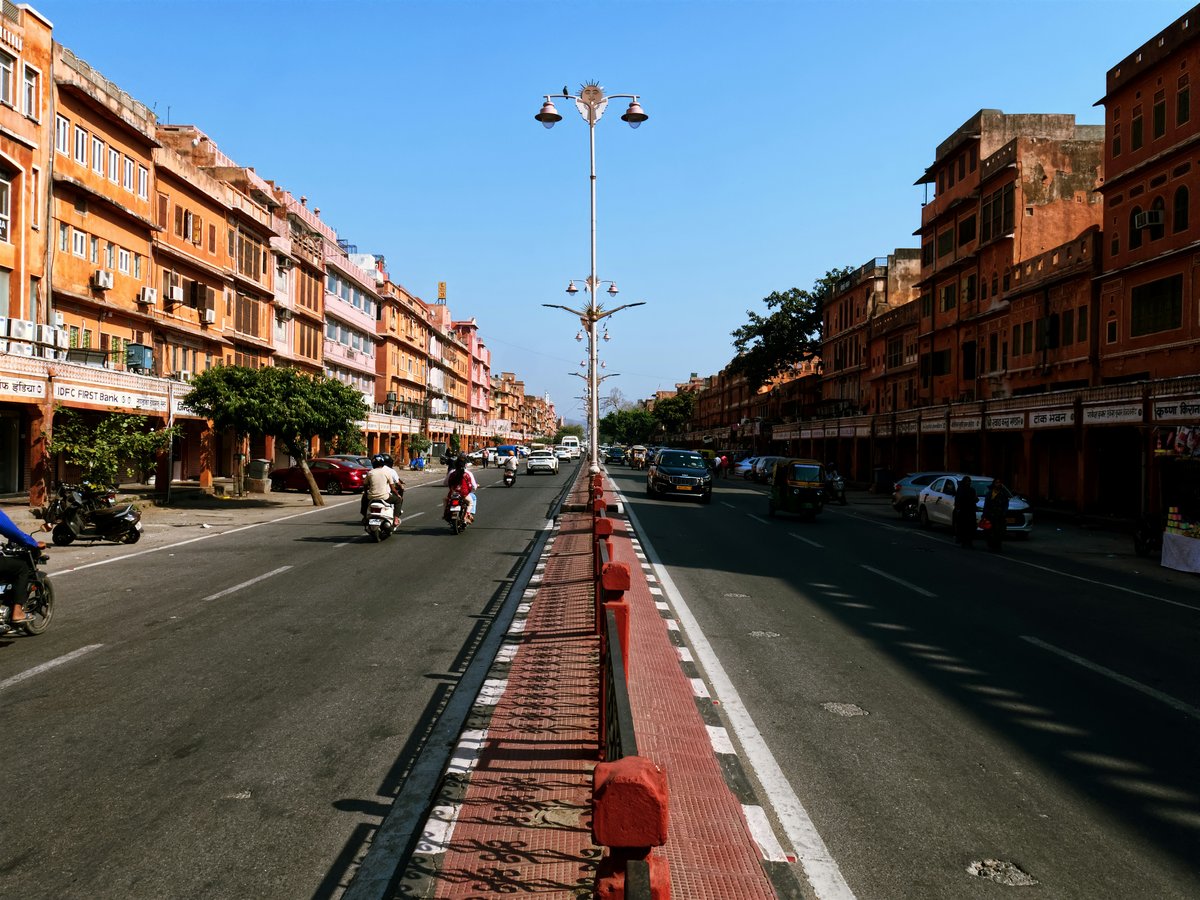
Streets are uneven; baby carriers travel better than strollers.
Kid-friendly attractions
- Palolem Beach south-end lagoon, Canacona
- Mandrem Beach tidal creek, Pernem
- Agonda Beach, Canacona
- Goa State Museum, Panjim
- Fontainhas heritage quarter, Panjim
- Sal River kayak trips from Mobor
- Basilica of Bom Jesus, Old Goa
- Se Cathedral, Old Goa
- Church of Our Lady of the Immaculate Conception, Panjim
- Sahakari Spice Farm, Ponda
Child safety notes
Strong undertow at Vagator and Anjuna beaches has caused drownings. Lifeguard coverage is inconsistent outside November to February. Stray dogs gather near beach shacks after dark. Dengue risk rises during the June to September monsoon. Use sealed bottled water only, and carry oral rehydration salts for stomach upsets.
Last verified by automated review (v1.7.2) on . What is automated review?