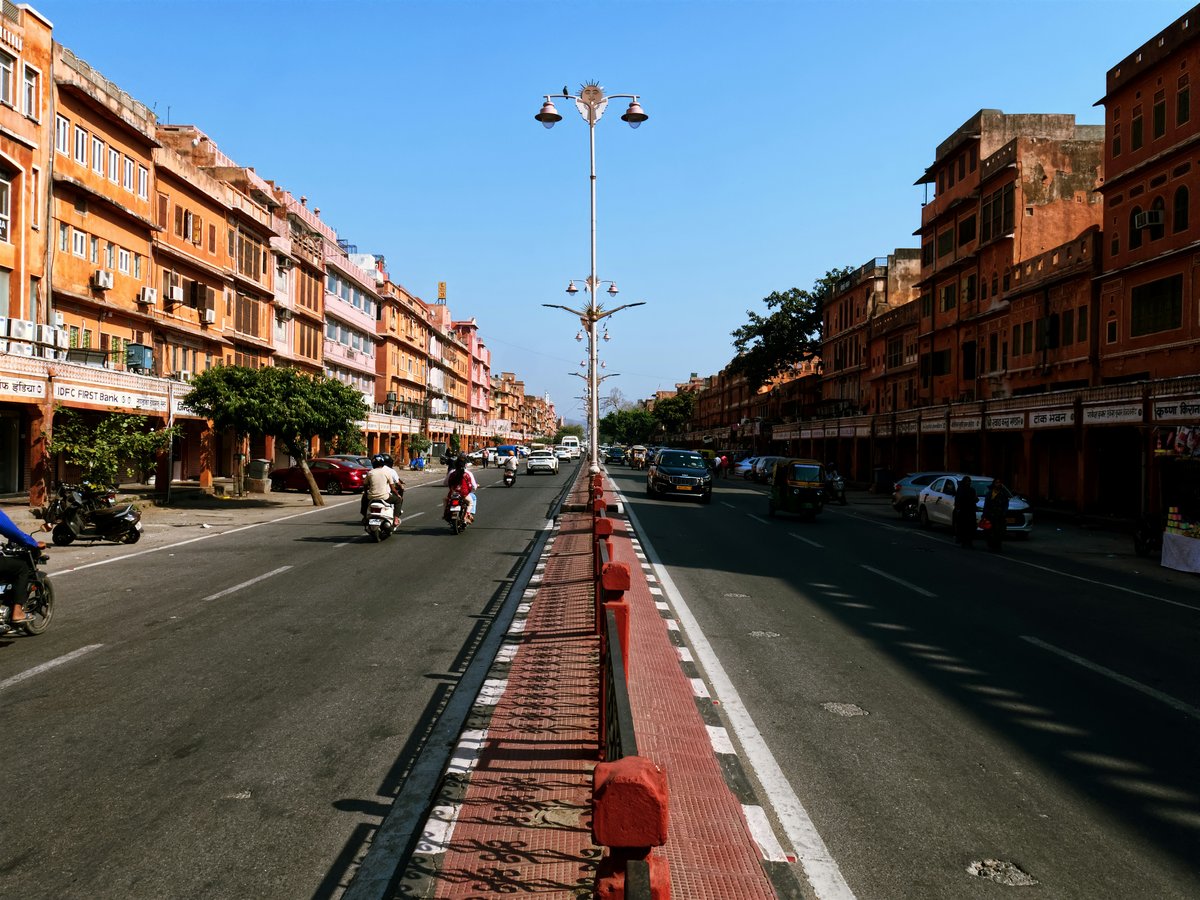
Goa sits on India's western Konkan coast, wedged between the Western Ghats to the east and roughly 105 kilometers of Arabian Sea shoreline to the west. The state covers about 3,700 square kilometers, which makes it India's smallest by area, but the terrain packs in a surprising range. You move from sea-level beaches through tidal estuaries, laterite plateaus, and cashew-covered hillsides up to forested ridgelines near 1,000 meters along the Karnataka border. The Mandovi and Zuari rivers split the state roughly into North and South Goa, and both empty into wide, mangrove-fringed estuaries that feel almost lacustrine on calm December mornings. The monsoon season, June through September, dumps around 3,000 millimeters of rain and turns everything an aggressive green. Post-monsoon, October to February, is when most outdoor activity peaks. Temperatures sit between 20 and 33 degrees Celsius for most of the dry season. By March the humidity and heat start to build, and by May the pre-monsoon air feels heavy enough to chew. The outdoor character here tends toward the relaxed rather than the extreme. You'll find more kayakers than mountaineers, more birdwatchers than rock climbers. That said, the Western Ghats hinterland offers genuine hiking with real elevation gain, and the open-ocean conditions off the coast can get properly rough during shoulder season swells.
Outdoor activities
-
Rock climbing and rappelling at Netravali
The laterite rock formations near Netravali in South Goa offer 15 to 25 meter rappelling drops that a few local operators set up during the dry season. The rock tends to be grippy but crumbly in places, so you want to trust the rope more than the footholds. Most sessions run about 2 to 3 hours and are aimed at beginners, though the steeper faces near the Savari waterfall area can feel genuinely committing. Operators in Panjim and Margao arrange transport and gear.
- Difficulty
- Beginner to intermediate
- Duration
- 2-3 hours per session
- Best season
- October to February
-
Mountain biking on the Chorao Island trails
Chorao Island sits in the Mandovi River estuary, reachable by a short ferry from Ribandar. The island has a network of narrow laterite paths winding past mangroves, paddy fields, and the Salim Ali Bird Sanctuary on its western edge. A full loop of the rideable paths covers roughly 12 to 15 kilometers. The terrain is flat to gently rolling, but sections get muddy and slippery even weeks after the last rain. You'll likely spot kingfishers and white-bellied sea eagles near the mangrove fringes. Rent bikes in Panjim or bring your own on the ferry.
- Difficulty
- Easy to moderate
- Duration
- 2-4 hours for a full island loop
- Best season
- November to February
-
Paragliding at Arambol
The headland between Arambol and Keri beaches in North Goa is one of Goa's few consistent paragliding launch sites. Tandem flights typically last 10 to 15 minutes, covering about 1.5 kilometers along the cliff face with the Arabian Sea 50 to 80 meters below. The thermals are best in the late morning. Wind conditions tend to be most reliable between November and March, though operators cancel on days when the sea breeze shifts unpredictably. Expect to pay around 3,000 to 4,500 rupees for a tandem flight.
- Difficulty
- Beginner-friendly (tandem); experience required for solo
- Duration
- 10-15 minutes airtime, about 1 hour total with briefing
- Best season
- November to March
-
Cycling the Old Goa to Divar Island route
This 25-kilometer loop starts at Old Goa's Se Cathedral, follows the road to the Naroa ferry jetty, crosses to Divar Island, loops the island past the hilltop Church of Our Lady of Compassion, then ferries back to Old Goa via the Ribandar side. The route is mostly flat, on paved roads with light traffic on the island sections. Divar has a quiet, unhurried feel. Old Portuguese houses, coconut groves, salt pans. The heat builds fast after 10 AM, so early starts make a real difference.
- Difficulty
- Easy
- Duration
- 3-4 hours including ferry crossings and stops
- Best season
- October to February
-
Birdwatching at Carambolim Lake
Carambolim Lake lies along the NH 66 near Old Goa and is one of the more accessible birding spots in the state. The shallow freshwater lake attracts purple moorhens, jacanas, painted storks, and during winter months, migratory species including garganey and northern pintail. A spotting scope helps here since the reedy margins keep the birds at a distance. Early mornings, around 6:30 to 8:00 AM, tend to be most productive. The lake is also visible from passing trains on the Konkan Railway, which gives you a sense of how close it sits to daily Goan life.
- Difficulty
- Easy
- Duration
- 1-3 hours
- Best season
- November to February for migrants; year-round for residents
-
Scuba diving off Grande Island
Grande Island, about 6 kilometers off the Vasco da Gama coastline, is the primary dive site in Goa. Visibility ranges from 4 to 12 meters depending on conditions. Typical depths for recreational dives are 8 to 18 meters. You might see lionfish, moray eels, octopuses, and schools of fusiliers around the rocky reef structures. There's also a sunken ship, the Suzy's Wreck, at around 11 meters, which is one of the more popular dive spots. Multiple PADI-certified operators run boats from the Bogmalo Beach area. A two-dive trip typically costs 4,500 to 7,000 rupees including gear.
- Difficulty
- Beginner to intermediate
- Duration
- Full day including boat travel
- Best season
- October to May, best visibility November to February
Day hikes
-
Dudhsagar Falls trek from Kulem
The hike to Dudhsagar Falls, India's fifth-tallest waterfall at about 310 meters, starts from Kulem (also spelled Colem) railway station, roughly 60 kilometers southeast of Panjim. The route follows the old railway track through the Bhagwan Mahaveer Wildlife Sanctuary, crossing several small bridges and passing through a railway tunnel. The total distance one way is about 11 kilometers. The trail is flat to gently undulating for most of the way, but the final approach to the falls involves some scrambling over rocks and wading through the pool at the base. The falls are most dramatic during and just after the monsoon, July to October, but the trail can be slippery and leeches are common. The forest canopy keeps temperatures tolerable. You'll need to register at the forest checkpost near the start.
- Difficulty
- Moderate (distance and terrain rather than elevation)
- Duration
- 6-8 hours round trip
- Best season
- October to November for water volume with manageable trail conditions; December to January for drier trails but reduced flow
-
Tambdi Surla temple trek
The Tambdi Surla Mahadeva Temple is a 12th-century Kadamba-dynasty Shiva temple, the oldest surviving temple in Goa, tucked into dense forest in the Bhagwan Mahaveer Sanctuary. The paved road from Molem gets you to within about 2 kilometers of the temple, and the final stretch follows a forest path along a stream. The temple itself is small, built from local basalt, and sits in a clearing where the light filters through the tree canopy in the mornings. It's a short hike by distance, but you can extend it by exploring the surrounding forest trails. Watch for Malabar pit vipers near the stream, they're well camouflaged in the leaf litter.
- Difficulty
- Easy
- Duration
- 2-3 hours round trip from the road end
- Best season
- October to March
-
Sonsogor Peak from Valpoi
Sonsogor is Goa's highest point at 1,167 meters, located in the Sattari taluka near the Karnataka border. The approach from the town of Valpoi, about 70 kilometers from Panjim, involves a drive to the base village followed by a forest hike of roughly 4 to 5 kilometers with consistent uphill gradient. The trail passes through semi-evergreen and moist deciduous forest. The upper sections can be overgrown and route-finding gets tricky without a local guide, which is honestly the safer approach. Views from the summit extend across the Western Ghats canopy into Karnataka. Mobile signal disappears about halfway up.
- Difficulty
- Moderate to difficult (steep sections, route-finding required)
- Duration
- 5-7 hours round trip
- Best season
- November to February
-
Netravali to Mainapi Waterfall hike
The Netravali Wildlife Sanctuary in Sanguem taluka, about 68 kilometers from Margao, has a forest trail leading to Mainapi Waterfall. The walk from the sanctuary entrance to the falls covers roughly 3 kilometers through dense forest with some stream crossings. The waterfall drops about 20 meters into a pool that's swimmable in the dry season. The trail is well-trodden but unmarked in places. Butterflies are thick along this route, particularly in October and November. The Netravali area is also known for the strange bubbling lake, a natural spring where methane bubbles rise through the water, which is about a 15-minute detour from the main trail.
- Difficulty
- Easy to moderate
- Duration
- 3-4 hours round trip
- Best season
- October to February
-
Cabo de Rama fort and coastal walk
Cabo de Rama, a headland fort about 28 kilometers south of Margao, sits on cliffs overlooking the Arabian Sea. The fort itself is partly ruined, with Portuguese-era walls built over a much older structure. The hike isn't about distance so much as the coastal terrain. You walk from the fort along the headland, descending to the small, relatively quiet Cabo de Rama Beach below. The cliff-edge sections have no railings, and the laterite can be loose. Total walking distance is only about 3 kilometers round trip, but the exposed headland gets direct sun with no shade, so carry water. The views south along the coastline toward Palolem are worth the sweat.
- Difficulty
- Easy (short distance, but exposed and uneven terrain)
- Duration
- 2-3 hours including fort exploration
- Best season
- October to March
Water activities
-
Kayaking in the Sal River backwaters
The Sal River in South Goa, near Mobor and Cavelossim, winds through mangrove-lined backwaters that are calm enough for beginner paddlers. Several operators rent sit-on-top kayaks for about 500 to 800 rupees per hour. The tidal influence means conditions change throughout the day. Mornings at slack tide are ideal, the water sits still and reflects the mangroves so clearly it feels like paddling through a mirror. You'll likely see kingfishers, brahminy kites, and if you're lucky, a small crocodile basking on a mudbank. The river widens as it approaches the sea near Betul, where the current picks up noticeably.
- Difficulty
- Easy on calm mornings; moderate near river mouth with tidal current
- Duration
- 2-3 hours for a relaxed paddle
- Best season
- October to March
-
Kayaking in the Zuari River mangroves near Cortalim
The Zuari River estuary near Cortalim, about 15 kilometers south of Panjim, has stretches of thick mangrove forest accessible by kayak. The channels between the mangrove islands are narrow and quiet, with enough twists and turns to feel genuinely exploratory. Water depth varies with the tide, from knee-deep at low water to over 2 meters at high tide. A few local ecotourism operators run guided sunrise and sunset paddles. The birdlife is concentrated at dawn when egrets and herons are actively feeding. On very still mornings the only sound is the drip off your paddle blade and the occasional plop of a mudskipper.
- Difficulty
- Easy to moderate
- Duration
- 2-4 hours
- Best season
- November to February
-
Swimming at Palolem Beach
Palolem, a crescent-shaped beach about 2 kilometers long in Canacona taluka, is one of Goa's calmer swimming beaches thanks to the headlands on either side that break the open swell. The sand slopes gently and you can wade out 30 to 40 meters before the depth becomes significant. That said, conditions change with the season. December through February is typically calm with small waves. By March and April the swell picks up from the southwest. There are no lifeguards in the formal sense, though beach shack staff tend to keep an eye on the water. The northern end near the rocks can have rip currents, particularly on outgoing tides.
- Difficulty
- Easy in season (December to February); use caution March onward
- Duration
- As long as you like
- Best season
- November to February
-
White water rafting on the Mhadei River
The Mhadei River in Sattari taluka, about 75 kilometers from Panjim near the town of Valpoi, offers seasonal white water rafting during and after the monsoon when water levels are high. The rapids are Class II to Class III, which means genuine whitewater but still suitable for first-timers with a guide. The rafting stretch covers roughly 7 to 10 kilometers through forested gorge terrain. A few adventure operators run trips from Panjim during the September to November window when flow is strong enough but not dangerously so. The water temperature is warm, around 24 to 26 degrees, and you will get thoroughly soaked.
- Difficulty
- Moderate (Class II-III rapids)
- Duration
- Half day including transport from Panjim
- Best season
- September to November
-
Dolphin-spotting boat trip off Sinquerim
Fishing boats leave from Sinquerim and Coco Beach near Fort Aguada for early-morning dolphin trips into the open water off North Goa's coast. The Indo-Pacific humpback dolphins that frequent these waters are seen on roughly 80 percent of trips during the peak season. Pods of 5 to 15 individuals are common, and they tend to surface close enough to the boats that you don't need binoculars. Trips last about an hour and cost 400 to 700 rupees per person. The sea can be choppy, especially with a northwest wind, so if you're prone to seasickness, take precautions. Some operators combine the dolphin trip with a stop at a fishing spot or a pass by Reis Magos Fort from the water side.
- Difficulty
- Easy (boat-based, no swimming required)
- Duration
- 1-2 hours
- Best season
- October to May
Parks & gardens
-
Garcia de Orta Municipal Garden, Panjim
FreeThis small garden near the Mandovi River waterfront in Panjim dates to the Portuguese colonial era and is named after the 16th-century naturalist Garcia de Orta. It sits on a slight rise overlooking the Patto Bridge area. The garden is compact, maybe a 10-minute stroll end to end, but the old-growth trees provide genuine shade, which matters more than you'd think at midday in Goa. You'll find families, office workers on lunch breaks, and the occasional street vendor selling chana. It's not a destination in itself, but it's a good reason to slow down while walking through the Fontainhas Latin Quarter.
Highlights: Colonial-era ornamental plantings, river-facing benches, bust of Garcia de Orta, proximity to the Fontainhas heritage district
-
Bondla Wildlife Sanctuary
Bondla is the smallest of Goa's wildlife sanctuaries at about 8 square kilometers, located in the Ponda taluka roughly 38 kilometers from Panjim. It functions partly as a botanical garden and zoo, partly as a managed forest reserve. The nature trail through the moist deciduous forest runs about 2.5 kilometers and passes through habitat where gaur, sambar deer, and Malabar giant squirrels are regularly spotted. The botanical garden section has labeled specimens of native Western Ghats flora. Mind you, the zoo component feels modest by international standards, but the forest walk is genuinely pleasant. Entry is 20 rupees for Indian residents, 100 rupees for foreign nationals. Closed on Thursdays.
Highlights: Nature trail through deciduous forest, botanical garden with labeled native plants, deer safari enclosure, gaur and sambar sightings
-
Butterfly Conservatory of Goa, Ponda
This private garden and conservatory near Priol in Ponda taluka sits on about half a hectare of carefully maintained tropical gardens. Over 100 butterfly species have been recorded on site, with 30 to 40 species commonly visible on a single visit during the post-monsoon months. The garden is planted specifically to attract and support butterfly populations, with host plants for caterpillars and nectar plants for adults. The conservatory section has labeled pupae at various stages. It feels more like a serious hobbyist's garden than a commercial attraction, which is part of the appeal. Entry runs about 100 rupees.
Highlights: 100+ documented butterfly species, labeled host and nectar plantings, caterpillar and pupa displays, guided walks available on request
-
Salim Ali Bird Sanctuary, Chorao Island
Named after the ornithologist Salim Ali, this 1.8 square kilometer mangrove habitat on Chorao Island in the Mandovi estuary is the state's most important bird sanctuary. Access is by ferry from Ribandar followed by a short walk or auto-rickshaw ride to the entrance. The main observation path follows a raised boardwalk and embankment through the mangroves. Mornings bring white egrets, grey herons, purple herons, and mudskippers in the exposed tidal flats below. During peak winter migration, you might spot pintails, teals, and curlew sandpipers. The canopy above the boardwalk is thick enough that it stays surprisingly cool even on warm days. Entry is 20 rupees, plus a nominal ferry fare.
Highlights: Mangrove boardwalk trail, migratory bird sightings November through February, mudskipper colonies on tidal flats, crocodile sightings in deeper channels
-
Campal Gardens, Panjim
FreeCampal Gardens stretches along the Campal promenade near the Kala Academy in Panjim. It's more of a public park than a formal garden, with open lawns, walking paths, and a few old rain trees that have been there long enough to develop serious canopies. The park fills up in the early mornings and evenings with joggers and cricket players. The Mandovi River is visible from parts of the park, and on December evenings the air carries that particular mix of salt breeze and somebody cooking recheado masala somewhere nearby. It's currently a popular spot for the International Film Festival of India crowd when IFFI runs at the Kala Academy next door.
Highlights: Waterfront walking paths, open lawns under mature rain trees, proximity to Kala Academy and Miramar Beach
Practical tips
- Sun protection
- Goa sits at about 15 degrees north latitude, and the UV index routinely hits 10 or higher between 10 AM and 3 PM from October through May. SPF 50 sunscreen, a wide-brimmed hat, and UV-blocking sunglasses are non-negotiable for any extended outdoor time. Reapply sunscreen every 90 minutes if you're sweating. Lightweight long-sleeve shirts with UPF rating, the kind sold at Decathlon in Panjim, work better than sunscreen on long hikes. Sunburn happens faster than you'd expect, even on overcast days when the clouds are thin.
- Hydration
- Carry a minimum of 2 liters of water per person for any hike over 2 hours. The combination of heat and humidity in Goa means you lose fluid faster than you realize. On a moderate hike in December, 3 liters is more realistic. Tap water is not safe to drink. Bottled water is available at any village shop for about 20 rupees per liter, but stock up before heading into the wildlife sanctuaries where there's nothing for sale along the trails. Electrolyte sachets (ORS packets, available at any pharmacy for about 5 rupees each) are worth carrying.
- Footwear and gear
- For forest hikes in the Western Ghats, wear closed-toe shoes with ankle support and decent tread. The laterite trails get slippery when damp, and leeches are common from June through November. Tuck trousers into socks during monsoon and post-monsoon hikes. For beach walks and flat trails, sport sandals work fine. A basic day pack with a rain cover is useful year-round since afternoon showers can appear even in December. Decathlon in Panjim (near Caculo Mall) is the most reliable place to pick up affordable outdoor gear locally.
- Trail conditions and navigation
- Most trails in Goa's wildlife sanctuaries are not formally marked or maintained to the standard you'd expect in national parks elsewhere. Carry a downloaded offline map on your phone. Google Maps is reasonably accurate for road approaches but unreliable for forest trails. The Maps.me app tends to have better coverage of smaller paths. For anything beyond the well-traveled Dudhsagar route, a local guide is worth the 500 to 1,500 rupees. Ask at the forest department checkpost or in the nearest village.
- Monsoon considerations
- The monsoon, roughly June through September, transforms Goa's landscape. Everything turns intensely green, waterfalls run at full volume, and the forests come alive. But trails become genuinely hazardous. Flash flooding in river valleys is a real risk, leeches are everywhere in the forest, and visibility drops in heavy rain. Many water-based activities shut down as the sea turns rough and river currents become dangerous. If you do hike in monsoon, tell someone your route and expected return time. Some sanctuaries close sections of trail during peak monsoon months.
- Wildlife awareness
- The Western Ghats forests in eastern Goa are home to king cobras, Malabar pit vipers, Indian rock pythons, and Russell's vipers. Watch where you step, especially near streams and in leaf litter. Do not reach into rock crevices or under logs. Mugger crocodiles live in the Mandovi, Zuari, and Sal river systems. They're generally not aggressive toward humans, but maintain distance and avoid swimming in river areas where crocodiles have been sighted. Wild boar and gaur are present in the sanctuaries. Give them space, particularly gaur, which can weigh over 900 kilograms.
FAQ
What is the best time of year for outdoor activities in Goa?
The peak season for most outdoor activities runs from November through February. Temperatures hover between 20 and 32 degrees Celsius, humidity is lower than the rest of the year, and rainfall is minimal. October is still warm and can see occasional late-monsoon showers, but trails are at their greenest. March through May gets progressively hotter, with daytime temperatures reaching 35 degrees or more by April. The monsoon from June through September limits many activities, though it's the best time to see waterfalls at full flow and the landscape at its most dramatic.
Do I need permits for hiking in Goa's wildlife sanctuaries?
Entry to the wildlife sanctuaries like Bhagwan Mahaveer, Netravali, Bondla, and Cotigao requires a small entry fee, typically 20 to 100 rupees depending on the sanctuary and your nationality. For the Dudhsagar Falls trek, you register at the forest checkpost near Kulem. There's no formal trekking permit system like you'd find in Himachal Pradesh or Uttarakhand. However, some areas may restrict access during monsoon season. It's worth checking with the Goa Forest Department or calling the specific sanctuary office before heading out, especially between June and September.
Is it safe to swim at Goa's beaches?
It depends heavily on the beach, the season, and the time of day. The calmer beaches like Palolem, Agonda, and Bogmalo tend to be safer for swimming from November through February when the sea is relatively calm. North Goa beaches like Calangute and Baga can have strong undertow and rip currents, particularly near rocky headlands. There are lifeguard stations (run by Drishti Marine) at about 30 of Goa's beaches during the tourist season, marked with red and yellow flags. Swim between the flags. Avoid swimming after dark or after consuming alcohol, both of which contribute to the majority of drowning incidents in Goa.
Can I rent outdoor gear in Goa or should I bring my own?
For water sports like kayaking, snorkeling, and diving, operators provide all necessary equipment. You won't need to bring your own. For hiking, you'll want your own broken-in shoes and a day pack. The Decathlon store in Panjim (near Caculo Mall on the NH 66) stocks affordable hiking shoes, quick-dry clothing, water bottles, headlamps, and basic camping gear. There are currently no dedicated outdoor gear rental shops in Goa comparable to what you'd find in Manali or Rishikesh. If you plan to cycle, a few shops in Panjim and Calangute rent mountain bikes for about 300 to 500 rupees per day, though quality varies.
Are guided tours available for hiking and kayaking in Goa?
Several adventure tourism operators run guided hikes, kayaking trips, and multi-activity day tours. Companies like Goa Kayaking (based near Panjim), Atlantis Watersports (in Baga), and a few smaller operators in South Goa near Palolem offer structured trips with transport, equipment, and English-speaking guides. For forest hikes, the Goa Forest Department sometimes arranges guided nature walks in the sanctuaries, especially at Bondla and Cotigao. For less-traveled routes like Sonsogor Peak, hiring a local guide through the village nearest the trailhead is the more practical approach. Expect to pay 500 to 2,000 rupees for a local guide depending on the duration and difficulty.
How do I get to trailheads and outdoor activity sites without a car?
Renting a scooter is the most common approach for independent travelers, with rates around 300 to 500 rupees per day for a Honda Activa or similar. An international driving permit is technically required but enforcement varies. For longer distances to sites like Dudhsagar or Netravali, you can take the Konkan Railway to Kulem (for Dudhsagar) or arrange a taxi from Margao or Panjim. Taxis are expensive by Indian standards at roughly 15 to 20 rupees per kilometer, but ride-sharing apps like GoaMiles operate in the state and tend to be cheaper. Public buses run by Kadamba Transport Corporation connect most towns, though schedules to remote sanctuary entrances can be infrequent.
Last verified by automated review (v1.7.2) on . What is automated review?