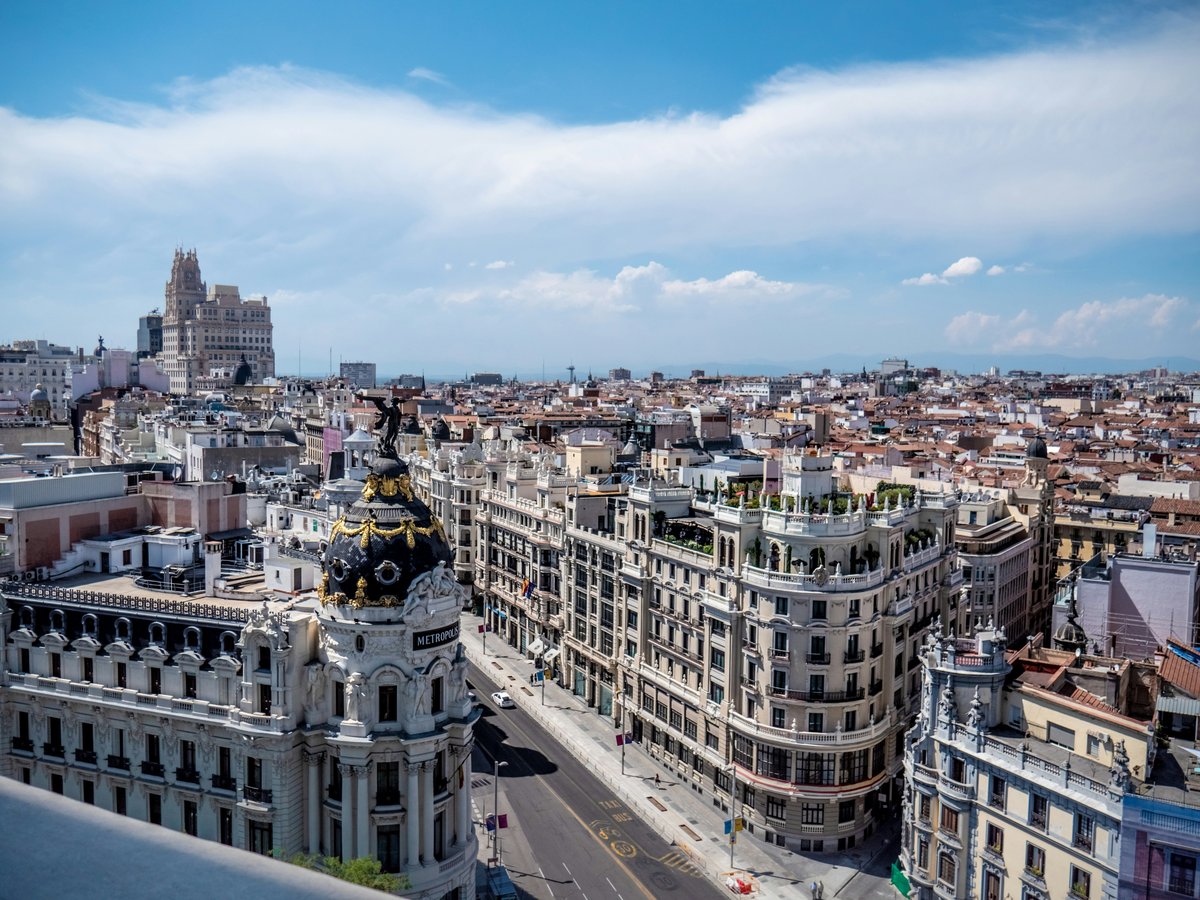
Madrid has been a crossroads for Spanish goods since the Habsburgs built the Plaza Mayor as a market square in 1619. The city still leans into that role. Leather from Ubrique, ceramics from Talavera de la Reina, saffron from La Mancha, espadrilles from La Rioja. You'll find global luxury brands along the Milla de Oro, sure, but the more interesting shopping tends to happen in the neighborhoods where madrileños spend their weekends. Chueca for independent fashion, Malasaña for vintage, La Latina for antiques on Sunday mornings. Worth noting that Madrid's retail hours run later than most European capitals. Shops commonly stay open until 21:00 or 21:30, and the big department stores rarely close before 22:00. The city still has a strong culture of small, family-run shops. Capes from Capas Seseña, fans from Casa de Diego, hats from La Favorita. Some of these businesses have occupied the same storefronts for over a century. That continuity gives the shopping here a texture you won't find in Barcelona or Seville, where tourism has reshaped the retail landscape more aggressively.
Shopping districts
-
Salamanca and the Milla de Oro
luxury to high mid-rangeThe Barrio de Salamanca sits northeast of the Puerta de Alcalá. Calle de Serrano is the spine, running north from Plaza de la Independencia for roughly 2.5 kilometers. Calle de Ortega y Gasset crosses it at the luxury end, where Loewe, Chanel, and Louis Vuitton occupy the ground floors of 19th-century apartment buildings. The neighborhood feels quieter than you might expect. Wide sidewalks, clipped hedges, doormen in suits. Calle de Claudio Coello runs parallel to Serrano and tends to carry the smaller Spanish designer labels. Purificación García, Adolfo Domínguez, and Pedro del Hierro all have flagship locations here. ABC Serrano, a former newspaper headquarters converted into a small shopping center, sits on Calle de Serrano near Calle de Goya. The building itself is beautiful, though the shops inside rotate frequently.
Best for: Spanish and international designer fashion, leather goods, fine jewelry
-
Gran Vía
budget to mid-rangeGran Vía runs about 1.3 kilometers from Calle de Alcalá to Plaza de España. Built between 1910 and 1929, it still has that early-20th-century commercial swagger. The eastern stretch near Metrópolis tends toward international fast fashion. Zara, Mango, H&M, and Primark occupy enormous multi-floor spaces here. The middle section around Callao holds the big Fnac bookstore and El Corte Inglés. On weekends the sidewalks get genuinely packed, especially between Callao and Plaza de España. The western end has been getting more interesting lately, with some independent Spanish brands moving in as rents have shifted. Mind you, this is still primarily a high-street zone. If you want character, the side streets heading south toward Sol often deliver more.
Best for: High-street fashion chains, electronics, mainstream retail
-
Malasaña
budget to mid-rangeMalasaña radiates outward from Plaza del Dos de Mayo in the center of the neighborhood. The streets here are narrow and a bit gritty. Calle del Espíritu Santo and Calle de Velarde carry the densest concentration of vintage clothing shops, many selling curated secondhand pieces from the 1970s through the 1990s. The smell of old leather and patchouli seems to hang in certain doorways. You'll find vinyl shops mixed in with the clothing stores. Calle de la Palma runs along the southern edge and leans more toward independent Spanish streetwear and locally designed jewelry. Prices here tend to be reasonable, though the better vintage shops have caught on to what their stock is worth. A good denim jacket from the 1980s might run 40 to 80 euros depending on condition.
Best for: Vintage clothing, vinyl records, independent Spanish streetwear, locally made jewelry
-
Chueca
mid-rangeChueca sits immediately east of Malasaña, centered on Plaza de Chueca. The neighborhood has been Madrid's LGBTQ+ hub since the 1990s and the shops reflect that creative energy. Calle de Fuencarral forms the western border and acts as the commercial artery, lined with both Spanish chains like Bimba y Lola and smaller independent boutiques. East of the plaza, Calle de Augusto Figueroa historically carried Madrid's shoe shops. Dozens of them, packed side by side. Some have closed in recent years, but you'll still find 10 or 15 operating, often selling Spanish-made shoes at prices well below what the same quality commands in Salamanca. Calle del Almirante has a cluster of Spanish fashion designers and concept stores. The neighborhood smells like fresh coffee most mornings. Seemingly every other ground floor has become a specialty roaster.
Best for: Spanish fashion labels, shoes, concept stores, independent boutiques
-
La Latina and Lavapiés
budgetLa Latina comes alive on Sundays, when El Rastro flea market fills the streets south of Plaza de Cascorro. The rest of the week it is quieter, with antique shops along Calle de la Ribera de Curtidores that stay open daily. Some of these have been dealing in furniture, paintings, and curiosities since the early 1900s. Lavapiés lies southeast of La Latina and has a different personality entirely. It is Madrid's most multicultural neighborhood, home to communities from Senegal, Bangladesh, China, and Morocco. You'll find fabric shops on Calle de Lavapiés, Moroccan teapots along Calle del Ave María, and South Asian grocery stores everywhere. The air shifts block by block. Cardamom and cumin near the Bangladeshi shops, incense closer to the Chinese stores.
Best for: Antiques, global goods, vintage furniture, multicultural food shopping
-
Las Salesas
mid-range to upperThe Salesas triangle sits between Chueca and Alonso Martínez, roughly bounded by Calle de Fernando VI, Calle de Barquillo, and Calle del Almirante. This small zone has quietly become Madrid's most design-forward shopping area. Spanish ceramics studios, small-batch perfumers, independent eyewear designers, and editorial bookshops cluster here. The streets are calm, almost residential. Foot traffic stays low compared to Chueca or Salamanca, which seems to suit the shopkeepers. Prices sit in the mid to upper range. A hand-thrown ceramic piece might start at 25 euros for a small cup and reach 200 for a statement vase.
Best for: Spanish ceramics, niche perfume, design objects, independent bookshops
Markets
-
El Rastro
fleaMadrid's famous Sunday flea market fills the streets south of La Latina metro, running roughly from Plaza de Cascorro down to the Ronda de Toledo. It has operated in some form since the 1740s. By 10:00 the main drag, Calle de la Ribera de Curtidores, is shoulder to shoulder. The vendors sell everything from old maps and military medals to secondhand tools, leather belts, and flamenco records. The side streets off the main strip tend to carry the more interesting finds. Calle de Fray Ceferino González has vintage clothing. Calle de Carlos Arniches leans toward art prints and secondhand books. The whole area smells like churros and grilled corn by midday. Arrive before 10:00 if you dislike crowds, though the best selection appears to be out by 09:30.
Sundays and public holidays, roughly 09:00 to 15:00
-
Mercado de San Miguel
foodThis iron-and-glass market hall stands next to the Plaza Mayor and dates to 1916. It shifted from a working produce market to a gourmet food hall in 2009. The stalls sell jamón ibérico, Manchego at various ages, conservas from Galicia, olives, vermouth on tap, and pastries. Prices here run noticeably higher than at neighborhood markets, sometimes 30 to 40 percent more for comparable products. Locals tend to treat it as a place for a glass of wine and a few tapas rather than serious grocery shopping. The croquetas from several of the stalls are genuinely good. Weekday mornings before 12:00 tend to be the least crowded.
Open daily, typically 10:00 to midnight or later on weekends
-
Mercado de San Fernando
food and artisanLavapiés has this covered market on Calle de Embajadores, and it still functions partly as a real neighborhood grocery market. You can buy loose produce, fresh meat, and eggs alongside newer stalls selling craft beer, Japanese-influenced tapas, and specialty coffee. Saturday mornings seem to draw the fullest mix of locals and visitors. The Mercado also hosts occasional vinyl markets and cultural events, especially around the Fiestas de San Fernando in May. Prices are fair. The neighborhood feel is genuine.
Most stalls open Tuesday to Saturday, 09:00 to 14:00 and 17:00 to 21:00, with variation
-
Mercado de la Paz
foodThis Salamanca neighborhood market on Calle de Ayala has served the barrio since 1882. The vendors here cater to a well-off clientele and the quality shows. The jamón and cheese counters are particularly strong. Setas from León, percebes from Galicia when in season, bacalao in several cuts. The atmosphere is calm compared to San Miguel. No tourists elbowing for photos. The vendors will talk you through their products if you ask, and most speak some English. Prices reflect the neighborhood.
Monday to Friday 09:00 to 20:00, Saturday 09:00 to 14:30, closed Sunday
-
Mercado de Motores
artisan and vintageOn the second weekend of each month, the old railway workshops at the Museo del Ferrocarril near Delicias station host this artisan and vintage market. About 100 vendors set up inside the historic engine sheds. Handmade jewelry, ceramics, prints, leather goods, upcycled furniture, and vintage clothing. There is usually live music, food trucks outside, and a good crowd of madrileños. It feels more like a neighborhood event than a commercial market. Admission to the museum is included with market entry. The Mikado locomotive from 1960 sits right there among the stalls.
Second weekend of each month, Saturday and Sunday 11:00 to 22:00
-
El Mercado de las Ranas
artisan and streetOn the first Saturday of each month, the streets around the Barrio de las Letras (the literary quarter between Sol and Atocha) host this open-air market. Shops along Calle de las Huertas and surrounding streets set up tables outside with discounted goods, and temporary stalls sell crafts, vintage items, and food. The area takes its name from the frog motif embedded in the Calle de las Huertas pavement. The market tends to run from 11:00 to roughly 20:00. It mixes well with browsing the neighborhood's bookshops and tapas bars.
First Saturday of each month, approximately 11:00 to 20:00
Souvenirs worth bringing home
Skip the bullfight magnets at the Sol tourist shops. Madrid's genuinely local goods tend to come from wider Spain, funneled through the capital. Saffron from La Mancha is perhaps the most packable option. Look for D.O. La Mancha labeling and buy from a spice shop rather than a souvenir stall. Small tins of 1 or 2 grams weigh nothing and the quality difference over supermarket saffron is noticeable. Pimentón de la Vera, the smoked paprika from Extremadura, travels well in its sealed tins. Manchego cheese in vacuum-sealed wedges lasts surprisingly long in a suitcase. Turrones from Casa Mira on Carrera de San Jerónimo have been sold from the same shop since 1855. The hard Alicante variety packs better than the soft Jijona. For non-food items, abanicos (fans) from Casa de Diego on Puerta del Sol range from simple painted wood to hand-carved and hand-painted pieces. A hand-painted silk fan might cost 50 to 150 euros. Alpargatas (espadrilles) are lightweight and distinctly Spanish. Capes from Capas Seseña on Calle de la Cruz have outfitted everyone from Picasso to Hillary Clinton since 1901, though a full capa will set you back several hundred euros at minimum. Talavera ceramics, the hand-painted tin-glazed pottery from Talavera de la Reina about 120 kilometers southwest, show up in shops across central Madrid. Look for pieces marked as genuinely handmade rather than factory reproductions. Small tiles and plates start around 10 to 15 euros.
Practical tips
- Bargaining
- Fixed prices are the norm in shops and department stores across Madrid. The one real exception is El Rastro on Sundays, where negotiating is expected, especially for antiques and secondhand goods. A polite opening offer of 20 to 30 percent below the asking price is reasonable. In antique shops along Calle de la Ribera de Curtidores during the week, you might get 10 percent off by asking, particularly if you are buying more than one item.
- Tax refunds
- Non-EU residents can claim a VAT refund on purchases over a certain threshold per store per day. Spain's general VAT rate sits at 21 percent. Look for Tax Free signs in shop windows or ask for a DIVA form at the register. You process the refund at the airport before checking luggage. The actual refund after processing fees tends to land around 13 to 15 percent rather than the full 21. Shops near Sol and Gran Vía are generally set up for this. Smaller independent shops in Malasaña or Lavapiés may not participate.
- Opening hours
- Most Madrid shops open between 10:00 and 10:30 and stay open until 20:30 or 21:00. Some smaller independent shops still close for a lunch break from 14:00 to 17:00, though this has become less common in central neighborhoods. El Corte Inglés stays open continuously from 10:00 to 22:00 Monday through Saturday. Sunday openings are restricted by regulation. The first Sunday of each month and certain designated Sundays (often 8 per year, set by the regional government) allow general retail to open. El Corte Inglés typically opens on all permitted Sundays.
- Payment methods
- Card payment is widespread in Madrid. Contactless works in nearly all chain stores and most independent shops. Some stalls at El Rastro and smaller market vendors still prefer cash. Mercado de San Miguel stalls generally accept cards. ATMs from major banks like CaixaBank, BBVA, and Santander do not charge withdrawal fees to their own customers, but foreign cards will typically incur a 1.5 to 2 euro fee per transaction. Avoid the Euronet-branded ATMs near Sol and Gran Vía, which tend to apply unfavorable exchange rates.
- Sales seasons
- Spain regulates its sales periods. Winter sales (rebajas) typically begin on January 7, the day after Three Kings' Day, and run through February. Summer sales start around July 1 and extend into August. Discounts in the first week often reach 30 to 50 percent and deepen toward the end. Mid-season sales have become more common since regulations loosened, but the January and July periods still offer the steepest markdowns. Gran Vía and Salamanca shops tend to discount more aggressively than independents.
- Carrying purchases
- If you are buying larger items like ceramics or antiques at El Rastro, bring a sturdy bag. The market vendors rarely provide anything beyond thin plastic. For fragile goods, shops in Salamanca and Las Salesas usually wrap carefully and offer shipping for heavier pieces. El Corte Inglés has a tourist services desk on the ground floor of its Callao and Castellana locations that can arrange shipping internationally. They also handle tax-free paperwork at the same counter.
FAQ
Is El Rastro flea market worth visiting, or is it too touristy now?
El Rastro still draws a large number of madrileños alongside the tourists, especially on the side streets off the main drag. The central stretch of Ribera de Curtidores has shifted toward cheaper goods and mass-produced items, that's true. But Calle de Fray Ceferino González and the streets around Plaza del General Vara de Rey still carry genuine vintage finds and antiques. Go before 10:00 for the best browsing. The surrounding bars fill up around 14:00 with a post-market vermouth crowd that is mostly local.
Where do Madrid locals buy clothes?
Many madrileños shop on Calle de Fuencarral between Chueca and Malasaña for a mix of Spanish chains and independents. Younger locals tend to gravitate toward Malasaña's vintage shops or the Spanish online brands that have physical pop-ups in the neighborhood. For workwear, Salamanca's Calle de Claudio Coello carries Spanish labels at prices below the Serrano luxury tier. El Corte Inglés at Callao remains surprisingly popular across age groups. And the Primark on Gran Vía draws enormous foot traffic for basics.
What are the best food items to bring home from Madrid?
Vacuum-sealed jamón ibérico and Manchego cheese travel well and are easy to find at Mercado de la Paz or any good grocery market. Saffron from La Mancha, pimentón de la Vera in sealed tins, and conservas (tinned seafood from Galicia, sold in decorative tins) are all lightweight and packable. Turrón from Casa Mira on Carrera de San Jerónimo has been a Madrid tradition since 1855. For olive oil, look for D.O.P. labels from regions like Priego de Córdoba or Sierra de Cazorla. Small 250ml bottles fit carry-on rules.
Do Madrid shops accept credit cards widely?
Yes. Contactless card payment works in nearly all shops in central Madrid, including most market stalls at places like Mercado de San Miguel and Mercado de la Paz. The main exceptions are some El Rastro vendors and very small independent shops in Lavapiés, where cash is still preferred. Visa and Mastercard are accepted everywhere that takes cards. American Express acceptance is spottier, mainly limited to larger stores and hotel shops.
When is the best time of year to shop in Madrid?
The January rebajas (sales) that begin on January 7 offer the deepest discounts, often 30 to 50 percent off in the first week. The summer sales starting around July 1 are comparable. Madrid's weather in January hovers around 6 to 10 degrees Celsius, which is cool but comfortable for walking the shopping streets. Autumn, particularly October and November, brings new-season stock to the boutiques without the crowds of the holiday period. El Rastro is busiest during warm-weather months. December brings Christmas markets to Plaza Mayor and nearby plazas, though these lean heavily toward decorations and sweets rather than crafts.
Is it worth visiting El Corte Inglés as a tourist?
El Corte Inglés at Callao (Plaza del Callao 2) is the most central location and carries a wide selection of Spanish brands across 9 floors. The gourmet food hall in the basement stocks Manchego, jamón, wines, and packaged Spanish goods that make solid souvenirs. The rooftop restaurant offers views over Gran Vía. The tourist services desk handles tax-free paperwork and international shipping. It is not the most exciting shopping experience, but for efficiency, especially if you need multiple categories in one stop, it is hard to beat. The Castellana branch near Nuevos Ministerios is larger and less crowded.
Last verified by automated review (v1.7.2) on . What is automated review?