Cartagena has been a trading port since the 16th century, and that commercial DNA still runs through the city. The Old City walls hold a concentration of emerald dealers, leather workshops, and Colombian fashion boutiques that feels distinctly different from Bogotá's mall culture. You'll find handwoven mochilas from the Wayúu people of La Guajira, raw emeralds cut in Boyacá, and vueltiao sombreros that carry a UNESCO intangible heritage designation. The shopping here tends to split along geographic lines. Inside the walled city, prices lean toward tourist markups of 30 to 50 percent on crafts. Step into Bazurto or the Getsemaní side streets and those numbers drop considerably. Mind you, Cartagena is not cheap by Colombian standards. The cruise ship traffic and the old-money vacation crowd from Bogotá and Medellín have pushed retail prices well above what you'd pay in, say, Santa Marta or Barranquilla for similar goods. That said, the quality of emerald work and artisan leather here is genuinely higher than most other Colombian cities. The concentration of skilled goldsmiths in the Centro Histórico dates back to colonial-era workshops, and several family operations have been cutting stones on the same blocks for three or four generations.
Shopping districts
-
Centro Histórico (Walled City)
mid-range to luxuryThe colonial streets between Plaza Santo Domingo and Plaza de los Coches hold the densest cluster of shops in the city. Calle de los Santos de Piedra is lined with emerald dealers, many of them third-generation family businesses. You'll notice the storefronts get progressively more polished as you walk toward the Hotel Santa Clara end of things. Calle del Arsenal and the streets feeding into Plaza San Diego carry Colombian designer boutiques, linen clothing shops, and art galleries showing local painters. The foot traffic from cruise passengers peaks between 9 a.m. and 2 p.m., so late afternoon tends to feel calmer and the vendors are sometimes more flexible. The stone buildings keep the interiors cool even in Cartagena's 32°C afternoons. Worth noting, the rent inside the walls runs 3 to 5 times higher than Getsemaní, and that markup lands squarely on the price tags.
Best for: Emeralds, Colombian fashion, art, leather goods, and silver jewelry
-
Getsemaní
budget to mid-rangeThe neighborhood on the other side of the Torre del Reloj has shifted rapidly since around 2015. Street art murals cover nearly every block between Calle de la Sierpe and Plaza de la Trinidad. The shops here lean toward independent designers, vintage clothing, and handmade accessories rather than the polished emerald boutiques of the walled city. Prices sit roughly 20 to 40 percent below the Centro Histórico for comparable craft items. The area around Calle de la Media Luna has a handful of workshops where you can watch leather artisans cutting and stitching bags in real time. The smell of fresh leather mixes with frying empanadas from the street carts. It still feels more like a neighborhood than a shopping district, which is part of the appeal.
Best for: Independent designers, street art prints, handmade leather goods, and casual browsing
-
Bocagrande
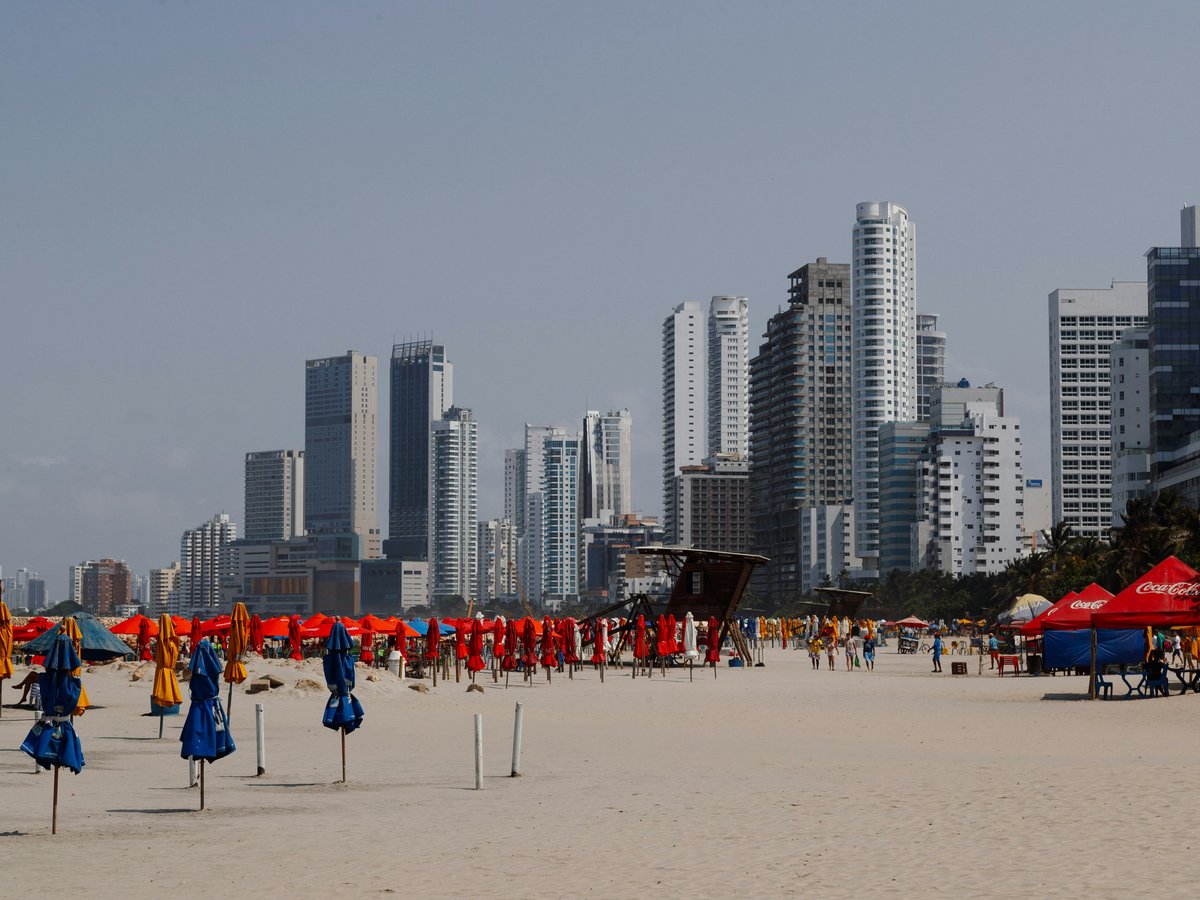
mid-range to luxuryThe high-rise peninsula south of the Old City holds Cartagena's conventional retail. Centro Comercial La Mansión and the shops along Carrera 2 carry international brands, swimwear, and duty-free-style electronics. This is where wealthy Colombians from the interior vacation, and the stores reflect that clientele. You'll find Colombian labels like Maaji and Agua Bendita alongside international chains. The air conditioning alone might pull you in after a morning in the Old City heat. The vibe is more Miami Beach than colonial port. Prices for fashion sit at Bogotá mall levels or slightly above.
Best for: Colombian swimwear brands, international fashion, electronics, and air-conditioned retail
-
San Diego
mid-range to highThe quieter northeastern corner of the walled city, roughly between Calle del Curato and the Baluarte de Santo Domingo, holds a handful of higher-end galleries and concept stores. This neighborhood tends to attract the design-conscious crowd. Several shops specialize in contemporary Colombian ceramics and textiles that pull from indigenous patterns but reinterpret them for modern interiors. The foot traffic is noticeably lighter than the Plaza Santo Domingo axis, and the shopkeepers seem less accustomed to hard bargaining. The cobblestone streets are narrower here, and bougainvillea spills off the balconies overhead.
Best for: Contemporary Colombian design, ceramics, art photography, and upscale home goods
-
Pie de la Popa and Manga
budget to mid-rangeThese residential neighborhoods south of Getsemaní hold a scattering of workshops and wholesale-oriented shops that most visitors never see. Pie de la Popa has a cluster of furniture makers working in tropical hardwoods. Manga, the island neighborhood connected by short bridges, has a few antique dealers in converted colonial houses along Calle Real. Prices here reflect the local market, not the tourist economy. Getting there requires a taxi or a sweaty 25-minute walk from the walled city. The lack of cruise-ship foot traffic keeps things calm, and you'll likely be the only foreigner in most of these shops.
Best for: Furniture, antiques, wholesale crafts, and seeing where cartageneros shop
Markets
-
Mercado de Bazurto
food and general goodsCartagena's central market is a sprawling, loud, genuinely overwhelming place that covers several city blocks in the Bazurto neighborhood southeast of the walled city. The fish section alone could fill a warehouse. Vendors sell everything from whole red snapper on ice to vallenato CDs, medicinal herbs, and plastic housewares. The fruit stalls carry tropical varieties you won't find in tourist restaurants. Lulo, corozo, níspero, and zapote are piled in colorful heaps. The heat inside the covered sections is intense, and the smell is an honest mix of raw seafood, tropical fruit, and diesel from the bus terminal next door. This is not a curated experience. Pickpocketing is a real concern, so leave the camera bag at the hotel and carry cash in a front pocket. A few vendors sell mochilas and vueltiao hats at prices 40 to 60 percent below the Old City, though the selection is smaller. Go before 11 a.m. when the heat becomes punishing.
Daily, roughly 5 a.m. to 3 p.m. Best before 11 a.m.
-
Las Bóvedas
artisan and souvenirThe 23 arched vaults built into the city wall near the Baluarte de Santa Catalina were originally 18th-century military storage rooms and later served as prison cells. They now hold a row of craft and souvenir shops that might be the most photographed retail corridor in Cartagena. The goods lean toward hammocks, mochilas, wooden carvings, vueltiao hats, and emerald jewelry. Prices here tend to be the highest in the city for similar items, sometimes double what you'd pay in Bazurto. That said, the quality is generally reliable and the setting is undeniably atmospheric, with thick stone walls keeping the vaults cool and dim. Bargaining is expected and can bring prices down 15 to 30 percent from the first ask. The corridor runs about 200 meters along the wall.
Daily, roughly 9 a.m. to 7 p.m.
-
Plaza de los Coches and Portal de los Dulces
food and sweetsThe covered arcade on the south side of Plaza de los Coches has been selling sweets since the colonial period. Vendors line up under the stone arches with glass cases full of cocadas (coconut candies), bolas de tamarindo, alegrías (sesame-and-panela brittle), and caballitos made from milk caramel. The sugar-and-coconut smell hits you from 20 meters away. A small bag of mixed dulces typically runs a few thousand pesos. The plaza itself hosts informal vendors selling hats, sunglasses, and small crafts, with prices that fluctuate based on how many cruise passengers are milling around. The Portal is a better sweets stop than a serious shopping destination, but skipping it would mean missing one of the oldest continuous market traditions on the Colombian coast.
Daily, roughly 8 a.m. to 6 p.m.
-
India Catalina Craft Market
artisanA collection of covered stalls near the India Catalina monument at the entrance to the Old City. The vendors here sell a broader range of Colombian regional crafts than the Old City boutiques. You'll find Wayúu mochilas in patterns specific to different clans, carved tagua nut figurines from the Chocó region, hammocks from San Jacinto, and woven baskets from indigenous communities in the Sierra Nevada. Prices sit between Bazurto and Las Bóvedas. Bargaining is standard. The quality varies by stall, so handle the goods before committing. The better mochila vendors can explain which clan patterns you're looking at, and a well-made Wayúu mochila with tight weave might take 20 to 30 days of work.
Daily, roughly 8 a.m. to 6 p.m.
-
Getsemaní Weekend Street Market
flea and artisanOn weekends, Calle de la Sierpe and the streets around Plaza de la Trinidad fill with informal vendors selling handmade jewelry, screen-printed T-shirts, local art prints, and small leather goods. The atmosphere is more relaxed than the formal markets. Street musicians play cumbia and champeta while you browse. The quality is uneven, but the prices are among the lowest in the tourist zone. A few food vendors set up alongside, selling arepas de huevo and fresh fruit juices. The market tends to be liveliest on Saturday evenings.
Weekends, roughly 4 p.m. to 10 p.m.
Souvenirs worth bringing home
The genuinely local purchases in Cartagena fall into a handful of categories, and knowing which ones are made in the region helps avoid the generic imports that fill some tourist shops. Wayúu mochilas are the signature textile. These cross-body bags are hand-crocheted by Wayúu women in La Guajira, the desert peninsula northeast of Cartagena. A single-thread mochila with intricate geometric patterns can take 20 to 30 days to complete. The price reflects the weave density. Loose, simple patterns cost less. Tight, complex designs with fine thread cost significantly more. Check the strap work, which is a separate skill. The best bags have woven straps, not braided ones. Vueltiao sombreros come from the Sinú River valley in Córdoba, about 4 hours south. The hats are woven from caña flecha (arrow cane) in a spiral pattern. A high-quality vueltiao with 21 or more vueltas (turns per inch) is considered fine craft. These hats received a Colombian cultural heritage designation in 2004. Emeralds are Cartagena's luxury souvenir. Colombia produces roughly 70 to 90 percent of the world's emeralds, primarily from mines in Boyacá. The cutting and setting happens both in Bogotá and in Cartagena's Old City workshops. Buy from established dealers who provide a certificate of origin. Loose stones are easier to transport and sometimes a better value than set jewelry. Colombian coffee makes a practical gift, though Cartagena itself is not coffee country. The better shops carry single-origin beans from Huila, Nariño, or the Eje Cafetero with roast dates on the bag. Avoid pre-ground packages with no origin labeling. Cocadas and dulces from the Portal de los Dulces travel well in sealed bags and cost very little. Tagua nut carvings, sometimes called vegetable ivory, come from the Chocó and make distinctive small gifts. The nut is dense enough to take a high polish.
Practical tips
- Bargaining
- Bargaining is normal in markets and informal stalls throughout Cartagena. It is not expected in established boutiques or mall stores. A reasonable first counter-offer sits around 20 to 30 percent below the asking price. Going lower tends to be taken as disrespectful rather than savvy. Vendors in Las Bóvedas and the India Catalina market expect negotiation and price accordingly. In Bazurto, prices are already close to wholesale and there is less room to negotiate. Speaking even basic Spanish helps considerably. If a vendor won't budge, they likely mean it.
- Payment methods
- Cash (Colombian pesos) is still king in markets and smaller shops. Most Old City boutiques and Bocagrande stores accept Visa and Mastercard, though some add a 3 to 5 percent surcharge for card payments. ATMs are plentiful inside the walled city and in Bocagrande. Bancolombia and Davivienda machines tend to offer the best withdrawal limits. Street vendors and market stalls are cash-only with almost no exceptions. Nequi and Daviplata, Colombia's dominant mobile payment apps, are widely used by locals but require a Colombian bank account or phone number to set up.
- Tax refunds
- Colombia's IVA (value-added tax) runs at 19 percent. Tourists can claim refunds on purchases over roughly 600,000 COP from shops registered with DIAN's tax-free program. The shop must provide a factura electrónica with your passport number. You process the refund at the airport before departure. In practice, only larger boutiques and emerald dealers in the Old City participate. Market vendors and small shops do not issue the required invoices.
- Opening hours
- Old City boutiques typically open between 9 and 10 a.m. and close around 7 p.m. Some close for a midday break between 12:30 and 2 p.m., though this habit is fading in tourist-heavy blocks. Bazurto runs from dawn to early afternoon. Sunday hours are shorter across the board, and some smaller shops close entirely. During Semana Santa (Holy Week) and between Christmas and early January, hours can be irregular. Cruise ship days, typically Tuesday through Thursday in high season, bring earlier openings and more aggressive pricing.
- What to avoid buying
- Cartagena's tourist shops carry a fair amount of imported goods marketed as local. Mass-produced mochilas from Chinese factories have appeared in some stalls. Check the stitching on the interior and the strap attachment. Machine-made bags have uniform, perfectly even loops. Handmade Wayúu work has slight natural irregularities. Similarly, some emerald dealers sell synthetic or treated stones without disclosure. Ask for a certificate and consider having a stone independently appraised if spending above a few hundred dollars. Coral and tortoiseshell items are illegal to export under CITES and Colombian law.
- Getting purchases home
- Most craft items travel fine in checked luggage. Emeralds should go in carry-on with their certificates. Vueltiao hats can be gently reshaped after packing if you stuff the crown with clothing. Loose coffee beans in sealed bags clear customs in most countries without issue, though ground coffee sometimes triggers agricultural inspections. DHL and Servientrega have offices in the Old City for shipping larger purchases. Expect 7 to 14 days for international delivery and budget for customs duties at your destination.
FAQ
Is Cartagena a good city for buying Colombian emeralds?
Cartagena has one of the highest concentrations of emerald dealers in Colombia, second to Bogotá. The shops along Calle de los Santos de Piedra and inside the major hotels carry certified stones from the Boyacá mines. Prices tend to run 10 to 20 percent higher than Bogotá for comparable quality, partly due to rent and tourist-market positioning. The advantage is convenience and the number of options within walking distance. If you're spending above a few hundred dollars, ask for a gemological certificate and consider getting the stone independently appraised.
Are Wayúu mochilas sold in Cartagena authentic?
Many are, but not all. Authentic Wayúu mochilas are hand-crocheted by indigenous Wayúu women from the La Guajira peninsula. The telling signs are slight irregularities in the weave, a woven (not braided) strap, and dense, tight crochet work. Some vendors in Las Bóvedas and the India Catalina market sell machine-made imitations imported from outside Colombia. Ask the vendor about the origin and examine the interior stitching. The price difference between a handmade Wayúu piece and a factory copy is significant, and the handmade version holds up far longer.
What are typical opening hours for shops in Cartagena's Old City?
Most boutiques and established shops open between 9 and 10 a.m. and close around 7 p.m. A handful still observe a midday break from roughly 12:30 to 2 p.m., though this is less common on the main tourist streets. Sunday hours are shorter, and some smaller shops close. Market stalls at Las Bóvedas and India Catalina tend to open by 8 or 9 a.m. and wind down by 6 p.m. Bazurto market operates from about 5 a.m. to 3 p.m. and is best visited in the morning.
Is it safe to shop at Bazurto market as a tourist?
Bazurto is a working-class market, not a tourist attraction, and it requires basic street smarts. Leave expensive jewelry and cameras at the hotel. Carry only the cash you plan to spend, in a front pocket or money belt. Go in the morning when the market is busiest and most vendors are actively working. Consider going with a local guide, which several Cartagena tour operators arrange for around 50,000 to 80,000 COP per person. The fruit section and fish market are the highlights. Petty theft is the primary risk, not violent crime.
Can I pay with US dollars in Cartagena shops?
Some emerald dealers and higher-end boutiques in the Old City accept US dollars, but the exchange rate they apply is typically unfavorable compared to withdrawing pesos from an ATM. Markets, street vendors, and most regular shops deal in Colombian pesos only. ATMs are easy to find in the walled city and Bocagrande. Bancolombia machines tend to offer reasonable withdrawal limits. For the best rates, use a debit or credit card with no foreign transaction fees and pay in pesos when given the choice.
What local foods make good souvenirs from Cartagena?
Cocadas (coconut candies) from the Portal de los Dulces are the classic edible souvenir and travel well in sealed bags. Bolas de tamarindo and alegrías (sesame-panela brittle) from the same arcade are also popular. Colombian single-origin coffee beans from Huila or Nariño, sold in sealed bags with roast dates, make practical gifts. Chocolate from brands like Luker or Santander region cacao cooperatives is another option. Avoid purchasing fresh cheese, fruit preserves in glass, or anything requiring refrigeration, as these rarely survive international travel intact.
Last verified by automated review (v1.7.2) on . What is automated review?