Where do locals actually go in Cartagena?
Getsemaní's Plaza de la Trinidad after 8pm, Bazurto market before 10am, and the Manga peninsula on any weeknight. Cartageneros avoid the walled city's restaurant strip. They eat ceviche at Bazurto stalls for COP 8,000, drink beer on plastic chairs in Getsemaní, and spend Sundays at Manzanillo del Mar beach, 20 minutes north.
Plaza de la Trinidad in Getsemaní is the living room of working-class Cartagena after dark. By 8pm on weeknights, families claim the stone benches, teenagers play pickup football on the plaza's west side, and fritanga vendors set up carts selling butifarras (pork sausages, COP 2,000 each) and arepas de huevo at COP 3,500. The smell of frying egg-stuffed corn dough and cheap aguardiente carries across the square. Getsemaní has gentrified fast since 2018, with Airbnb prices on Calle de la Media Luna reaching COP 250,000/night for a studio. But walk two blocks south past Calle del Pozo to Calle de la Sierpe and the tiendas still sell Águila beer for COP 3,000. The locals-to-tourists ratio flips hard after Calle San Andrés. To be fair, even the gentrified strips empty of tourists by Tuesday. The weekend crowd concentrates Friday and Saturday on Media Luna. Midweek Getsemaní still belongs to cartageneros.
Bazurto market sits along Avenida Pedro de Heredia, about 2 km southeast of the walled city. This is where Cartagena feeds itself. No signs in English, no air conditioning, no clean walkways. Wet fish on ice, whole pigs hanging from hooks, towers of tropical fruit stacked on tarps. The heat inside reaches 38°C by 11am and the humidity makes your shirt stick within minutes. Go before 9am when the ceviche stands near the eastern entrance open. A bowl of ceviche de camarón with patacones runs COP 8,000 to COP 12,000. The fish section at the market's center is where restaurant owners from Bocagrande and Manga buy their daily catch around 6am. Worth noting, Bazurto has a reputation for pickpockets, and it's earned. Keep your phone in a front pocket and leave the laptop at home. The market stalls begin closing by 2pm on weekdays and 1pm on Sundays.
Manga is the residential peninsula across the Laguna de San Lázaro from Getsemaní. Cartagena's middle class lives here. The streets are quieter, the rent drops to COP 1.5 to 2.5 million/month for a one-bedroom, and the corner panaderías open at 5:30am with pan de bono and coffee for COP 4,000. Avenida del Centenario runs the length of the peninsula and has three or four family-run restaurants where a corrientazo (set lunch of soup, rice, protein, and juice) costs COP 12,000 to COP 15,000. Plastic tablecloths, ceiling fans, telenovela on the TV in the corner. Locals from Manga walk La Perimetral, the waterfront path along Cartagena Bay, starting around 5:30pm when the temperature drops below 30°C. The breeze off the bay moves at that hour. Runners, cyclists, families with strollers. No vendors, no hawkers, no music past the joggers' earbuds.
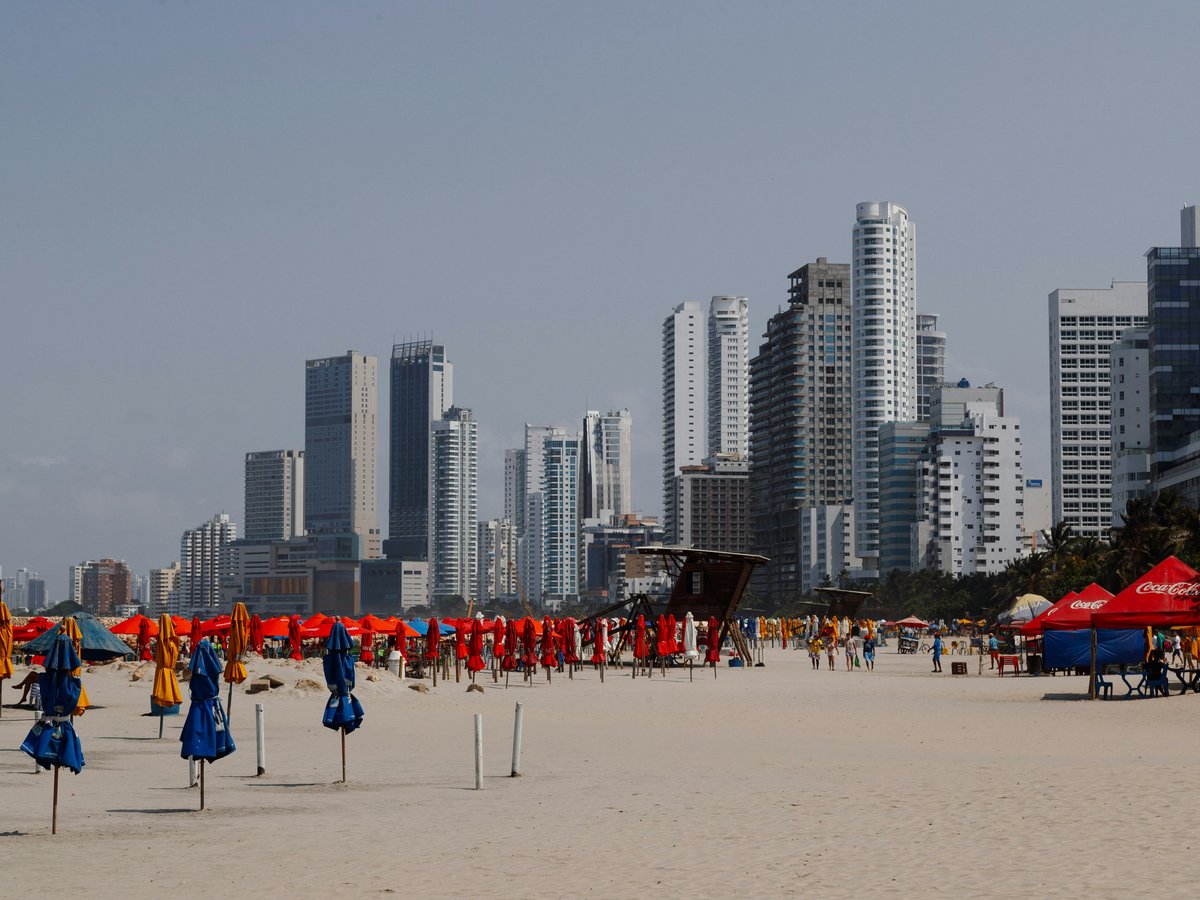
Manzanillo del Mar is the local beach, about 20 minutes north of the walled city by colectivo (COP 5,000 from Avenida Santander). Cartageneros go on Sundays and holidays. The sand is coarser than Bocagrande's, the waves rougher, and there are no high-rise shadows. Thatched-roof kiosks sell fried mojarra with coconut rice and patacones for COP 25,000 to COP 35,000 a plate. The coconut lemonade is cold and strong with real panela sweetener. Mind you, Manzanillo has no reliable wifi and limited phone signal with some carriers. Claro tends to hold a 4G connection while Movistar drops to Edge. For a nomad, this is a Saturday escape, not a work spot. Bocagrande beach, by contrast, is where tourists and cruise passengers end up. Locals call it la playa de los gringos without much affection. The water near the Hilton sits visibly murkier from port runoff than Manzanillo's open-coast break.
Donde Fidel, on Portal de los Dulces near the Puerta del Reloj, seems tourist-facing from the outside. Plastic chairs, a sound system from 2004, walls covered in Héctor Lavoe and Rubén Blades posters. But between 4pm and 7pm on weekdays, before the evening crowd arrives, the salsa is loud and the clientele is 80% local. Old men dance with each other. A double Tres Esquinas rum costs COP 8,000. After 9pm on weekends it's a different place entirely. For quiet evenings, Parque Fernández Madrid in San Diego has a handful of restaurants and a plaza where neighborhood families gather after 7pm. The area around Calle Don Sancho stays residential despite being inside the wall. A cold Club Colombia from the corner tienda costs COP 4,000, and the Iglesia de Santo Domingo rings at 7pm.
Where they actually go
Plaza de la Trinidad
Getsemaní: Stone-bench plaza where families, teenagers, and fritanga vendors converge after 8pm. Butifarras smoke on the grill, Águila beers sweat on the ground, and pickup football games run until midnight under fluorescent park lights.
Bazurto Market
Avenida Pedro de Heredia: Cartagena's wholesale market, loud and hot by 9am. Fish on ice, stacked fruit on tarps, ceviche stalls at the eastern gate. No English signage, no tourists before noon. The concrete floor stays wet.
La Perimetral waterfront path
Manga: Bay-side walking and cycling path where Manga residents jog from 5:30pm. Salt air off the laguna, families with strollers, the breeze picks up after sunset. No vendors, no music, no hassle.
Donde Fidel
Centro / Portal de los Dulces: Salsa bar near the Puerta del Reloj with a 2004-era sound system and walls of Lavoe posters. Weekday 4-7pm is the local window. Old men dance, COP 8,000 double rums, the floor sticky with spilled Tres Esquinas.
Manzanillo del Mar
Northern coast (20 min by colectivo): Coarse-sand beach where cartageneros spend Sundays under thatched kiosks. Fried mojarra with coconut rice, cold panela lemonade, rough waves. No wifi, limited signal. The opposite of Bocagrande.
Parque Fernández Madrid
San Diego: Quiet residential plaza inside the wall where neighborhood families sit after 7pm. Kids on scooters, church bells from Santo Domingo, cold beer from the corner tienda. Minimal tourist foot traffic.
Avenida del Centenario corrientazo strip
Manga: Three or four family-run restaurants serving COP 12,000 to 15,000 set lunches. Plastic tablecloths, ceiling fans, telenovela on the TV. The weekday lunch crowd is all local office workers and taxi drivers.
Calle de la Sierpe tiendas
Getsemaní (south end): Two blocks past the gentrification line. Corner shops with COP 3,000 Águilas, domino tables on the sidewalk, reggaeton from phone speakers. The old Getsemaní that still holds on past Calle San Andrés.
Best times to visit
Plaza de la Trinidad fills after 8pm weeknights. Bazurto's ceviche stands open 6-9am. Manga's Perimetral path peaks 5:30-7pm. Donde Fidel's local window is weekday 4-7pm. Manzanillo del Mar is Sunday-only. Midweek Getsemaní empties of tourists by Tuesday evening.
Last verified by automated review (v1.7.2) on . What is automated review?