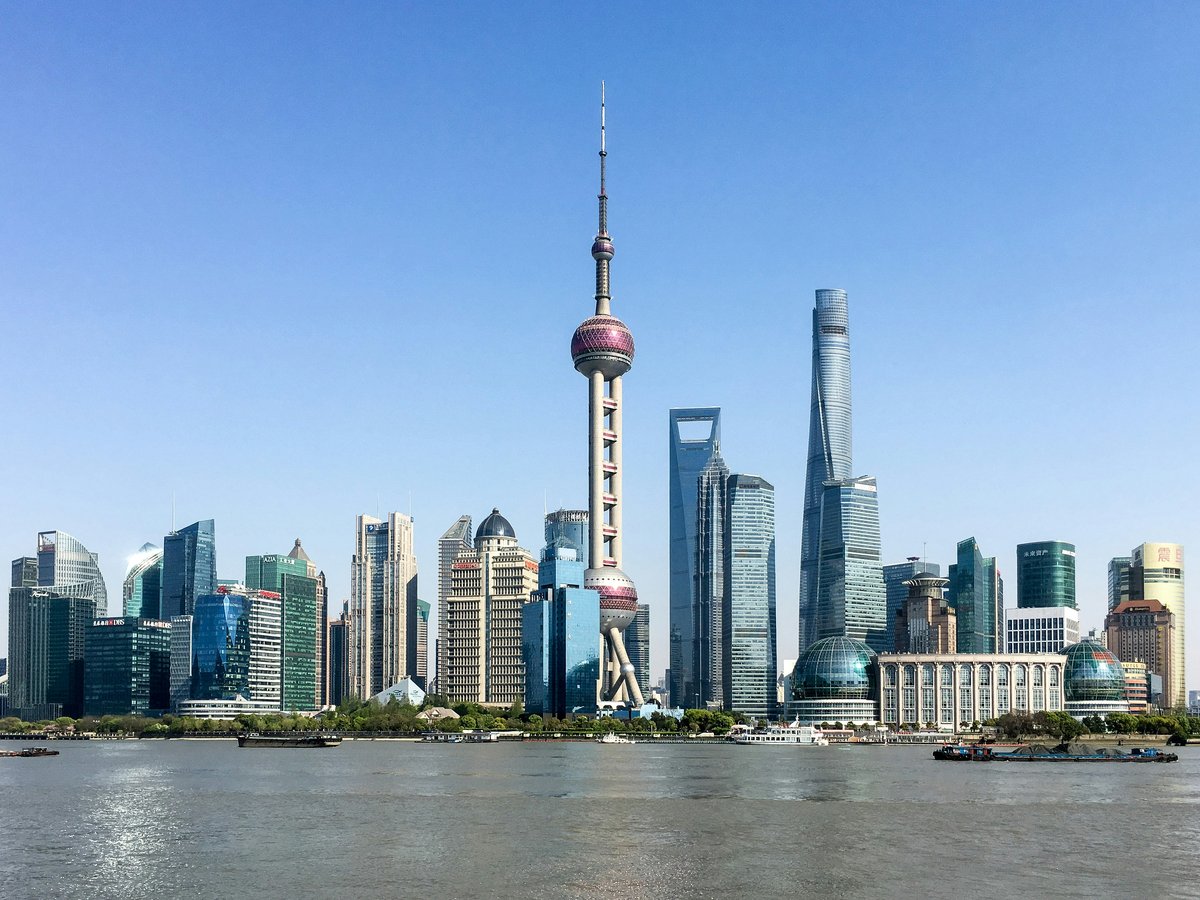
Shanghai has been a trading city since the 1840s, and that commercial DNA still runs through every neighborhood. The city currently produces more silk, cashmere, and tea than any other municipality in eastern China. You'll find luxury flagships on Nanjing West Road sitting 3 kilometers from wholesale fabric markets where tailors buy bolt cotton at 15 yuan per meter. The shopping culture here tends to split along generational lines. Older Shanghainese still prefer department stores like No. 1 Department Store on Nanjing East Road, which opened in 1936. Younger residents gravitate toward concept malls and independent designer studios in the former French Concession. Worth noting, Shanghai is likely the best city in mainland China for finding contemporary Chinese fashion designers who sell direct, without the markup of Beijing or Shenzhen export channels.
Shopping districts
-
Nanjing West Road
luxuryThe stretch between Jing'an Temple station and the Plaza 66 mall holds Shanghai's densest luxury corridor. IAPM, Réel, and Plaza 66 anchor the western end. The sidewalks feel wide and quiet compared to the eastern section. Most foot traffic is domestic shoppers with budgets north of 5,000 yuan per item. You'll notice fewer tourists here than on the Bund-adjacent blocks. The surrounding lanes hide smaller boutiques selling Japanese and Korean imports at 30-40% below Tokyo retail.
Best for: International luxury brands, contemporary Japanese and Korean fashion, high-end watches
-
Nanjing East Road
mid-range to tourist-premiumThe pedestrianized kilometer between People's Square and the Bund draws around 1 million visitors daily on weekends. It skews tourist-heavy and mid-market. The New World City mall and Forever 21's former flagship sit among older Chinese department stores. Prices run 20-30% above what locals would pay in Pudong or Wujiaochang. That said, the sheer density means you can compare 40 shoe brands in a single afternoon. The lane behind the Sofitel has a cluster of luggage and leather goods shops that locals use.
Best for: Quick comparison shopping, mainstream Chinese brands, electronics accessories
-
Huaihai Middle Road (French Concession)
mid-range to highHuaihai Road between Shaanxi South Road and Changshu Road stations feels more curated than Nanjing Road. The plane trees along the sidewalk filter the light in a way that makes window-shopping pleasant even in August humidity. K11 Art Mall mixes galleries with retail. iapm mall at the Shaanxi South end carries mid-luxury brands. The side streets, particularly Changle Road and Xinle Road, hold independent Chinese designers. Prices sit between Nanjing West's luxury ceiling and Nanjing East's mass-market floor.
Best for: Chinese independent designers, art-adjacent retail, cosmetics and skincare
-
Tianzifang (Taikang Road)
mid-range, tourist-adjustedA grid of narrow shikumen lanes converted into small retail studios and cafes. The alleys measure roughly 2 meters wide in places. You'll smell incense, oil paint, and frying scallion pancakes simultaneously. Tourist density runs high between 11:00 and 15:00 on weekends. Mind you, some studios here are genuinely interesting. Several printmakers and calligraphers work on-site. Prices reflect the rent, which reportedly reached 80 yuan per square meter per day in 2024. Expect to pay 200-500 yuan for original prints and 50-150 yuan for handmade accessories.
Best for: Original art prints, handmade jewelry, calligraphy supplies, gifts under 500 yuan
-
Wujiaochang (Yangpu District)
budget to mid-rangeFive malls cluster around the Wujiaochang intersection in northeast Shanghai. Bailian Youyicheng, Wanda Plaza, and Hopson One serve the enormous student population from Fudan and Tongji universities. Prices run 15-25% below central Shanghai for identical brands. The food courts are notably better than downtown equivalents. This is where Shanghainese under 25 buy their clothes. The area feels like a completely different city from Nanjing Road.
Best for: Streetwear, fast fashion, electronics, student-friendly prices
-
Jing'an and West Nanjing Back Streets
mixed, vintage pricingThe blocks behind Jing'an Temple station, particularly Wujiang Road and the lanes feeding into Tong Le Fang, hold a concentration of vintage shops and secondhand luxury resellers. Shanghai's vintage scene has grown considerably since 2020. Stores typically carry 1980s-2000s pieces from Japanese and European brands. Authentication tends to be reliable at established shops because the community is tight-knit and reputation-dependent. A pre-owned Hermès scarf might run 800-2,000 yuan depending on condition.
Best for: Secondhand luxury, vintage clothing, rare sneakers, collector items
Markets
-
Dongtai Road Antique Market
antique and fleaDongtai Road's permanent stalls stretch about 200 meters in the Old City area near Laoximen station. The market sells ceramics, Mao-era memorabilia, old photographs, jade pieces, and Cultural Revolution propaganda posters. Most items are reproductions, and sellers know you know this. The real game is finding the 5% that's genuine among the 95% that's decorative. Prices start at 10 yuan for small trinkets and reach several thousand for convincing porcelain. The surrounding lanes smell like sandalwood and old paper. Weekday mornings before 10:00 bring out the serious collectors.
Daily, roughly 09:00-17:00, best before noon on weekdays
-
Qipu Road Wholesale Market
wholesale fashionSeven floors of clothing wholesalers packed into buildings along Qipu Road near Tiantong Road station. This is where Shanghai's small boutique owners buy stock. Minimum orders of 3-5 pieces per style are common, but single purchases are possible at slightly higher prices. T-shirts run 15-40 yuan, dresses 50-120 yuan. The air conditioning struggles against the body heat of several thousand daily buyers. The ground floor tends toward accessories and bags. Quality varies enormously between stalls.
Daily 06:00-16:00, wholesale buyers arrive before 08:00
-
Fuyou Road Market (near City God Temple)
antique and jadeAn early-morning market where dealers trade jade, old coins, calligraphy scrolls, and small antiques. The market has been running in various forms since the 1990s. Serious buyers arrive by 05:00 with flashlights to inspect jade under controlled light. By 09:00, the professional dealers start packing up and the tourist-oriented stalls take over. The smell of tea from nearby shops mixes with cigarette smoke. Fuyou Road operates on expertise, so if you don't know jade grading, bring someone who does.
Weekends and holidays, 04:00-09:00 for dealers, tourist stalls until 16:00
-
Jiashan Market (Jiashan Road)
artisan and designA weekend market in the French Concession that rotates between Jiashan Road and nearby venues. Local designers sell ceramics, leather goods, hand-poured candles, and small-batch skincare. The crowd skews young, creative-class Shanghainese and expats from the surrounding Xuhui neighborhoods. Stall fees keep out resellers, so most vendors make their own products. Prices reflect handmade labor, typically 80-400 yuan per item. The atmosphere feels unhurried compared to tourist markets.
Weekends, typically 10:00-18:00, check WeChat for dates
-
Tongchuan Road Seafood Market
food and seafoodShanghai's largest wet market for seafood occupies a sprawling complex in Putuo District. The tanks hold hairy crab in season (September through December), live prawns, razor clams, and fish species you won't find outside the Yangtze Delta. Vendors will cook purchases on-site for a processing fee of 10-30 yuan per dish. The floor stays wet. The noise level is considerable. Hairy crab prices fluctuate between 30 and 150 yuan per crab depending on size and the lake of origin, with Yangcheng Lake commanding the premium.
Daily 06:00-18:00, freshest stock before 09:00
-
Changning Weekend Night Market
night and street foodA rotating night market that sets up along Yuyuan Road on weekend evenings near Zhongshan Park. Street food stalls sell cong you bing (scallion pancakes), grilled lamb skewers, stinky tofu, and bubble tea. Some clothing and phone-accessory vendors fill the gaps. The crowds peak around 20:00-21:00. The smell of charcoal and cumin carries several blocks. Prices stay low, with most food items between 8 and 25 yuan.
Friday-Saturday evenings, approximately 18:00-23:00, seasonal
Souvenirs worth bringing home
Shanghai silk remains genuinely worth buying. The Silk King shop on Nanjing East Road sells mulberry silk scarves from Suzhou mills at 200-800 yuan, roughly 40% of what identical quality costs in European retail. Longjing tea from nearby Hangzhou appears in every tourist shop, but buying from the tea markets on Tianshan Road in Changning gives better grades at lower prices, typically 150-600 yuan per 250g tin depending on the April pick date. White Rabbit candy, originally produced at the Shanghai Guan Sheng Yuan factory since 1959, costs almost nothing (10-20 yuan for gift boxes) and carries genuine local nostalgia. Hand-carved seal stones (name chops) from calligraphy supply shops near the Confucius Temple run 50-300 yuan depending on stone quality, and the carver typically finishes within 2 hours. Bamboo and rosewood fans from Duoyunxuan, which has operated on Nanjing East Road since 1900, range from 80 yuan for simple folding fans to several thousand for painted collector pieces. Avoid mass-produced 'Chinese style' items near the Bund. They're manufactured in Yiwu and have nothing to do with Shanghai.
Practical tips
- Bargaining norms
- Fixed-price malls and department stores do not bargain. Markets like Qipu Road and Dongtai Road expect negotiation. Start at 30-40% of the asking price in tourist-heavy areas. In wholesale markets where prices are already near cost, 10-15% off is realistic. Walking away remains the most effective technique. Never bargain aggressively for items under 50 yuan since the margins are already thin.
- Payment methods
- WeChat Pay and Alipay dominate Shanghai retail. As of 2024, both apps allow foreign passport holders to link international Visa or Mastercard for payments. Cash is still accepted but increasingly inconvenient since many small vendors have stopped carrying change. Department stores and malls accept UnionPay and international cards. Market stalls are mobile-payment-only in most cases. Set up WeChat Pay before arriving if possible.
- Tax refund (departure tax rebate)
- Foreign passport holders can claim an 11% VAT refund on single-store purchases exceeding 500 yuan at Tax Free Shopping designated stores. Look for the blue Tax Free logo. The refund desk at Pudong Airport Terminal 1 and 2 processes claims before security. Keep receipts and the Tax Refund Form together. The refund takes 20-60 days to reach your card. Realistically, the paperwork is only worth pursuing for purchases above 2,000-3,000 yuan.
- Opening hours
- Department stores and malls typically open 10:00-22:00 daily. Small boutiques in the French Concession often open later, around 11:00 or 12:00, and close by 21:00. Markets keep earlier hours. Qipu Road wholesale is largely finished by 14:00. Weekend and holiday crowds at popular locations like Nanjing East Road or Tianzifang can double normal shopping time due to foot traffic.
- Sizing and tailoring
- Chinese sizing runs 1-2 sizes smaller than European and American standards for most brands. A US women's medium typically corresponds to Chinese XL or XXL. Shanghai has an active tailoring scene, particularly along Changle Road and in the fabric markets of the South Bund area near Lujiabang Road. A custom-made shirt takes 3-5 days and runs 300-800 yuan depending on fabric. Bring a garment you like the fit of.
- Counterfeit goods
- Vendors in tourist areas may offer counterfeit luxury goods. Purchasing counterfeits is technically illegal under Chinese law, and customs in your home country can confiscate them. The quality varies from obvious fakes to convincing reproductions. Shanghai police periodically raid markets selling counterfeits, particularly around the former Xiangyang Market area. If authenticity matters to you, buy from brand stores directly or from established secondhand dealers who provide authentication documentation.
FAQ
Is Shanghai expensive for shopping compared to other Chinese cities?
Central Shanghai runs 15-30% more expensive than equivalent goods in Chengdu, Wuhan, or Changsha for domestic brands. Luxury goods carry the same national pricing everywhere. The premium comes from rent passed to consumers in areas like Nanjing Road. Shopping in outer districts like Wujiaochang, Minhang, or Songjiang brings prices closer to second-tier city levels. Wholesale markets like Qipu Road price below most other cities because of proximity to Zhejiang manufacturing.
What are the best areas for Chinese fashion designers?
The French Concession streets between Changle Road and Wukang Road hold the highest concentration. Xinle Road and Anfu Road have particular clusters. The Dongliang concept store and Labelhood carry curated selections of emerging Chinese brands in one location. Prices for independent designers typically range from 500-3,000 yuan per garment. The spring and autumn collection seasons (March-April and September-October) bring pop-up events and sample sales.
Can I ship purchases home from Shanghai?
Most department stores and brand boutiques offer international shipping, typically via SF Express or EMS, with costs starting around 120 yuan per kilogram to North America or Europe. For market purchases, the Nanhui Road post office near the Bund handles international parcels and provides packaging materials. Private shipping agents in the Qipu Road area specialize in bulk clothing shipments. Fragile items like ceramics should be shipped via EMS insured rather than surface mail.
When is the best time of year for shopping deals in Shanghai?
The 6.18 festival (June 18) and Singles' Day (November 11) bring the deepest discounts, typically 30-50% off at participating stores both online and in physical retail. Chinese New Year sales run from late January through February. Summer clearance happens in July-August. The October Golden Week holiday (October 1-7) brings some discounts but primarily massive crowds. For vintage and antique markets, the post-holiday periods in February and October see fresh stock as dealers replenish.
Is it safe to buy jade and antiques at Shanghai markets?
Most items at tourist-facing markets like Dongtai Road are reproductions regardless of what the seller claims. Genuine antiques over 100 years old require export certificates from the Chinese Cultural Heritage Administration, and removing them without documentation is illegal. For jade, the national standard GB/T 16553 grading certificate from an accredited lab (CMA or CNAS marked) provides reliable authentication. Budget 50-100 yuan for independent lab testing at the Shanghai Gems Testing Center on Nanjing West Road if you're making a significant purchase.
Last verified by automated review (v1.7.2) on . What is automated review?