Is Shanghai safe?
Shanghai scores 7.2 out of 10 for solo-traveler safety (see the TTDI Solo-Safety Index). Violent crime against foreigners is near zero. The real risks are the tea-house scam near People's Square, phone theft from electric scooters along Nanjing Road, and a language barrier that complicates incident reporting. The metro runs until roughly 22:30 and is safe. Police emergency number is 110.
Shanghai scores 7.2 out of 10 for solo-traveler safety (see the TTDI Solo-Safety Index). The city holds 26 million people and yet feels calmer at midnight than most European capitals. Uniformed PAP officers stand at every metro entrance. Neighborhood watch committees patrol the old longtang lanes in Hongkou and Jing'an. That police presence keeps street crime low, but the surveillance runs deep. Your passport gets scanned at every hotel check-in. WeChat, which you need for paying at FamilyMart, hailing a Didi, and splitting dinner bills, requires a Chinese phone number and logs your movements. VPN access to Google Maps and WhatsApp has been inconsistent since the 2017 crackdown. For a solo traveler, the math is simple. You are statistically safer walking Pudong's riverfront at 11pm than on London's South Bank, but you are also inside one of the most surveilled cities on earth.
The biggest threat to your wallet in Shanghai is not theft. It's the tea-ceremony scam, and it targets solo travelers with surgical precision. The setup happens on Nanjing East Road and around People's Square (founded 1949), where two or three young Chinese people approach you in practiced English. They say they are art students, or that they want to practice their language skills. They suggest a nearby teahouse. The bill arrives at 800 to 2,000 CNY, roughly 120 to 295 USD at the current rate of 6.77 CNY per dollar. Bouncers appear if you refuse to pay. This scam has operated on the same 3-block stretch near the Shanghai Museum (founded 1952) since at least the early 2000s. The fix is simple. If strangers approach you in English near People's Square or along East Nanjing Road Pedestrian Street, decline and keep walking. Solo travelers are the primary target because there is no companion to flag the setup.
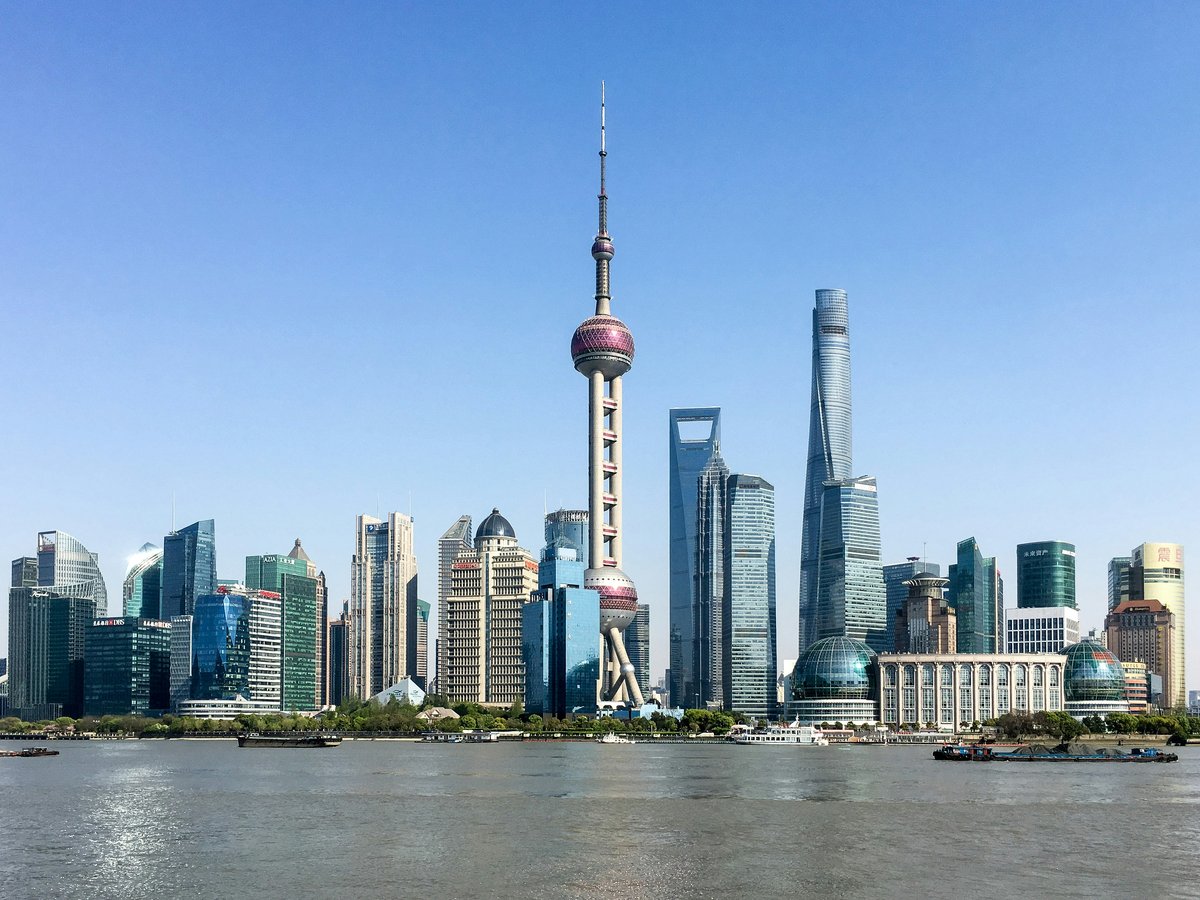
Shanghai's metro network covers 19 lines and runs from roughly 5:30am to 22:30, with last trains varying by line. Line 2 to Pudong International Airport stops around 22:00. After the metro closes, Didi fills the gap. Fares from The Bund to Jing'an typically run 25 to 40 CNY (4 to 6 USD). Solo women report feeling safe on late-night Didi rides. The app records the route and driver identity, and a panic button connects to local police. For walking after dark, the Former French Concession around Wukang Road stays busy until midnight. Couples and dog-walkers pass under the plane trees, and the warm glow of lit cafe windows reaches across the sidewalk. Hongkou north of Sichuan North Road gets quieter after 21:00, with uneven paving and thin streetlighting in the narrower lanes. The avenues around Lujiazui in Pudong stay active past midnight, with security guards posted outside the Oriental Pearl Tower (opened 1998) and the Shanghai World Financial Center.
Solo dining in Shanghai is normal. Chinese food culture favors shared dishes at a round table, but a single person at a noodle counter draws zero attention. Yang's Fry-Dumpling on Huanghe Road near People's Square serves 4 shengjianbao for around 10 CNY (1.50 USD). You eat standing at a metal counter, grease on your fingers, pork broth running down your wrist. Nobody cares that you are alone. For meeting other travelers, The Camel on Yueyang Road in the Former French Concession has been a reliable expat bar since the mid-2000s. SmartShanghai.com lists weekly pub quizzes, language exchanges, and running groups. Hostels with private rooms cluster in Huangpu near the Bund, with singles running 150 to 250 CNY (22 to 37 USD) per night.
Download Amap (Gaode Maps) before arrival. Google Maps works poorly behind the firewall, and Amap gives accurate walking directions in English. Keep a screenshot of your hotel address in Chinese characters on your phone. Police speak limited English, but the 12345 Shanghai citizen hotline has English-speaking operators. The emergency number for police is 110, for ambulance 120, for fire 119. Shanghai's summers push past 35°C with humidity that soaks through cotton in minutes. Today's 32.9°C with thunderstorms and hail is typical for mid-July, and heavy rain can flood Pudong underpasses within 20 minutes.
Emergency number: 110
Official travel advisories
Exercise increased caution the most cautious of 2 government assessments
- Government of CanadaLevel 2Exercise a high degree of caution View advisory
- UK Foreign OfficeLevel 1No FCDO travel restriction View advisory
Verified from the issuing governments' own feeds.
Areas to avoid
- Nanjing East Road Pedestrian Street area after dark (tea-ceremony scam zone targeting solo foreigners)
- Shanghai Railway Station north exit after 23:00 (poorly lit, aggressive touts)
- Hongkou north of Sichuan North Road after 21:00 (limited streetlighting, narrow lanes)
- Bar strips around Hengshan Road after 2am (drink-spiking reports, inflated tabs)
Common concerns
- Tea-ceremony and art-student scam near People's Square and Nanjing East Road (bills of 800-2,000 CNY)
- VPN required for Google, WhatsApp, Instagram, and most Western apps since 2017
- WeChat Pay or Alipay required for most transactions; international credit cards accepted at fewer than 30% of shops
- Language barrier at police stations and hospitals; 12345 Shanghai hotline has English-speaking operators
- Metro closes around 22:30; Didi surge pricing applies after midnight
- Summer heat above 35°C with high humidity and sudden thunderstorms in July and August
- Passport required at all hotel check-ins; some budget hotels cannot accept foreign guests
- Electric scooters on sidewalks create a collision and phone-snatching risk on Nanjing Road and The Bund
Last verified by automated review (v1.7.2) on . What is automated review?