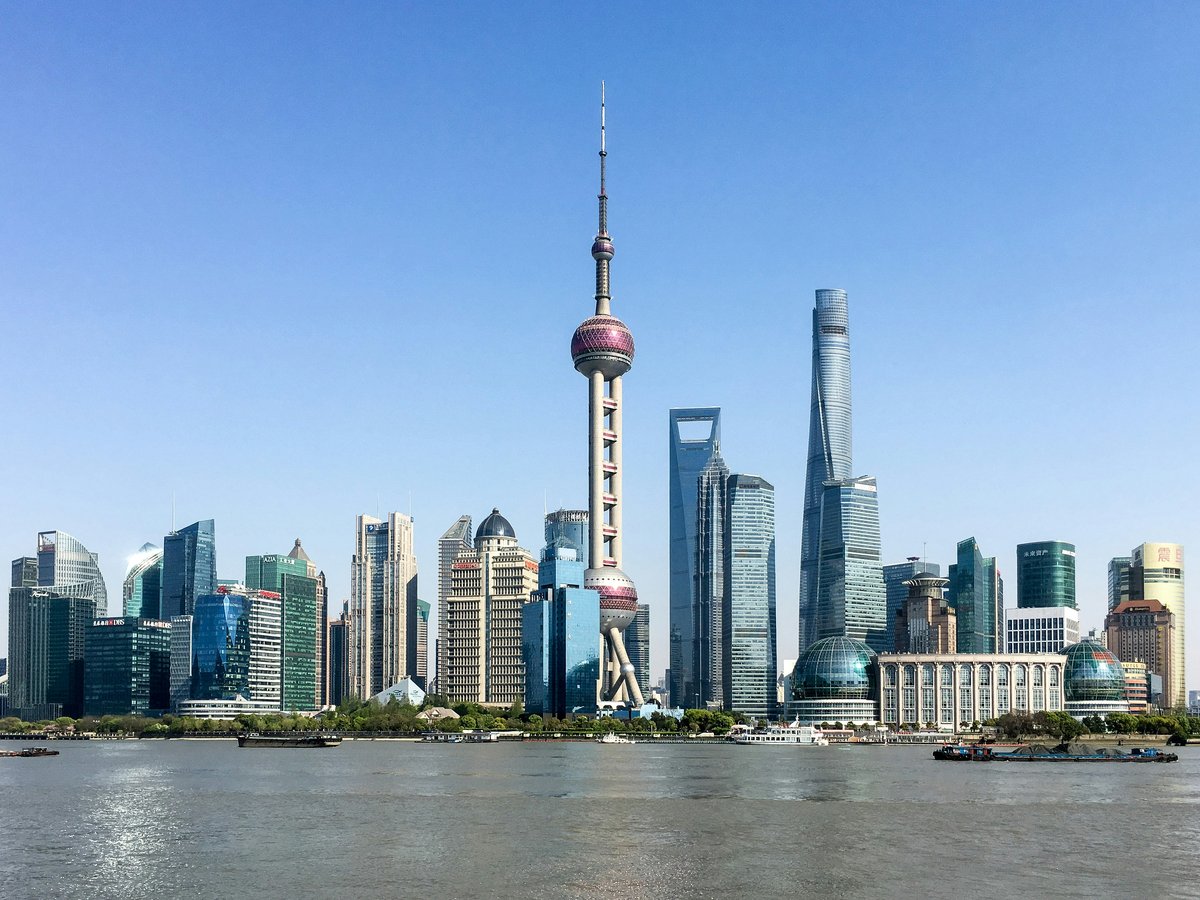
Shanghai stays up later than almost any city in mainland China. The bars along the Bund don't wind down until 2 AM on weeknights, and the clubs in Jing'an and the Former French Concession keep going until 5 or 6 AM on weekends. That said, the city's nightlife personality is harder to pin down than, say, Beijing's. Beijing tends to feel like one big house party. Shanghai is more fractured, more neighborhood-driven. You'll find a polished cocktail bar on Yongkang Lu sitting 300 meters from a grimy KTV den, and neither crowd acknowledges the other. The local drinking culture leans toward whisky and beer more than baijiu, which surprises a lot of first-time visitors. Young Shanghainese in their 20s and 30s currently favor Japanese whisky highballs, craft IPAs from local breweries like Boxing Cat and Strong Ale Works, and, increasingly, natural wine. Going out rarely starts before 10 PM. Dinner runs late here, often until 9 or 9:30 PM, and the post-dinner drift toward a bar or club takes its time. Friday and Saturday are the peak nights, though Thursday has been building momentum in the Jing'an area for the past couple of years. One thing worth noting about Shanghai after dark is how much WeChat shapes the experience. Many bars and clubs promote events, guest lists, and table reservations exclusively through WeChat groups and mini-programs. Without WeChat on your phone, you'll miss roughly half of what's happening on any given night.
The Bar Scene in Shanghai
Shanghai's cocktail bar culture has been growing steadily since around 2015, and the city now holds more spots on the Asia's 50 Best Bars list than any other mainland Chinese city. The Former French Concession remains the cocktail heartland. Streets like Yongfu Lu, Yongkang Lu, and Julu Lu are dense with small, dimly lit bars where bartenders tend to take their craft seriously. Expect to pay between 80 and 130 RMB for a well-made cocktail in this area. That's roughly 11 to 18 USD. The speakeasy format remains popular in Shanghai, though locals seem to be tiring of it a little. You'll still find unmarked doors, password entries, and hidden staircases, but the newer openings have been moving toward more transparent, walk-in-friendly concepts. The Bund waterfront is where the rooftop bars cluster, mostly in the heritage buildings between Nanjing Dong Lu and Yan'an Dong Lu. These places charge a premium, often 120 to 180 RMB per drink, and the crowd skews toward tourists and business travelers. The views across to the Lujiazui skyline are hard to argue with, though. Mind you, the wind off the Huangpu River can make rooftop seating genuinely cold from November through March. For something rougher around the edges, the streets around Changhua Lu in Putuo district have been developing a scrappier bar scene. Cheaper rents drew in younger operators, and you'll find craft beer spots and small wine bars where a glass of natural wine might cost 50 to 70 RMB. The dive bar tradition in Shanghai is thinner than in Beijing. Beijing has its hutong dives, but Shanghai's version tends toward slightly more polished spaces, even when they're going for a casual feel. The closest thing to a true dive scene sits along Dagu Lu and some of the remaining old streets near Jing'an Temple, where a few holdout bars still pour Tsingtao tallboys for 15 to 20 RMB. Wine bars have been multiplying since around 2022. The natural wine movement arrived in Shanghai via a wave of young sommeliers who trained in Australia, France, and Japan. The Former French Concession and Xuhui district host most of these spots. Bottle prices typically start around 200 RMB for an entry-level natural wine, and glasses pour between 60 and 100 RMB. The clientele tends to be a mix of creative industry workers, media people, and the occasional off-duty chef.
Clubbing in Shanghai
Shanghai's club scene currently leans toward techno and house, though hip-hop nights still draw big crowds, especially among the under-25 demographic. The city went through a period of rapid club openings between 2017 and 2019, followed by pandemic closures that wiped out a significant number of venues. What has come back feels more focused. The surviving and newer clubs tend to book more carefully and invest in better sound systems. The Hongkou and North Bund area has become something of a clubbing corridor. Warehouses and converted industrial spaces along Haining Lu and near the intersection with Sichuan Bei Lu host events that pull 500 to 1,000 people on peak nights. Cover charges at the bigger club nights typically run 100 to 200 RMB, and that often includes one drink. Some venues charge more for international DJ bookings, occasionally reaching 300 RMB. Worth noting that many clubs still use a table-booking model alongside general admission. Groups of 4 to 6 might book a table with a bottle of whisky or vodka for 1,500 to 3,000 RMB, which works out cheaper per person than buying individual drinks all night. Dress codes exist but tend to be loosely enforced outside the most exclusive spots. Sneakers are fine almost everywhere. The unwritten rule is more about looking intentional than formal. Shorts and flip-flops will likely get you turned away at the door in Xintiandi or the Bund-adjacent clubs, but Jing'an and Hongkou venues rarely care as long as you're not visibly underdressed. Things don't really get going until midnight. Arriving at a Shanghai club at 10 PM means you'll be standing in a mostly empty room. The peak window is 12:30 AM to 3 AM. After-hours culture exists but stays relatively underground, usually promoted through WeChat groups the day of. The after-hours crowd skews toward industry people, DJs, and night-shift workers winding down. One pattern that seems to be growing in 2025 and 2026 is the outdoor party and warehouse rave format, particularly in the Minhang and Songjiang districts on the city's western fringe. These pop-up events draw 200 to 400 people and often feature local techno and experimental electronic acts. Tickets go for 80 to 150 RMB through WeChat mini-programs.
Live Music After Dark
Shanghai has the strongest live music infrastructure of any city in mainland China, though Beijing partisans will argue that point. The city hosts around 15 to 20 dedicated live music venues, ranging from 100-capacity rooms to converted theaters that hold 1,500 or more. The local music scene spans Mandopop, indie rock, post-punk, jazz, and a growing electronic-acoustic crossover movement. Chinese indie rock had a significant moment in Shanghai during the mid-2010s, and the scene has matured into something with real depth. Post-punk acts from cities like Chengdu and Wuhan tour through Shanghai regularly, and the local post-punk scene has its own following. Jazz has a long history here. Shanghai was a major jazz city in the 1930s and 1940s, and something of that legacy persists. The Hengshan Lu and Fuxing Xi Lu area in the Former French Concession still hosts jazz nights, usually Wednesday through Saturday. Cover charges for jazz performances tend to run 50 to 100 RMB, or sometimes the venue operates on a minimum drink spend of 80 to 120 RMB. For rock and indie shows, the Changning and Jing'an districts host most of the mid-size venues. Tickets for local bands typically cost 80 to 150 RMB. International touring acts command 200 to 500 RMB, depending on the artist and venue size. Friday and Saturday nights are the obvious picks, but Wednesday and Thursday shows can be worth seeking out because the crowds are smaller, the energy is more focused, and you'll likely end up closer to the stage. The open-mic scene runs strong in the Former French Concession, particularly on Tuesday and Wednesday nights. These tend to draw a mix of expats and bilingual locals. If you're into electronic music performed live rather than DJ sets, the Xuhui district has been developing a small but dedicated scene around modular synth and ambient performance. These shows happen irregularly, maybe 2 to 3 times a month, and are promoted almost exclusively through WeChat and Xiaohongshu.
Nightlife neighborhoods
-
Former French Concession (Xuhui/Luwan)
Tree-lined streets with fairy lights strung between plane trees, low-rise buildings converted into cocktail bars and wine shops. The smell of grilled skewers from late-night street vendors mixes with perfume from the well-dressed crowd. Quieter than you'd expect for a nightlife district, with conversation-level noise until midnight, then a gradual emptying by 2 AM on weeknights.
- Best for
- Cocktail lovers, wine drinkers, date nights, and anyone who wants to bar-hop on foot between 8 PM and 1 AM
- Standouts
- Yongkang Lu, Yongfu Lu, and Julu Lu form the core drinking triangle. Fuxing Lu has the jazz spots. Wulumuqi Lu adds a handful of newer wine bars and small-plate restaurants that double as late-night drinking spots.
-
The Bund and Waitan
The grandeur of 1920s neoclassical buildings lit up at night, reflected in the Huangpu River. The rooftop bars offer panoramic views of the Lujiazui financial district towers across the water. It feels cinematic. The crowd is a mix of tourists, business travelers, and well-heeled locals celebrating occasions. The sound of boat horns carries up from the river. Everything costs more here.
- Best for
- Special occasions, visitors wanting the iconic Shanghai skyline view, and business entertaining between 7 PM and midnight
- Standouts
- The heritage buildings between Nanjing Dong Lu and Yan'an Dong Lu house most of the rooftop bars. The area around Yuanmingyuan Lu has a few lower-key options at slightly friendlier prices.
-
Jing'an
A mix of commercial towers and older lanehouse neighborhoods creates an uneven texture. The bar scene here feels less curated than the French Concession, more accidental. You'll find a cocktail bar next to a hot pot restaurant next to a bubble tea shop, all with their doors open at 11 PM. Neon signage competes with the warm glow of lantern-lit alleyways. Noisier, younger, more spontaneous.
- Best for
- Thursday through Saturday nights, groups looking to bounce between bars and late-night restaurants, and the under-30 crowd that finds the French Concession too quiet
- Standouts
- The streets around Kangding Lu and Wuding Lu have the densest concentration. Shaanxi Bei Lu near the metro station has a row of late-night spots. The blocks between Changde Lu and Jiaozhou Lu are developing fast.
-
Hongkou and North Bund
Industrial edges and warehouse spaces sit alongside new residential towers. The club venues here tend to be bigger and louder than anything in the French Concession. The streets are wider, less charming, but the converted spaces give promoters room to build proper sound systems and lighting rigs. The crowd is more mixed in age and nationality than the Jing'an scene.
- Best for
- Techno and house fans, clubbers who want a proper dancefloor and big sound after midnight on Friday and Saturday
- Standouts
- Haining Lu and the streets near Sichuan Bei Lu have the warehouse-style venues. The area is still developing, so the scene shifts as new spaces open and older ones close.
-
Xintiandi
Restored shikumen lane houses turned into upscale bars and restaurants. The stone-and-brick architecture looks beautiful at night, with warm lighting spilling out of ground-floor windows. The crowd is older and wealthier than the Jing'an scene. Cocktails hover around 100 to 150 RMB. It can feel a bit stage-managed, to be fair, but the setting is undeniably attractive.
- Best for
- After-work drinks between 6 PM and 9 PM, couples, and visitors who prefer a polished, walkable nightlife area without the edge of the club districts
- Standouts
- The pedestrianized lanes between Madang Lu and Huangpi Nan Lu form the main bar-hopping strip. Zizhong Lu on the southern edge has a few lower-key spots.
-
Changning and Hongqiao
More residential, more local. The nightlife here tends to revolve around neighborhood bars, KTV spots, and the occasional live music venue tucked into a side street. Less sceney, more relaxed. The expat presence in the Gubei area within Changning means you'll find a handful of international-style pubs and sports bars. Drinks cost 20 to 30 percent less than the French Concession.
- Best for
- Locals who want a low-key weeknight drink, expats living in the Gubei area, and live music fans willing to go slightly off the beaten path
- Standouts
- The blocks around Yan'an Xi Lu and Panyu Lu host a cluster of casual bars. The Gubei area near the Carrefour intersection has the sports bars and pubs.
Safety after dark
Shanghai is one of the safer major cities in the world for going out at night, and violent crime against visitors is rare. That said, a few things are worth knowing. The most common scam targeting tourists is the "tea ceremony" or "art student" hustle, where a friendly stranger invites you to a nearby bar or teahouse, orders expensive drinks, and disappears when the inflated bill arrives. This happens most frequently around Nanjing Dong Lu and the Bund between 7 PM and 11 PM. The tell is always the same. A stranger who speaks good English approaches you unprompted and steers the conversation toward going somewhere together. Politely decline and walk on.
Drink spiking is not widely reported in Shanghai, but the general precaution of watching your glass still applies, especially in the busier tourist-facing bars. Counterfeit alcohol has been a recurring issue in some of the cheaper bars and clubs. If your whisky tastes noticeably off or gives you a headache within 30 minutes, stop drinking it. Sticking to beer, sealed bottles, or reputable cocktail bars largely avoids this.
Getting home late at night is straightforward. The Shanghai Metro closes between 10:30 PM and 11 PM depending on the line, so you'll likely need a taxi or ride-hail after that. DiDi is the main ride-hail app and works well, though surge pricing kicks in hard between 1 AM and 3 AM, sometimes doubling the fare. Having the Chinese address of your hotel saved in your phone, ideally as a screenshot with Chinese characters, helps enormously with taxi drivers who may not read pinyin or English. Some drivers will refuse short fares late at night, especially near popular bar districts. If a driver cancels on you repeatedly through DiDi after 2 AM, walk 2 to 3 blocks away from the bar strip before requesting again.
Practical tips
- WeChat Pay
- Cash is nearly extinct in Shanghai nightlife. Almost every bar, club, and late-night food stall operates on WeChat Pay or Alipay. International visitors can now link Visa and Mastercard to WeChat Pay, though the setup process takes 10 to 15 minutes and requires passport verification. Do this before you go out. Some smaller bars will accept cash but may struggle with change for a 100 RMB note.
- Cover charges
- Most bars in Shanghai have no cover charge. Clubs typically charge 100 to 200 RMB on regular nights, with bigger events reaching 300 RMB. The cover often includes 1 drink. Some clubs waive cover for women before midnight, though this practice has been declining. Table minimums at upscale clubs run from 1,500 to 5,000 RMB for a group, which includes a bottle and mixers.
- Tipping
- Tipping is not part of Shanghai drinking culture. Bartenders do not expect tips, and leaving money on the bar can cause confusion. At higher-end cocktail bars with international staff, a small tip might be accepted but it is never expected. The price on the menu is the price you pay, with no service charge at most bars. Some upscale venues in Xintiandi and the Bund area add a 10 to 15 percent service charge to the bill automatically.
- Late-night food
- Shanghai's late-night food scene runs strong until 3 or 4 AM in most nightlife districts. Chuanr (grilled skewers) vendors set up along streets near popular bar areas from around 10 PM. Xiaolongbao and wonton shops in the French Concession stay open until 2 AM. For something more substantial, 24-hour congee shops are scattered across Jing'an and Huangpu districts. Budget 20 to 50 RMB for a solid late-night meal.
- Drinking age and ID
- China's legal drinking age is 18, but enforcement at bars and clubs is inconsistent. Clubs with door security will sometimes check ID, particularly for younger-looking patrons. Carry your passport or a photo of the ID page on your phone. Bars almost never check.
- Noise and neighbors
- Shanghai has been enforcing noise ordinances more strictly since 2023. Several outdoor bar terraces in the French Concession have had their hours restricted to closing by midnight after resident complaints. If a bar terrace appears to close early while the indoor section stays open, this is likely why. Clubs in residential-adjacent areas sometimes lower the volume after 3 AM to avoid fines.
FAQ
What time do bars and clubs close in Shanghai?
Most cocktail bars and wine bars in the French Concession and Jing'an close between 1 AM and 2 AM on weeknights, extending to 2 AM or 3 AM on Friday and Saturday. Clubs generally stay open until 4 AM to 6 AM on weekends, with some after-hours events running later. Rooftop bars on the Bund tend to close by 1 AM to 2 AM. Late-night food stalls and 24-hour restaurants fill the gap after bars close.
Is Shanghai nightlife expensive compared to other Asian cities?
Shanghai sits in the upper-middle range for Asian nightlife costs. A cocktail in a decent bar runs 80 to 130 RMB, which is roughly 11 to 18 USD. That is cheaper than Tokyo or Singapore but more expensive than Bangkok or Ho Chi Minh City. Beer is the value option at 30 to 60 RMB for a craft pint, or 15 to 25 RMB for a domestic lager. Club entry with one drink included costs 100 to 200 RMB on a typical night.
Do I need to speak Mandarin to go out in Shanghai?
In the French Concession, Xintiandi, and Bund areas, many bartenders and club staff speak enough English for basic ordering. Outside these districts, English becomes less reliable. Having a few phrases ready helps, and showing drink names or photos on your phone works well. DiDi, the ride-hail app, has an English interface but some drivers communicate only in Mandarin. The WeChat translate function is genuinely useful at 2 AM when you are trying to read a menu.
What is the best night of the week to go out in Shanghai?
Saturday is the busiest and most expensive night across all districts. Friday runs a close second. Thursday has been growing as a going-out night in Jing'an, with several bars and clubs hosting weekly events. Wednesday is the quietest weeknight but also when many jazz venues and open-mic nights run their best programming. For clubs, Saturday between midnight and 3 AM is peak. For bars, Friday from 9 PM to midnight tends to hit the sweet spot of busy-but-not-packed.
Are there areas to avoid at night in Shanghai?
Shanghai is generally safe across all its nightlife districts. The main areas to exercise extra caution are the tourist-heavy stretches of Nanjing Dong Lu and around the Bund, where scam approaches are most frequent between 7 PM and 11 PM. The area around Shanghai Railway Station can feel less comfortable late at night, though it is more about noise and disorientation than actual danger. Poorly lit industrial areas in outer districts like Minhang are best navigated by taxi rather than on foot after midnight.
Can I get into clubs in Shanghai without a reservation?
Most clubs accept walk-ins for general admission on regular nights. For special events or international DJ bookings, pre-sale tickets through WeChat mini-programs or the venue's official account are common and sometimes required. Table reservations for bottle service should be made in advance, especially for Saturday nights when popular venues fill their tables by Thursday or Friday. Showing up at the door without a reservation on a busy Saturday around 1 AM may mean a 20 to 40 minute wait, or being turned away if capacity is full.
Last verified by automated review (v1.7.2) on . What is automated review?