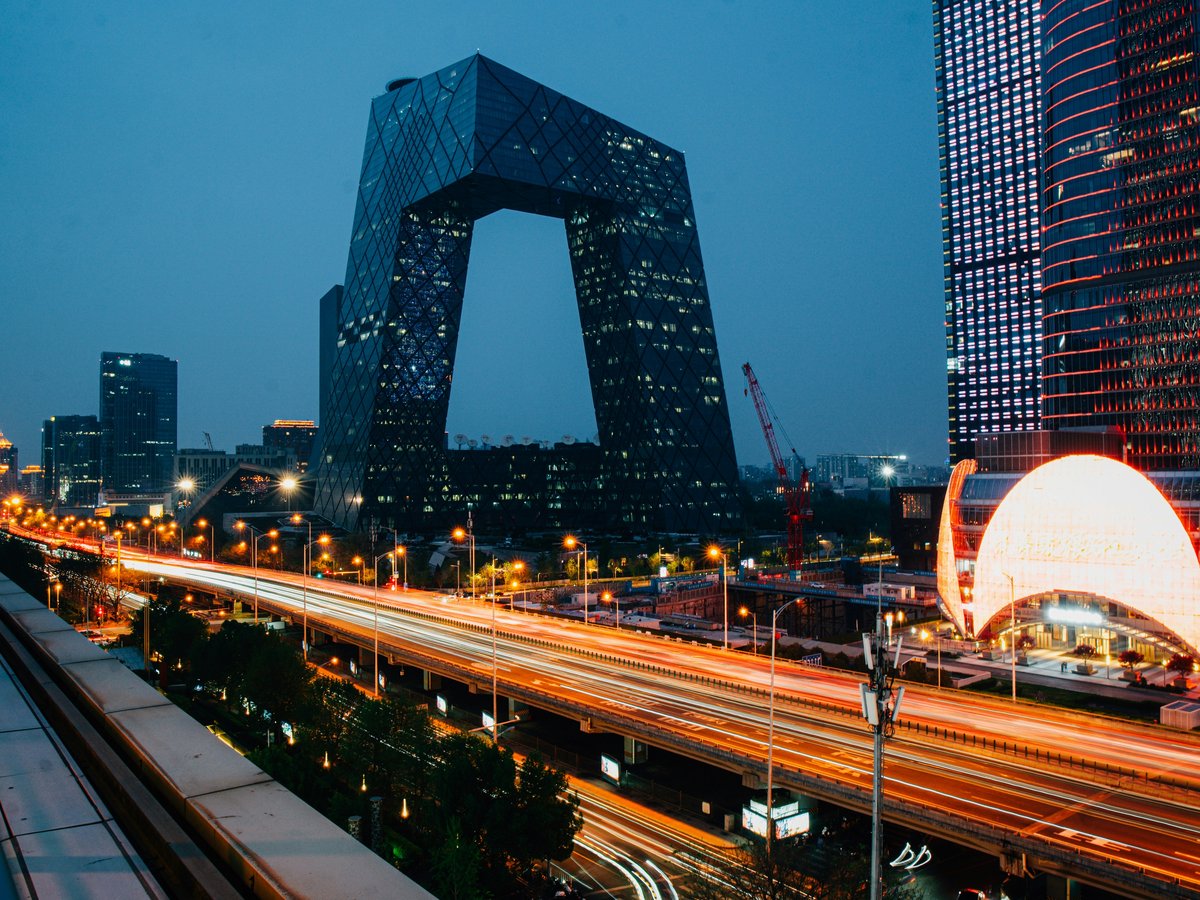
Stay in Beijing in July
90 hotels in the Trip.com pool for Beijing, from US$14 a night.
Opens Trip.com on Fri 2 Jul to Sun 4 Jul 2027; change the dates there.
July in Beijing is wet. That is the single most important thing to know. The city receives around 260mm of rain across roughly 16 days, more than any other month and about 6 times what falls in June. Temperatures reach an average high of 32°C (90°F) with lows around 23°C (73°F), and humidity sits near 72%, the kind that sticks your shirt to your back within 10 minutes of stepping outside. Rainstorms tend to arrive in sudden, heavy bursts rather than all-day drizzle, which means you might get 40mm in 2 hours and then watch the sky clear. That pattern is manageable if you plan around it, but it will reshape your days.
To be fair, there are genuine reasons to be here in July. The lotus flowers at the Summer Palace (Yiheyuan) and Beihai Park hit full bloom, covering entire lake surfaces in pink and white. Local stone fruits, especially Pinggu peaches, reach their peak sweetness at markets across Dongcheng and Chaoyang. The long daylight hours, with sunset after 19:30, give you time to recover from a rain delay and still fit in an evening walk around Houhai Lake. School holidays bring Chinese domestic tourists in force, so the Forbidden City and Temple of Heaven corridors fill up, but this also means the city's cultural calendar runs hot with summer concerts and exhibitions.
That said, if you have flexibility on timing, September and October are dramatically better months for Beijing. The autumn air turns dry and clear, crowds thin after the National Day rush, and temperatures drop to a comfortable 18-27°C. July is not a terrible time to visit, but it demands patience with weather, early-morning starts, and a willingness to duck into air-conditioned museums when the sky opens up.
Why visit in July
- Lotus flowers reach full bloom at the Summer Palace, Beihai Park, and Longtan Park, typically peaking in the first 3 weeks of July. The display at Kunming Lake covers several hectares.
- Pinggu district peaches hit peak season and appear at fruit stalls across the city for around 8-15 yuan per jin (500g). Beijing watermelon also peaks, with vendors on nearly every block in the hutong neighborhoods.
- Daylight stretches past 19:30, giving you roughly 15 hours of usable light. Even after a 2-hour rain delay, you still have time for an evening walk along the moat at Dongbianmen.
- Hotel availability is generally good despite higher prices. Unlike the National Day crush in October, July crowds spread more evenly across the week rather than spiking on specific dates.
Worth knowing
- 260mm of rainfall across roughly 16 days makes July Beijing's wettest month by a wide margin. Downpours can flood underpasses and cause temporary subway station closures, particularly on Line 1 and Line 6.
- Humidity at 72% combined with 32°C heat creates a persistent, heavy stickiness that makes extended outdoor sightseeing physically draining. The Forbidden City's stone courtyards radiate stored heat well into the evening.
- Domestic summer holiday travel pushes crowd levels at the Great Wall, the Forbidden City, and the Temple of Heaven to near-peak levels. Weekend visits to Badaling or Mutianyu sections of the Wall can mean queuing 30-45 minutes for the cable car.
- Air quality tends to be worse in July's stagnant, humid conditions. PM2.5 readings above 100 are not uncommon, and hazy days can obscure the mountain views from Jingshan Park that make autumn visits so rewarding.
Best for
Think twice if
July is Beijing's hottest and wettest month. Expect an average high of 32°C (90°F) and lows around 23°C (73°F). Nights rarely drop below 20°C. The 260mm of monthly rainfall typically arrives in intense afternoon or evening cloudbursts lasting 1-3 hours rather than steady all-day rain. Humidity hovers near 72%, which makes the heat feel considerably worse than the thermometer suggests. Mornings before 09:00 tend to be the most comfortable window for outdoor activity. By mid-afternoon, the combination of heat, humidity, and potential thunderstorms usually drives people indoors.
Seasonal caution
- Heavy rainfall can cause flash flooding in low-lying underpasses and pedestrian tunnels, particularly in central Dongcheng and along the 2nd Ring Road. Beijing municipal authorities issue orange rain warnings several times each July, sometimes advising residents to avoid underground passages.
- Heat index regularly exceeds 38°C (100°F) when humidity is factored in. Extended outdoor activity between 11:00 and 15:00 risks heat exhaustion, especially at exposed sites like the Great Wall or the Forbidden City's open courtyards.
- Sudden thunderstorms can produce lightning. The exposed ridgeline sections of the Great Wall at Jinshanling and Simatai are particularly risky during electrical storms. Check forecasts before starting a Wall hike.
Year-round climate
Averages from the last 5 years.
| Month | Avg high (°C) | Avg low (°C) | Rainfall (mm) |
|---|---|---|---|
| Jan | 2 | -7 | 2 |
| Feb | 6 | -5 | 5 |
| Mar | 15 | 2 | 12 |
| Apr | 22 | 9 | 18 |
| May | 27 | 14 | 40 |
| Jun | 33 | 21 | 69 |
| Jul | 32 | 23 | 260 |
| Aug | 30 | 22 | 174 |
| Sep | 27 | 17 | 63 |
| Oct | 18 | 8 | 40 |
| Nov | 11 | 1 | 16 |
| Dec | 3 | -5 | 4 |
Best things to do in July
Lotus viewing at the Summer Palace (Yiheyuan)
natureKunming Lake's western shore and the area near the 17-Arch Bridge fill with lotus flowers in July. The blooms open early in the morning and begin closing by midday. Serious photographers arrive by 05:30 to catch the first light on the petals, which still hold dew at that hour. The scent of the flowers carries across the water in the still morning air.
Lotus blooms peak in the first 3 weeks of July. By mid-August, many flowers have dropped their petals and the seed pods dominate.Booking tipBuy tickets online through the Summer Palace official WeChat mini-program to skip the ticket window queue. The park opens at 06:00 in summer.
Early-morning hike on the Jinshanling section of the Great Wall
outdoorJinshanling, about 130km northeast of central Beijing, is less restored than Badaling or Mutianyu and sees fewer tour buses. The 10km stretch between Jinshanling and Simatai West passes through crumbling watchtowers with wild vegetation growing through the stones. Starting at dawn means cooler temperatures and softer light on the grey brick.
July's long daylight (sunrise before 05:00) allows a full hike before the midday heat becomes dangerous. The green hillsides contrast sharply with the grey wall, a combination you don't get in the brown, bare months of winter.Booking tipBook a driver or join a small-group tour departing Beijing by 04:00. The Simatai West section requires separate advance booking through the Gubei Water Town website.
Evening walk around Houhai and Shichahai lakes
nightlifeAfter the afternoon heat breaks, the lakeside bars and restaurants along Houhai's north and south shores come alive. The water reflects strings of red lanterns. Rickshaw drivers offer hutong tours through the narrow alleys branching off from the lake. The air cools to around 25°C by 20:00, and the breeze off the water helps.
Summer is the only season when the outdoor lakeside seating is open and the water-adjacent nightlife runs past midnight. The atmosphere is noticeably different from the bundled-up winter months when most patrons sit indoors.Booking tipNo booking needed for the public lakeside walk. For specific bars or restaurants with lake-view terraces, calling ahead on a Friday or Saturday is wise.
798 Art District galleries and exhibitions
cultureThe converted military factory complex in northeast Chaoyang hosts Beijing's densest concentration of contemporary art galleries. The UCCA Center for Contemporary Art typically runs a major summer exhibition. The industrial spaces with high ceilings and thick concrete walls stay noticeably cooler than the street outside, making this an ideal midday retreat.
Summer exhibition season brings new shows to most galleries. The air-conditioned interiors provide genuine relief from July's heat and humidity, turning an art visit into a practical survival strategy.Booking tipUCCA requires advance tickets via their WeChat mini-program. Most smaller galleries in the district are free and walk-in.
Night market eating at Donghuamen or Wangfujing
foodThe Wangfujing snack street runs later in summer, with stalls typically open until 22:00 or 23:00. The evening air, while still warm, drops enough from the daytime peak to make standing at outdoor stalls tolerable. Lamb skewers (yang rou chuan) sizzle on charcoal grills, and the smoke mingles with the smell of stinky tofu and fried dough.
Extended summer hours mean more stalls operate and the crowds thin out later in the evening. The 21:00-22:00 window offers the best combination of variety and breathable temperatures.Booking tipNo booking needed. Bring cash for smaller stalls, though most accept WeChat Pay or Alipay.
Sunset from Jingshan Park's Wanchun Pavilion
sightseeingThe pavilion at the top of Jingshan Park sits directly behind the Forbidden City and offers a 360-degree view over the old city. On clear July evenings, the sunset colors the golden roofs of the palace complex below. The climb is about 10 minutes of steep stairs, and the elevation catches whatever breeze exists.
July's late sunsets (after 19:30) mean you can visit after the worst heat has passed. The angle of summer light hitting the Forbidden City rooftops from the northwest creates a warm glow that differs from the flatter autumn light.Booking tipThe park closes at 21:00 in summer. Arrive by 18:30 to claim a good position at the railing. Ticket is 2 yuan at the gate.
Temple of Heaven (Tiantan) morning tai chi observation
cultureLocal retirees gather in the park surrounding the Temple of Heaven complex starting around 06:00 for group tai chi, fan dancing, and sometimes erhu performances. The cypress-lined paths provide shade, and the morning air in the park smells of pine resin. The Hall of Prayer for Good Harvests is less crowded before 09:00.
The 06:00-08:00 window in July combines comfortable temperatures (around 24-26°C) with peak activity from local exercise groups. This early-morning scene disappears in winter when temperatures drop below -5°C.Booking tipBuy park-only tickets (no building entry) for 15 yuan if you only want the grounds and the morning atmosphere. Full tickets including building entry are 35 yuan.
Yuanmingyuan (Old Summer Palace) ruins and lotus ponds
natureThe ruins of the European-style stone buildings destroyed in 1860 sit alongside sprawling lotus ponds. The combination of crumbling baroque columns and pink lotus flowers is distinctly Beijing. The park is less crowded than the nearby Summer Palace and has a more contemplative atmosphere. Cicadas are loud enough in July to drown out conversation at some benches.
The lotus ponds here bloom on roughly the same schedule as the Summer Palace, peaking in early to mid-July. The ruins provide a more atmospheric backdrop for lotus photography than Kunming Lake.Booking tipEntry is 10 yuan for the park, 15 yuan additional for the ruins area. Accessible via Yuanmingyuan subway station on Line 4.
What to eat in July
In season: fruit
Pinggu peaches (Pinggu da tao)
Pinggu district, about 70km northeast of central Beijing, produces some of China's most prized peaches. July is peak harvest. The white-fleshed variety has a floral sweetness and soft, almost melting texture. You'll find them at fruit stalls across the city for 8-15 yuan per jin.
Beijing watermelon (xigua)
Daxing district watermelons flood the city's markets in July. Street vendors cut them into slices and sell them chilled from styrofoam coolers. The Jingxin variety tends to be crisper and less seedy than generic options. A whole melon runs 10-20 yuan.
On menus now
Liang mian (cold noodles)
Chewy wheat or buckwheat noodles served cold with shredded cucumber, bean sprouts, and a sesame-vinegar dressing. This is Beijing's go-to summer lunch. Nearly every neighborhood noodle shop runs it from late June through September. The sesame paste version (ma jiang liang mian) is the local standard.
Malatang (build-your-own hot pot broth bowl)
Though hot pot is associated with winter, July sees a surge in malatang shops offering the single-serving version. The theory is that sweating from the Sichuan peppercorn and chili broth helps cool you down. Skeptics still enjoy the flavor. Chaoyang's Sanlitun area has a high concentration of late-night malatang spots.
Street food peaks
Chao gan (stir-fried liver)
A traditional Beijing snack of pork liver and intestine in a thick, starchy garlic sauce. It is served year-round, but the summer version tends to come with a side of cold cucumber salad. The stall at Nanluoguxiang's south end has been serving it for decades.
What to drink
Lv dou tang (mung bean soup)
A pale green, lightly sweetened cold soup made from split mung beans. Locals consider it essential for clearing summer heat. You'll find it served in small bowls at street stalls and in thermoses that office workers carry from home. Some versions add lotus seeds or lily bulbs.
Regular events in July
CPC Founding AnniversaryFree
July 1 marks the anniversary of the Chinese Communist Party's founding. Government buildings and some public spaces display flags and banners. Security checks at major sites like Tiananmen Square tend to be more thorough around this date. Some museums offer free admission.
July 1Summer Palace Lotus Festival (Yiheyuan Hehua Jie)
The Summer Palace typically hosts a lotus-themed festival running through most of July, with guided walks along the western causeway, photography exhibitions, and occasionally lotus-themed tea ceremonies in the Pavilion of Precious Clouds area.
Early July through late JulyBeijing International Music Festival summer concerts
The National Centre for the Performing Arts (the "Egg" on Chang'an Avenue) runs a summer concert series that typically includes international orchestras and Chinese classical ensembles. Programs vary by year, but July usually features 8-12 performances across the concert hall, opera house, and theatre.
Throughout JulyChaoyang International Cultural Tourism Festival
Chaoyang Park hosts a multi-week summer cultural festival with food stalls, craft markets, and performances from international cultural groups. The festival has run annually since the early 2000s and typically draws both locals and expats from the Sanlitun area.
Mid-July through early AugustBest places this July
Beihai Park (Beihai Gongyuan)
parkThe white dagoba on Jade Island is one of Beijing's most recognizable landmarks. In July, the lake's southern shore fills with lotus flowers, and the covered corridor along the north shore provides shade for a lakeside walk. Boat rentals let you paddle among the lotus pads. The park is less overwhelming than the Summer Palace and more centrally located, a 15-minute walk from the Forbidden City's north gate.
XichengNanluoguxiang and surrounding hutongs
neighborhoodThis north-south hutong alley in Dongcheng runs about 800 meters and connects to a web of narrower east-west lanes. The main drag gets crowded on weekends, but the side alleys (like Mao'er Hutong and Ju'er Hutong) are quieter and give a better sense of traditional courtyard-house architecture. In July, residents sit outside their doorways in the evening catching the breeze, and you'll hear TVs and mahjong tiles through open windows.
DongchengNational Centre for the Performing Arts (Guojia Da Juyuan)
cultural venueThe titanium-and-glass dome on Chang'an Avenue, west of Tiananmen Square, is a destination even without a ticket. The underground entrance tunnel passes beneath a reflecting pool, and the interior halls stay cool. The summer concert schedule typically runs 4-5 performances per week in July.
XichengPanjiayuan Antique Market
marketBeijing's largest flea and antique market operates on weekends in the Panjiayuan neighborhood, southeast of the 3rd Ring Road. The covered halls offer shade, and the range of goods spans Mao-era propaganda posters, jade, calligraphy brushes, Tibetan jewelry, and old coins. Arrive before 08:00 on Saturday for the best selection and fewer crowds.
ChaoyangFragrant Hills (Xiangshan Park)
parkThough famous for its red autumn leaves, Xiangshan in July offers something different. The hillside is lush and green, the hiking trails are shaded by dense canopy, and the elevation provides slightly cooler temperatures than the city floor. The Biyun Temple halfway up the hill is a quiet spot. Start early, before 07:00, to avoid both heat and crowds.
HaidianCapital Museum (Shoudu Bowuguan)
museumA modern museum on Fuxingmen Outer Street with well-curated permanent exhibitions on Beijing's history from Paleolithic times through the Qing dynasty. The jade and bronze collections are strong. Air-conditioned galleries make this an ideal midday escape. Free admission with advance booking.
XichengSanlitun
entertainment districtBeijing's main nightlife and dining district in Chaoyang, centered on Taikoo Li mall and the surrounding streets. In July, rooftop bars and outdoor terraces operate at full capacity. The mix of international restaurants, craft cocktail bars, and late-night street food makes this the natural endpoint for an evening out. The area stays active until well past midnight on weekends.
Chaoyang
Your packing checklist
Tick items off as you pack. Your progress saves in this browser.
All packed — have a great trip.
Insider tips
The Forbidden City limits daily visitors to 80,000, and summer holidays often hit that cap by mid-morning. Book tickets 7-10 days ahead through the Palace Museum WeChat mini-program. Walk-up tickets are essentially extinct in July.
Air quality varies wildly day to day in July. Download the AQI (Air Quality Index) app and check it each morning. On days when PM2.5 stays below 75, prioritize outdoor activities and viewpoints like Jingshan Park. On 150+ days, shift to museums and indoor galleries.
The subway system in Beijing is extensive and air-conditioned, which makes it the best way to move between sites in July. Taxis and ride-hails (Didi) can sit in traffic with broken air conditioning. Buy a Yikatong transit card at any station to avoid buying individual tickets.
Locals eat dinner late in summer, often 19:30-21:00. If you arrive at popular restaurants in Gulou or Dongsi at 18:00, you will likely get a table without waiting. By 19:30, the same places have 30-minute queues.
WeChat Pay and Alipay now accept international credit cards linked through their tourist modes. Set this up before arriving. Many smaller restaurants, fruit vendors, and hutong shops no longer carry change for cash, and card terminals are rare outside hotels and malls.
Avoid these mistakes
- Scheduling a full-day Great Wall hike starting at 10:00. By noon in July, exposed sections of the Wall hit 35°C+ with no shade and no water vendors between towers. Start before 07:00, carry at least 2 liters of water, and plan to descend by 11:30.
- Packing only an umbrella for rain protection. July storms in Beijing often bring strong wind gusts that flip umbrellas inside out. A rain jacket is more reliable and keeps your hands free for navigating wet stairs at temple complexes.
- Assuming the Forbidden City can be visited spontaneously. The ticket cap and mandatory advance booking mean that showing up at the Meridian Gate without a reservation will likely result in being turned away, especially on weekends.
- Underestimating Beijing's distances. The city is spread across a massive area, and walking between major sites like the Temple of Heaven and the Summer Palace would take over 3 hours. Use the subway and budget transit time into your daily plan rather than trying to cluster too many sites on foot.
Practical tips for July
Book Forbidden City and Great Wall tickets at least 7 days in advance through official WeChat mini-programs. Most museums offer free admission but still require advance online reservations. Beijing's subway runs from approximately 05:30 to 23:00, with air conditioning that makes it the most comfortable transit option in July. Many temples and parks open at 06:00 during summer and close between 20:00 and 21:00, significantly longer hours than winter. Carry a portable phone charger daily, as mobile payment (WeChat Pay or Alipay) has replaced cash at most establishments. Dress modestly when visiting temples. Rain can disrupt outdoor dinner plans, so identify a backup indoor restaurant near each evening destination. Pharmacies (yaodian) stock heat-relief patches and oral rehydration salts, both worth carrying on long outdoor days.
FAQ
Is July a good time to visit Beijing?
July is not one of Beijing's better months for visitors. The 260mm of rainfall across 16 days makes it the city's wettest month, and the combination of 32°C heat with 72% humidity can be draining during extended outdoor sightseeing. That said, it is manageable with early-morning starts and midday museum breaks. If you can choose your timing, September and October offer far more comfortable weather, clearer skies, and similar cultural access. If July is your only option, you will still have a worthwhile trip, you will need to plan around the weather rather than despite it.
What is the weather like in Beijing in July?
Expect average highs of 32°C (90°F) and lows around 23°C (73°F) with humidity near 72%. Rainfall averages 260mm across roughly 16 days, making it the wettest month by a significant margin. Rain tends to arrive in heavy afternoon or evening bursts rather than steady drizzle. Mornings are typically the most comfortable window for outdoor activity. Nights stay warm, rarely dropping below 20°C.
Is Beijing crowded in July?
Yes, July falls during China's summer school holiday period, which brings a significant increase in domestic tourism. The Forbidden City, Great Wall, and Temple of Heaven all see high visitor numbers, particularly on weekends. The Forbidden City's daily cap of 80,000 visitors often fills by mid-morning, requiring advance booking 7-10 days ahead. Weekday visits and early-morning arrivals help, but expect queues at major sites.
What should I wear in Beijing in July?
Lightweight, breathable clothing in natural fabrics like cotton or linen. Light colors help in direct sun. You will need a rain jacket or poncho for sudden downpours, and waterproof footwear or quick-dry sandals for navigating flooded alleys and temple grounds. Modest dress is expected at temples. Carry sunscreen and a hat for the clear stretches between storms, and consider anti-chafe products for long walking days in high humidity.
Can I visit the Great Wall in July?
Yes, but timing matters. Start before 07:00 to avoid the worst heat, carry at least 2 liters of water, and plan to descend by 11:30. The Jinshanling and Mutianyu sections offer more shade from vegetation than Badaling. Check weather forecasts for thunderstorms, as exposed ridgeline sections are dangerous during lightning. Book cable car tickets in advance for Mutianyu, as summer holiday queues can reach 30-45 minutes.
Things to Do in Beijing in July
 Free cancellation
 All-inclusive Day Tours: Tiananmen Sq, Forbidden City, Great Wall
Day trip: free cancellation.
via Viator Free cancellation
 Forbidden City Guided Group Tour with Entry Tickets|Multi‑Departs
City tour: free cancellation.
via Viator Free cancellation
 Mubus: Mutianyu Great Wall Bus Tour with Summer Palace Options
City tour: free cancellation.
via Viator Free cancellation
 Beijing 2-Day Tours: Great Wall, Forbidden City & Top Highlights
City tour: 2 days, free cancellation.
via Viator Free cancellation
 Beijing Essential Full-Day Tour including Great Wall at Badaling, Forbidden City and Tiananmen Square
City tour: 9 hours, free cancellation.
via Viator Free cancellation
 Beijing Classic Full-Day Tour including the Forbidden City, Tiananmen Square, Summer Palace and Temple of Heaven
City tour: 9 hours, free cancellation.
via ViatorFind a flight to Beijing
Live fares to Beijing appear here once cookies are accepted.
Last verified by automated review (v1.7.2) on . What is automated review?