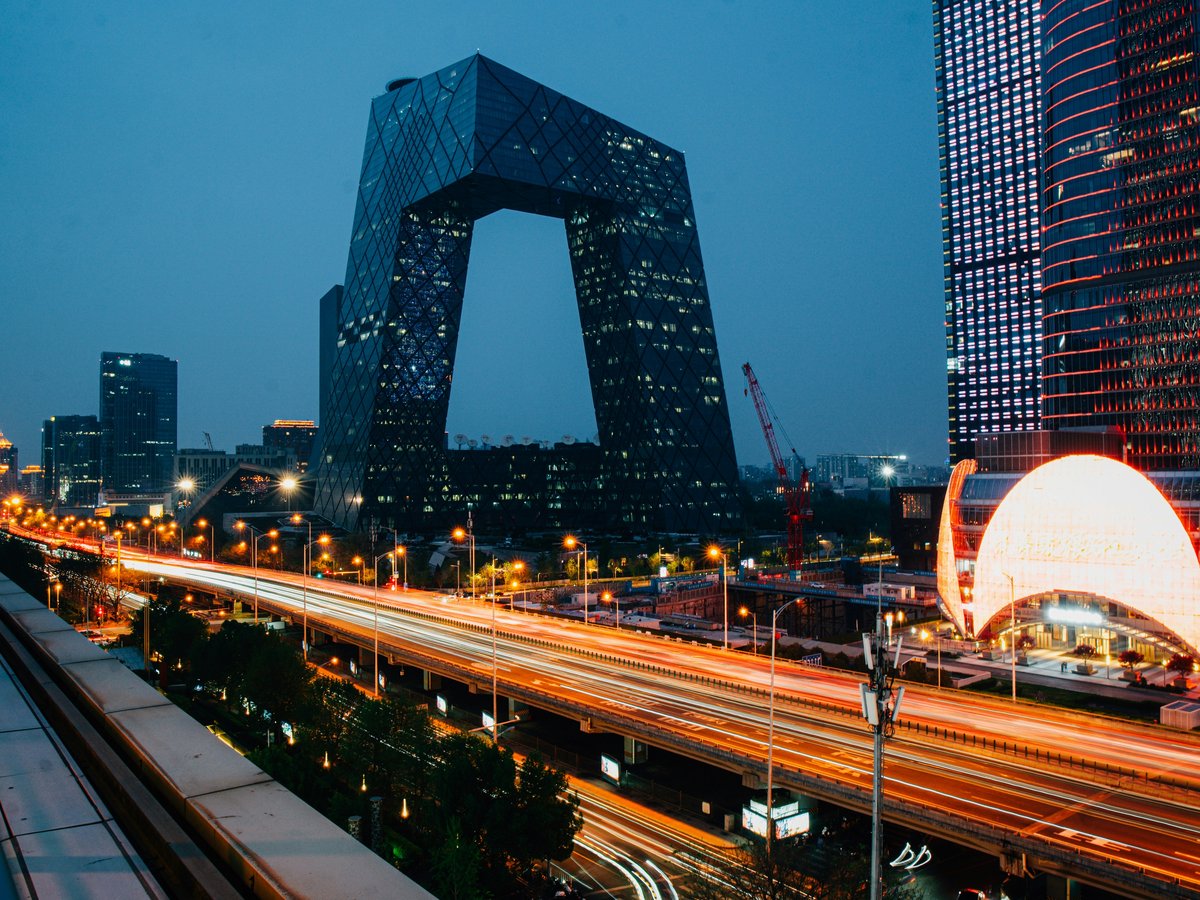
Is Beijing good for digital nomads in 2026?
Beijing scores around 5/10 (sourced from Nomad List), and the rating hinges on one thing. The Great Firewall blocks Google, Slack, GitHub, and WhatsApp without a VPN that drops 2-3 times per hour. Monthly all-in costs about $1,800. China has no digital nomad visa. Most remote workers use 60-day L-visa stamps with one 30-day extension for a 90-day maximum.
Beijing hovers around 5/10 (sourced from Nomad List, nomadlist.com/beijing), and the entire rating hinges on one thing. The Great Firewall blocks Google Workspace, Slack, GitHub, WhatsApp, Notion, and most Western SaaS tools you likely depend on. A commercial VPN helps, but connection drops happen 2-3 times per hour during peak censorship windows, and latency to US servers through a Hong Kong or Tokyo VPN node sits around 180-250ms. Zoom calls stutter. Video meetings with overseas clients work best before 9 AM Beijing time, when domestic traffic is still low and routing seems more stable. Domestic speeds, to be fair, are solid. China Telecom fiber in a Chaoyang apartment delivers 200-500 Mbps to Chinese servers without blinking. Your Figma board, your Jira tickets, your Google Docs all hit the filter first. Some nomads carry Astrill or ExpressVPN subscriptions at $10-13 per month. Others run Shadowsocks on a personal VPS in Tokyo or Singapore for around $5 per month. Neither option is technically legal under Chinese law, though enforcement against foreign visitors has been minimal as of early 2026.
For a month-plus stay, skip Sanlitun. The bar noise on Sanlitun Lu carries past midnight, and 1-bedroom apartments there run 8,000-12,000 CNY ($1,180-1,770) per month. Wudaokou in Haidian district is where long-stay nomads tend to end up. It sits between Peking University and Tsinghua, so the area runs on student economics. A furnished studio near Wudaokou station on Line 13 goes for 4,500-6,500 CNY ($665-960) per month on Ziroom. You'll find 3 supermarkets within a 10-minute walk, Freshippo grocery delivery in 30 minutes, and laundry services on nearly every block at 8-15 CNY per load. The Gulou area near the Drum Tower in Dongcheng has the better cafe scene. Narrow hutong alleys smell of cumin-spiced lamb skewers from sidewalk grills, and new coffee shops have been opening fast since 2022. Mind you, hutong apartments are older, with inconsistent heating in winter when temperatures drop below minus 10°C in January. Wangjing in northeast Chaoyang has newer high-rise buildings, a large Korean community, and 24-hour restaurants along Wangjing West Road.
WeWork operates 4 locations across Chaoyang and Haidian, with hot-desk rates around 2,500 CNY ($370) per month. WeWork's Beijing offices tend to offer better international routing than residential fiber, which matters when your daily tools live on US and European servers. People Squared on Dongzhimen Outer Street charges 1,800 CNY ($265) for a hot desk and stays open until 10 PM. MyDreamPlus near the Guomao CBD runs 2,800 CNY ($413) with private phone booths and standing desks. For cafe working, Metal Hands Coffee in Gulou tolerates laptops for 3-4 hours on a single 28 CNY americano. The hiss of the espresso machine fills the room, and domestic wifi holds around 50-80 Mbps. Voyage Coffee near Liangmaqiao has better power outlet coverage but kicks laptop workers out after 2 PM on weekends. The National Library of China near Purple Bamboo Park in Haidian offers free wifi and quiet reading rooms with no membership needed. Hours run 9 AM to 9 PM, Tuesday through Sunday.
Monthly budget for a single nomad in Beijing runs about $1,800. That breaks to roughly $800 for a Wudaokou studio, $370 for a WeWork hot desk, $400 for food, $80 for metro, $50 for VPN and phone, and $100 for a weekend trip. The food budget assumes a jianbing from a street cart at 8 CNY each morning, canteen lunches at 20-35 CNY, and restaurant dinners 2-3 nights per week at 60-100 CNY per head. The Beijing Subway charges 3-8 CNY per ride on a distance-based system. Cook at home 4 nights a week to stay near that $1,800 figure. The smell of sizzling scallion pancakes from the Haidian night markets at 5 CNY a piece will test that discipline. If you eat out daily and work from WeWork's Guomao location instead of Haidian, expect closer to $2,400. Beijing's cost of living rose about 12% between 2022 and 2025 according to Numbeo, and first-tier Chinese cities are no longer the bargain they were in 2019.
China has no digital nomad visa as of mid-2026. The L (tourist) visa gives 30 or 60 days depending on your passport country, with one 30-day extension at the local Public Security Bureau for 160 CNY. That caps you at 90 days. The expanded transit visa-free policy covers nationals from 54 countries for up to 240 hours, which works for scouting trips but not real stays. For anything beyond 90 days, nomads used to do visa runs to Hong Kong or Seoul. Chinese consulates abroad have been less willing to issue repeat tourist visas since late 2024, so that loop is tightening. The M (business) visa requires an invitation letter from a Chinese company along with a business registration number. Worth noting that remote work on a tourist visa is technically prohibited, but enforcement appears aimed at people taking local jobs rather than foreigners on laptops in Wudaokou cafes. The Beijing PSB Extension Office on Andingmen East Street processes L-visa extensions in 5-7 business days.
Composite of cafe + coworking download speeds and reliability.
Apartment, coworking membership, food, and transit at a comfortable level.
Coworking spaces
- WeWork Chaoyang (hot desk ~2,500 CNY/mo, 4 Beijing locations)
- People Squared (P2) Dongzhimen (hot desk ~1,800 CNY/mo, open until 10 PM)
- MyDreamPlus Guomao (hot desk ~2,800 CNY/mo, phone booths, standing desks)
- Kr Space Zhongguancun
- Nashwork Wangjing
- UR Work Sanlitun
- The Executive Centre CBD
- Regus Financial Street
Visa options
No digital nomad visa exists. The L (tourist) visa gives 30-60 days with one 30-day extension at the PSB for 160 CNY, capping stays at 90 days. The 240-hour transit visa-free policy covers 54 countries but allows 10 days maximum. The M (business) visa requires a Chinese company invitation letter. Remote work on an L visa is technically prohibited, but enforcement targets local employment rather than foreign laptops in cafes.
Last verified by automated review (v1.7.2) on . What is automated review?