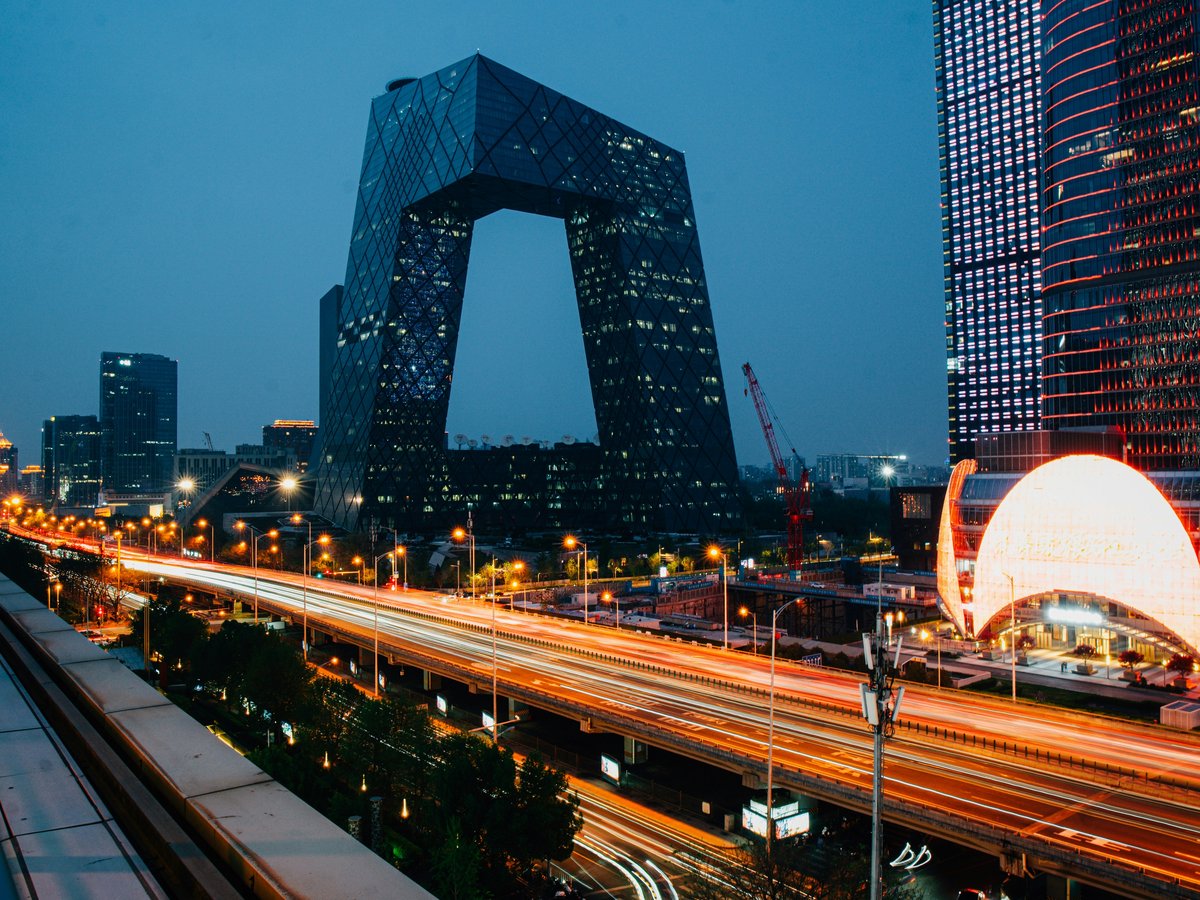
Beijing's nightlife has a personality that tends to catch newcomers off guard. It moves slower than Shanghai's, starts later than Chengdu's, and carries a grittiness that feels earned rather than curated. The city's 21 million residents spread their evenings across hutong alleyways, Chaoyang high-rises, and basement punk venues with roughly equal enthusiasm. Locals still drink baijiu at dinner, but a craft beer and cocktail scene has been building steadily since around 2015. Bars in the Gulou area might close by 1 AM on a Tuesday, while clubs near Workers' Stadium keep going past 5 AM on weekends. The capital's drinking culture currently sits at an interesting crossroads. You'll find 50-something men sharing a bottle of Niulanshan erguotou at a sidewalk table 20 meters from a speakeasy where a 25-year-old bartender is clarifying a milk punch with oolong tea. That contrast is probably Beijing's defining quality after dark. Worth noting, the scene changes fast. Neighborhoods rise and fall in popularity over 2 to 3 year cycles, and a bar that packed 200 people last winter might be a hotpot restaurant by summer.
The Bar Scene, from Hutong Hideaways to Hotel Rooftops
Beijing's cocktail culture grew up in the hutongs of Dongcheng district and has since spread across Chaoyang and beyond. The Gulou and Beiluoguxiang area still holds some of the city's most respected cocktail bars, often tucked behind unmarked doors or down narrow alleys where the smell of lamb skewers from nearby chuan'r stalls drifts through the entrance. Drinks at a decent cocktail spot tend to run 80 to 120 RMB, sometimes more at hotel bars. Bartenders in Beijing seem to favor baijiu infusions and tea-based ingredients, which gives the local cocktail identity a character you won't find in other Asian cities. The dive bar tradition here is real. Wudaoying Hutong and the streets branching off Gulou Dongdajie still have a handful of small, cash-friendly spots where a Yanjing beer goes for 10 to 15 RMB and the furniture looks like it hasn't changed since 2008. These places fill up with a mix of local students, musicians between sets, and the occasional bewildered tourist. The floors are sticky. The bathroom situation is often questionable. Worth it. Rooftop bars are a newer addition, concentrated mostly in Chaoyang's Sanlitun and CBD areas. Hotel properties along Chang'an Avenue and near the Third Ring Road offer views across the low-rise hutong skyline toward the CCTV Tower and the China World Trade Center. Expect to pay 100 to 160 RMB per cocktail at these spots, sometimes with a minimum spend on weekends. That said, the rooftop season is short. Beijing's winters drop to minus 10 Celsius, so the outdoor terraces really only operate from May through October. Natural wine has arrived in Beijing, though the scene is still small compared to Shanghai's. A few dedicated wine bars operate in the Sanlitun and Dongsi areas, pouring bottles from small Chinese producers alongside imports. A glass of natural wine typically costs 60 to 90 RMB. The crowd at these places tends to skew late 20s to early 30s, creative industry types who moved here from other Chinese cities.
Clubs, Cover Charges, and the 2 AM Question
Beijing's club scene has contracted and regrouped several times over the past decade. The old Workers' Stadium (Gongti) strip was the undisputed center of clubbing from the early 2000s through about 2019. The stadium complex went through a major renovation, and while some venues have returned, the energy has shifted. Clubs still cluster along Gongti Bei Lu and the surrounding blocks, but the scene feels more diffuse now, spreading into Sanlitun proper and even some warehouse spaces in the eastern suburbs near Guomao. Electronic music dominates. Techno and house have a dedicated following, and Beijing has been building a reputation in the underground electronic scene since the mid-2010s. Hip-hop nights draw younger crowds, often university students from nearby Haidian district who take the subway in. You might also find reggaeton or Afrobeats nights at certain venues, though these rotate and appear to depend on promoter availability. Dress codes are generally relaxed compared to Shanghai or Hong Kong. Clean streetwear works at most places. A few of the higher-end Gongti clubs lean toward smart casual, but Beijing's crowd has never been particularly fussy about this. Sneakers are fine almost everywhere. Peak hours run late. Most clubs don't fill up until midnight or later, and the real crowd tends to arrive around 1 AM. Weeknight closings might happen at 3 AM, but Friday and Saturday often push to 5 or 6 AM. Cover charges vary widely. Smaller venues might charge nothing or ask for 50 to 80 RMB with a drink included. Larger clubs with international DJs can run 150 to 300 RMB, sometimes more for major bookings. Ladies' night promotions still happen at some Gongti spots, typically on Wednesdays or Thursdays. One thing that catches foreigners off guard is the table-booking culture. At many Beijing clubs, the majority of the floor space consists of reserved tables, each with a minimum bottle spend that might start at 1,000 RMB and climb from there. The dance floor itself can be surprisingly small relative to the venue's total footprint. If you want to dance without buying a table, arrive early enough to claim floor space.
Live Music, from Punk Basements to Jazz Lofts
Beijing has been the center of China's independent music scene since Cui Jian played rock at the Workers' Stadium in the late 1980s. The city's live music infrastructure has survived waves of gentrification, noise complaints, and COVID closures. It still holds together, though the geography has shifted. The Gulou area remains the spiritual home of Beijing's rock and indie scenes. Venues in this neighborhood have historically booked everything from post-punk to experimental noise, and a few have operated for over 15 years through multiple relocations. A typical show starts around 9 PM, with 2 or 3 opening acts before the headliner goes on around 10:30 or 11 PM. Tickets usually run 80 to 150 RMB, sometimes less for local acts on weekday bills. Jazz has a smaller but committed audience. A handful of dedicated jazz clubs operate across Dongcheng and Chaoyang, hosting both local musicians and occasional international acts. Sets tend to start earlier, around 8:30 PM, and the crowd skews older. Expect cover charges of 100 to 200 RMB on weekends, which sometimes includes a drink. Beijing's hip-hop scene has grown considerably since the TV show "The Rap of China" first aired in 2017. Several venues now run dedicated hip-hop open mic and showcase nights, typically on Tuesdays or Wednesdays. The Wudaokou area near Peking University and Tsinghua has historically drawn a younger crowd for these events. Friday and Saturday are the obvious choices for catching live music, but some of the more interesting bookings happen midweek. Thursday tends to be a strong night for local indie acts. The sound quality varies enormously from venue to venue. Some spots have invested in proper systems; others are essentially bars with a PA bolted to the wall. Check recent reviews before committing to a show at an unfamiliar spot. Mandarin-language indie rock and folk have strong followings. Acts might sing in a mix of Mandarin and English, and the lyrical content often carries a political edge you won't hear in mainstream Chinese pop.
Nightlife neighborhoods
-
Sanlitun
Beijing's most international nightlife strip. Neon signage in 4 languages, the smell of grilled meat from Xinjiang restaurants mixing with perfume from the boutique hotels. Loud, crowded, and unapologetic about it.
- Best for
- First-timers, mixed international and local crowds, Thursday through Saturday nights
- Standouts
- The Sanlitun SOHO complex and Taikoo Li South hold the highest density of bars per block. The surrounding hutongs and side streets have smaller, more character-driven spots.
-
Gulou and Nanluoguxiang
Narrow hutong alleys lit by red lanterns and bare bulbs. The bass from a basement venue hums through the stone walls. More locals than tourists after 11 PM, and the bars here tend to close when the last customer leaves rather than at a fixed time.
- Best for
- Live music fans, dive bar regulars, anyone who wants to drink cheap beer and talk to strangers on a Wednesday
- Standouts
- The streets around the Drum Tower (Gulou) have the highest concentration of indie music venues and craft beer spots in the city.
-
Gongti (Workers' Stadium area)
The old guard of Beijing clubbing. The streets smell like cigarette smoke and spilled beer by 1 AM. Bouncers in black, queues of 20-somethings checking their phones, promoters handing out flyers for ladies' nights. Louder and more commercial than the hutong scene.
- Best for
- Clubbers, table-service groups, late-night dancing past 3 AM on weekends
- Standouts
- Most of the large-format clubs sit along Gongti Bei Lu and Gongti Xi Lu. The block between the stadium's north gate and Sanlitun has the densest cluster.
-
Wudaokou
University district energy. Cheap drinks, Korean BBQ joints open until 2 AM, and a younger crowd that peaks around exam-free periods. The bars here are functional rather than stylish, and you'll hear K-pop bleeding out of one door and Chinese hip-hop from the next.
- Best for
- Students, budget nights out, Korean food and soju at 3 AM
- Standouts
- The strip near the Wudaokou subway station (Line 13) has the main concentration of student bars and late-night restaurants.
-
Houhai and Qianhai Lakes
The lakeside bar strip glows with red and yellow lights reflected on the water. Tourist-heavy before 10 PM, but the crowd shifts later. You'll hear live cover bands playing Chinese pop standards and the occasional Oasis song drifting across the lake. Vendors sell candied hawthorn sticks along the path.
- Best for
- Casual evenings, waterside drinks, couples and groups who want scenery over scene
- Standouts
- The bars line the northern and eastern shores of Houhai Lake. The west side of Qianhai is quieter and tends to draw a more local crowd.
-
798 Art District and Jiuxianqiao
Former factory buildings converted into galleries by day, event spaces and warehouse parties by night. The concrete floors and exposed steel beams give everything a raw, industrial feel. The area is quieter on weeknights but hosts occasional large-scale events on weekends, especially during art exhibition openings.
- Best for
- Art crowd, occasional warehouse-style electronic events, weekend gallery openings that turn into parties
- Standouts
- The 798 complex itself hosts periodic nightlife events in gallery spaces. The surrounding Jiuxianqiao area has a few standalone bars and event venues.
Safety after dark
Beijing is generally a safe city after dark, and violent crime against tourists is uncommon. That said, a few patterns are worth knowing. The most common scam targeting foreigners is the "tea ceremony" or "art student" hustle, where a friendly stranger on the street invites you to a nearby establishment, and you end up with a bill of 1,000 RMB or more for a few cups of tea. This happens most often around Wangfujing, Tiananmen, and the tourist end of Nanluoguxiang. If someone approaches you in English and suggests going somewhere together, the safest answer is no.
Drink awareness applies as it would anywhere. Stick to sealed bottles or drinks you watch being poured at reputable bars. The cocktail scene at established venues is trustworthy, but be cautious at unfamiliar spots near tourist areas.
Getting home late at night is straightforward. The Beijing subway shuts down around 11 PM on most lines, which means you'll likely need a taxi or ride-hailing app after that. Didi is the dominant ride-hailing platform and works reliably across the city, even at 4 AM. You'll need a Chinese phone number to register. Regular taxis are metered, and the flag-fall rate is 13 RMB for the first 3 kilometers. Insist on the meter; if the driver refuses, get another cab. Some drivers near Sanlitun at closing time will try to quote a flat fare of 100 RMB for a 40 RMB trip.
Keep your phone charged. WeChat Pay and Alipay are the dominant payment methods at most bars, and some smaller venues don't accept international credit cards at all. A dead phone at 2 AM with no cash is genuinely inconvenient.
Practical tips
- Payment
- WeChat Pay and Alipay dominate. International visitors can now link Visa and Mastercard to both apps, a change that took effect in 2023. Still, carry at least 200 RMB in cash as backup for smaller hutong bars and street food vendors who may not have card readers.
- Tipping
- Tipping is not customary in Beijing and can confuse staff at many venues. At high-end hotel bars and international-style cocktail spots, some bartenders have come to expect small tips from foreign guests, but it remains entirely optional. A few upscale bars include a 10 to 15 percent service charge automatically.
- Cover charges and minimums
- Most bars charge no cover. Clubs range from free entry on slow nights to 150 to 300 RMB for weekend events with notable DJs. Table minimums at Gongti-area clubs often start at 1,000 to 2,000 RMB for a basic table, rising considerably for prime spots. Live music venues typically charge 80 to 200 RMB per show.
- Language
- English is spoken at most Sanlitun bars and international venues, but drops off quickly outside the main nightlife strips. Having a few phrases in Mandarin helps enormously, and showing your destination to a taxi driver in Chinese characters (screenshot from a map app) saves significant confusion. Pleco is still the best translation app for on-the-ground use.
- Smoking
- Beijing passed an indoor smoking ban in 2015, and compliance has improved over the years. Most established bars and clubs follow the rules. Smaller dive bars and hutong spots sometimes still allow smoking indoors, or at least don't enforce the ban strictly. If smoke bothers you, check before settling in for the night.
- Hours and timing
- Most bars open between 6 and 8 PM. Cocktail bars see their first real crowd around 9:30 PM. Clubs rarely have any energy before midnight, and peak hours fall between 1 and 3 AM on weekends. Sunday through Wednesday nights are quiet at most venues, though Thursday has emerged as a popular going-out night for the local creative crowd.
FAQ
What is the legal drinking age in Beijing?
The legal drinking age in China is 18. That said, enforcement at bars and clubs is inconsistent, and it's rare for venues to check ID at the door. Some of the larger Gongti clubs have started asking for identification more regularly in recent years, particularly from younger-looking patrons.
Is Beijing's nightlife safe for solo travelers?
Beijing is one of the safer major cities in Asia for solo nightlife. The main risks are overcharging scams rather than physical danger. Stick to established venues, use Didi rather than unmarked cars for late-night transport, and be wary of strangers who approach you in tourist areas with invitations to bars or tea houses. The hutong bar areas around Gulou feel safe even well past midnight.
How late does Beijing's subway run?
Most Beijing subway lines stop running between 10:30 and 11:00 PM, with the last trains varying by line and direction. Line 1 and Line 2 tend to run slightly later on weekends, but don't count on catching a train after 11 PM. Plan on using Didi or a taxi for any night that extends past 10 PM.
Do I need to speak Mandarin to enjoy Beijing's nightlife?
You can get by without Mandarin at Sanlitun bars, international hotel venues, and the larger clubs. Outside those areas, English fluency drops off quickly. Having your destination written in Chinese characters, a basic translation app, and a few phrases like "yi ping pijiu" (one bottle of beer) and "maidon" (bill please) will cover most situations at local bars.
What do locals typically drink on a night out in Beijing?
Beer remains the most common choice. Yanjing and Tsingtao are the local standbys, typically 10 to 25 RMB at a bar. Craft beer has grown significantly since around 2014, with local breweries producing IPAs and wheat beers that sell for 40 to 60 RMB per glass. Baijiu, the strong grain spirit, appears more at dinner tables than at bars, though baijiu-based cocktails have become a signature of Beijing's cocktail culture. Wine drinking has been rising among younger professionals, and imported whisky, particularly Japanese whisky, has a strong following at the higher-end bars.
When is the best time of year for Beijing nightlife?
Late spring through early autumn, roughly May to October, is the prime season. Rooftop bars open, outdoor terraces fill up, and the hutong alleyways are warm enough for sidewalk drinking. Beijing's winters are cold, often dropping below minus 5 Celsius from December through February, which pushes everything indoors and thins out the crowds. That said, the indoor venues run year-round, and winter weekends at the Gongti clubs still draw solid numbers.
Last verified by automated review (v1.7.2) on . What is automated review?