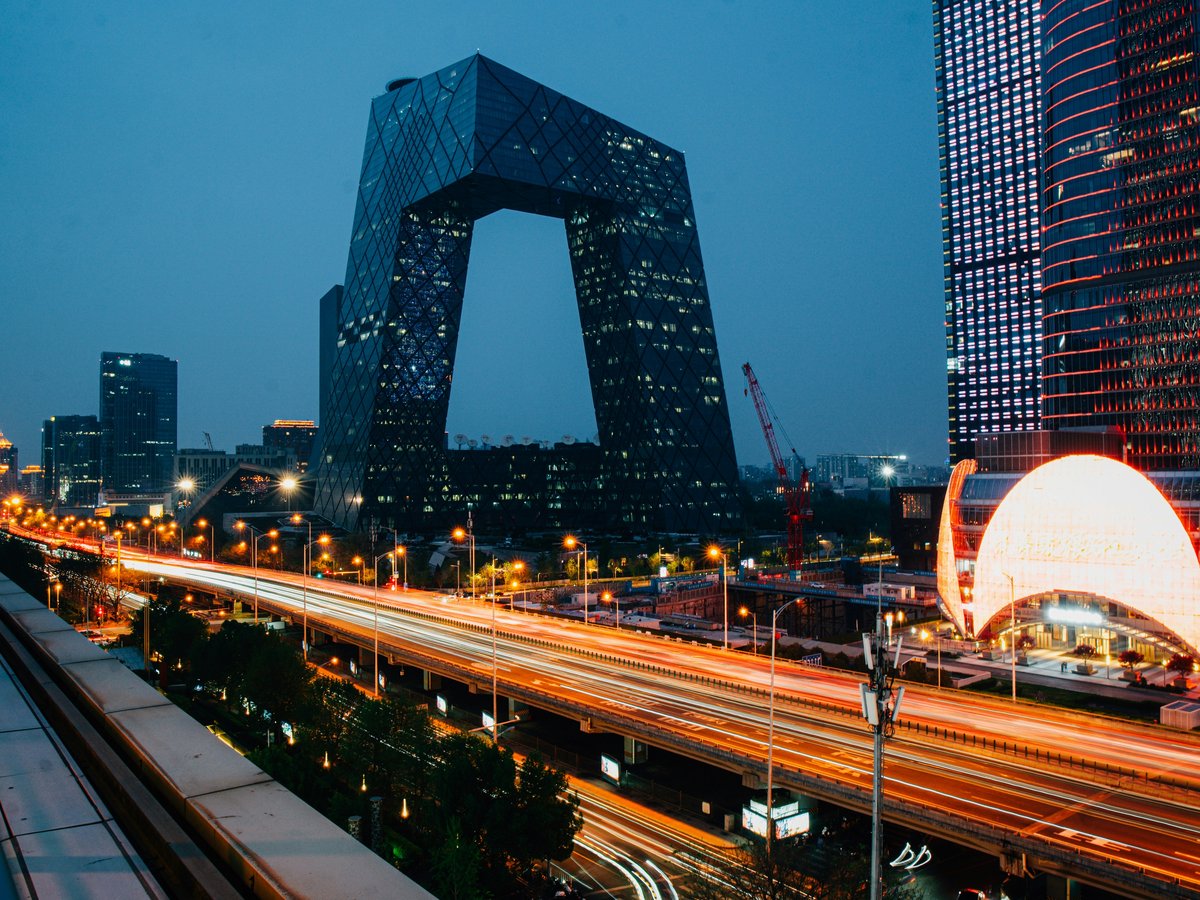
When's the best time to visit Beijing in 2026?
September and October. Beijing's autumn brings dry air, temperatures between 10°C and 25°C, and clear skies over the Forbidden City. Late October turns the Summer Palace ginkgo trees gold. April and May are the second window, with lilacs at Fayuan Temple. Skip July and August, when 35°C heat and sudden monsoon downpours make outdoor sightseeing miserable.
September and October are when Beijing works. The summer humidity drops from 80% to around 50%, daily highs settle between 15°C and 26°C, and the pollution readings at the US Embassy monitoring station tend to be the lowest of the year. You can stand in Tiananmen Square at 8am without sweating through your shirt. The air smells like roasted chestnuts from the cart vendors who appear along Wangfujing starting in late September. At the Summer Palace, the 728-metre Long Corridor fills with photographers chasing the ginkgo trees as they go gold in mid-October. Temple of Heaven Park, built in the 1400s, is at its most photogenic when the cypress-lined approach catches low autumn sun and the morning tai chi crowd thins out by 9am. The trade-off is Golden Week. China's National Day holiday runs October 1-7, and domestic tourism reaches roughly 800 million trips nationwide during that stretch. The Forbidden City limits daily visitors to around 80,000, and tickets sell out weeks ahead. If you can skip that first week, the rest of October is the best stretch of the year.
April and May are the backup window, and some locals will tell you they prefer it. Cherry blossoms peak at Yuyuantan Park around April 5-15. Weekend crowds of 200,000 or more pack the paths. The lilacs at Fayuan Temple, Beijing's oldest Buddhist temple dating to 645 AD, bloom through late April and the scent carries across the courtyard into the surrounding hutong. Daytime temperatures hover around 18-25°C, cool enough that walking the 8-kilometre central axis from the Drum Tower south to the Temple of Heaven feels manageable. Spring does have a downside that the brochures gloss over. Sandstorms blow in from the Gobi Desert, usually 2-4 times between March and May. They turn the sky a gritty yellow and leave a fine dust on everything. You can taste it. Check the PM10 readings on the IQAir app before planning outdoor days. That said, the storms rarely last more than 48 hours, and the days between them are often the clearest Beijing gets.
June through August is when Beijing empties of anyone with a choice. July averages 31°C with humidity above 75%, and the rain arrives in sudden afternoon deluges that flood underpasses within minutes. The Forbidden City, built in 1420, becomes a wet sauna. You will wait 90 minutes in an exposed queue at the Meridian Gate, and by the time you reach the Hall of Supreme Harmony your shirt will be soaked through. Thunderstorms in July and August dump roughly 170mm of rain per month, more than four times what October receives. Air quality deteriorates too. The AQI readings at the US Embassy station frequently cross 150, which is "unhealthy" on the international scale. If summer is your only option, early June is tolerable. The monsoon has not fully arrived, temperatures still sit around 28-30°C, and you get a narrow 2-week window before the real heat settles in.
Winter is a different bet. December through February brings lows of -8°C to -5°C, and the dry Siberian air makes your lips crack within 48 hours of landing. But the Forbidden City under a rare January snowfall is one of the most photographed scenes in China. The Palace Museum's Weibo account posts the announcement and the photos go viral within hours. Hotel rates at the Waldorf Astoria on Jinyu Hutong drop 40-50% from their autumn peak. The Summer Palace's Kunming Lake freezes solid enough for ice skating from late December through February. Mind you, the cold is serious. Expect wind chill around -15°C on the Great Wall at Mutianyu, 70km north of the city centre. Beijing's dry winter also means PM2.5 levels can spike, with readings above 200 on bad days in January. Pack an N95 mask and wear thermal base layers under everything.
For a first visit, book the last two weeks of October or the second week of April. Both windows give you comfortable walking weather, thinner crowds after the holidays clear, and enough daylight to cover two major sites per day. Sunset falls around 5:30pm in October and 6:45pm in April. A 3-day itinerary built around these windows puts the Forbidden City and Jingshan Park on day one, the Temple of Heaven and a hutong walk through Nanluoguxiang on day two, and the Mutianyu section of the Great Wall on day three. Tickets for the Forbidden City run 60 CNY in peak season (April through October), 40 CNY off-peak. That is about 9 USD and 6 USD at current rates. Book 7 days ahead on the Palace Museum's WeChat mini-program. Walk-up tickets have not existed since 2019.
Month-by-month outlook
- Jan Avoid
- Feb Avoid
- Mar Shoulder
- Apr Shoulder
- May Shoulder
- Jun Avoid
- Jul Avoid
- Aug Avoid
- Sep Ideal
- Oct Ideal
- Nov Shoulder
- Dec Avoid
Year-round climate
Averages from the last 5 years.
| Month | Avg high (°C) | Avg low (°C) | Rainfall (mm) |
|---|---|---|---|
| Jan | 2 | -7 | 2 |
| Feb | 6 | -5 | 5 |
| Mar | 15 | 2 | 12 |
| Apr | 22 | 9 | 18 |
| May | 27 | 14 | 40 |
| Jun | 33 | 21 | 69 |
| Jul | 32 | 23 | 260 |
| Aug | 30 | 22 | 174 |
| Sep | 27 | 17 | 63 |
| Oct | 18 | 8 | 40 |
| Nov | 11 | 1 | 16 |
| Dec | 3 | -5 | 4 |
Continental extremes. Winter lows of -8°C with dry Siberian wind, summer highs of 35°C and 75% humidity. Annual rainfall around 570mm, concentrated in July-August at 170mm per month. October averages 8-19°C with 16mm rain. Spring brings 2-4 Gobi sandstorms.
Go deeper into Beijing
Last verified by automated review (v1.7.2) on . What is automated review?