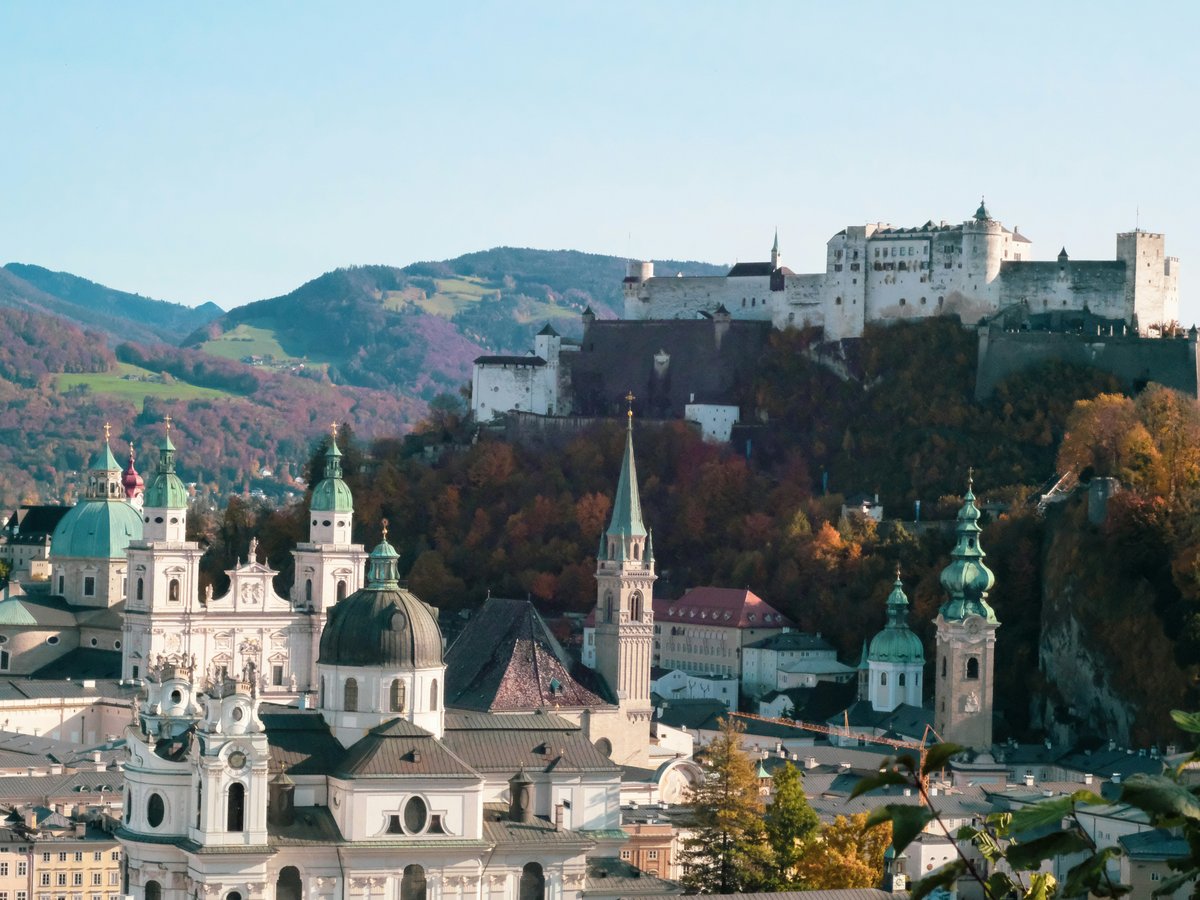
Salzburg for families
Salzburg scores 8.2 out of 10 for families, 39th of the 130 cities TTDI measures. The 3 lists picked for families in Salzburg carry 28 places. Salzburg Cathedral, Bad Reichenhall and Berchtesgaden lead the picks.
Salzburg for families with kids, in numbers
- Score for families
- 8.2 out of 1039th of 130 cities
- Picks on this page
- 28 places across 3 lists, led by Salzburg Cathedral, Bad Reichenhall, Berchtesgaden
Questions families with kids ask about Salzburg
-
Family-friendly
Salzburg scores 8.2/10 for family friendliness (see the TTDI Family-Friendliness Index). The Altstadt is flat, compact, and mostly car-free, so walking with kids under 5 works without exhaustion. A funicular eliminates the Hohensalzburg climb. Strollers handle most sidewalks, though some flagstone lanes give small wheels trouble. Austrian kitchens accommodate picky eaters without fuss.
Read the full answer → -
Is it safe?
Salzburg scores 8.7 out of 10 on TTDI's solo-traveler safety index (see the TTDI Solo-Safety Index). Violent crime against visitors is near zero. The real risks are bicycle collisions on shared paths along the Salzach, pickpocketing near Getreidegasse during July and August festival crowds, and slippery cobblestones after rain. Call 112 for any emergency.
Read the full answer → -
What to pack
Pack walking shoes that grip wet cobblestones. Salzburg's Altstadt is all uneven stone, and the path to Hohensalzburg Fortress climbs 120 meters. Bring layers for 12-27°C summer shifts, a packable rain jacket for afternoon alpine storms, and a Type C/F adapter for 230V outlets. Skip the umbrella and buy one locally for €5.
Read the full answer → -
Getting around
Walk. Salzburg's Altstadt covers barely 800 meters from Getreidegasse to the Cathedral, and your feet handle 90% of a first visit. The Obus trolleybus network fills the gaps for about €2.20 a ride. A 24-hour transit pass runs €6 for trips to Schloss Hellbrunn or Hangar-7. No metro.
Read the full answer → -
Best time to visit
May, June, and September give you Salzburg at its best. Summer temperatures sit around 20-24°C, rain is less frequent than the July-August peak, and the queues at Hohensalzburg Fortress stay under 20 minutes. If the Salzburg Festival matters to you, book late July or August and accept the crowds.
Read the full answer →
Curated for families with kids
-
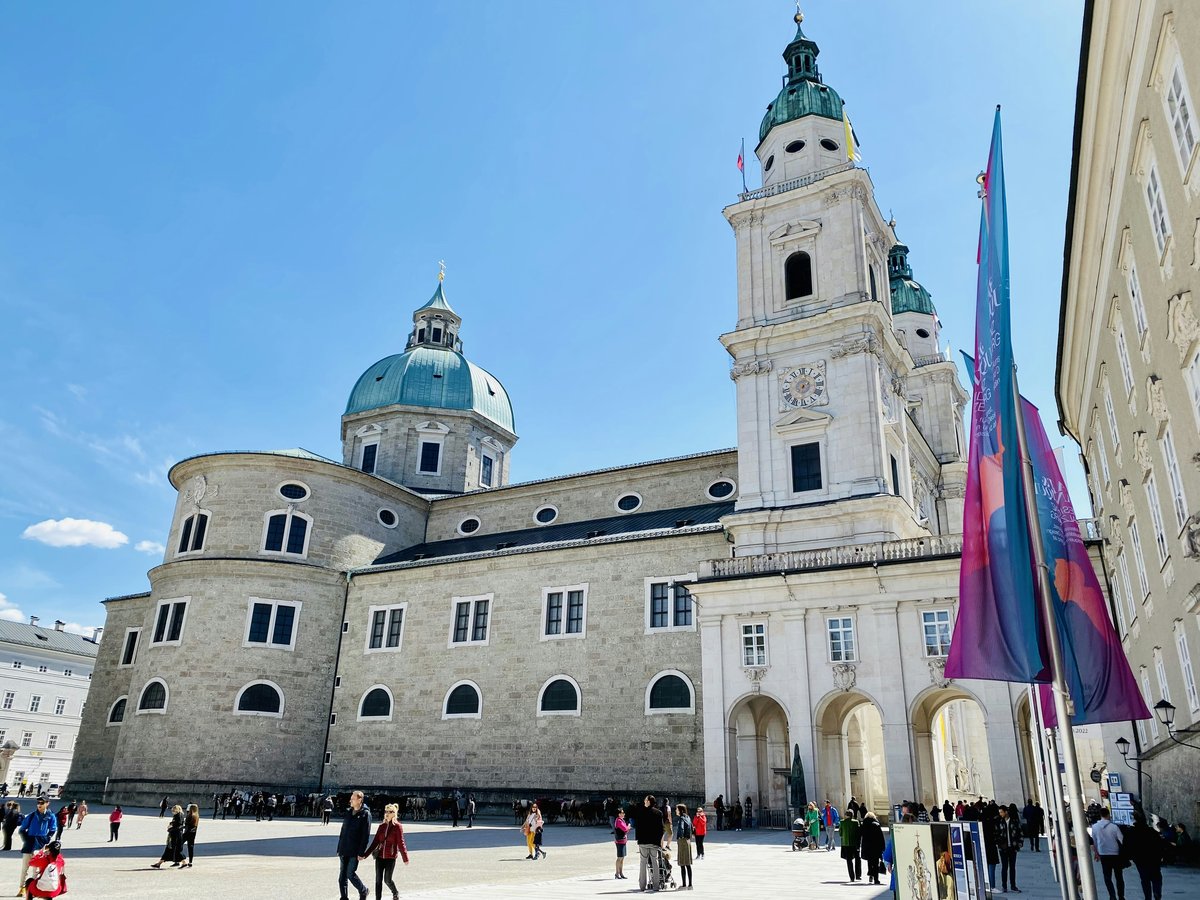
Must-see attractions
Salzburg's must-see list is not a greatest-hits reel of Mozart souvenirs and Sound of Music bus tours: it is a compact geography of churches, opera houses, and Alpine market towns that sit within an easy radius of the old city. What follows is twelve places worth the walk or the short drive: four working churches inside the Altstadt whose interiors reward a slow half-hour rather than a phone-camera pan, two opera houses on Hofstallgasse that between them carry the summer Festspiele, a lakeside palace on the southern edge of town, and a handful of Bavarian market municipalities across the German border that Salzburgers themselves treat as weekend habit. The list is opinionated on purpose. It skips the obvious fortress-and-fudge circuit that every guidebook front-loads, and it treats the cross-border villages (Bad Reichenhall, Berchtesgaden, Marktschellenberg, Bischofswiesen) as part of Salzburg's real hinterland, because on the ground, they are. Bring walking shoes for the Altstadt clusters and a rail or bus ticket for the Bavarian half. Every address, every coordinate, every website below is cited to a verified source; the opinions are ours.
See the picks → -
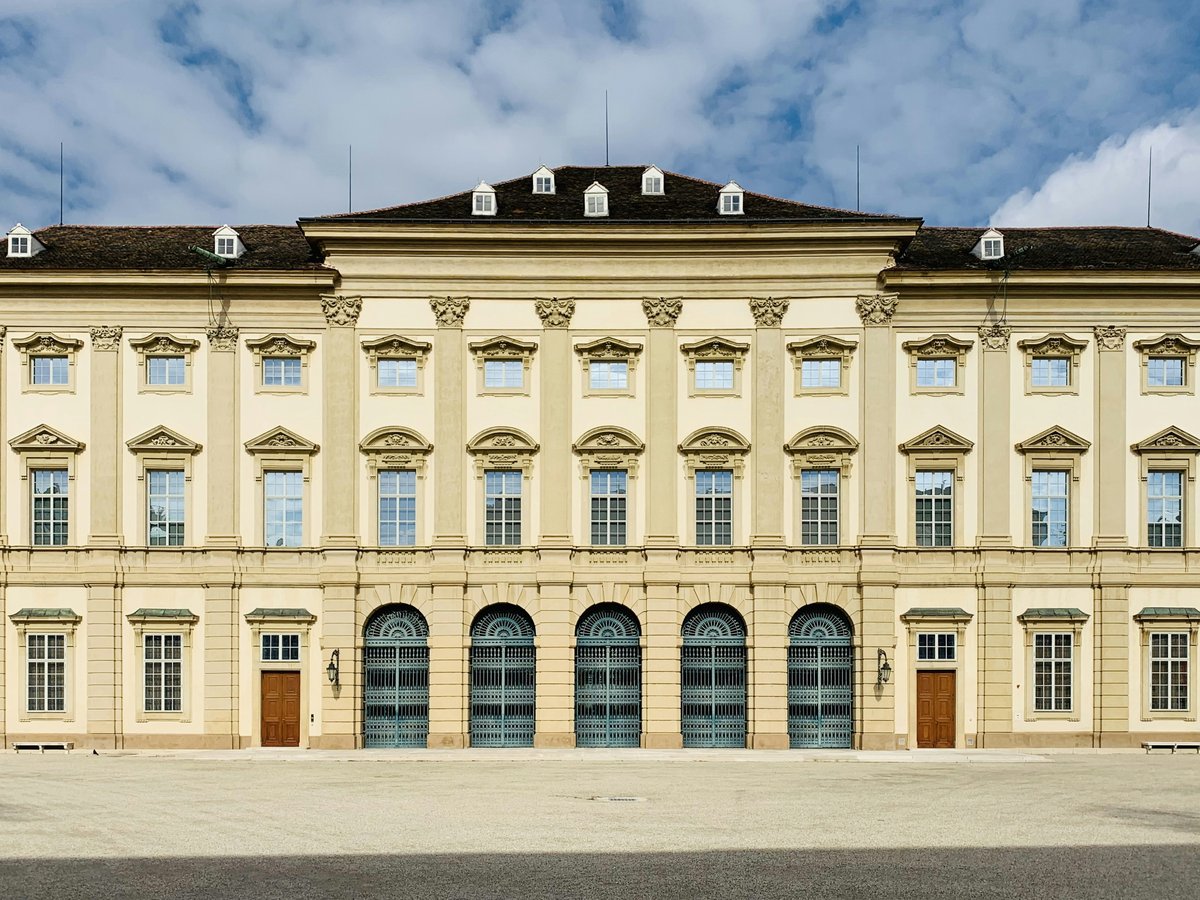
Best free attractions
Salzburg's free hours are its best hours. The old city is compact enough that a morning on foot takes you across three of its four great squares without a ticket, a queue, or a guide waving a numbered paddle. What follows is not a checklist of things to tick off: it is four public spaces, all inside the old-city grid, that reward the walker willing to slow down and read the ground under their feet. Two are squares in the historic centre, one is a garden across the river, and one is a market street that has been a market street for longer than living memory. Skip the paid rooftop terraces and the ticketed viewing platforms; the city gives you plenty for nothing if you know where to look. These are for the traveller who would rather stand in a working square with a coffee than sit behind glass, and who understands that in Salzburg the free things are not the consolation prize: they are the point.
See the picks → -
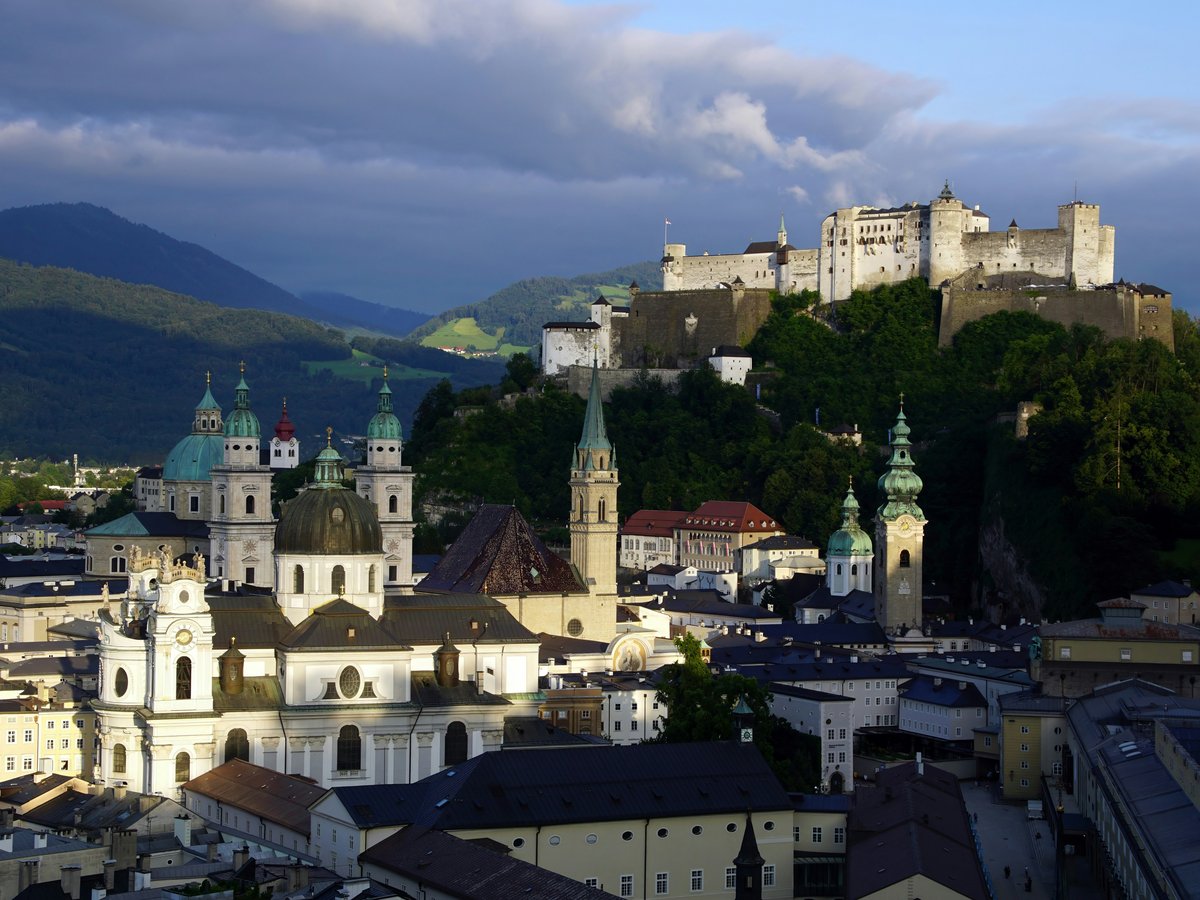
Best museums
Salzburg's museum map is unusually compressed: a fortress on one hill, a modern-art house on another, a working residence in the middle, and the Mozart machinery threaded through the streets in between. Most of what matters sits inside a walkable core, which is both the appeal and the trap: visitors who only chase the Mozart-branded doors miss the quieter rooms where the city shows its hand. The list below reads Salzburg as a stack: the fortress and the archbishops' residence for the power layer, the two Mozart houses for the biography that pays the bills, the Museum der Moderne and the Zweig Centre for the twentieth-century argument that the city keeps trying to have with itself, and Hangar-7 and the Locomotive World on the edges for the industrial pilgrimage crowd. These twelve are ranked, but the ranking is a reading order, not a verdict: the fortress is unavoidable, the Bachschmiede is not, and both are here on purpose.
See the picks →