Buenos Aires is one of those cities where money matters less than curiosity. The sidewalks alone could keep you busy for days — crumbling art deco facades giving way to massive murals, corner cafés spilling tango music onto the pavement, weekend markets that feel more like neighborhood parties than commercial ventures. The porteño culture tends to develop in public spaces: plazas, parks, pedestrian streets. People gather outside here. They sit in parks until midnight, they dance in the street, they argue about football on benches. That public-facing life means a huge share of what makes Buenos Aires compelling is already free. The city currently has more than fifty museums, and a surprising number of them charge nothing at all — or open their doors for free on specific days. Parks stretch along the riverfront for kilometers. Street art blankets entire neighborhoods. And the cultural calendar stays packed with free concerts, film screenings, and gallery openings year-round. You could spend two weeks here without paying a single entrance fee and still feel like you barely scratched the surface.
Free attractions
-
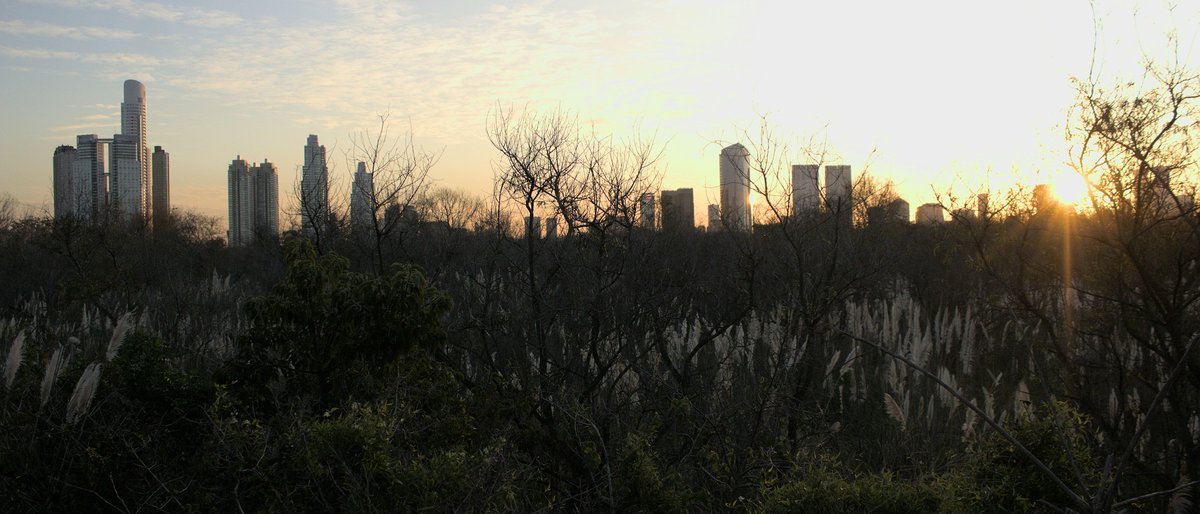
Reserva Ecológica Costanera Sur
A 350-hectare nature reserve right on the riverfront, built on reclaimed land from a failed 1970s construction project. Walking trails wind through grasslands, lagoons, and dense vegetation — you'll hear birdsong that seems impossible this close to downtown. The sunset views over the Río de la Plata from the eastern paths are striking. Bring water, because there's almost no shade in the open stretches.
Puerto MaderoNature reserve -
Cementerio de la Recoleta
Yes, a cemetery. But calling Recoleta a cemetery is like calling the Louvre a building. Narrow marble corridors lined with ornate mausoleums — presidents, Nobel laureates, Eva Perón. The architecture ranges from neoclassical to art nouveau to outright bizarre. It has been free to enter for as long as anyone can remember, and it still draws locals just wandering through on a Sunday afternoon.
RecoletaHistoric landmark -
Museo Nacional de Bellas Artes
Argentina's premier fine art museum, and it costs nothing. The permanent collection includes Rodin, Monet, Renoir, and a deep bench of Argentine masters — strong on early 20th century works. The building itself, a former water pumping station, has a certain industrial grandeur. Currently houses over 12,000 works across 24 exhibition halls.
RecoletaMuseum -
Parque Tres de Febrero (Bosques de Palermo)
The green heart of the city. Rose garden, Japanese garden perimeter walks, lakes with rental boats (though the boats cost pesos — the walking is free). On weekends the paths fill with runners, mate-sipping families, and occasional drum circles near the monument to Sarmiento. The rose garden alone contains over 18,000 plants and is at its peak from October through December.
PalermoPark -
Plaza de Mayo
The political center of the country since 1580. The Casa Rosada faces the square, the Cabildo sits on the west side, and the Metropolitan Cathedral anchors the north. The Madres de Plaza de Mayo still march here on Thursdays. You can feel the weight of history in this place — it tends to hit you differently than most public squares.
MonserratHistoric plaza -
Museo de Arte Moderno de Buenos Aires (MAMBA)
Free admission on Tuesdays, and generally affordable the rest of the week. The permanent collection focuses on Argentine contemporary art from the 1940s onward, with rotating exhibitions that lean experimental. The building in San Telmo was once a tobacco factory — the raw concrete interior suits the work well.
San TelmoMuseum -
Planetario Galileo Galilei
The grounds and exterior of this 1960s-era planetarium in Palermo are free to explore, and the surrounding park is a favorite spot for afternoon walks. The interior shows carry a small fee, but the building's retro-futuristic architecture and the reflecting pool in front are worth the visit on their own. The area around it fills with families on weekends.
PalermoLandmark -
Parque Lezama
Often considered the site where Buenos Aires was first founded. Mature trees, steep hillsides, a Russian Orthodox church with blue onion domes visible from the park's upper paths. On Sundays the surrounding streets host part of the San Telmo market overflow. The park itself has a quiet, slightly melancholic character compared to Palermo's more manicured green spaces.
San TelmoPark -
Museo Histórico Nacional
Free admission. Located inside Parque Lezama, this museum covers Argentine history from pre-Columbian times through independence and the formation of the modern state. The collection includes period furniture, military artifacts, and paintings documenting the May Revolution. The building is a converted 19th century mansion with its own faded elegance.
San TelmoMuseum -
El Ateneo Grand Splendid
A 1920s theater converted into a bookstore, and likely the most beautiful bookshop you will ever walk into. The original ceiling frescoes, stage curtains, and theater boxes remain intact. You can sit in the old stage area — now a café — and just look up. No charge to enter and browse. The acoustics still carry whispers across the room.
RecoletaCultural landmark -
Caminito
The famous open-air street museum in La Boca. The painted corrugated-metal houses, tango dancers performing for tips, and local artists selling work along the pedestrian street. It is touristy — there is no pretending otherwise — but the colors and energy are real, and the surrounding neighborhood has a rough authenticity that the postcard version misses. Stick to the main tourist area if you are unfamiliar with the zone.
La BocaOpen-air museum -
Floralis Genérica
A giant metal flower sculpture near the Museo de Bellas Artes that opens and closes with the sun — or at least it is designed to, though the mechanism has been temperamental over the years. Currently stands about 23 meters tall. The reflecting pool surrounding it catches the light in the late afternoon. It was a gift from Argentine architect Eduardo Catalano to the city.
RecoletaPublic art
Free activities
-
San Telmo Sunday Market browsing
Every Sunday, Calle Defensa transforms into a large street market stretching roughly from Plaza de Mayo down to Parque Lezama. Antiques, vinyl records, leather goods, mate cups, vintage clothing. The browsing costs nothing, and the street performers — tango dancers, folk musicians, living statues — make the walk worthwhile even if you buy nothing. Arrive before noon to beat the heaviest crowds. The side streets off Defensa often have quieter stalls with better finds.
San TelmoMarket -
Street art walk through Palermo Soho and Villa Crespo
No guide needed, honestly. Just start walking the blocks around Plaza Serrano and let the walls lead you. Palermo Soho has the most concentrated and polished murals — entire building facades covered in work by artists like Martín Ron and Alfredo Segatori. Wander north into Villa Crespo for rawer, less curated pieces. The murals change frequently, so even repeat visits turn up something new.
Palermo / Villa CrespoWalking route -
Walk the Costanera Sur riverfront
The pedestrian path along the Costanera Sur stretches for several kilometers south from Puerto Madero. On one side you have the nature reserve, on the other the old port infrastructure slowly being reclaimed by restaurants and cultural spaces. The path is popular with joggers in the early morning and families in the late afternoon. The smell of grilling meat from the parillas along the way is its own form of torture if you are on a strict budget.
Puerto Madero / CostaneraWalking route -
Feria de Mataderos
A weekend fair in the Mataderos neighborhood — further out than most tourists venture, which is part of the appeal. Folk music, gaucho demonstrations, regional food stalls, and traditional crafts. It feels more like a rural Argentine festival than anything you would expect to find inside city limits. The folk dancing here tends to be spontaneous and participatory. Runs on Sundays, typically from March through December. Check locally as it sometimes pauses in winter months.
MataderosCultural fair -
Museo de Arte Latinoamericano de Buenos Aires (MALBA) free Wednesdays
MALBA is normally a paid museum, but it currently offers free admission on Wednesday evenings. The collection covers Latin American art from the early 20th century onward — Frida Kahlo, Diego Rivera, Xul Solar, Antonio Berni. The building itself is a clean geometric design that photographs well. Wednesday evenings get busy, so arriving early in the free window helps. Worth confirming the current free-day policy before your visit, as these things shift.
PalermoMuseum (free certain days) -
Explore the Barrancas de Belgrano
A hilly park in Belgrano with old trees and sloping paths — less crowded than Palermo's parks and with a character that feels more like a neighborhood secret. The weekend feria nearby has crafts and food. Tango dancers sometimes practice in the round bandstand on weekend afternoons. The surrounding neighborhood has beautiful residential architecture if you keep walking past the park.
BelgranoPark / walking -
La Bombonera exterior and surrounding streets
The home of Boca Juniors sits in a working-class neighborhood that lives and breathes football. You cannot enter the stadium for free on match days, but walking around La Bombonera, seeing the murals of Maradona and other legends on surrounding buildings, and soaking up the atmosphere of the neighborhood is a memorable experience. The passion here is palpable even on quiet weekday afternoons.
La BocaSports / cultural walk -
Puente de la Mujer and Puerto Madero waterfront walk
The Santiago Calatrava-designed rotating footbridge is free to cross, and the surrounding Puerto Madero docks — converted from old grain ports into a modern waterfront — are pleasant for an evening walk. The contrast between the old red-brick port buildings and the glass towers behind them is striking. Mind you, the restaurants along here tend to be pricey, but the walking and the views cost nothing.
Puerto MaderoWalking route
Free events
-
La Noche de los Museos (Museum Night)
Annually, usually one Saturday in NovemberOnce a year, typically in November, over 200 museums, galleries, and cultural spaces across Buenos Aires open their doors for free from evening until the early morning hours. Free buses connect the major venues. The atmosphere is part cultural marathon, part street party. Lines at the biggest museums get long, so the smaller galleries often turn out to be the better experience. The city government website posts the confirmed date and venue list a few weeks in advance.
Citywide — over 200 venues -
Gallery openings in Palermo and San Telmo
Year-round, typically Thursday and Friday eveningsBuenos Aires has a thriving gallery scene, and openings are almost always free with wine included. Palermo Hollywood and San Telmo have the highest concentration. Galleries like Ruth Benzacar, Barro, and Isla Flotante regularly host vernissages that double as social events. Check ArteBA listings or individual gallery Instagram accounts for current schedules. Thursday and Friday evenings seem to be the most common opening nights.
Palermo Hollywood, San Telmo, and Retiro gallery districts -
Free concerts at the Centro Cultural Kirchner (CCK)
Year-round, multiple events weeklyThe CCK — housed in the massive former central post office building — hosts free concerts, exhibitions, and cultural programming regularly. The Ballena Azul concert hall inside is acoustically impressive and hosts orchestral performances, jazz, and contemporary music. The building alone is worth entering for the architecture — the main hall atrium stretches several stories. Programming schedules shift, so check the CCK website closer to your visit.
Centro Cultural Kirchner, Sarmiento 151, Monserrat -
Milongas in public plazas
Weekends, typically Saturday and Sunday evenings; some also on weekday eveningsTango milongas happen outdoors in various plazas, in San Telmo and near the Barrancas de Belgrano. The Glorieta de Belgrano hosts regular outdoor milongas on weekend evenings where experienced dancers share the floor with beginners. No charge. The etiquette of the milonga still applies — watch for a round or two before jumping in, and the cabeceo (invitation by eye contact) is the norm.
Glorieta de Belgrano, Plaza Dorrego (San Telmo), and other plazas -
Carnaval Porteño
Weekends in February (dates vary annually)Buenos Aires has its own carnival celebrations in February, and they are free to watch. The murgas — neighborhood percussion and dance troupes — rehearse in parks and perform in the streets on carnival weekends. Each barrio has its own murga with distinctive costumes and rhythms. The energy and noise are considerable. The main corso (parade route) locations rotate by neighborhood and are published by the city government each year.
Various neighborhoods — corsos announced yearly by city government -
Buenos Aires Jazz Festival
Annually, typically November (dates vary)A multi-day jazz festival that has been running for over a decade, with free outdoor concerts in plazas and parks alongside ticketed indoor shows. The quality of performers has been consistently strong, drawing both Argentine and international acts. Usually takes place over several days in November, though the exact dates shift. The free outdoor stages tend to fill up, so arriving early for headlining acts is wise.
Various venues citywide, free stages in plazas -
Free tango shows in San Telmo on Sundays
Sundays, typically from late morning through afternoonOn Sunday afternoons, Plaza Dorrego in San Telmo hosts informal tango performances alongside the market. Dancers perform on the cobblestones while someone plays bandoneón nearby. It is not a polished stage show — it is better than that. The dancing is real, the musicians are local, and the whole thing has a spontaneity that choreographed dinner-show tango cannot replicate. Tips appreciated but not required.
Plaza Dorrego, San Telmo
Where to sit and do nothing (and why that matters here)
One of the things Buenos Aires does better than almost any other city is public sitting. That sounds trivial, but it is not. The plaza culture here means that every neighborhood has at least one square with benches, shade trees, and a steady flow of human activity. Plaza Francia in Recoleta fills with artisan vendors and musicians on weekends. Plaza Serrano in Palermo Soho draws a younger crowd and has a cafe-terrace energy even if you are just sitting on a bench with your own mate. The benches along Avenida de Mayo, between Plaza de Mayo and Congreso, offer front-row seats to some of the city's finest Beaux-Arts architecture. Porteños treat sitting in a plaza the way other cultures treat going to a bar — it is a social activity, not a sign of having nothing to do. Bring a thermos of hot water and some yerba mate, and you are doing exactly what the locals do. The warmth of the metal mate cup in your hands, the bitter green taste, the sound of kids kicking a ball across stone — this is the texture of daily life here.
Free walking routes worth planning around
Three walks in particular reward the effort of planning your route. First: the Avenida de Mayo corridor, from Plaza de Mayo to the Palacio del Congreso. This stretch is roughly 1.5 kilometers of continuous architectural grandeur — the Barolo Palace with its Dante-inspired tower, Café Tortoni's worn marble exterior, the Hotel Castelar where Lorca once stayed. Second: the San Telmo to La Boca walk. Start at Plaza Dorrego, head south on Defensa, cut through Parque Lezama, and continue into La Boca toward Caminito. The neighborhood character shifts block by block — antique shops give way to working-class storefronts, then the corrugated-metal houses appear in their loud paint colors. Third: the Palermo parks circuit. Start at the Rosedal, loop around the lake, pass through the Jardín Japonés perimeter (the interior has a small fee), continue to the Planetario, and wind up at the Bosques de Palermo. Each walk takes roughly two to three hours at a comfortable pace with stops. Early morning or late afternoon light is best — the midday sun in Buenos Aires summer can be brutal.
Eating well on a tight budget (not free, but close)
This is not strictly about free things, but it connects to the zero-budget spirit. Buenos Aires currently has some of the best value street food of any major capital. Empanadas from a proper neighborhood spot run a few hundred pesos each — you can eat well on a handful of them. Pizza al paso (standing pizza) at places like Güerrín or El Cuartito costs very little by international standards, and the fugazzeta (onion and cheese) alone is worth the trip. Medialunas — the Argentine croissant, slightly sweet, warm from the oven — come cheap at any corner panadería. If you are staying somewhere with kitchen access, the Feria de Belgrano and other neighborhood ferias sell produce at prices that make supermarkets look like robbery. The quality of Argentine beef, even from modest cuts at the carnicería, tends to surprise visitors. Budget around modest amounts for daily food and you will eat better than you might expect.
Navigating the city for free or nearly free
Buenos Aires public transport is currently very affordable by global standards, and the SUBE card system covers buses, subte (subway), and commuter trains. The cost per ride has been low enough that transportation rarely dents even the tightest budget. The subte itself is worth experiencing for the old Line A stations — the wooden cars were retired, but the tile work in stations like Perú, Piedras, and Lima dates to 1913 and still has its original art nouveau detailing. Walking remains the best way to experience most neighborhoods. The city is flat except for a few spots in Belgrano and Parque Lezama, so distances that look far on a map often feel manageable on foot. Bike lanes have expanded considerably, and the city's public bike share system, Ecobici, has been free to use with registration — though availability of bikes can be hit-or-miss during peak hours.
FAQ
Are Buenos Aires museums actually free, or is that outdated information?
Several national museums in Buenos Aires are permanently free, including the Museo Nacional de Bellas Artes and the Museo Histórico Nacional. Others, like MALBA, offer free admission on specific days — currently Wednesdays for MALBA, though these policies do change. The city also runs La Noche de los Museos once a year, opening hundreds of spaces for free. It is worth checking individual museum websites before visiting, as free-day schedules have shifted in recent years. That said, even paid museum admission in Buenos Aires tends to be quite affordable compared to European or North American equivalents.
Is it safe to walk around Buenos Aires freely?
Most tourist-frequented neighborhoods — Recoleta, Palermo, San Telmo (during the day), Belgrano, Puerto Madero — are generally safe for walking. Standard city precautions apply: keep your phone in your pocket rather than waving it around, be aware of your surroundings in crowded market situations, and avoid displaying expensive jewelry or gear. La Boca should be visited during daylight and you are better off sticking to the Caminito tourist zone rather than wandering deep into residential blocks you do not know. At night, well-lit main avenues feel safe, but quiet side streets in any neighborhood warrant the usual urban alertness. The city has a pickpocket presence in tourist areas, but violent crime targeting visitors is relatively uncommon in the central barrios.
What is the best time of year to enjoy free outdoor activities in Buenos Aires?
Buenos Aires sits in the Southern Hemisphere, so seasons are reversed from North America and Europe. The sweet spot for outdoor activities is likely March through May (autumn) and September through November (spring). Summer — December through February — can be hot and humid, which makes long walking tours uncomfortable during midday hours, though it is carnival season and the parks stay lively well into the evening. Winter (June to August) is mild compared to many cities, with temperatures rarely dropping below 5°C, but some outdoor markets and events scale back. The jacaranda trees bloom purple across the city in November, which is a visual experience in itself.
Do I need to tip street performers and tango dancers?
Tipping street performers is appreciated but not strictly obligatory. If you stop to watch a full tango performance in San Telmo or a musician's set on Calle Florida, dropping some bills is the decent thing to do — these are working artists. A few hundred pesos is a reasonable gesture. For the large outdoor milongas and public concerts, no tip is expected since these are community or government-sponsored events. Use your judgment: if someone performs directly for you or a small group, a tip is appropriate. If you are watching a large public event with hundreds of others, you are fine just enjoying it.
Can I visit the Casa Rosada for free?
The Casa Rosada — Argentina's presidential palace on Plaza de Mayo — offers free guided tours on weekends and holidays, though you typically need to register in advance through the official website. The tours take you through the ceremonial halls and the famous balcony. On weekdays the building is in active government use, so access is restricted. Even without entering, the exterior and the plaza in front of it are worth spending time around, if you catch one of the frequent political demonstrations or gatherings that seem to materialize here on a weekly basis.
Is the Buenos Aires Ecobici bike share system really free?
Ecobici has been free to register and use for trips under a certain duration — currently around 30 minutes per trip, after which you dock and can take another bike. You need to sign up through the BA Ecobici app or website, which requires an ID number. The system works reasonably well in central neighborhoods where docking stations are plentiful, but availability gets spotty in outer barrios and during rush hours. Bikes are basic but functional. It is a solid option for connecting neighborhoods that are a bit too far to walk comfortably, like getting from Palermo to Recoleta or San Telmo to Puerto Madero.
Last verified by automated review (v1.7.1) on May 26, 2026. What is automated review?