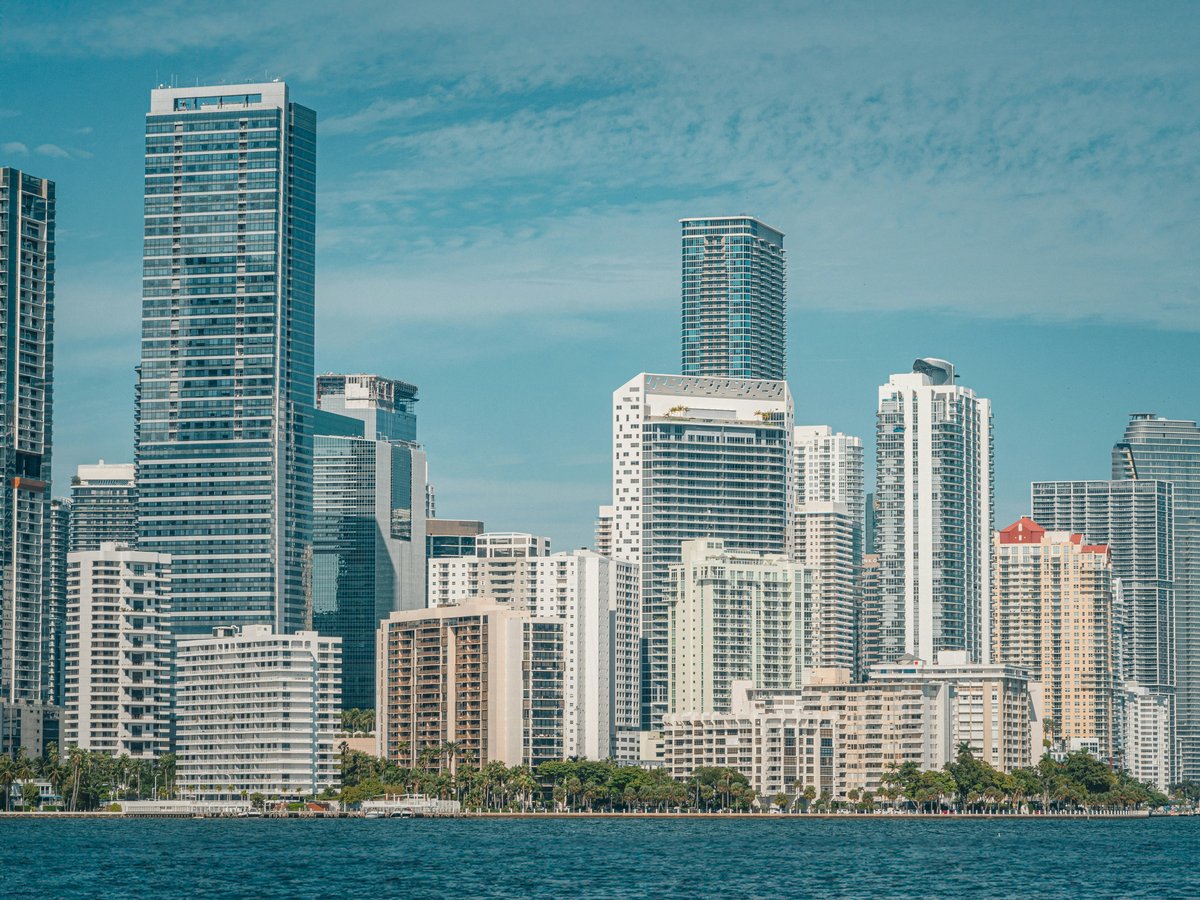
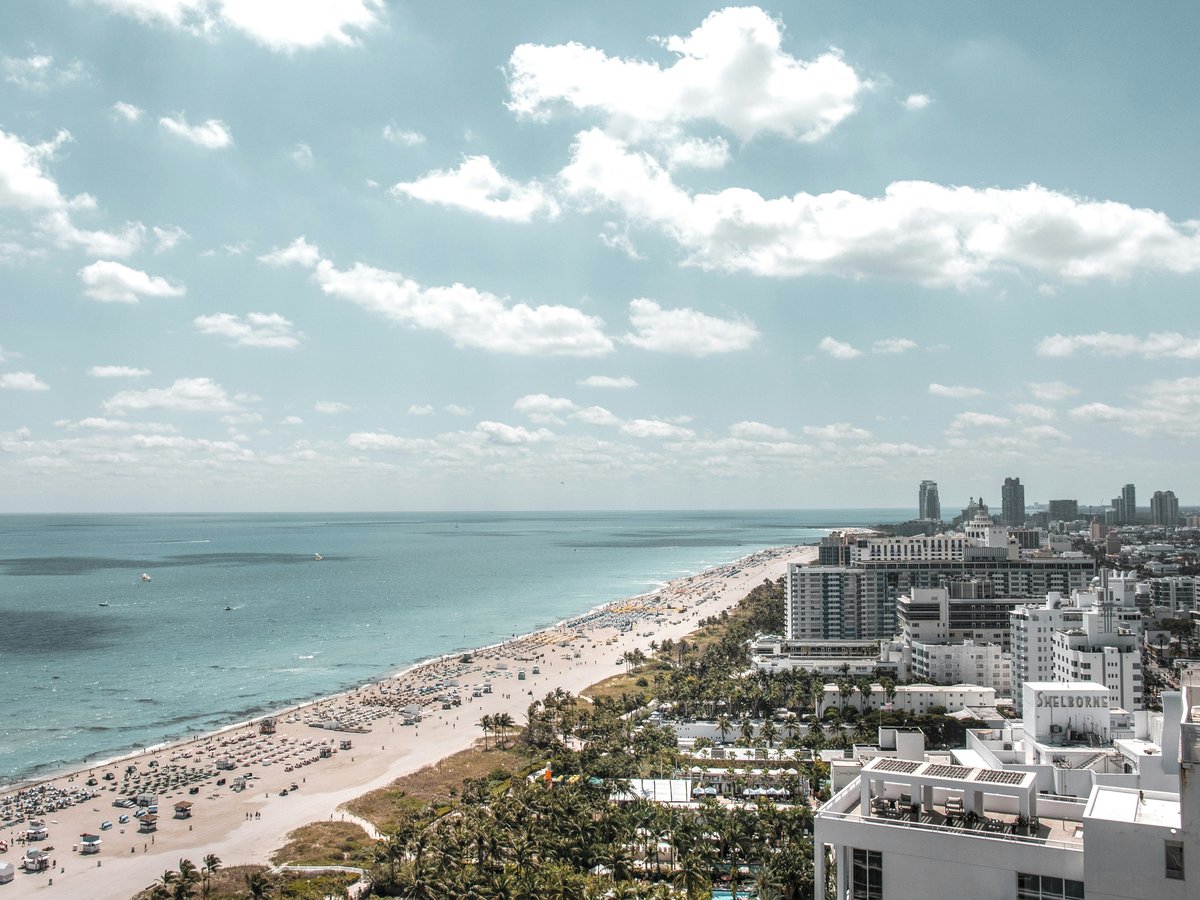
Miami sits on the southeastern tip of Florida, built on a limestone ridge between the Everglades and Biscayne Bay, a city where the Atlantic trade winds keep the air moving even in August and the water stays warm enough to swim year-round. Founded as a city in 1896, making it younger than most American metropolises, Miami grew not from industry or railroads alone but from the peculiar convergence of Henry Flagler's railroad, a devastating freeze that killed citrus groves further north, and the steady arrival of Caribbean and Latin American communities that would reshape its identity entirely. Today, with roughly 442,000 residents in the city proper, Miami operates in two languages whether official policy acknowledges it or not; you will hear Spanish in Hialeah and Little Havana as naturally as English in Brickell or Coconut Grove. A first visit tends to organize itself around water and light. Mornings belong to South Beach, where the Art Deco Historic District lines Ocean Drive and Collins Avenue with pastel facades designed in the 1920s and 30s, restored after decades of neglect in the late twentieth century. By midday the draw shifts to Wynwood, a former warehouse district north of downtown where outdoor murals cover entire building walls and the galleries stay open late. Afternoons in Coral Gables feel like a different city entirely, its Mediterranean Revival architecture and banyan-canopied streets planned by George Merrick in the 1920s as a deliberate contrast to Miami's rawer development. The food reflects the population: Cuban ventanitas serve cortadito and croquetas from walk-up windows, Haitian restaurants line NE Second Avenue in Little Haiti, and fresh seafood comes off boats at the Miami River docks. The climate is subtropical and honest about it (summers are hot and wet, winters mild and dry) and the city does not pretend otherwise.
Miami in photos
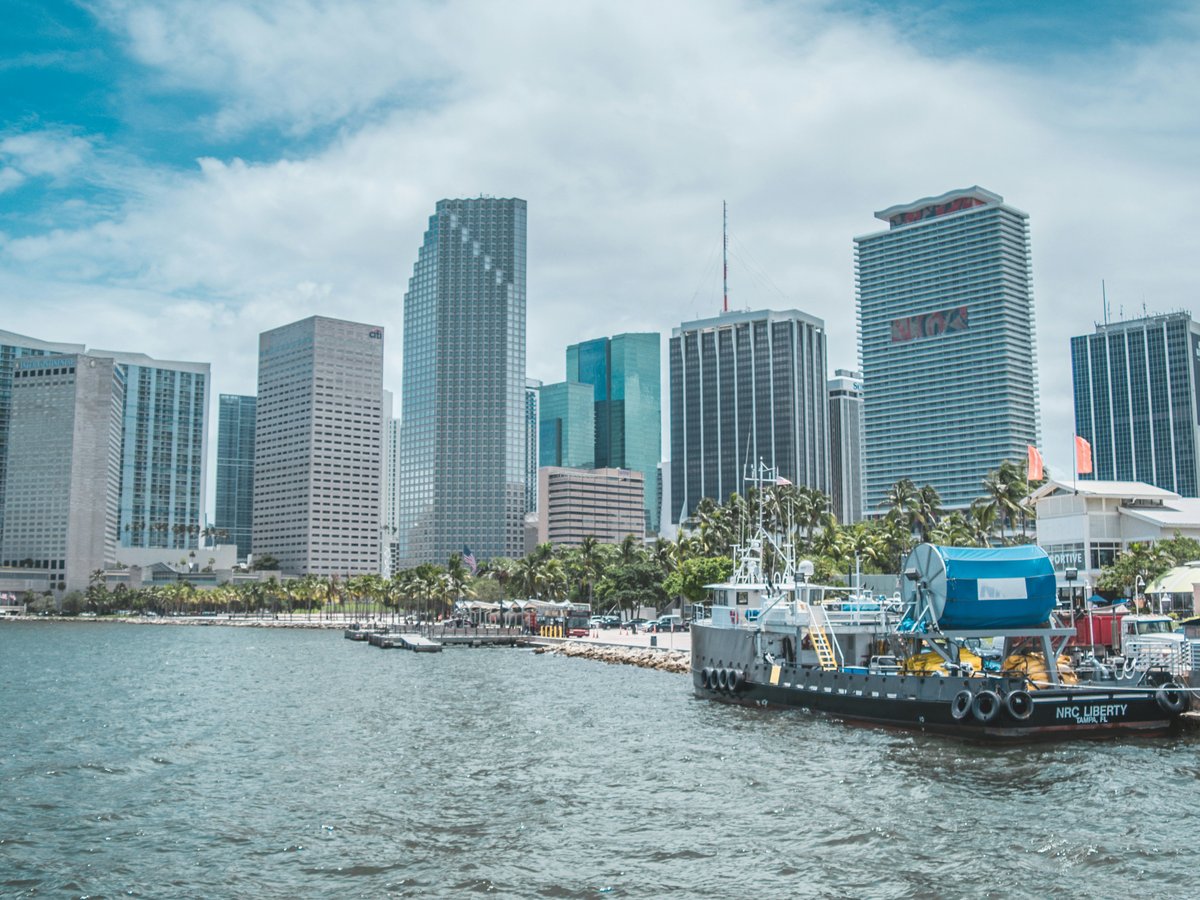
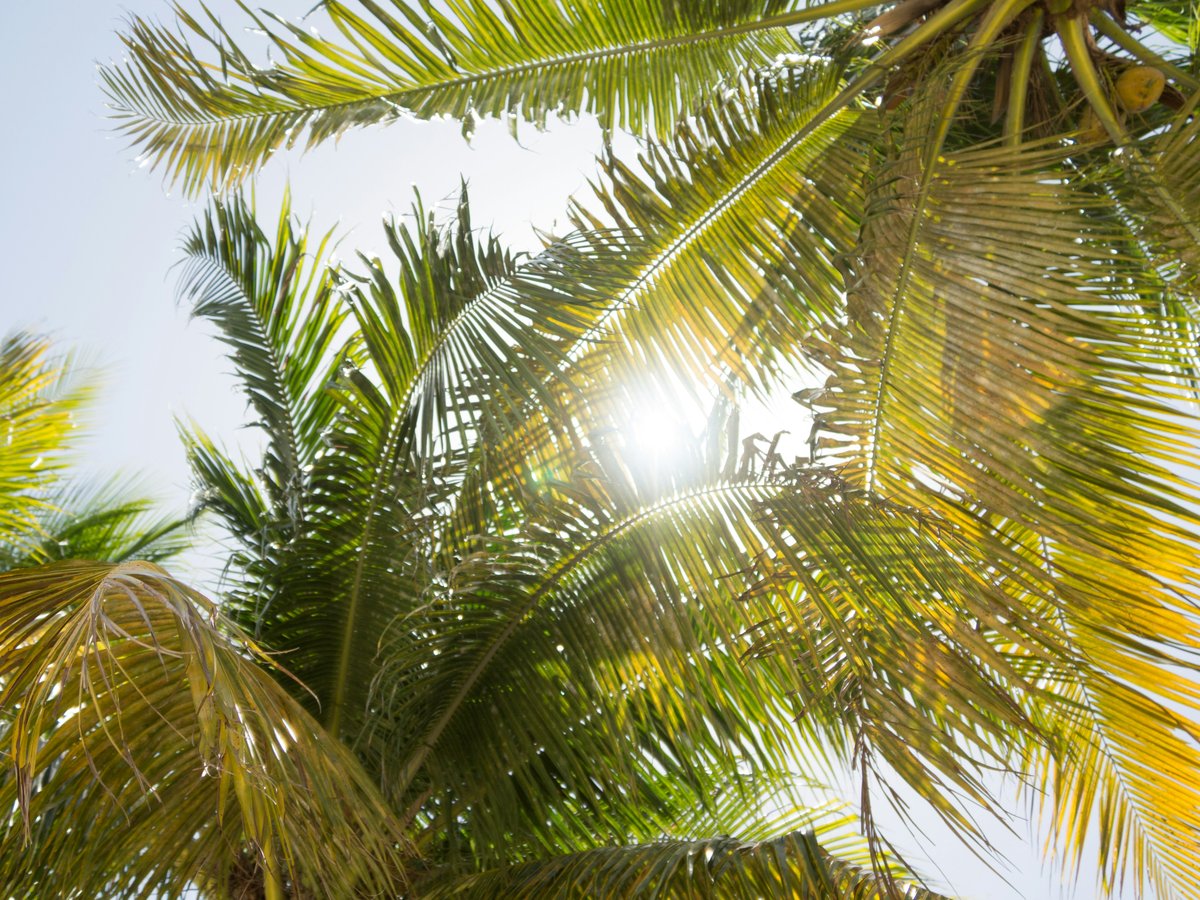
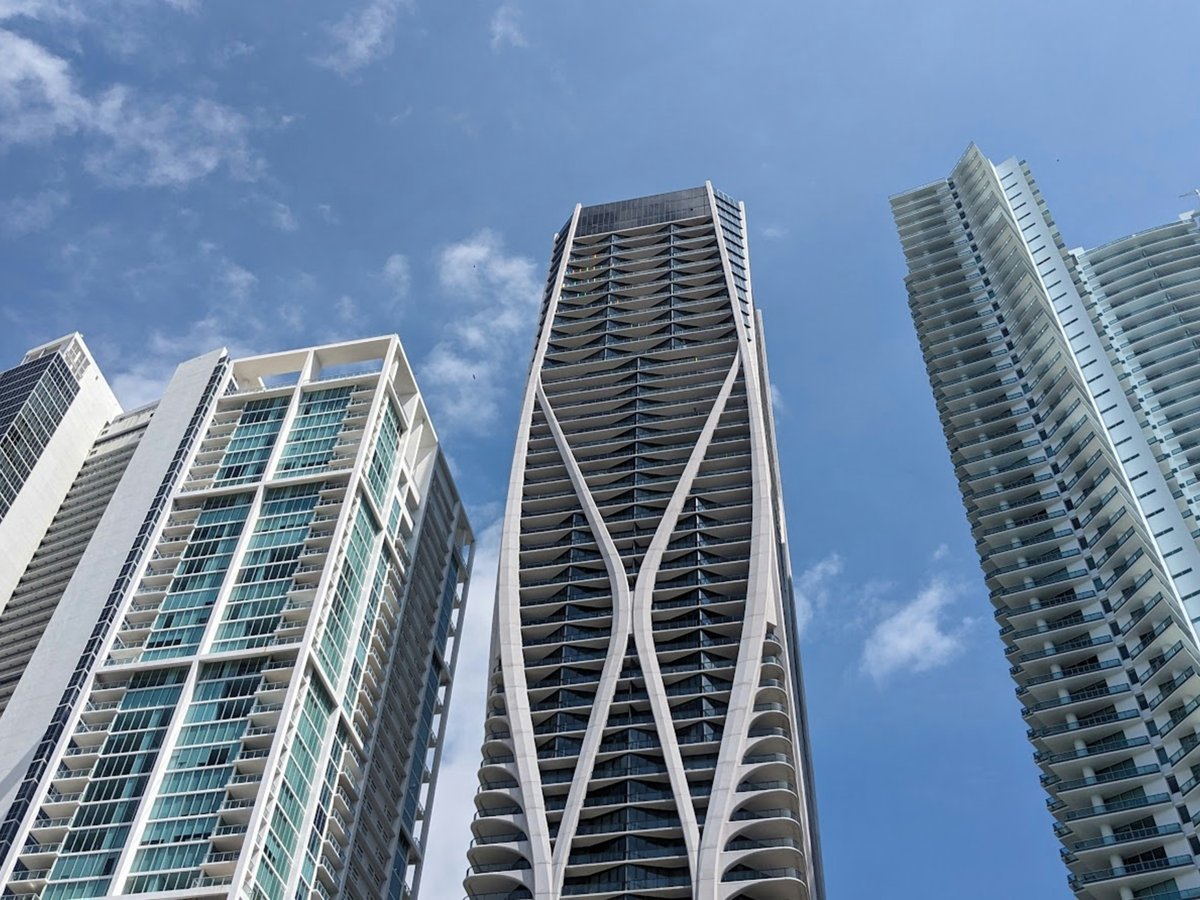
Miami right now
Answers about Miami
-
Airport to city
From Miami International Airport (MIA), take an Uber or Lyft from the 2nd-floor departures level. Rides to downtown Miami or Brickell cost $15-22 and take about 15 minutes. Miami Beach runs $20-35, about 25-35 minutes via the MacArthur Causeway. Metrorail's Orange Line reaches downtown for $2.25 in 15 minutes if you're traveling light.
Read the full answer → -
Best time to visit
November through April delivers Miami at its most comfortable. Daytime highs sit around 24-27°C (75-80°F) with humidity in the low 60s, and hurricane risk is negligible. Hotel rates on South Beach climb 40-60% from late December through March, so mid-November or early April offer the best balance of weather and value.
Read the full answer → -
Cost per day
Budget travelers in Miami can manage on roughly $75/day with a hostel dorm in South Beach ($30-40/night), Cuban counter food from Little Havana ($8-13 per meal), and the free Metromover downtown. Midrange runs $200, luxury $500+. Resort fees at hotels, often $25-45/night, are the single biggest hidden cost that blows budget plans apart.
Read the full answer → -
Cultural etiquette
Miami runs on two languages and one unwritten tipping rule. Spanish is the first language in neighborhoods like Little Havana and Hialeah, where about 95% of residents speak it at home. Restaurants in South Beach often add 18% gratuity to the bill automatically, so check before doubling the tip. A simple 'gracias' goes further than you might expect.
Read the full answer → -
Best day trips
The Everglades sit 65 km west and work as a half-day from Miami. Key Largo's John Pennekamp reef is 100 km south on US-1, about 90 minutes each way. Palm Beach, 110 km north, has Brightline rail from MiamiCentral. Skip Key West as a day trip. The 260-km drive eats 7-8 hours of your day.
Read the full answer → -
Digital nomads
Miami scores 6.2/10 for digital nomads (sourced from TTDI's editorial rubric). Fast fiber at 300-500 Mbps and strong coworking in Brickell and Wynwood, but the monthly burn runs $3,800-4,500 all-in, pricing it above Lisbon, Bangkok, and Mexico City. Summer humidity and car dependency outside Brickell are real friction points. No US digital nomad visa exists.
Read the full answer → -
Family-friendly
Miami suits families well, with subtropical heat as the main constraint. Crandon Park on Key Biscayne has calm, shallow water with lifeguards every 200 meters. The Frost Museum of Science ($30 adults, $22 kids) fills a full afternoon indoors. Plan mornings outdoors and move to air conditioning by noon from May through October.
Read the full answer → -
Food culture
Miami eats Cuban at its core, with ventanita coffee windows and pressed Cuban sandwiches on SW 8th Street in Little Havana setting the daily rhythm. Haitian griot in Little Haiti, Peruvian ceviche downtown, and stone crab claws from October through May add layers. The city eats late, closer to a Latin American schedule, with dinner starting around 8:30pm.
Read the full answer → -
Getting around
Uber and Lyft for most trips, the free Metromover loop for downtown and Brickell, and free neighborhood trolleys for South Beach, Wynwood, and Coconut Grove. Miami is a car city. Metrorail connects MIA airport to downtown for $2.25, but its 2 lines miss most visitor destinations. Walking works only on South Beach and in Brickell.
Read the full answer → -
How to get there
Miami International Airport (MIA), 13 km west of downtown, is American Airlines' largest hub with nonstop flights from over 160 cities. Fort Lauderdale-Hollywood (FLL), 45 km north, handles Spirit, JetBlue, and budget carriers at fares often $80-150 cheaper. From New York, expect 3 hours and $150-350 round-trip. From London, 10 hours at $600-1,200.
Read the full answer → -
Is it safe?
Miami is safe enough for a careful solo trip, and we score it 6.2/10 for solo-traveler safety (see the TTDI Solo-Safety Index). The risks most likely to find you are fast traffic on Biscayne Boulevard, rip currents off South Beach, padded bar tabs on Ocean Drive, and rental-car break-ins. Violent crime concentrates in Overtown and Liberty City, both well off the visitor map. Dial 911 for emergencies.
Read the full answer → -
Layover guide
Yes, with 6 or more hours between flights. MIA sits 8 miles from downtown Miami, and the Metrorail Orange Line reaches Government Center in 20 minutes for $2.25. Immigration and return security eat 2-3 hours of your connection. Little Havana and Wynwood, both under 20 minutes from the terminal, fit the remaining city window.
Read the full answer → -
LGBTQ-friendly
Miami scores 7.8/10 for LGBTQ+ friendliness (sourced from TTDI's editorial rubric). Same-sex marriage is legal nationwide, and Miami-Dade County has local anti-discrimination protections. South Beach and Wynwood are reliably welcoming for queer couples. Florida's state-level politics pull in a different direction, but the city's tourist corridor reads closer to Barcelona than to the rest of the state.
Read the full answer → -
Where locals go
Miami locals skip South Beach and Brickell. The real weeknight energy sits along Biscayne Boulevard between NE 50th and 79th Streets in the MiMo District, inside Little River's converted warehouses north of 79th, and at the ventanita coffee windows on Calle Ocho west of 27th Avenue where the tourist buses don't reach.
Read the full answer → -
Must-see
Vizcaya Museum and Gardens in Coconut Grove. Built in 1914 for industrialist James Deering, this 34-room Italian Renaissance villa sits directly on Biscayne Bay with 10 acres of formal gardens. It's the one place in Miami where you feel the city had a life before the 1980s condo boom. Tickets run $25, no reservation needed on weekdays.
Read the full answer → -
Running routes
South Pointe Park at the tip of Miami Beach is the starting point for two 5K loops with zero major-road crossings and roughly 80% footway share. For 10K, Bill Baggs Cape Florida State Park on Key Biscayne extends the distance but adds two road crossings. Five measured loops with GPX below.
Read the full answer → -
Solo travel
Miami works well for solo travel if you stay near South Beach or Brickell. The beach-bar-hostel loop between 5th and 15th Streets makes the first 48 hours easy, and Metromover is free downtown. Weak points are car-dependent suburbs and single-supplement pricing at most hotels outside hostels. Women solo report feeling comfortable in Brickell and Wynwood during daytime but should cab from Wynwood after midnight.
Read the full answer → -
This week
Miami this week brings daily thunderstorms in thick summer humidity. The Balloon Museum's Pop Air runs at Mana Wynwood Convention Center. Wynwood galleries hold Thursday-night openings. South Beach fills from Friday sunset. Miami Beach and the outdoor sights belong to the morning hours.
Read the full answer → -
3-day itinerary
Day 1 covers South Beach and downtown Miami, from the Art Deco district on Ocean Drive to the Pérez Art Museum on Biscayne Bay. Day 2 heads south to Vizcaya's 1914 estate in Coconut Grove and the Venetian Pool in Coral Gables. Day 3 splits between Wynwood Walls and Little Havana's Calle Ocho. About 18 km of walking total.
Read the full answer → -
What to avoid
Skip the Ocean Drive restaurant strip south of 14th Street, where a mojito costs $22 and plates are interchangeable. Eat at Española Way or Versailles in Little Havana instead. Don't rent a car on Miami Beach. June through November brings daily 3pm thunderstorms. The Design District, Key Biscayne, and Wynwood reward time better than the South Beach tourist circuit.
Read the full answer → -
What to pack
Pack for 30-35°C heat with 80%+ humidity and daily afternoon rain from June through October. Reef-safe SPF 50+, a packable rain shell, and one light layer for Miami's aggressive indoor AC are the non-negotiables. Leave the umbrella. Buy a $5 poncho at any Walgreens on Collins Avenue when the 3 p.m. downpour hits.
Read the full answer → -
Where to stay
South Beach between 5th and 15th Streets for a first trip. You're two blocks from the sand, inside the Art Deco Historic District, and within walking distance of Lincoln Road's restaurants. Budget $180-300 for a mid-range hotel. Brickell is the better pick if you want a city neighborhood with Metromover access and lower rates around $140-220.
Read the full answer →
Deep guides for Miami
-
Best Time to Visit Miami, by Season
Miami's 12-month climate record reveals a clear winner for each kind of traveller. The trade-off between temperature, crowds, and hotel pricing shifts sharply across seasons, with a single best window named for budget visitors, beach purists, families, nightlife seekers, and heat lovers.
Read the guide → -
Miami Restaurants: What's Worth It
Two tiers of Miami's cafe scene, sorted not by price but by whether you cross town for the cup. Twelve rooms, from the 06:00 Starbucks safety valve to midnight at Midtown Boba, each with a locals' verdict.
Read the guide →
Curated lists for Miami
accommodation
-
Best boutique hotels
Miami sorts its travelers by neighborhood before they ever open a booking page. The beachfront strip on the barrier island draws the obvious crowd, but the boutique inventory sits inland: in the financial towers of Brickell, the bayfront blocks of Downtown, the banyan-shaded avenues of Coral Gables, and the marina edges of Coconut Grove near Dinner Key. Each pocket runs a different clock. Brickell's rooftop bars pour past midnight; Coral Gables rolls up the sidewalks by ten. The airport corridor through Doral and Fronton serves early departures, not evening plans. Edgewater faces the bay from a quieter stretch of Biscayne Boulevard, while Kendall anchors the suburban south near the Dadeland Metrorail terminus. Price tiers overlap more than the map implies: a $96 night in Brickell undercuts most of Downtown, and the airport zone stays below $90. The question for any Miami neighborhood is the same: what is within a fifteen-minute walk of your front door, and does it match the trip you came for?
See the picks → -
Best luxury hotels
Miami's luxury hotel map splits along a clean line. Brickell clusters high-rise towers between the financial corridor and the bay, where lobbies open to rooftop pools and the skyline handles the decorating. Downtown Miami pushes the action north toward Biscayne Boulevard, swapping residential quiet for waterfront access. Then there are the outliers: a Design District address for guests who want neighborhood character over beachfront, a Coconut Grove retreat for travelers who find Brickell too loud, and a Key Biscayne island property that puts reef and sand above city convenience. This list covers all of those zones. The picks lean toward properties with distinctive on-site amenities, strong guest ratings, and an editorial reason to book one address over the next. Every property below is classified luxury tier on Trip.com and rated by verified guests; every factual claim traces to a cited source.
See the picks → -
Where to stay
Miami sprawls along the coast, and its accommodation neighborhoods read nothing alike. The high-rises stacked along Biscayne Boulevard share almost no DNA with the banyaned residential streets of Coconut Grove or the corporate grid near the airport in Doral. That range is the real information a visitor needs before booking: not which hotel scores highest, but which neighborhood matches the trip. Downtown and Brickell sit close together on the map but split sharply by character. Downtown faces the bay with convention traffic and cruise-port spillover; Brickell runs younger, louder, and later. South of both, Coconut Grove and Coral Gables trade waterfront energy for canopy shade and quieter streets. Key Biscayne is a causeway away from everything, which is the entire point. The Design District sells itself on galleries and retail; Edgewater sells proximity to both Downtown and Wynwood without the price tag of either. Out west, Doral and the airport corridor serve travelers who need a bed near a departure gate, not a neighborhood to explore. The 10 areas below are ranked by hotel density. Each card names tier-balanced picks so you can compare a $63 budget anchor against a $508 luxury stay and decide what the neighborhood is worth to you.
See the picks →
attractions
-
Best free attractions
Miami's free layer is mostly outdoors: a chain of urban parks, botanical gardens, and state-managed shorelines that carry the city more honestly than any paid attraction. The bundle below is exactly that: twelve public spaces, from downtown lawns on Biscayne Bay to a tropical garden on Old Cutler Road, all of which cost nothing to walk into. The mix skews green on purpose. Miami's free civic life happens under trees, on sand, and along seawalls; the museums and marquee institutions have tickets attached. What you get here is the range: a downtown park at the mouth of the Miami River, a Miami Beach greenway between Ocean Drive and the dunes, a state park at the southern tip of Key Biscayne, a botanic garden in Coral Gables, a historic homestead on Biscayne Bay. Some charge a parking fee at the gate; the grounds themselves are open. With half a day and no budget, start here and let the neighborhoods reveal themselves around each stop.
See the picks → -
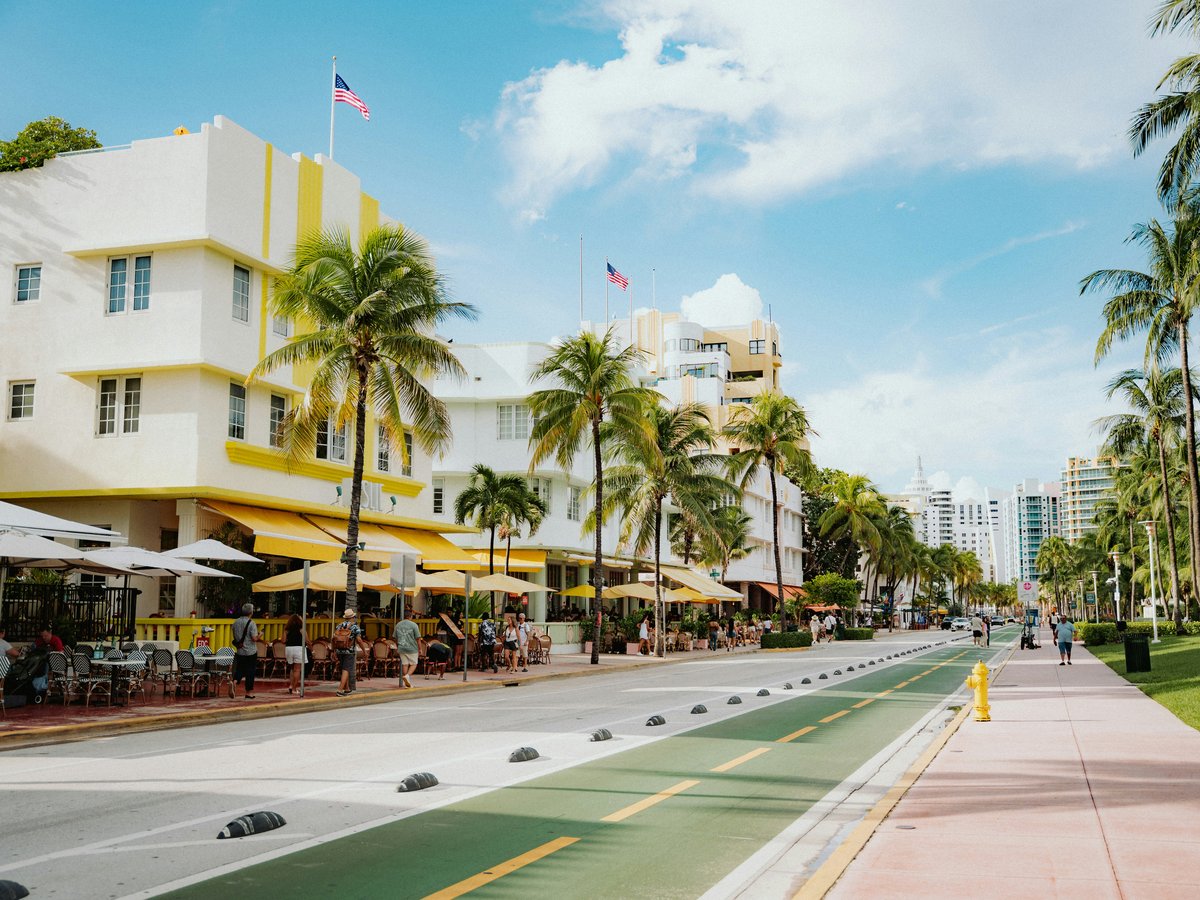
Best museums
Miami's museums do not line up along one tidy avenue, and that is the first thing to plan around. The 12 here run from a historic estate on Biscayne Bay to a contemporary art museum in Miami Beach, taking in a history museum, a children's museum, and a science museum along the way. The map is wider than most visitors expect, with entries in Coral Gables, in North Miami, and in Miami Beach as well as in the city itself. This list suits the traveller who wants a reason to leave the sand for half a day, the parent who needs an indoor plan, and the art follower prepared to drive for it. What we print is what we could verify: addresses and official websites, not opening hours or ticket prices, so confirm those with each museum before you go. Pick two or three stops per day; trying to collect all of them in a weekend is a poor use of a good city.
See the picks → -
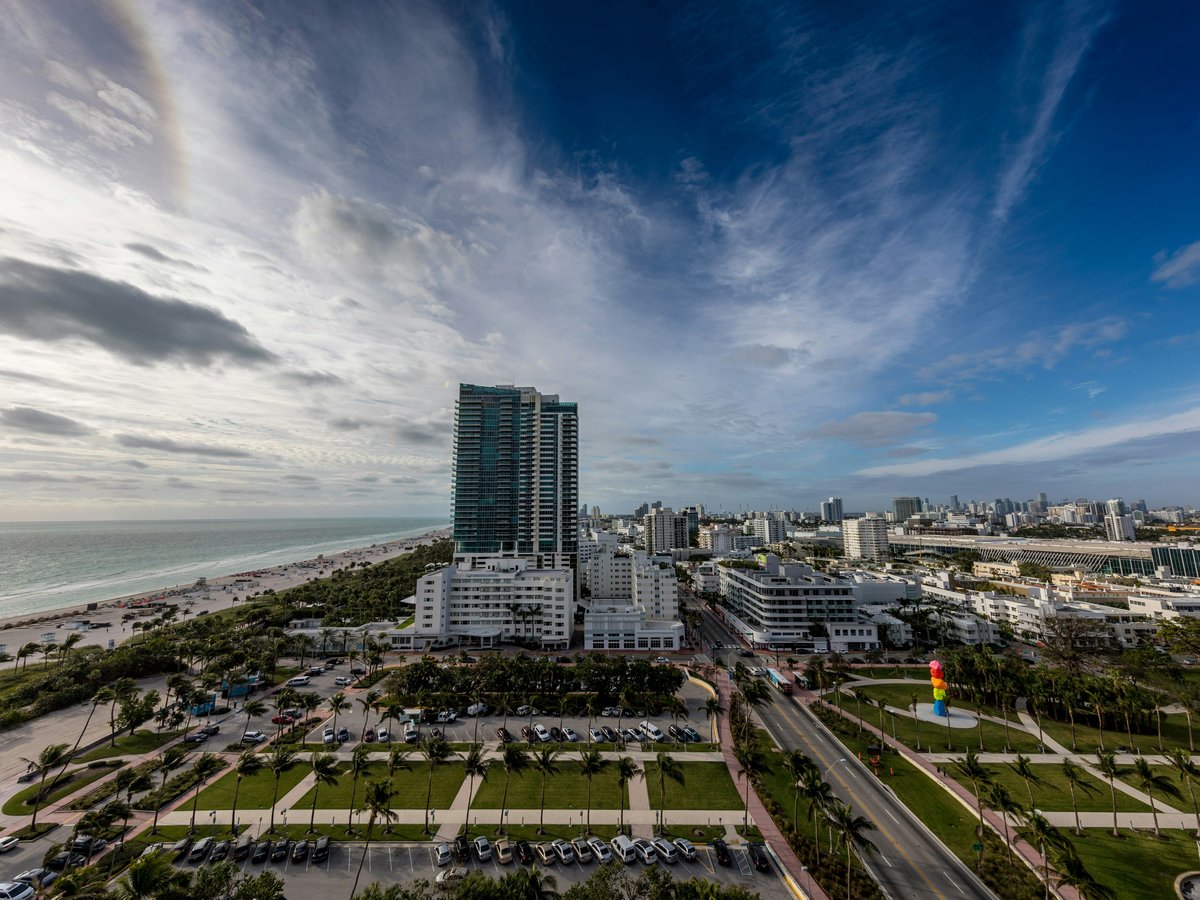
Must-see attractions
Miami's verified record draws a must-see list that bears little resemblance to the postcard version. Most of these stops are places of worship: a cathedral that is the seat of the Archbishop of the Roman Catholic Archdiocese of Miami, a second cathedral, a Catholic church building, and several other church buildings. Around them sit an archaeological site on Brickell Avenue, a memorial described simply as a sculpture, a theater, and a residential address. This is a list for the visitor who walks, looks up, and takes time over a building. A warning about our own limits: for several entries we hold an address, a description, and little more, and we say so rather than padding. Where we have no verified hours, we tell you to check before you travel. The city has more to show than its beaches; these are the addresses that reward a slower look.
See the picks →
food
-
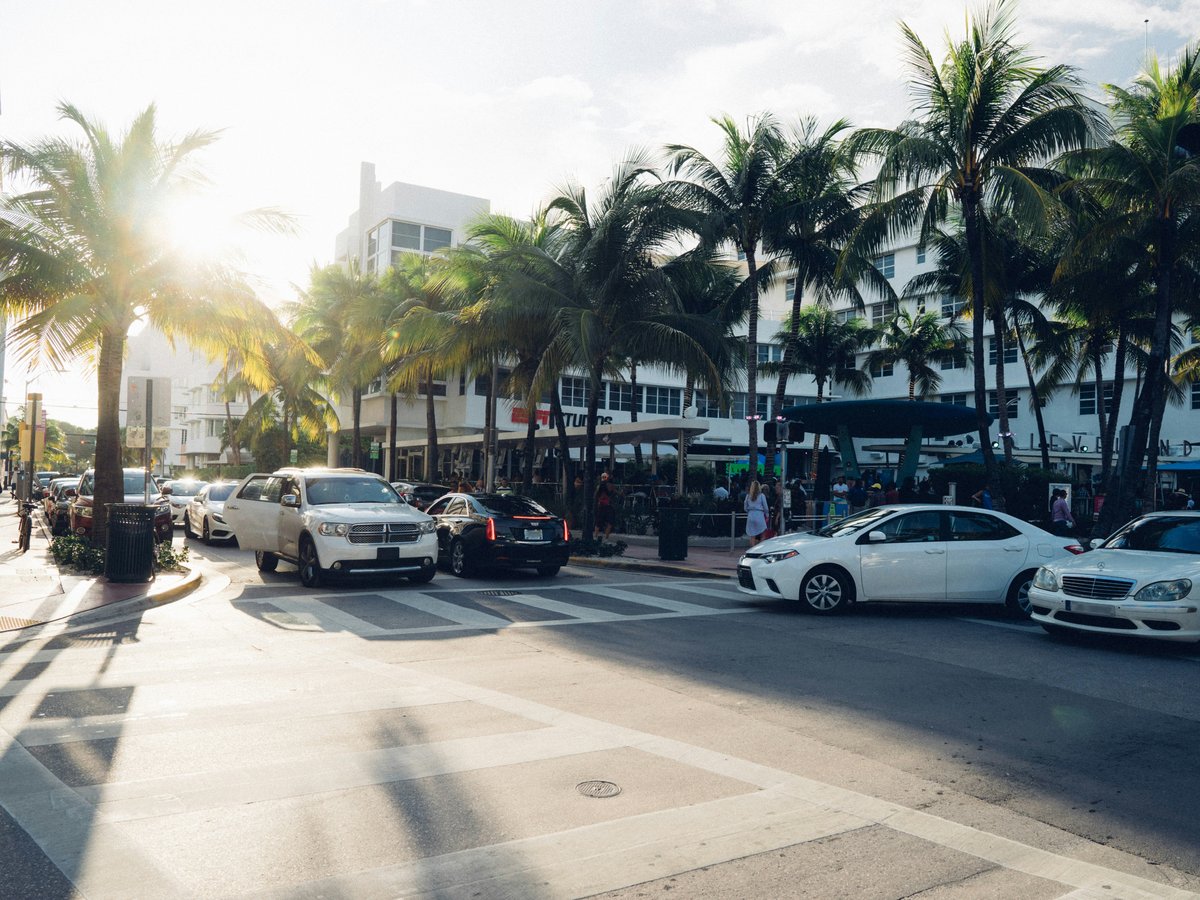
Best cafes
Miami doesn't have one café culture so much as a set of overlapping timetables, and this list of 12 is built around them. The earliest door opens at 06:00 and the latest shuts at 00:00 on Friday and Saturday, with room in between for bubble tea, fresh juice, or a burger at a place with Roasters in its name. The addresses run from the 33127 down to the 33135, with a thick cluster in the 33130 and 33131. We have been strict about what we could verify, covering addresses, hours, phone lines, and what each place says about itself; where we could not confirm something, we say so instead of guessing. This is a list for visitors who plan a day by the clock, and for anyone who would rather know when the door opens than read another paragraph about latte art. Use the hours, trust the addresses, and order what the sign tells you to order.
See the picks → -
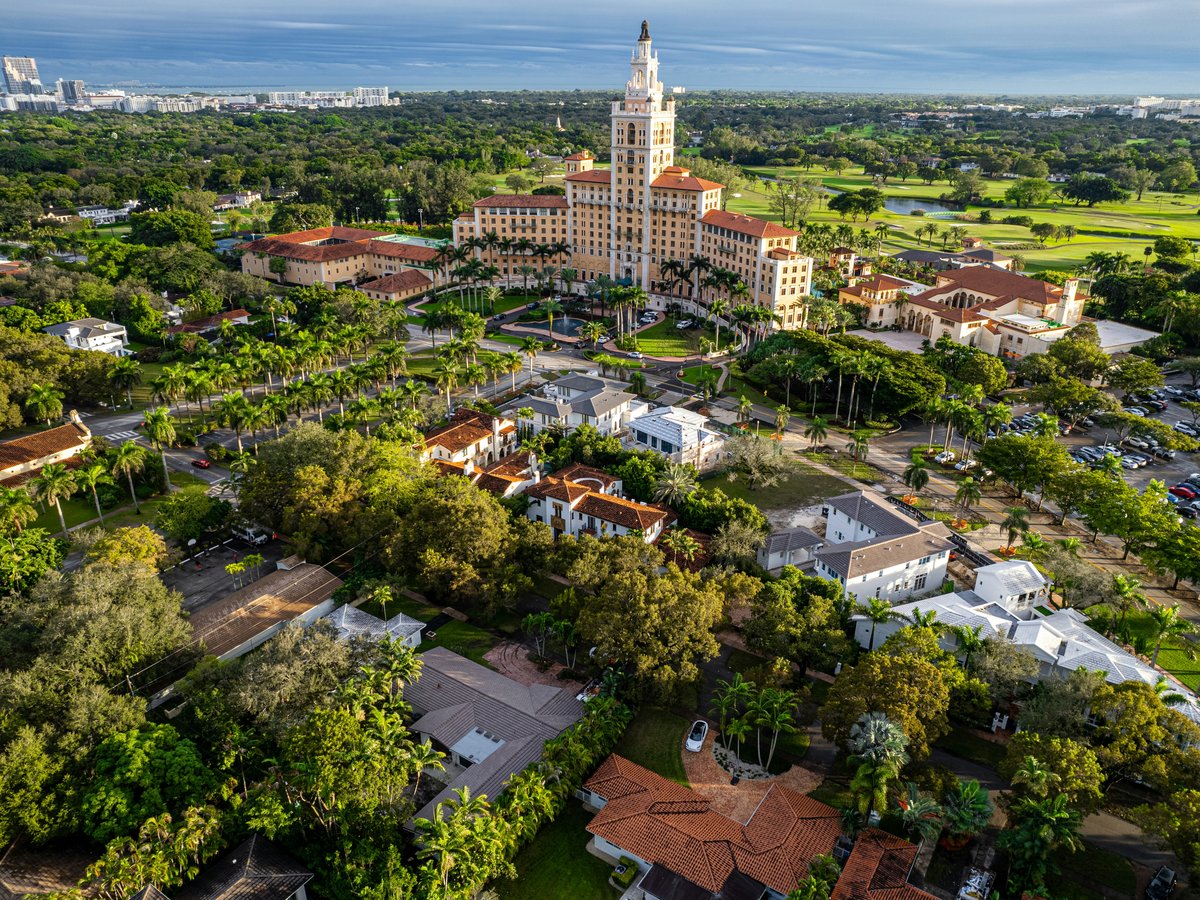
Best restaurants
Miami eats late, eats loudly, and eats across most of Latin America before it gets anywhere near a cheeseburger. This list reflects that: it runs from a Cuban grill that never closes to a Nicaraguan kitchen in the 33135, with two Argentinian steakhouses, three Italian kitchens, a sushi counter and two seafood rooms in between. What separates these 12 is less the cuisine than the clock: one serves until 03:00 every night, another shuts between lunch and dinner, and a third has no Saturday lunch at all, so knowing which is which saves you a wasted taxi. The list is for visitors who would rather plan around a kitchen's real hours than around a brochure, and for anyone who suspects, correctly, that the best table in this city is often the one still seating people after everyone else has gone home. Addresses, hours and phone numbers are given as recorded, so check the restaurant's own site before you commit to a late one.
See the picks →
Browse by traveler type
Book experiences in Miami
 Free cancellation
 Speedboat Sightseeing Adventure of Miami
Day trip: 45 minutes, free cancellation.
via Viator Free cancellation
 Everglades Small-Group Tour from Miami with Transportation
Day trip: free cancellation.
via Viator Free cancellation
 Miami Biscayne Bay rich and famous Sightseeing Boat Tour
Day trip: 1.3 hours, free cancellation.
via Viator Free cancellation
 Everglades Airboat, Wildlife Exhibit and Roundtrip Bus from Miami
Day trip: 5 hours, free cancellation.
via Viator Free cancellation
 Private Miami Boat Charter: Sightseeing, Sunset & Sandbar
Outdoor experience: free cancellation.
via Viator Free cancellation
 Miami Millionaires Sightseeing Cruise
Day trip: 1.5 hours, free cancellation.
via Viator Free cancellation
 Miami to Key West Day Trip with Activity Options
Day trip: 15 hours, free cancellation.
via Viator Free cancellation
 Miami Pirate Boat Tour: Skyline & Celebrity Homes
Day trip: 1.3 hours, free cancellation.
via Viator Free cancellation
 Miami Skyline Cruise with Biscayne Bay Views
Cruise: 1.3 hours, free cancellation.
via Viator
60 min. Everglades Airboat ride & pick-up ,small group +pro guide
Outdoor experience.
via Viator Free cancellation
 Raccoon Island Exploration on SUP/Kayak
Outdoor experience: 3 hours, free cancellation.
via Viator Free cancellation
 South Beach Cultural Food and Walking Tour
City tour: 2.5 hours, free cancellation.
via ViatorBrowse by interest
Compare Miami with
Find a flight to Miami
Live fares to Miami appear here once cookies are accepted.
Last verified by automated review (v1.7.2) on . What is automated review?