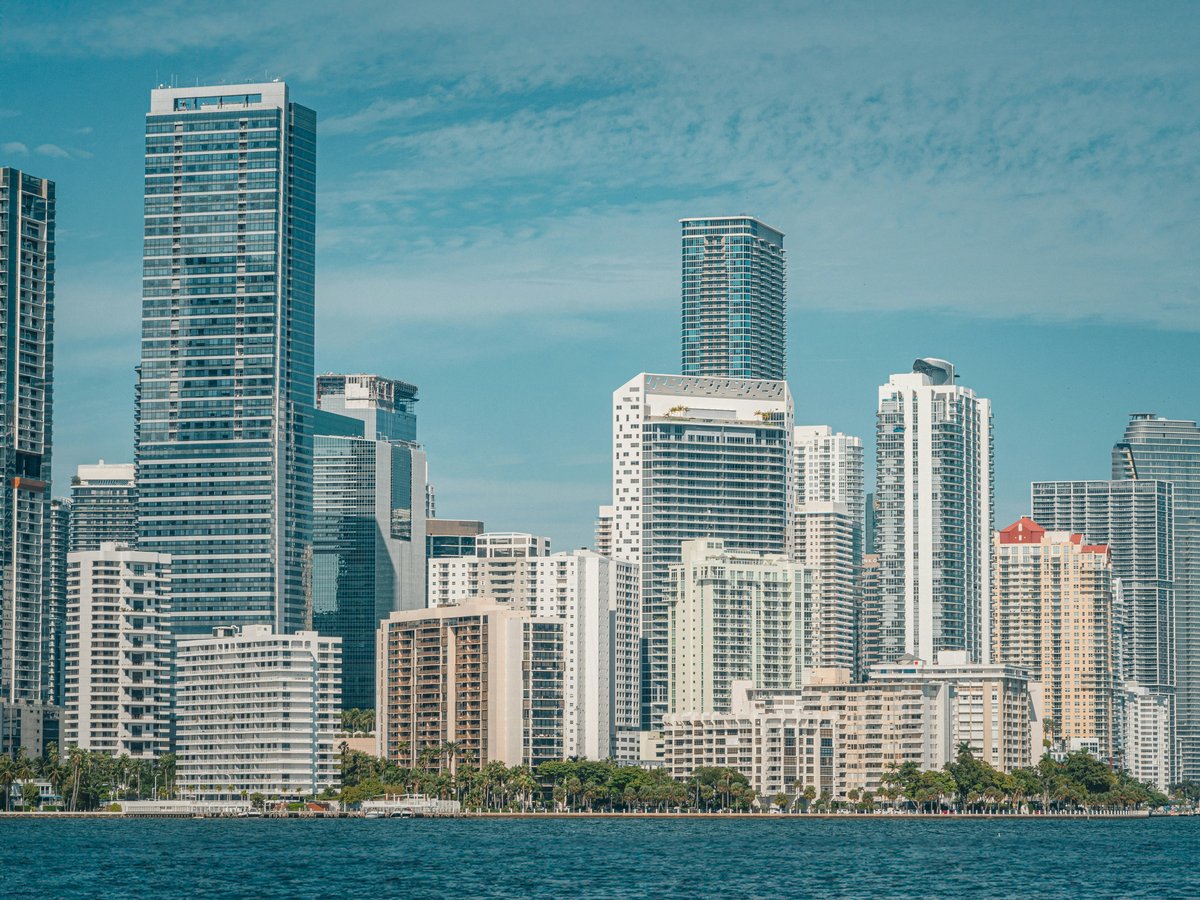
Miami sits at the southern tip of the Florida peninsula, a flat, subtropical sprawl wedged between the Atlantic Ocean to the east and the Everglades to the west. The elevation rarely tops 10 feet above sea level. That geography means your outdoor options here lean heavily toward water, wetlands, and coastal ecosystems rather than anything resembling mountain terrain. The city still has over 800 parks across Miami-Dade County, and Biscayne Bay alone stretches roughly 35 miles from north to south. November through April tends to be the sweet spot for outdoor activity. Summers are brutally humid, with daily afternoon thunderstorms rolling in from the Everglades around 3 or 4 PM. The air feels thick enough to chew from June through September, and mosquitoes become genuinely aggressive near any standing water. That said, the warm winters draw paddlers, cyclists, and hikers when much of the country is locked under snow. You might notice how much of Miami's outdoor life revolves around saltwater. The mangrove shorelines, tidal flats, and coral reefs along the coast shape the character of the place more than any park or trail.
Outdoor activities
-
Road Cycling on the Rickenbacker Causeway
The Rickenbacker Causeway connects mainland Miami to Key Biscayne and has long been the go-to route for the local cycling community. The ride from Brickell to Bill Baggs Cape Florida State Park covers roughly 10 miles one way, with a noticeable climb over the William Powell Bridge. Weekend mornings before 9 AM, you'll find large group rides forming near the toll plaza. The shoulder is reasonably wide, though traffic picks up by mid-morning. The views across Biscayne Bay from the bridge's high point are worth the effort, and you can finish with a swim at Crandon Park Beach on Virginia Key.
- Difficulty
- Moderate
- Duration
- 1.5 to 3 hours round trip
- Best season
- November through April
-
Mountain Biking at Virginia Key North Point Trails
Virginia Key's North Point trails sit on the small island between downtown Miami and Key Biscayne. The trail system covers about 5 miles of singletrack winding through a coastal hardwood hammock. The terrain is flat, as you'd expect in Miami, but tight turns, exposed coral rock, and root sections keep things interesting. The trails were built and are maintained by volunteers from the local mountain biking community. Expect to see iguanas sunning on the path. The surface can get slippery after rain, and the mosquitoes near the mangrove edges in summer are no joke.
- Difficulty
- Easy to Moderate
- Duration
- 1 to 2 hours
- Best season
- November through March
-
Kiteboarding at Crandon Park
The shallow flats off Crandon Park on Key Biscayne draw kiteboarders from across South Florida. The water stays waist-deep for a good distance offshore, which makes it forgiving for learners. Wind tends to be most consistent between December and April, blowing from the east-northeast at 12 to 20 knots on good days. Several schools operate out of the area, with beginner lessons typically running around $200 to $300 for a 2-hour session. The park charges $5 per vehicle for entry.
- Difficulty
- Moderate to Advanced (beginner lessons available)
- Duration
- 2 to 4 hours per session
- Best season
- December through April
-
Snorkeling at Biscayne National Park
Biscayne National Park sits about 30 miles south of downtown Miami, near Homestead. It protects 173,000 acres, and roughly 95% of that is water. The park's portion of the Florida Reef Tract hosts brain coral, elkhorn coral, parrotfish, and nurse sharks. You'll need a boat to reach the reef. The park's concessioner operates snorkel trips that typically run 3 hours and cost around $50 to $60 per person. Visibility varies, but winter months tend to offer clearer water, sometimes 30 feet or more. The Dante Fascell Visitor Center at Convoy Point is the departure point.
- Difficulty
- Easy to Moderate (swimming ability required)
- Duration
- Half day (3 to 4 hours including boat transit)
- Best season
- November through April
-
Paddleboard Yoga on Biscayne Bay
Several outfitters along the Miami waterfront run SUP yoga classes on the calm, sheltered waters of Biscayne Bay. The sessions typically launch from spots near the Venetian Causeway or from Matheson Hammock Park, where the man-made atoll pool provides genuinely flat water. Classes run $30 to $45 per person, board included. Morning sessions before 9 AM offer the calmest conditions. The water stays warm year-round, hovering between 75 and 85 degrees Fahrenheit depending on the season.
- Difficulty
- Easy
- Duration
- 1 to 1.5 hours
- Best season
- Year-round (mornings preferred in summer)
-
Fishing in Biscayne Bay and the Gulf Stream
Miami has a legitimate claim as one of the top saltwater fishing cities in the United States. Biscayne Bay produces bonefish on the flats south of the Rickenbacker Causeway, while the Gulf Stream runs within about 15 miles of shore, closer than almost anywhere else on the East Coast. Offshore charters out of Miami Beach Marina or Haulover Inlet target sailfish, mahi-mahi, and wahoo. A half-day charter runs $600 to $1,200 depending on the boat. Inshore guides working the flats and mangrove edges charge $400 to $600 for a full day. Worth noting, sailfish season peaks from December through March.
- Difficulty
- Easy (inshore) to Moderate (offshore)
- Duration
- Half day to full day
- Best season
- December through March for sailfish, year-round for inshore species
Day hikes
-
Anhinga Trail at Everglades National Park
The Anhinga Trail starts at the Royal Palm Visitor Center inside Everglades National Park, about 45 minutes from downtown Miami via US-1 and State Road 9336. The trail is a 0.8-mile paved and boardwalk loop through a Taylor Slough freshwater marsh. During the dry season from December through April, the receding water concentrates wildlife along the trail in a way that feels almost staged. You'll likely see alligators within 5 feet of the boardwalk, anhingas drying their wings, great blue herons, and possibly a purple gallinule. The park entrance fee is $30 per vehicle, valid for 7 days.
- Difficulty
- Easy (flat, paved, wheelchair accessible)
- Duration
- 30 to 60 minutes
- Best season
- December through April (dry season concentrates wildlife near the trail)
-
Long Pine Key Nature Trail, Everglades National Park
This network of interconnected trails near the Long Pine Key campground runs through one of the last remaining stands of South Florida slash pine. The main loop covers about 7 miles over flat limestone terrain. The ground is uneven in places, with exposed solution holes in the limestone that can twist an ankle if you're not watching your footing. Wildflowers bloom in the understory during the wet season. The trail is lightly used compared to the Anhinga Trail, and you'll likely have long stretches to yourself on a weekday. Same park entrance fee applies.
- Difficulty
- Easy to Moderate (flat but uneven limestone surface)
- Duration
- 2 to 4 hours for the full loop
- Best season
- November through April
-
Shark Valley Trail, Everglades National Park
Shark Valley sits on the Tamiami Trail (US-41) about 45 minutes west of Miami. The trail is a 15-mile paved loop through sawgrass prairie with an observation tower at the midpoint. The tower stands about 65 feet tall and offers a 360-degree view across the Everglades. Most people bike the loop or take the tram, but you can walk it. In the dry season, alligators line the trail edges in numbers that can feel slightly unnerving. Bicycle rentals are available at the visitor center for around $10 to $12 per hour. Tram tours cost roughly $30 for adults. Entry is $30 per vehicle.
- Difficulty
- Easy (paved, flat) but long at 15 miles if walking
- Duration
- 1.5 to 2 hours by bike, 5 to 6 hours on foot
- Best season
- December through March
-
Coastal Prairie Trail, Everglades National Park
This trail runs from the Flamingo Visitor Center at the southern tip of Everglades National Park out to Clubhouse Beach on the Florida Bay coast. The one-way distance is about 7.5 miles, making the round trip 15 miles. The trail crosses open prairie and coastal marsh with very little shade. It's the kind of hike where you need to carry all your water and start before dawn in warmer months. The payoff is genuine solitude and a raw stretch of Florida Bay shoreline. Mind you, the mosquitoes from May through October can be among the worst in the country. Flamingo is about 38 miles from the park entrance, so plan for the drive time.
- Difficulty
- Moderate to Strenuous (distance, heat exposure, no shade)
- Duration
- 5 to 7 hours round trip
- Best season
- December through February
-
Tree Snail Hammock Nature Trail at Bill Baggs Cape Florida State Park
Bill Baggs sits at the southern end of Key Biscayne, about 30 minutes from downtown. The Tree Snail Hammock trail is a short loop through a restored tropical hardwood hammock where you can still find the colorful Liguus tree snails the trail is named after. The park's main draw is the 1825 Cape Florida Lighthouse, the oldest standing structure in Miami-Dade County. The beach on the Atlantic side has strong currents at the tip, so stay within the marked swimming area. Park entry is $8 per vehicle.
- Difficulty
- Easy (short, flat, shaded)
- Duration
- 20 to 40 minutes for the trail, plus beach time
- Best season
- Year-round (most comfortable November through April)
Water activities
-
Kayaking the Oleta River Mangrove Trails
Oleta River State Park rents single and tandem kayaks from the park concession near the beach. The mangrove-lined waterways wind through tidal creeks where the canopy closes overhead in places. You'll paddle past fiddler crab colonies on the exposed mud banks and might spot a manatee in the cooler months. A single kayak rental runs about $20 to $25 per hour. The channels are tidal, so check the tide schedule. Outgoing tide can leave sections too shallow to paddle, and you'll end up dragging the kayak through mud.
- Difficulty
- Easy to Moderate (tidal currents, some narrow passages)
- Duration
- 1.5 to 3 hours
- Best season
- November through April (fewer mosquitoes, comfortable temperatures)
-
Kayaking through the Wilderness Waterway, Everglades
The full Wilderness Waterway runs 99 miles from Flamingo to Everglades City, but day-paddle sections near Flamingo are accessible from Miami as a long day trip. The Nine Mile Pond loop is a marked canoe trail that winds through dwarf mangrove and sawgrass for about 5.2 miles. It's flat water, but navigation can be tricky where the trail markers get knocked over by storms. Bring your own kayak or rent at the Flamingo marina. The silence in the backcountry is striking. No cell service. Bring a paper map.
- Difficulty
- Moderate (navigation, heat, remoteness)
- Duration
- 3 to 5 hours for the Nine Mile Pond loop
- Best season
- December through March
-
Swimming and Snorkeling at Bill Baggs Cape Florida
The beach at Bill Baggs stretches about 1.5 miles along the Atlantic side of Key Biscayne's southern tip. The water is usually clear enough for casual snorkeling along the rock jetty near the lighthouse, where you'll find small reef fish and the occasional lobster. The sand is fine and the entry is gradual. To be fair, this is a relatively calm beach compared to Miami Beach, which is why families with young kids tend to gravitate here. The park has picnic shelters, grills, and a small restaurant.
- Difficulty
- Easy
- Duration
- 2 to 4 hours
- Best season
- Year-round (water temperature drops to about 72°F in January)
-
Paddleboarding on the Miami River
The Miami River runs about 5.5 miles from the Everglades drainage through the heart of downtown Miami to Biscayne Bay. A few outfitters on the river offer SUP rentals, and paddling the lower stretch gives you a perspective of the city you won't get from anywhere else. You'll pass under drawbridges, alongside fish markets, and through the working waterfront where cargo ships still dock. The water quality has improved since the 2000s cleanup, but you still probably don't want to fall in. Morning sessions are best, before boat traffic picks up.
- Difficulty
- Easy to Moderate (boat wakes, current near the bay)
- Duration
- 1 to 2 hours
- Best season
- November through April (calmer winds, less storm risk)
-
Diving at Emerald Reef off Key Biscayne
Emerald Reef sits about 3 miles offshore from Key Biscayne in roughly 25 to 40 feet of water. It's one of the more accessible reef dives near Miami, with several charter operations running trips from the Crandon Park Marina. The reef has decent hard coral coverage with sea fans, barrel sponges, and regular sightings of sea turtles and spotted eagle rays. Visibility runs 20 to 50 feet depending on recent weather. A two-tank dive trip typically costs $100 to $150 per person. You'll want your own gear or can rent from the operators.
- Difficulty
- Moderate (open-water certification required)
- Duration
- Half day (3 to 4 hours including transit)
- Best season
- April through September (calmer seas, warmer water)
Parks & gardens
-
Fairchild Tropical Botanic Garden
Fairchild covers 83 acres in Coral Gables, about 20 minutes south of downtown Miami. It holds one of the largest collections of tropical palms and cycads in the world, over 3,400 species in total. The Wings of the Tropics exhibit houses hundreds of live butterflies inside a screened conservatory. Walking the full grounds takes a solid 2 to 3 hours if you're paying attention. The rainforest section feels noticeably cooler than the open lawn areas. Admission runs around $30 for adults.
Highlights: Richard H. Simons Rainforest, the 2-acre Vine Pergola, the Keys Coastal Habitat, and the extensive palm collection along the lakefront
-
Matheson Hammock Park
This 630-acre county park in Coral Gables sits on the edge of Biscayne Bay and includes a man-made atoll pool that fills and flushes with the tides. The beach is calm and shallow, making it popular with families. The park also has mangrove-lined walking trails and a boat ramp. Red Reef Fish Shrimp & Chicken operates a waterfront restaurant inside the park. The parking fee is $7 per vehicle on weekdays, $8 on weekends.
Highlights: The tidal atoll pool, the waterfront walking path along Biscayne Bay, coral rock pavilions built by the Civilian Conservation Corps in the 1930s
-
Crandon Park
Crandon Park occupies the northern half of Key Biscayne, with 2 miles of Atlantic beach that consistently ranks among the top beaches in the country. The park spans 808 acres and includes a nature center, a marina, and the old Crandon Park Zoo site, which has been partly reclaimed as a Bear Cut Preserve. The beach has a gradual sand shelf, so the water stays shallow for a long way out. Entry is $5 per vehicle.
Highlights: The 2-mile Atlantic beach, the restored dune system, Bear Cut Preserve's walking trails through coastal hammock and mangrove
-
Oleta River State Park
At 1,043 acres, Oleta River is the largest urban park in Florida. It sits in North Miami Beach, right on Biscayne Bay, and the combination of mangrove waterways, mountain bike trails, and a sandy beach packed into an urban setting feels unlikely until you're there. The park has 10+ miles of off-road biking trails that wind through mangrove and tropical hardwood hammock. You can rent kayaks and bikes on-site. It tends to get crowded on weekends, so weekday mornings are the better bet. Entry is $6 per vehicle, $2 for cyclists and pedestrians.
Highlights: The North Point mountain bike trails, kayak and paddleboard rentals, the 1,200-foot sandy beach, and rustic cabins available for overnight stays
-
The Kampong (National Tropical Botanical Garden)
The Kampong covers 9 acres in Coconut Grove and was once the home of David Fairchild, the plant explorer the larger botanic garden is named after. The property holds over 1,000 species of tropical flowering trees and fruit trees. It feels more like wandering through someone's overgrown estate than visiting a formal garden. Visits are by reservation only, with guided tours running on weekday mornings. Admission is around $15 per person.
Highlights: Mature specimens of breadfruit, jackfruit, sapodilla, and mangosteen, plus bayside views from the terraced lawn above Biscayne Bay
-
A.D. Barnes Park
FreeThis 65-acre park in West Miami offers a bit of genuine South Florida hammock habitat within the city limits. A loop trail runs through a hardwood hammock filled with gumbo-limbo, live oak, and poisonwood. The park also has a nature center and a small swimming pool. It tends to draw a more local crowd than the bigger parks, and on a Tuesday morning you might have the hammock trail to yourself.
Highlights: The hardwood hammock nature trail loop, the Sense of Wonder nature center, and a freshwater lake with wading birds
Practical tips
- Sun Protection
- The UV index in Miami regularly hits 10 or 11 between March and October, which is as high as anywhere in the continental US. Wear SPF 50+ and reapply every 90 minutes when sweating. A wide-brim hat and UV-rated long sleeves make a real difference on exposed trails like Shark Valley, where there's no tree cover for miles. Sunburn can happen through cloud cover here. Carry sunscreen in your pack even if the forecast looks overcast.
- Hydration
- Carry at least 1 liter of water per hour of activity in summer and 0.5 liters per hour in winter. South Florida's humidity prevents your sweat from evaporating efficiently, so you overheat faster than you'd expect for a flat, sea-level environment. Electrolyte tablets or packets are worth adding to your kit, especially for anything over 2 hours. There are few water refill stations on Everglades trails, so pack everything you need.
- Mosquito and Bug Protection
- From May through October, mosquitoes near the Everglades, mangrove waterways, and any freshwater body can be fierce enough to cut a hike short. DEET-based repellent at 25% concentration or higher is the standard. Permethrin-treated clothing helps on long trail days. Dawn and dusk are the worst times. The no-see-ums (biting midges) near beaches and tidal flats are smaller and often more persistent than mosquitoes. A head net sounds extreme until you've walked the Coastal Prairie Trail in April without one.
- Footwear and Trail Conditions
- Miami's trails are either paved, boardwalked, or raw oolitic limestone. The limestone surface in the Everglades pine rocklands is sharp and uneven with solution holes that can catch a toe. Sturdy closed-toe shoes with ankle support beat sandals for anything off the boardwalk. For kayaking and water activities, neoprene water shoes grip well on boat ramps and mangrove mud. After heavy rain, unpaved trails in the Everglades can have standing water up to knee level.
- Wildlife Awareness
- Alligators are a genuine presence on every Everglades trail and in many Miami-Dade canal systems. Keep at least 15 feet of distance and never feed them. The American crocodile population in Biscayne Bay and the southern Everglades has recovered and sightings are increasingly common at Flamingo. Bull sharks enter Biscayne Bay regularly, so be aware when swimming in murky or brackish areas. Portuguese man-of-war wash up on Atlantic beaches, especially with east winds between November and April. Their tentacles still sting after washing ashore.
- Timing Your Activities
- Start early. By 7 AM in summer, the temperature is already 80°F with 85%+ humidity, and by noon exposed trails become genuinely unpleasant. Afternoon thunderstorms in the wet season (June through September) arrive like clockwork between 2 and 5 PM, often with lightning. Plan water activities and hikes for the morning, and be off exposed water before early afternoon in summer. The Everglades practically shut down to casual visitors in the wet season due to flooding, heat, and insects.
FAQ
What is the best time of year for outdoor activities in Miami?
The dry season from November through April is the clear winner. Temperatures sit between 65 and 82°F, humidity is lower, mosquitoes are manageable, and the Everglades trails are at their best with concentrated wildlife. Summer from June through September brings daily thunderstorms, extreme humidity, and aggressive insects that can make trails and waterways genuinely miserable. October and May are transitional months that can go either way.
Are there any real hiking trails near Miami or is it all flat?
It is essentially all flat. Miami-Dade County's highest natural point is roughly 24 feet above sea level. There are no elevation hikes within a reasonable day-trip distance. What you do get are long-distance flat trails through ecologically rich terrain like the Everglades, coastal hammock forests, and mangrove systems. If you need elevation, the closest option is probably the Lake Wales Ridge area, about 3 hours north, but that is still modest terrain.
Do I need a car to access outdoor activities from Miami?
For most of the best outdoor experiences, yes. Everglades National Park entrances are 40 to 50 minutes from downtown by car with no practical public transit options. Key Biscayne is reachable by bus (Route B) from the Brickell Metrorail station, and Oleta River State Park is accessible via Bus 3 from Aventura. But carrying gear on public transit adds friction. If you don't have a car, guided tours to the Everglades depart from Miami Beach and downtown daily, typically $40 to $80 per person.
Is it safe to swim in Biscayne Bay?
Generally yes, in designated areas. The bay is shallow, warm, and usually calm. Water quality has improved since the early 2000s cleanup efforts, though localized advisories still pop up after heavy rain events when runoff affects bacterial levels. Miami-Dade County posts water quality results online through its Healthy Beaches program. Avoid swimming near canal outflows after storms. The bay does have bull sharks and the occasional crocodile in southern sections, so stick to populated beach areas and stay aware.
What gear should I bring for a winter visit focused on outdoor activities?
A lightweight moisture-wicking base layer, a sun hoodie or long-sleeve UPF shirt, and a packable rain shell cover most situations from November through March. Water shoes for kayaking, sturdy trail shoes for Everglades limestone, and reef-safe sunscreen are the essentials. Nights can drop into the upper 50s during cold fronts in January and February, so bring one light fleece or jacket. Binoculars are worthwhile for the Everglades. A dry bag protects electronics during paddle trips.
Are the Everglades worth visiting on a day trip from Miami?
Absolutely. The Royal Palm area with the Anhinga Trail is under an hour from downtown Miami, and Shark Valley is about the same distance via US-41. You can fit either into a half-day trip easily. For a full day, drive to Flamingo at the park's southern tip, about 38 miles past the entrance station, where you can kayak Florida Bay, walk the Coastal Prairie Trail, and see crocodiles near the marina. The $30 vehicle entry fee covers 7 days, so you can return without repaying if you're staying in the area.
Outdoor experiences in Miami
 Free cancellation
 Private Miami Boat Charter: Sightseeing, Sunset & Sandbar
Outdoor experience: free cancellation.
via Viator
60 min. Everglades Airboat ride & pick-up ,small group +pro guide
Outdoor experience.
via Viator Free cancellation
 Raccoon Island Exploration on SUP/Kayak
Outdoor experience: 3 hours, free cancellation.
via Viator Free cancellation
 Nature & Island Exploration on SUP/Kayak
Outdoor experience: 4 hours, free cancellation.
via Viator Free cancellation
 Everglades Airboat Tour from Fort Lauderdale with transportation
Outdoor experience: 4 hours, free cancellation.
via Viator Free cancellation
 Explore Miami in Style: Private Boat Cruise with Captain
Outdoor experience: free cancellation.
via Viator Free cancellation
 South Beach Miami Aerial Tour : Beaches, Mansions and Skyline
Outdoor experience: 35 minutes, free cancellation.
via Viator Free cancellation
 Miami ATV Tour: Expert Guides & Scenic Landscapes
Outdoor experience: 1 hour, free cancellation.
via Viator Free cancellation
 Miami Biscayne Bay Jet Ski Tour
Outdoor experience: 1 hour, free cancellation.
via Viator Free cancellation
 Miami Biscayne Bay Private Boat Experience with Captain
Outdoor experience: free cancellation.
via Viator Free cancellation
 Eagles Air Tour: Private 45 Minute Plane Tour of Miami
Outdoor experience: 45 minutes, free cancellation.
via Viator Free cancellation
 Miami Helicopter Tour: Breathtaking Miami Skyline & Ocean Views
Outdoor experience: 30 minutes, free cancellation.
via ViatorLast verified by automated review (v1.7.2) on . What is automated review?