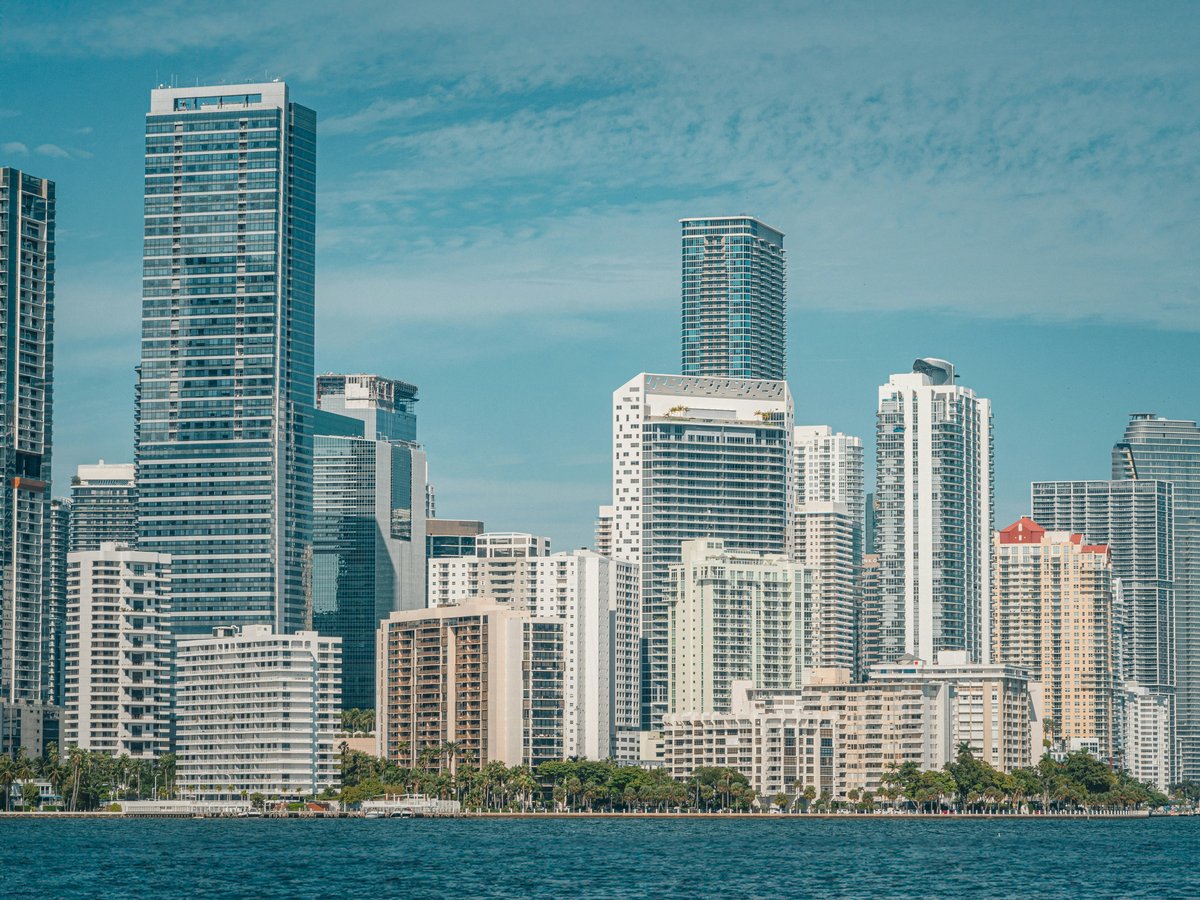
Miami runs late. That's the first thing you'll notice. Dinner at 10 PM is normal here, and the real crowd at most South Beach clubs doesn't show up until 1 AM or later. The city's nightlife culture pulls from Latin America, the Caribbean, and New York in roughly equal measure, and the result is a scene where reggaeton bleeds into house music, where a craft cocktail bar in Wynwood sits two blocks from a Dominican colmado blasting bachata out of a screen door. Miami-Dade County has about 2.7 million residents, and on any given Friday a significant portion of them seem to be out past midnight. The drinking age is 21, enforced strictly at the door, and most places card everyone regardless of age. Locals tend to pre-game at home or at a neighborhood spot before heading to the bigger venues, partly because drinks at South Beach clubs are notoriously expensive. The warmth matters too. Even in January, nighttime temperatures hover around 65 to 70°F, which means outdoor drinking is a year-round activity. Rooftop bars, sidewalk tables, open-air courtyards. You'll hear Spanish as often as English at most bars south of the Julia Tuttle Causeway. That bilingual texture shapes everything, from the music on the speakers to the way people move through a crowd.
The Bar Scene in Miami
Miami's cocktail bar culture has grown considerably since the mid-2010s. The Brickell area, the financial district along the south side of the Miami River, now has a dense concentration of upscale cocktail spots where the after-work crowd fills the seats by 6:30 PM on weekdays. You'll find bartenders working with tropical ingredients, things like passionfruit, guava, and coconut water alongside more traditional spirits. The rum selection at most serious Miami bars leans heavily toward Caribbean and Latin American labels. The dive bar scene is thinner than you might expect for a city this size. Locals will point you toward spots in Little Havana along SW 8th Street or the older corners of Miami Beach west of Collins Avenue, where the drinks are cheap and the decor hasn't changed since the 1990s. These places tend to close by 2 AM. Rooftop bars are everywhere, especially in Brickell and South Beach. They peak on Thursday and Friday evenings, and many enforce a dress code that leans smart casual. Flip-flops and tank tops will get you turned away at most of them, even in 85°F heat. Wine bars have been slower to take hold here compared to cities like San Francisco or Chicago. You'll find a few in Coral Gables and the Design District, generally quieter spots that draw a 30-plus crowd. Worth noting, Miami is fundamentally a spirits city. Rum, tequila, and mezcal dominate the local palate. If you order wine at a nightclub, expect a look from the bartender.
Clubbing in Miami
The club scene in Miami Beach still revolves around a handful of large-format venues along Collins Avenue and Ocean Drive in the South Beach strip between 5th and 23rd Streets. These rooms tend to book international DJs, lean toward house and techno on the main floor, and run a hip-hop or open-format room on a secondary floor. Things don't really get going until midnight, and the peak window falls between 1:30 AM and 4 AM. Last call is technically 5 AM in Miami Beach, and some spots push right up against it. Dress codes at the bigger clubs are enforced selectively. Men in shorts, sandals, or athletic wear will likely get turned away. Women face fewer restrictions in practice, though the general expectation is upscale casual at minimum. Collared shirts for men are a safe bet at most South Beach venues. Table service dominates the high-end club experience. Bottle minimums at the bigger rooms can be steep, and prime placement near the DJ booth or dance floor costs significantly more than a side table. If you're going general admission, expect a cover charge on weekends, with prices climbing higher for marquee DJ nights. Guest lists still matter. Promoters remain a real part of the ecosystem, especially for groups. Getting on a guest list through a promoter can reduce or eliminate the cover and sometimes gets you in faster. This is less of a thing at the smaller, more music-focused venues. Beyond South Beach, the club scene has been shifting. The Wynwood and Downtown areas have seen newer venues open that lean more toward underground electronic music. These spots tend to attract a crowd that cares more about the DJ than the bottle service, and the dress codes are looser. You might hear anything from deep house to Afrobeats to Latin bass music on a given Saturday. Reggaeton and Latin music nights are a massive part of Miami's club identity. On Friday and Saturday nights, you'll find dedicated Latin nights at venues across the city, from Doral in the west to Hialeah in the north. These rooms tend to pack out by 12:30 AM and run hot, both temperature-wise and energy-wise. The crowd skews younger, mostly 21 to 30.
Live Music After Dark
Miami's live music scene has historically been overshadowed by its DJ culture, but there's more depth here than the city sometimes gets credit for. Little Havana remains the heart of live Latin music. Along Calle Ocho (SW 8th Street), you'll find small rooms where salsa and son cubano bands play on weekends, often starting around 9 PM. The crowd is multigenerational, and the dancing is serious. If you can't keep up with the salsa, nobody minds. Watching is half the fun. Jazz has a quieter but persistent presence, particularly in Coral Gables and parts of Downtown. Several restaurants and lounges run jazz nights midweek, typically Tuesday through Thursday. The sets tend to start around 8 PM and wrap by 11 PM. The indie rock and alternative scene clusters around the Wynwood and Little Haiti neighborhoods. Smaller rooms and warehouse-style venues host touring bands and local acts, with shows that usually start between 8 and 10 PM. Cover charges at these spots tend to be more affordable than the big clubs. Hip-hop shows happen across the city, from Downtown venues to spots in Liberty City and Overtown. Miami's hip-hop lineage runs through artists like Trick Daddy, Rick Ross, and the broader South Florida bass tradition, and you'll hear those influences in the local acts that open for touring headliners. For reggae and Caribbean music, look toward spots in Little Haiti and North Miami. Sunday nights have traditionally been strong for reggae in Miami, a pattern that goes back decades. The smell of jerk chicken from a nearby stand and the low thud of a bass line drifting out of a bar, that combination is specific to North Miami on a Sunday evening.
Nightlife neighborhoods
-
South Beach
The loudest and most tourist-heavy stretch, running from 5th to 23rd Street between Collins Avenue and Ocean Drive. Neon signs, open-air bars spilling onto the sidewalk, and the constant hum of traffic and music mixing together. It still draws the biggest international DJ bookings in the city.
- Best for
- First-time visitors, big-room club experiences, people-watching on Ocean Drive on Friday and Saturday nights
- Standouts
- The major clubs along Collins Avenue between 11th and 23rd are the anchor. Ocean Drive below 10th has a more casual, open-air drinking scene.
-
Wynwood
Street art on every wall, warehouse-style bars with garage doors rolled open to the sidewalk, and a younger crowd that trends more creative than corporate. The neighborhood gets loud on Second Saturdays and Art Walk nights. By day it's a gallery district. By 10 PM, the bars take over.
- Best for
- Craft cocktails, a less buttoned-up crowd, local DJs, groups who want to bar-hop on foot between NW 20th and NW 29th Streets
- Standouts
- The concentration of bars along NW 2nd Avenue between 23rd and 29th Streets makes for easy walking. Several warehouses in the area have been converted into mid-size music venues.
-
Brickell
Miami's financial district goes from suits and spreadsheets by day to rooftop cocktails by 7 PM. The crowd here trends late 20s to 40s, well-dressed, and willing to spend. The high-rise bars overlooking Biscayne Bay have some of the best skyline views in the city after dark.
- Best for
- After-work drinks, rooftop bars, a polished crowd, weeknight outings when South Beach feels like too much effort
- Standouts
- The stretch of Brickell Avenue between SE 5th and SE 15th Streets has the densest bar concentration. Several hotel rooftops in the area are open to the public.
-
Little Havana
The heart of Miami's Cuban-American community, centered on Calle Ocho (SW 8th Street). Live salsa and son cubano spill out of small bars on weekend nights. The pace is slower than South Beach, the crowd is more local, and the rum flows freely. You'll smell cigar smoke drifting from nearby shops.
- Best for
- Live Latin music, salsa dancing, a multigenerational crowd, a night out that feels distinctly Miami rather than generically American
- Standouts
- The small live music venues and domino-park-adjacent bars along SW 8th Street between 12th and 17th Avenues are the core of the scene.
-
Design District
Upscale and quieter than the neighborhoods further south. The crowd here tends to be well-heeled and a bit older. Wine bars and craft cocktail lounges sit between luxury retail storefronts. It empties out earlier than Wynwood or South Beach, usually winding down by midnight.
- Best for
- A calmer evening with good drinks, wine-focused outings, a date night away from the bass-heavy venues
- Standouts
- The bars and restaurants clustered around NE 40th Street and NE 2nd Avenue form the walkable core.
Safety after dark
Stick to well-lit, populated streets, especially after 2 AM when some neighborhoods thin out quickly. Rideshare apps are the safest way to move between nightlife districts late at night. Miami Beach Police increase patrols along Ocean Drive and Collins Avenue on weekends, but petty theft (phones left on bar tops, bags left unattended) remains common. Watch your drink at crowded clubs. If you're driving, know that Miami-Dade has DUI checkpoints on major causeways like the MacArthur and Julia Tuttle, particularly on holiday weekends. Parking in South Beach after dark can mean a long walk back to your car, so rideshare is often the better call. Avoid poorly lit side streets in neighborhoods you don't know well, and keep your phone out of sight when walking between venues.
Practical tips
- Timing
- Most bars open by 5 or 6 PM, but the real energy doesn't start until 10 PM or later. Clubs peak between 1 and 4 AM. If you show up to a South Beach club at 11 PM, you'll likely be one of the first people on the dance floor.
- Dress codes
- South Beach clubs and Brickell rooftop bars enforce dress codes, particularly for men. Collared shirts, closed-toe shoes, and long pants are the safe bet. Wynwood and Little Havana are more relaxed. When in doubt, smart casual will get you through most doors in the city.
- Cover charges
- Many bars have no cover charge. Clubs typically charge at the door on weekends, with prices varying by venue and night. Guest lists through promoters can reduce or waive the cover for groups. Smaller music venues in Wynwood and Little Haiti tend to be more affordable than the big South Beach rooms.
- Getting around
- Miami's nightlife districts are spread across the county, and public transit mostly shuts down by midnight. Rideshare is the standard way to move between neighborhoods after dark. The free Metromover runs through Downtown and Brickell until midnight and is useful for early-evening bar-hopping in that corridor.
- Language
- You'll hear Spanish as often as English at bars and clubs south of I-195. Some bartenders and door staff in Little Havana and Hialeah speak primarily Spanish. A few words go a long way, but most venues in tourist-heavy areas operate comfortably in both languages.
- Tipping
- Bartenders in Miami expect tips on every drink. The standard is a per-drink tip or a percentage of your tab. At busy clubs, tipping the bartender well on the first round tends to get you faster service for the rest of the night.
FAQ
What time do bars and clubs close in Miami?
Most bars in Miami-Dade County close at 2 AM on weeknights and 5 AM on weekends, though not every venue stays open that late. Miami Beach has a 5 AM last call, which is one of the latest in the country. Some after-hours spots in Downtown and Wynwood push even later on weekends.
Is South Beach still worth visiting for nightlife?
South Beach still has the highest concentration of large clubs and late-night energy in the city. It draws the biggest DJ bookings and the most international crowd. That said, it's also the most tourist-heavy and tends to be the priciest area for drinks and cover charges. Locals increasingly head to Wynwood or Brickell for a less crowded experience.
Do I need to be on a guest list to get into Miami clubs?
You don't strictly need one, but guest lists can reduce wait times and lower or eliminate cover charges, especially at the bigger South Beach venues on weekends. Promoters are active on social media and at hotels. For smaller venues in Wynwood or Downtown, you can typically walk up without a list.
What should I wear to go out in Miami?
For South Beach clubs and Brickell rooftop bars, men should plan on a collared shirt, long pants, and closed-toe shoes. Women have more flexibility, but the general standard is upscale casual. Wynwood and Little Havana are more relaxed. Flip-flops and athletic wear will get you turned away at most upscale spots, even in summer heat.
Is Miami nightlife safe?
The main nightlife districts, South Beach, Brickell, Wynwood, and Coral Gables, are generally safe and well-patrolled, especially on weekends. Standard precautions apply. Keep your phone secure, don't leave drinks unattended, and use rideshare rather than walking long distances alone after 2 AM. Petty theft is the most common issue in crowded areas.
When is the best time of year for Miami nightlife?
Miami's nightlife runs year-round, but the peak season falls between November and April, when the weather cools to comfortable levels and the city hosts events like Art Basel in December and Miami Music Week in March. Summer months (June through September) are quieter and more humid, but venues stay open and locals have the city more to themselves.
Last verified by automated review (v1.7.2) on . What is automated review?