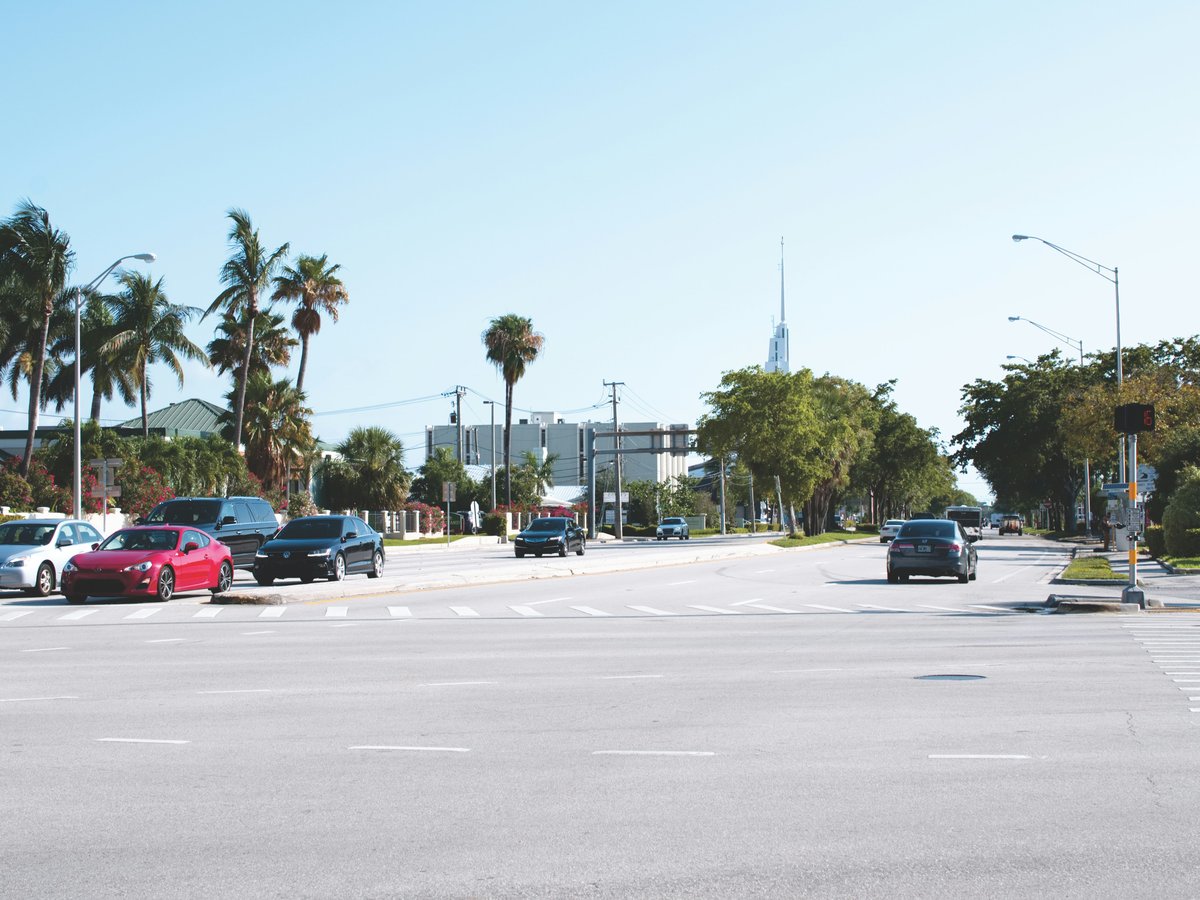
Stay in Fort Lauderdale in July
35 hotels in the Trip.com pool for Fort Lauderdale, from US$63 a night.
Opens Trip.com on Fri 2 Jul to Sun 4 Jul 2027; change the dates there.
July in Fort Lauderdale comes down to one thing. Humidity. The air wraps around you like a warm, wet towel the moment you step off the Brightline at Fort Lauderdale station, and it doesn't let go until you're back in air conditioning. Daytime highs hover around 31°C (88°F), which sounds manageable until the moisture pushes the feels-like temperature toward 38°C (100°F) most afternoons. Rain falls on roughly 23 of the month's 31 days, though that number overstates the disruption. A typical July storm rolls in from the Everglades between 2 and 4 p.m., drops heavy rain for 30 to 60 minutes with theatrical lightning, and clears by dinner. Mornings before 10 a.m. and evenings after 6 p.m. tend to be dry.
This is Fort Lauderdale's off-season, and the city wears it. The Canadian and northeastern snowbird population that fills Broward County from November through April is gone. Hotels along A1A price their rooms well below winter rates. Restaurants on Las Olas Boulevard that need reservations in February will seat you on the spot in July. The trade-off is straightforward. You're paying less because comfortable outdoor time narrows to about 8 hours, split between early morning and evening.
To be fair, the Atlantic Ocean rewards anyone willing to make the walk from hotel to sand. Water temperatures reach 29-30°C (84-86°F) by mid-July, warm enough that getting in feels effortless. Hugh Taylor Birch State Park, established in 1941, offers shaded trails between the beach and the Intracoastal Waterway. The reef at Lauderdale-by-the-Sea allows shore-entry snorkeling without a boat. If your trip centers on the water rather than walking tours and sidewalk cafes, July delivers at a fraction of peak-season cost.
Why visit in July
- Off-season hotel rates across Fort Lauderdale Beach and Las Olas make oceanfront rooms accessible at prices that would be impossible during the December-March peak
- Atlantic water temperatures hit their annual high in July, warm enough for extended swimming, snorkeling, and paddleboarding without a wetsuit
- Afternoon thunderstorms follow a predictable 2-4 p.m. pattern, leaving mornings and evenings reliably clear for outdoor plans
- Restaurants and attractions across the Riverwalk district operate without winter wait times, so walk-in dining replaces the reservation scramble
Worth knowing
- Daily afternoon lightning storms can shut down beaches, pools, and open-water activities for 2 hours or more, effectively removing the afternoon from outdoor plans
- July falls within the Atlantic hurricane season, and while direct hits are statistically less common than during the August-October peak, tropical weather systems can disrupt travel plans with little notice
- The midday heat index makes outdoor sightseeing between roughly 11 a.m. and 4 p.m. physically draining, pushing most visitors into air-conditioned spaces for the hottest stretch of the day
- Some locally owned restaurants in Victoria Park and Flagler Village reduce hours or close entirely for summer vacation during July
Best for
Think twice if
July follows a predictable daily cycle in Fort Lauderdale. Mornings start with thin cloud cover that burns off by 9 a.m., giving way to direct, intense sun. The air grows heavier through late morning as moisture streams in off the Atlantic. By early afternoon, the sky over western Broward County darkens to a blue-gray wall, and you can often watch the rain curtain advancing east from a hotel balcony. When the storm arrives, temperatures drop 5-6°C in minutes and streets flood briefly before draining. After it passes, the air smells of wet pavement and salt, and the humidity feels paradoxically lighter for an hour or two. Night temperatures hover near 25°C (77°F), warm enough that shorts and a light shirt work after dark.
Seasonal caution
- Tropical storms can form rapidly in the western Atlantic and Gulf during July. Monitor NOAA forecasts if a named system develops, and have a contingency plan for 1-2 indoor days. Hotel evacuation procedures are posted in guest rooms by Florida state law.
- South Florida records more cloud-to-ground lightning strikes per square kilometer than any other region in the United States. July is the peak month. Leave the beach, pool, and open water immediately when you hear thunder. Most beach lifeguard stations fly a red or purple flag during active electrical storms.
- The UV index in Fort Lauderdale averages 11-12 in July, classified as extreme by the WHO. Unprotected skin can begin to burn within 15 minutes of midday exposure, even through thin cloud cover.
Year-round climate
Averages from the last 5 years.
| Month | Avg high (°C) | Avg low (°C) | Rainfall (mm) |
|---|---|---|---|
| Jan | 24 | 16 | 68 |
| Feb | 26 | 18 | 68 |
| Mar | 27 | 19 | 85 |
| Apr | 28 | 21 | 96 |
| May | 30 | 23 | 117 |
| Jun | 30 | 24 | 289 |
| Jul | 31 | 25 | 159 |
| Aug | 31 | 25 | 198 |
| Sep | 30 | 24 | 323 |
| Oct | 29 | 23 | 187 |
| Nov | 27 | 20 | 120 |
| Dec | 25 | 18 | 101 |
Holidays and festivals in July
Public holidays
- Independence Day(Independence Day)5 July 2027
Best things to do in July
Early morning reef snorkeling at Lauderdale-by-the-Sea
water sportsThe reef sits roughly 100 meters (330 feet) from shore, making it one of the few beach-accessible reef systems in the continental US. Enter near Commercial Boulevard and you'll find parrotfish, sergeant majors, and sea fans in 2-4 meters (6-12 feet) of water.
Water temperature peaks at its annual high in July, comfortable enough for long snorkel sessions without a wetsuit. Morning visibility is strongest before afternoon storms churn the sand.Booking tipArrive before 9 a.m. to park at the public lot on Commercial Boulevard. It fills by mid-morning even in low season.
Kayaking the mangrove tunnels at Hugh Taylor Birch State Park
outdoorThe park's freshwater lagoon connects to the Intracoastal Waterway through a shaded mangrove corridor. Rental kayaks are available at the concession. The overhead canopy blocks direct sun, making this one of the few outdoor activities that stays tolerable through midday.
Shaded paddling beats any exposed activity in peak summer heat. Water levels from summer rains keep the mangrove tunnels fully navigable, which they sometimes aren't during the drier winter months.Booking tipThe park opens at 8 a.m. Arrive early. The kayak concession sometimes closes when afternoon lightning approaches.
Museum of Art Fort Lauderdale
cultureFounded in 1958, Broward County's premier art museum holds a permanent collection strong in CoBrA movement works alongside rotating exhibitions. The Edward Larrabee Barnes-designed building sits on Las Olas Boulevard and offers a full afternoon of air-conditioned viewing.
July's midday heat makes indoor cultural venues a practical necessity rather than a rainy-day backup. The museum typically runs extended summer programming and workshop series through the month.Sunset Intracoastal boat tour past Millionaire's Row
sightseeingEvening boat tours run north from the Riverwalk marina along the Intracoastal Waterway, passing the waterfront estates of Las Olas Isles and Harbor Beach. The mansions range from Mediterranean revival to modern glass, most with their own yacht docks.
July's afternoon thunderstorms often clear by 6 p.m., leaving pink and orange sunsets more dramatic than the dry season's clear-sky versions. Temperatures on the water drop noticeably below shore readings.Booking tipBook a departure after 6:30 p.m. to catch the sunset. Departures before 5 p.m. face the worst of the afternoon heat.
Florida lobster mini-season diving
water sportsFlorida's annual two-day recreational lobster harvest opens in late July, two days before the commercial season begins. Divers work the natural and artificial reefs off Broward County. The bag limit is 12 per person per day during the sport window.
This two-day window happens only once a year, in July. The reefs hold their largest, least-pressured lobster populations before commercial boats begin operations.Booking tipCharter boats fill months in advance. Book by early May if you want a spot.
Butterfly World in Coconut Creek
natureThe world's largest butterfly park, open since 1988, houses roughly 20,000 live butterflies across screened aviaries. The tropical garden setting and enclosed walkways make it a full-morning activity in any weather.
Butterflies are most active in warm, humid conditions. July's heat means the aviaries reach peak population densities, with species that are dormant or less visible in cooler winter months.Booking tipGo on a weekday morning. The aviaries warm up inside even with fans, so earlier is more comfortable.
Evening Riverwalk stroll from Esplanade Park to Stranahan House
walkingThe 1.6-kilometer (1-mile) paved Riverwalk follows the north bank of the New River through downtown Fort Lauderdale, passing public art installations, Stranahan House (the city's oldest surviving structure, built in 1901), and waterfront restaurants.
After-sunset temperatures settle into the mid-to-upper 20s Celsius, as comfortable as Fort Lauderdale gets in July. The Riverwalk hosts free concerts on summer Friday evenings, giving the walk a destination.What to eat in July
In season: fruit
Florida mangoes
Southern Florida mango trees fruit from June through August, with July as the heart of harvest. Broward County front yards produce them freely. Look for Haden, Tommy Atkins, and Kent varieties at roadside stands and at the Yellow Green Farmers Market in Hollywood.
Florida lychee
Florida-grown Brewster lychees hit their final harvest window in early July. The fruit has a floral sweetness distinct from imported Asian varieties, and growers in Homestead and Davie sell them at farm stands until the crop runs out.
On menus now
Key lime pie
Key limes ripen through summer in the Keys and coastal Broward County. Some Fort Lauderdale bakeries switch to fresh-squeezed local juice in July rather than bottled concentrate, giving the custard a sharper, more aromatic bite.
What to drink
Frozen rum runner
A frozen cocktail built on rum, banana liqueur, and blackberry brandy. Fort Lauderdale beach bars pour them year-round, but July's heat makes the frozen version the default order. The drink is closely associated with the Florida Keys and appears on nearly every beachfront menu in Broward County.
In markets
Florida spiny lobster
The recreational harvest in late July brings the first fresh spiny lobster of the season to local fish markets and waterfront restaurants along the Intracoastal. Expect lobster tail specials near Lauderdale-by-the-Sea for the weekend following the sport opener.
Regular events in July
Fort Lauderdale Fourth of July SpectacularFree
The city's main Independence Day celebration centers on Fort Lauderdale Beach, with a fireworks show launched near Las Olas Boulevard. Live music stages line A1A and the beach fills early with locals and regional visitors. This is the one day in July when Fort Lauderdale feels crowded.
July 4Florida Lobster Sport Season
A two-day recreational harvest window for Florida spiny lobster on the reefs off Broward County. The event draws divers from across the state, with some heading north from the Keys to Fort Lauderdale's less-pressured reefs.
Last consecutive Wednesday and Thursday of JulyFriday Night Sound WavesFree
A free outdoor concert series on the Riverwalk Fort Lauderdale stage running Friday evenings through summer. Acts range from reggae to jazz to Latin music, with food trucks lining the promenade.
Every Friday evening, typically 7-10 p.m.Inter Miami CF home matches at Chase Stadium
The MLS regular season runs through summer, with Inter Miami CF hosting multiple fixtures at the 18,000-seat Chase Stadium in Fort Lauderdale. Evening kickoffs under the lights are more comfortable than occasional afternoon starts.
Multiple dates in July, per MLS scheduleSummer concerts at Amerant Bank Arena
Major touring artists play the 20,000-seat indoor arena in neighboring Sunrise throughout July. The air-conditioned venue is unaffected by weather, making it one of the most reliable evening entertainment options during storm season.
Varies by touring scheduleBest places this July
Bonnet House Museum & Gardens
museumA 1920s-era artist's estate on 14 hectares (35 acres) between the Intracoastal and the ocean. The grounds hold subtropical gardens, a freshwater swamp, and a colony of Brazilian squirrel monkeys. The house interior stays cool for guided tours, and the tree canopy makes an outdoor walk tolerable even in July heat.
Central BeachStonewall National Museum Archives & Library
museumFounded in 1973, one of the largest LGBTQ+ archives in the country. Rotating exhibitions and a research library are entirely indoors, making it a strong midday destination when the heat peaks outside. Free admission.
Wilton ManorsLas Olas Oceanside Park
parkThe rebuilt beachfront park at the eastern end of Las Olas Boulevard, with shade structures, a children's splash pad, and direct beach access. The splash pad gives families a cooler alternative to sitting on sun-baked sand during the hottest hours.
Fort Lauderdale BeachFlagler Village murals
neighborhood walkThe warehouse district north of downtown features large-scale murals covering entire building facades. An early morning or post-sunset walk through the neighborhood covers the main works in about 45 minutes. The area also holds several coffee shops and breweries for a break between walls.
Flagler VillageArt and Culture Center of Hollywood
galleryEstablished in 1975, this gallery and performance space sits about 15 minutes south of downtown Fort Lauderdale. Summer exhibitions tend to feature South Florida artists. The air-conditioned galleries and a small sculpture garden make it a worthwhile half-day visit.
Hollywood
Your packing checklist
Tick items off as you pack. Your progress saves in this browser.
All packed — have a great trip.
Insider tips
The afternoon storm pattern is your scheduling tool, not your enemy. Plan indoor activities like museums and Las Olas shopping for 1-4 p.m. and outdoor time for mornings and evenings. Locals have structured their entire daily rhythm around this cycle for decades.
Wilton Manors Drive has more walkable restaurant and bar density than most of Fort Lauderdale Beach. Parking is free on side streets, and the neighborhood feels like a small town rather than a tourist strip. Worth noting if you want a local evening out without the resort markup.
The free Sun Trolley runs along Las Olas Boulevard connecting downtown to the beach. Most visitors don't realize it exists and pay for beach parking instead. The trolley runs every 15-20 minutes and is air-conditioned.
If you're here for the lobster mini-season, buy your Florida saltwater fishing license and lobster stamp online through the FWC website before you fly in. They process instantly, and charter captains won't take you out without them.
Fort Lauderdale scores 6.2/10 for solo-traveler safety (see the TTDI Solo-Safety Index). The beach strip, Riverwalk, and Las Olas corridors feel safe after dark, but neighborhoods west of I-95 have a different character at night. Solo travelers should plan evening activities around these well-lit areas.
Avoid these mistakes
- Booking a walking food tour or outdoor cycling tour for the middle of the day. The heat between late morning and mid-afternoon is the most punishing stretch, and what sounds manageable in a booking confirmation becomes exhausting on the ground. Choose morning or sunset departures instead.
- Assuming rain means the day is ruined. First-time visitors see the dark afternoon clouds and retreat to their hotel for hours. The storms typically pass in under 60 minutes. Wait it out at a covered restaurant, then resume your plans.
- Skipping sunscreen on overcast mornings. Cloud cover in July still carries dangerous UV loads, and the clouds break without warning. Apply before leaving your hotel regardless of what the sky looks like at 8 a.m.
- Renting a convertible for cruising A1A. The combination of afternoon rain, intense sun, and South Florida's lightning frequency makes a hardtop the far smarter choice in July.
Practical tips for July
Book water-based activities for morning departures, ideally before 10 a.m., since afternoon sessions face frequent cancellation from lightning. Outdoor dining reservations should target 7 p.m. or later, after storm risk drops and temperatures ease. Carry cash for roadside mango and fruit stands along Sample Road in Coral Springs and in Pompano Beach, where some sellers only take cash. The Brightline train from Fort Lauderdale's downtown station connects to Miami and West Palm Beach in under an hour, an air-conditioned day-trip option that avoids I-95 traffic. Hotel cancellation policies tighten around the July 4th weekend despite the overall low-season pricing. If a tropical storm watch is issued for Broward County, most major hotel chains waive cancellation fees, but confirm this policy with your specific property before booking.
FAQ
Is July a good time to visit Fort Lauderdale?
July ranks in the bottom third of all 12 months for visiting. The combination of high humidity, daily storms, and hurricane-season risk works against it. The clear advantages are significantly lower prices and virtually no crowds. If you tolerate heat well and structure outdoor time around the morning and evening windows, July delivers a quieter, cheaper version of the city. The best months are generally December through March, when temperatures are milder and rainfall drops sharply.
What is the weather like in Fort Lauderdale in July?
Hot, humid, and punctuated by brief but intense afternoon thunderstorms. Mornings start warm and build into the low 30s Celsius (upper 80s Fahrenheit) by early afternoon. The real challenge is humidity, which makes the air feel several degrees hotter than the thermometer reads. Rain falls on roughly three out of every four days, but most showers follow a predictable early-afternoon pattern and pass in under an hour. Evenings are warm but more manageable, especially along the coast where the ocean breeze helps.
Is Fort Lauderdale crowded in July?
No. July is solidly low season. The snowbird population that fills Broward County from late fall through spring is entirely absent, and tourist numbers thin considerably compared to the December-April peak and spring break weeks. You'll share Fort Lauderdale Beach with a fraction of the February or March crowd. The one exception is the July 4th weekend, when locals and regional visitors fill the beachfront for the fireworks celebration.
Can you still enjoy the beach in Fort Lauderdale in July?
Yes, with adjustments. The water is at its warmest and most inviting all year. The sand and pavement, though, get painfully hot by late morning. Plan beach time for before 10 a.m. or after 4:30 p.m. Bring shade in the form of a beach umbrella or tent, and expect to leave the water briefly when afternoon lightning arrives. Lifeguard stations close the beach during electrical storms, typically for 30 minutes after the last visible strike.
Is July part of hurricane season in Fort Lauderdale?
Yes. The Atlantic hurricane season runs from June 1 through November 30, with July falling in the early portion. Major hurricane landfalls in South Florida during July are historically less common than in the August-October peak. Tropical storms and weather systems can still form quickly, however, and even a near-miss system brings heavy rain and wind for 1-2 days. Travel insurance with trip-interruption coverage is worth considering if you're booking non-refundable plans.
Things to Do in Fort Lauderdale in July
 Free cancellation
 All Day Venice HopOn HopOff Water Taxi Tour
Day trip: free cancellation.
via Viator Free cancellation
 #1 VENICE OF AMERICA TOUR - Cold A/C 115' LARGEST IN LAUDERDALE!
Cruise: 1.5 hours, free cancellation.
via Viator Free cancellation
 Jungle Queen Riverboat 90-Minute Narrated Sightseeing Cruise in Fort Lauderdale
Cruise: 1.5 hours, free cancellation.
via Viator Free cancellation
 Evening Boat Cruise through Downtown Ft. Lauderdale
Cruise: 2 hours, free cancellation.
via Viator Free cancellation
 Half-day Everglades National Park Tour and 1-Hour Air Boat Ride
Day trip: free cancellation.
via Viator Free cancellation
 Everglades VIP Airboat Tour with Transportation Included
Day trip: 4 hours, free cancellation.
via ViatorFind a flight to Fort Lauderdale
Live fares to Fort Lauderdale appear here once cookies are accepted.
Last verified by automated review (v1.7.2) on . What is automated review?