Is Fort Lauderdale safe?
Fort Lauderdale scores 6.2 out of 10 for solo-traveler safety (see the TTDI Solo-Safety Index). The beach strip along A1A is well-lit and patrolled, but the city is car-dependent with limited night transit. Violent crime against tourists stays low. The real risks are heat exposure, aggressive panhandling near the Broward Central Bus Terminal after dark, and pedestrian-hostile six-lane road crossings throughout Broward County.
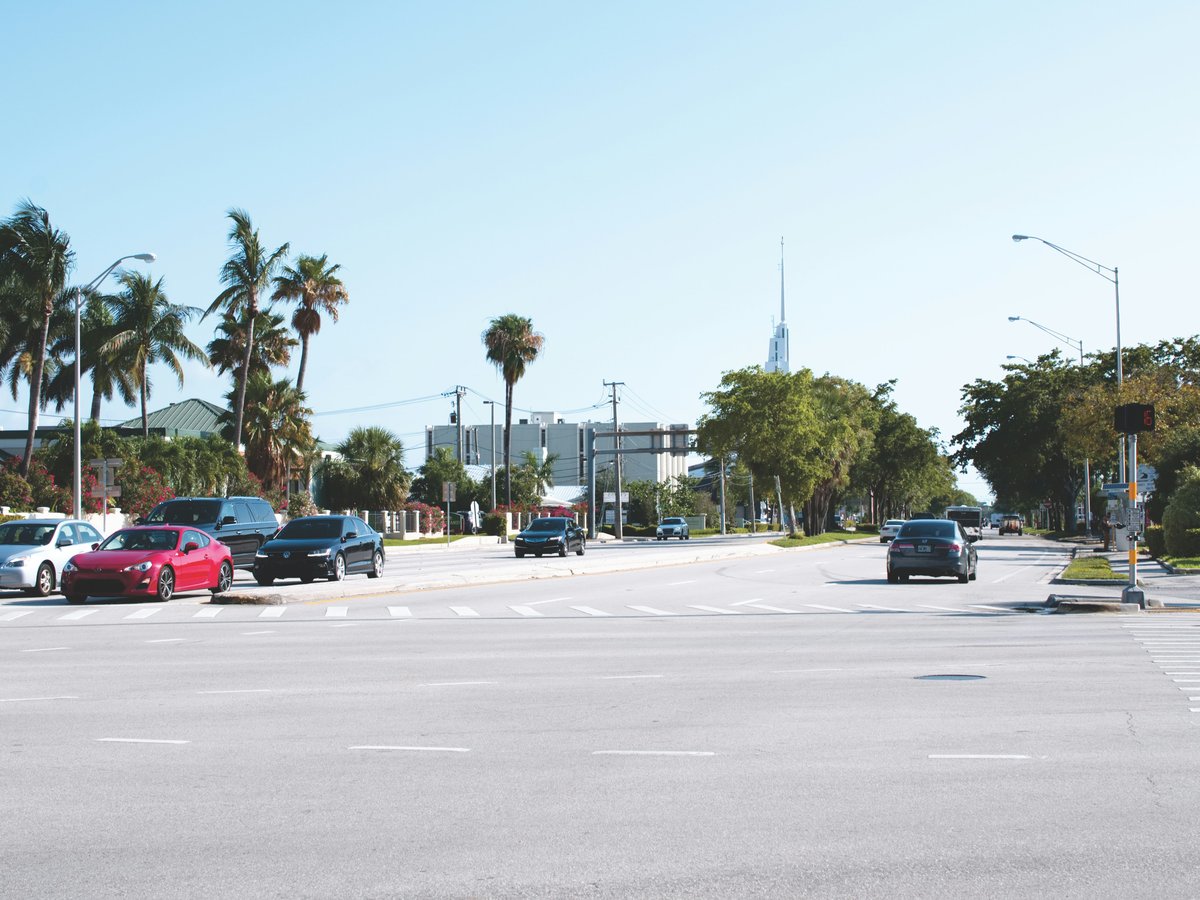
Fort Lauderdale rates 6.2 out of 10 for solo-traveler safety (see the TTDI Solo-Safety Index). That middling number has more to do with Broward County's car-first road design than with violent crime. The grid favors six-lane arterials and highway on-ramps over sidewalks. FBI crime data for 2023 puts Broward County's property-crime rate above the national average, but those incidents concentrate in neighborhoods west of I-95 that most visitors never enter. The risks you'll face along the tourist corridor are different. Heat exposure tops the list. In early September, 25.8°C at 90% humidity makes the air feel like 31.5°C before 10 AM, and the salt-thick breeze off the Intracoastal does little to cut it. Carry at least 1 liter of water. Aggressive panhandling near the Broward Central Bus Terminal picks up after dark, and the wide road crossings on Broward Boulevard treat pedestrians as an afterthought.
The beach strip along State Road A1A between Sunrise Boulevard and SE 17th Street is the safest corridor for solo visitors. Fort Lauderdale Beach Park has lifeguards on duty 9 AM to 5 PM, visible police patrols on ATVs, and enough foot traffic that walking back to your hotel at 11 PM feels reasonable. The sand is coarse and shell-flecked, the water warm and murky green through September, and the low rumble of cruise ships leaving Port Everglades carries across the whole strip. Las Olas Boulevard, running west from A1A toward downtown, is the other walkable zone. Restaurants like Timpano Italian Chophouse and Wild Sea Oyster Bar seat solo diners at the bar without a reservation, and the sidewalk tables stay full until midnight on Fridays and Saturdays. Worth noting, Wilton Manors, about 10 minutes north by rideshare, is one of the most LGBTQ-welcoming neighborhoods in Florida and a strong option for solo socializing along Wilton Drive.
Stay out of the area bounded by Sistrunk Boulevard, NW 27th Avenue, and Broward Boulevard after dark. This is not tourist-facing Fort Lauderdale. Federal Highway (US-1) between Davie Boulevard and SW 24th Street gets rough at night, with poorly lit sidewalks and sparse foot traffic. The Greyhound station on NW 1st Avenue draws a transient crowd; if you arrive by bus, take a rideshare from the platform rather than walking the surrounding blocks. Mind you, daytime along Sistrunk feels like a different corridor. The African American Research Library and Cultural Center (opened 2002) anchors the area, and you'll see construction scaffolding and new coffee shops alongside older storefronts. But solo and on foot after 10 PM with a phone in your hand, you become a softer target for opportunistic theft.
Meeting people on your first day in Fort Lauderdale is easier than you might expect. Hugh Taylor Birch State Park (open since 1941) runs ranger-led kayak tours on Saturday mornings for about $35 per person, no single supplement. The park sits between the Intracoastal and the ocean on East Sunrise Boulevard, and the mangrove-tunneled paddle route puts you alongside 8 to 12 other visitors in close quarters. For evening socializing, the Riverside Hotel's lobby bar on Las Olas has served as the default solo-traveler perch since the hotel opened in 1936. Order a Dark 'n' Stormy, sit at the bar, and odds are good someone starts talking within 20 minutes. Fort Lauderdale is not a backpacker city, and hostel options are thin. But several hotels in the Victoria Park neighborhood, about 2 miles from the beach, list genuine single-occupancy rates starting around $85 per night in September.
Women traveling solo should know that the beach bars along A1A get rowdy after midnight. Elbo Room and McSorley's Beach Pub carry a spring-break energy that lingers into fall weekends, and stepping outside at 2 AM means sharing the sidewalk with groups past their best judgment. Rideshare pickup from the beach works well if you pin your exact location on A1A, because the numbered streets repeat on both sides of the Intracoastal and drivers get confused. The Brightline station downtown has security staff and good lighting until the last departure around 11 PM. Tri-Rail, the commuter line to Miami and West Palm Beach, feels emptier on weekend evenings. I'd pick Brightline after dark. Hurricane season runs through November 30. Check NOAA's National Hurricane Center forecasts before booking September or October travel. Flight cancellations at FLL can strand a solo traveler for 2 to 3 days with limited rebooking options.
Emergency number: 911
Official travel advisories
Normal precautions the most cautious of 1 government assessment
- Government of CanadaLevel 1Take normal security precautions View advisory
Verified from the issuing governments' own feeds.
Areas to avoid
- Sistrunk Boulevard corridor after dark
- Federal Highway (US-1) between Davie Blvd and SW 24th Street at night
- NW 27th Avenue west of downtown after dark
- Greyhound station area on NW 1st Avenue
- Broward Central Bus Terminal surroundings after 9 PM
Common concerns
- Car-dependent city with limited pedestrian infrastructure outside the beach strip and Las Olas Boulevard
- Aggressive panhandling near the Broward Central Bus Terminal and downtown Broward Boulevard after dark
- Extreme heat and humidity from May through October, with feels-like temperatures 5-6°C above the reading
- Hurricane season runs June 1 through November 30, with flight cancellations at FLL stranding travelers for days
- Poorly lit sidewalks along Federal Highway (US-1) south of downtown
- Spring-break bar culture on A1A that persists into fall weekends, with rowdy crowds after midnight
Last verified by automated review (v1.7.2) on . What is automated review?