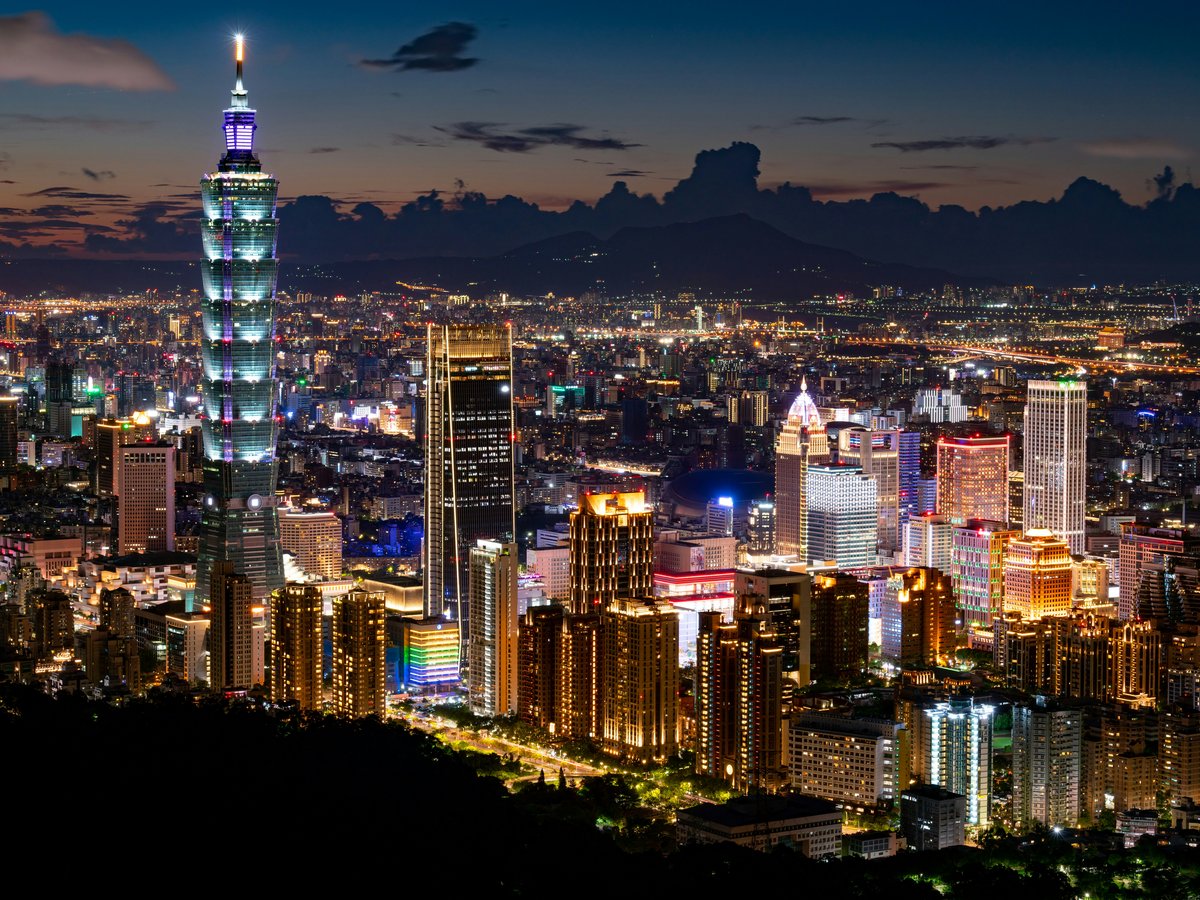
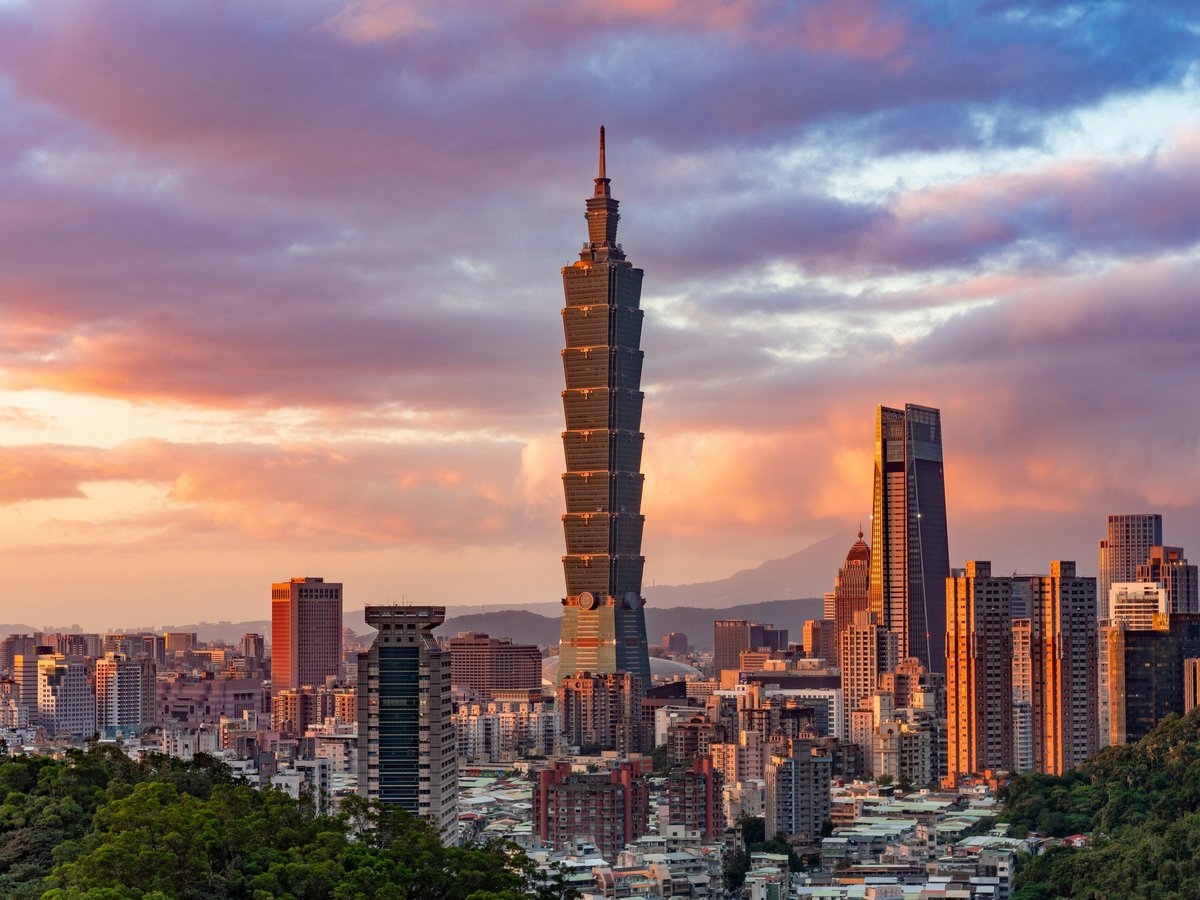
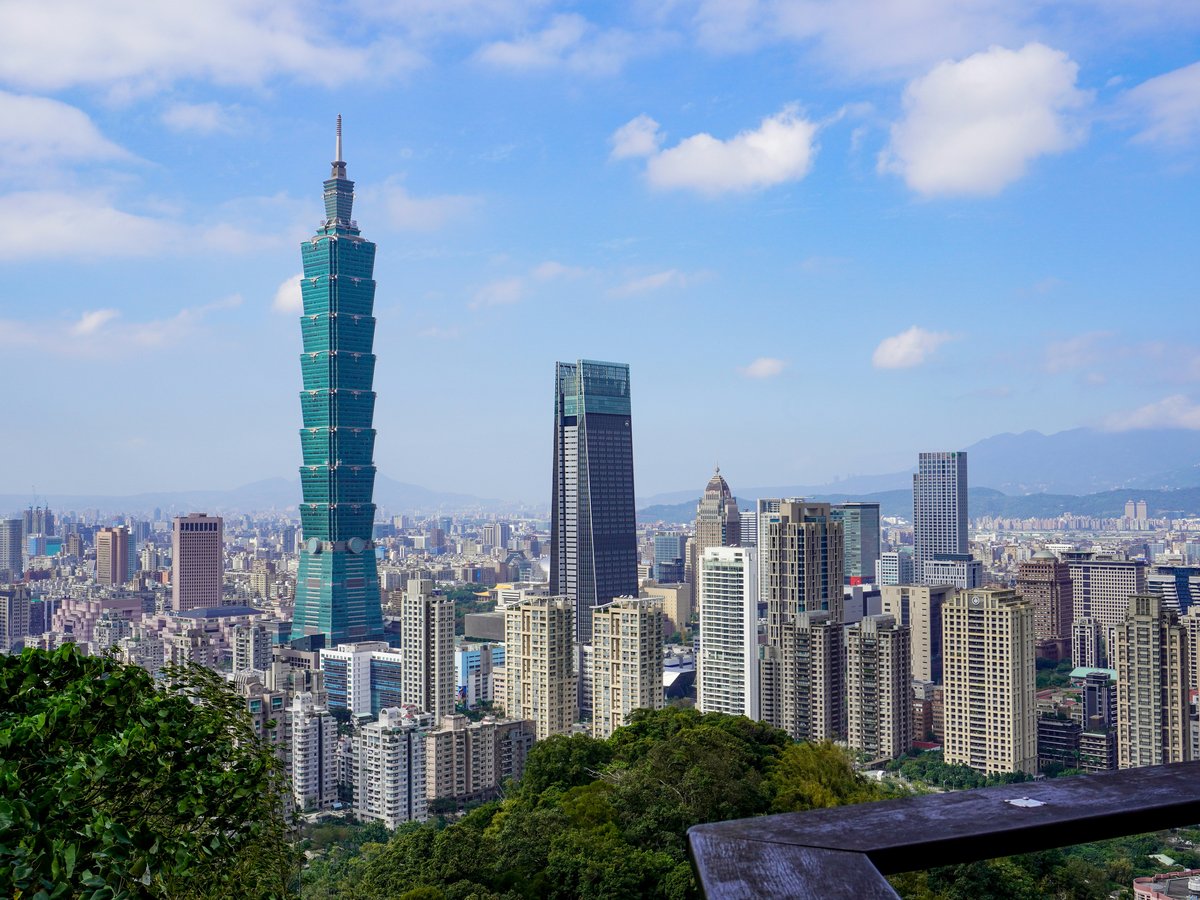
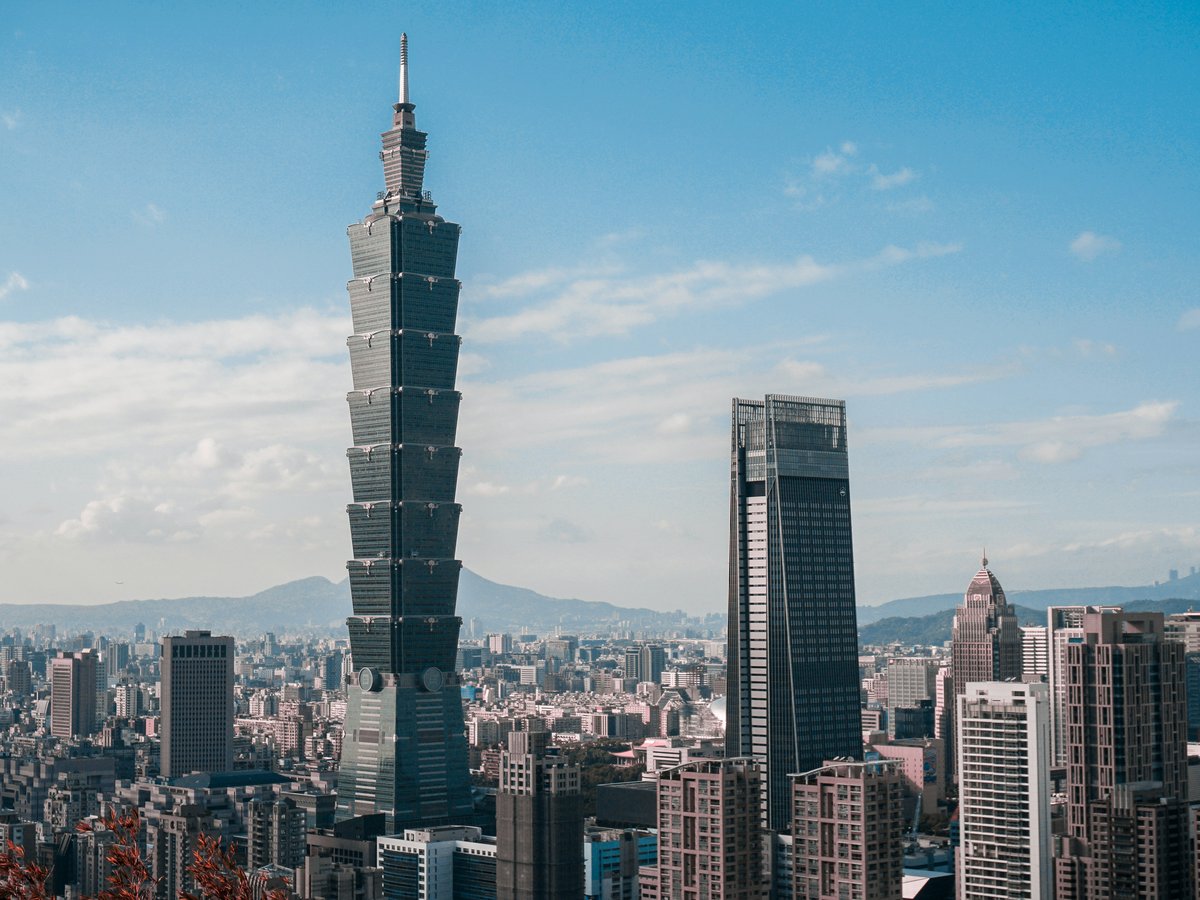
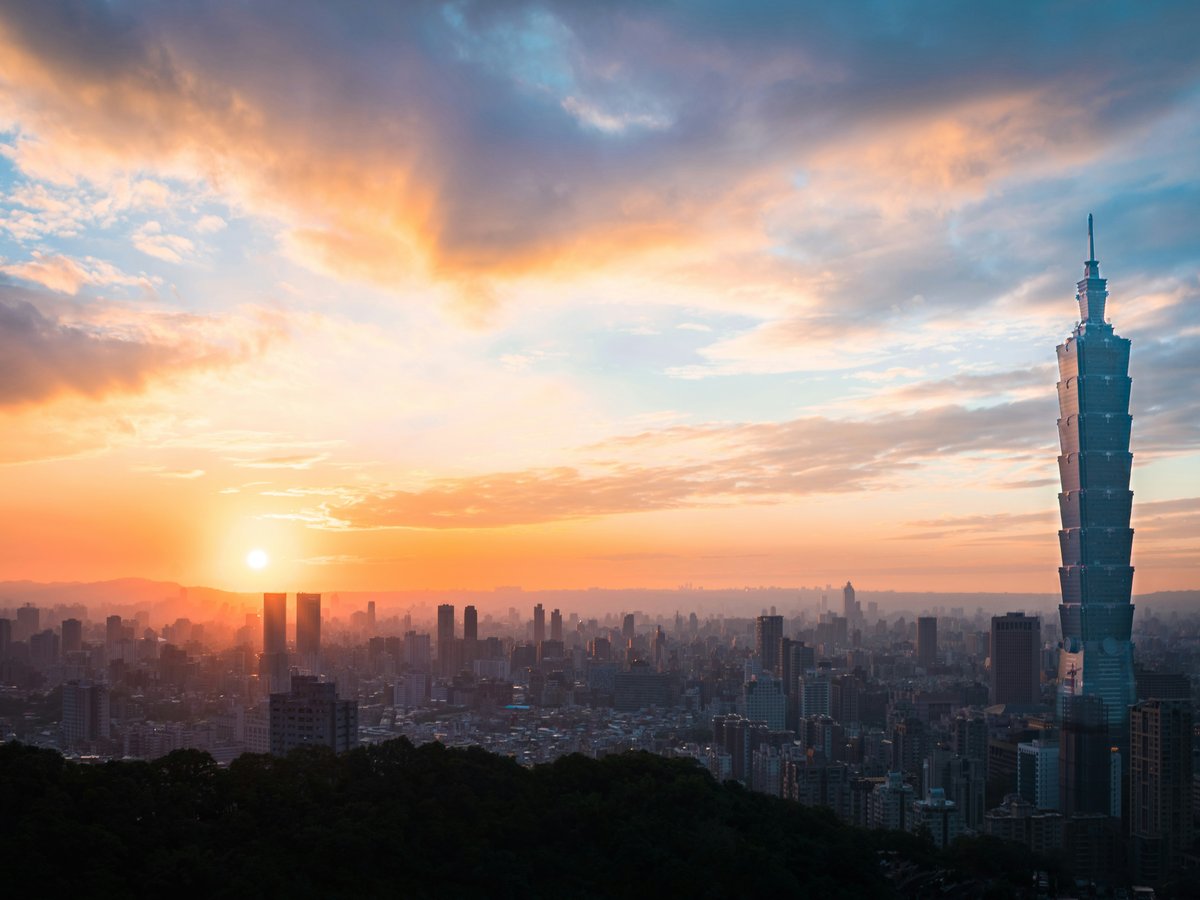
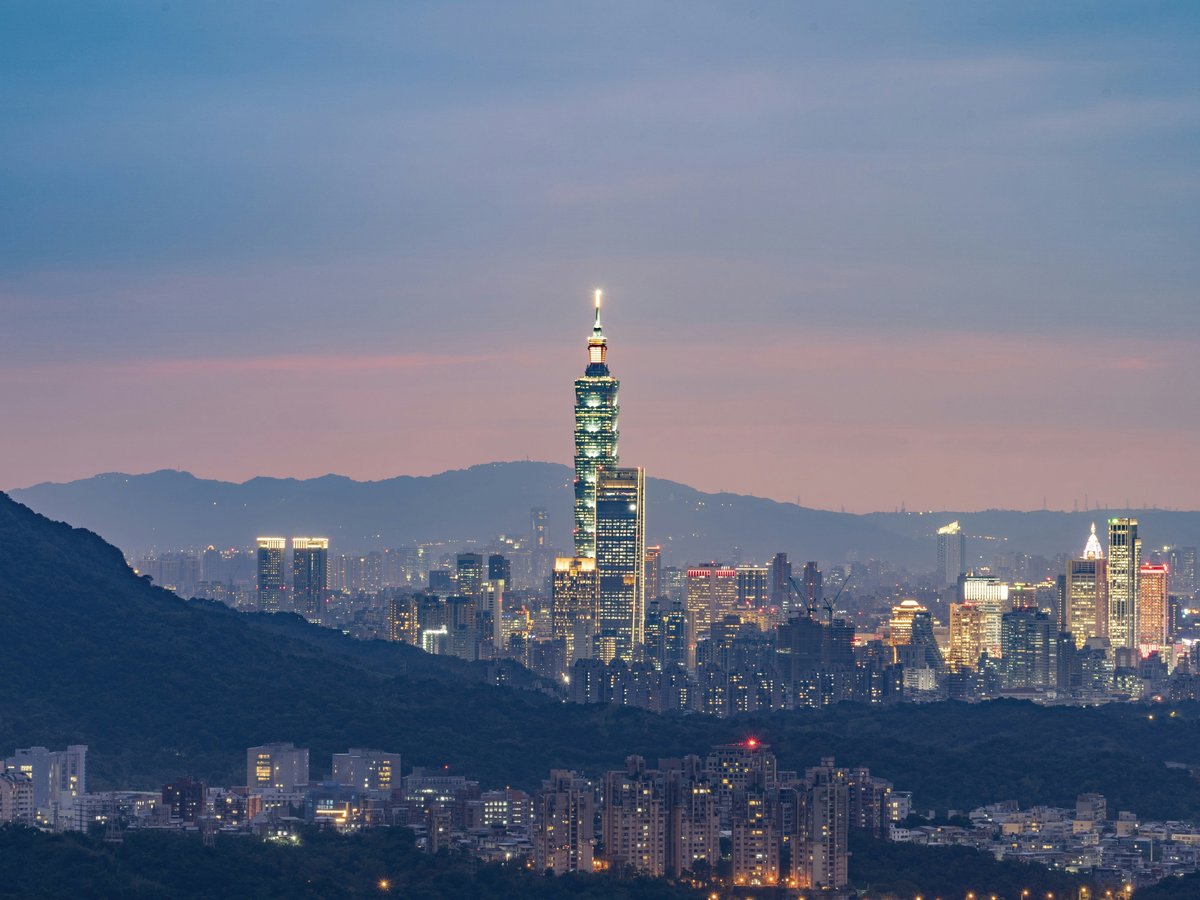
Taipei sits in a basin ringed by volcanic peaks (Yangmingshan to the north, its fumaroles still steaming) with the Tamsui and Keelung rivers threading through the city floor. That geography shapes everything a visitor encounters: the subtropical humidity hanging in the alleys of Wanhua, the oldest district, where Longshan Temple has drawn worshippers since 1738; the hot springs at Beitou, fed by the same geothermal system that keeps Yangmingshan's sulfur vents alive. The city grew outward from those temple precincts through Japanese colonial rule, which left behind the Presidential Office Building and the grid of lanes in Zhongshan now holding independent bookshops and coffee roasters, then through postwar decades when Kuomintang refugees from every Chinese province packed into military dependents' villages, concentrating a density of regional cooking found nowhere else on the island. Modern Taipei moves at a pace that catches newcomers off guard: the MRT runs clean and punctual, convenience stores occupy every second block, and night markets that locals actually frequent, Raohe and Ningxia, stay open past midnight on weekdays. Mornings often start with soy milk and shaobing from a sidewalk counter in Da'an, the residential district where tree-lined lanes sit one block from six-lane boulevards. By afternoon the weather usually suggests a choice: the air-conditioned halls of the National Palace Museum, which holds the collection the Nationalists shipped from Beijing in 1949, or the shaded trails up Elephant Mountain, where the skyline (Taipei 101 still its tallest punctuation mark) spreads below a canopy of banyan and fern. Evenings collect in Xinyi, the commercial district built on what was a military depot until the 1990s, or in the narrower streets of Yongkang, where tea houses have outlasted three generations of landlords. The city rewards no particular agenda; it simply functions, and that orderliness is itself what visitors remember.
Taipei in photos
Taipei right now
Answers about Taipei
-
Airport to city
Take the Taoyuan Airport MRT Express from TPE to Taipei Main Station. It costs 160 TWD ($5) and takes 35 minutes, with trains every 15 minutes from 6:00am to 11:00pm. After midnight, the Kuo-Kuang 1819 bus runs 24 hours for 140 TWD ($4.30). Taxis cost 1,200 to 1,500 TWD ($37-46).
Read the full answer → -
Best time to visit
Book late October or November. Daytime highs in Taipei settle between 23 and 27°C, typhoon season is over after mid-October, and November rainfall is about a third of September's. Avoid July through September unless you can afford to lose a day to a typhoon. March and April are the next-best choice, bringing spring flowers to Yangmingshan but frequent drizzle with them.
Read the full answer → -
Cost per day
Taipei's budget floor sits at NT$950/day ($30). That covers a hostel dorm bed, street food, and EasyCard MRT fares. Midrange runs NT$2,500 ($80) with a private hotel room and restaurant dinners. Luxury hits NT$7,000+ ($220+) at high-end hotels with kaiseki dinners. Night market dishes run NT$60-100 ($2-3), and the major memorial halls charge nothing.
Read the full answer → -
Cultural etiquette
Taipei runs on understated politeness, not formal ritual. The two mistakes visitors make most are sticking chopsticks upright in a rice bowl (it mimics funeral incense) and eating on the MRT, which carries a fine of NT$1,500 to NT$7,500. Tipping is not expected anywhere. Give and receive items with both hands, business cards above all.
Read the full answer → -
Best day trips
Jiufen's gold-rush-era teahouses sit 35 km northeast of Taipei, reachable by bus 1062 from Zhongxiao Fuxing MRT in 80 minutes. Pingxi's Shifen Waterfall and sky lantern releases work well for couples. Yehliu Geopark's wind-sculpted hoodoo rocks need 90 minutes by Guoguang bus 1815. Wulai, 25 km south, pairs Atayal village walks with outdoor hot spring pools.
Read the full answer → -
Digital nomads
Taipei scores 8.2/10 for digital-nomad suitability (sourced from TTDI's editorial rubric). Fiber internet averages 300 Mbps in residential apartments across Da'an and Zhongshan for 15,000-25,000 TWD a month. Coworking hot-desks start at 4,500 TWD/mo ($140). Monthly all-in budget sits around $1,800. The Employment Gold Card offers 1-3 years of residency with an open work permit.
Read the full answer → -
Family-friendly
Taipei is family-friendly, 8/10. The MRT has elevators at every station, stroller ramps are standard, and convenience stores on every block solve snack emergencies in seconds. Taipei Zoo costs NT$60 per adult. The Children's Amusement Park in Shilin runs NT$20-30 per ride. Summer humidity above 80% is the main challenge. Night markets work best with kids in carriers, not strollers.
Read the full answer → -
Food culture
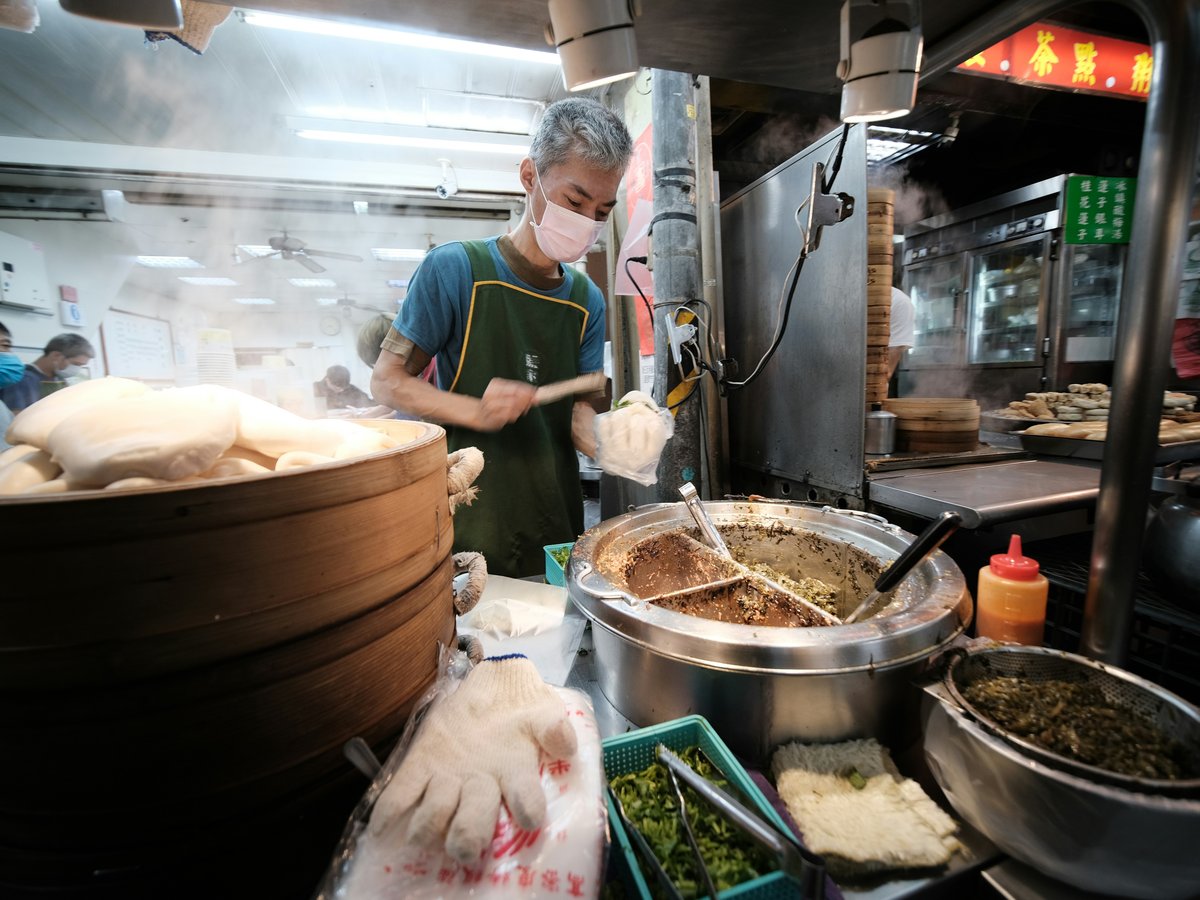
Taipei runs on night markets, breakfast soy-milk shops, and 30-TWD bowls of lu rou fan from hole-in-the-wall lunch counters. Raohe and Ningxia night markets feed the city after dark with pepper buns, oyster omelettes, and stinky tofu grilled over charcoal. Beef noodle soup is the civic obsession. Tipping is not expected. Budget 300-500 TWD per day eating well from stalls.
Read the full answer → -
Getting around
EasyCard on the MRT handles 90% of Taipei transit. Six color-coded lines run from 6am to midnight, fares NT$20-65 per ride. Load one at any 7-Eleven for a NT$100 refundable deposit. YouBike 2.0 docks appear every 300 meters for the last stretch. LINE Taxi or Uber for anything after the trains stop.
Read the full answer → -
How to get there
Taipei Taoyuan International Airport (TPE), 40 km west of the city, handles nearly all international flights. EVA Air and China Airlines fly nonstop from Los Angeles, San Francisco, and New York. The Taoyuan Airport MRT runs every 15 minutes to Taipei Main Station in 35 minutes for NT$160 (about $5).
Read the full answer → -
Is it safe?
Taipei scores 8.5 out of 10 for solo-traveler safety (see the TTDI Solo-Safety Index). Violent crime against visitors is close to nonexistent, the MRT runs until midnight with well-lit stations, and 7-Eleven stores on nearly every block serve as informal safe points. Real risks are scooter traffic at crosswalks and typhoons from June through October.
Read the full answer → -
Language basics
Mandarin Chinese is Taipei's primary language, written in Traditional Chinese characters. English works in tourist areas like Xinyi District and around Taipei 101 with younger locals, but drops off sharply with older residents and at traditional markets. The MRT announces stops in Mandarin, Taiwanese Hokkien, Hakka, and English. Most restaurant menus near tourist sites carry photos or English text.
Read the full answer → -
Layover guide
Yes, and Taipei makes it straightforward. The Taoyuan Airport MRT Express reaches Taipei Main Station in 35 minutes, running every 15 minutes from both terminals. Six hours is the realistic minimum after immigration, round-trip transit, and a 90-minute return buffer. Visa rules vary by passport, so verify yours before leaving the terminal.
Read the full answer → -
LGBTQ-friendly
Taipei rates 9/10. Taiwan legalized same-sex marriage in May 2019, the first country in Asia to do so. The Red House plaza in Ximen is the queer social hub, with 20-plus outdoor bar terraces open nightly. Same-sex couples hold hands freely across the city, and Taiwan Pride draws 200,000 people each October.
Read the full answer → -
Where locals go
Locals in Taipei head to Fujin Street in Minsheng Community on weekday mornings and to Shuanglian morning market before 10am, eat at Nanjichang Night Market in Wanhua after 6pm, and drink at Chifeng Street's small bars midweek. On weekends, many Taipei cafes set a 90-minute seat limit. For a full workday, use the Taipei Public Library main branch in Da'an.
Read the full answer → -
Must-see
The National Palace Museum in Shilin. Its 697,000 Chinese imperial artifacts were shipped from Beijing's Forbidden City in 1948, and no other museum holds this collection. Admission is NT$350, about $11 USD. Weekday mornings before 10am give you the Jadeite Cabbage gallery without the tour-bus crowds.
Read the full answer → -
Solo travel
Taipei rates 9/10 for solo travel. The MRT covers 6 lines and over 130 stations, runs until midnight, and takes EasyCard for cashless tapping. Night markets are built for single diners, with counter seating and no stigma eating alone. Violent crime against tourists is near zero. Star Hostel and Meander Taipei run social events most evenings, and single-occupancy hotel rooms rarely carry a supplement.
Read the full answer → -
This week
Taipei runs on a night-market weekly cycle. Raohe Street Market in Songshan opens nightly from 5pm but peaks Tuesday through Thursday when locals outnumber tourists. Shilin Night Market is best avoided on Saturdays unless you want elbow-to-elbow crowds. Sunday mornings belong to Daan Forest Park tai chi groups and the Jianguo Weekend Flower Market, open Saturday and Sunday until 6pm.
Read the full answer → -
3-day itinerary
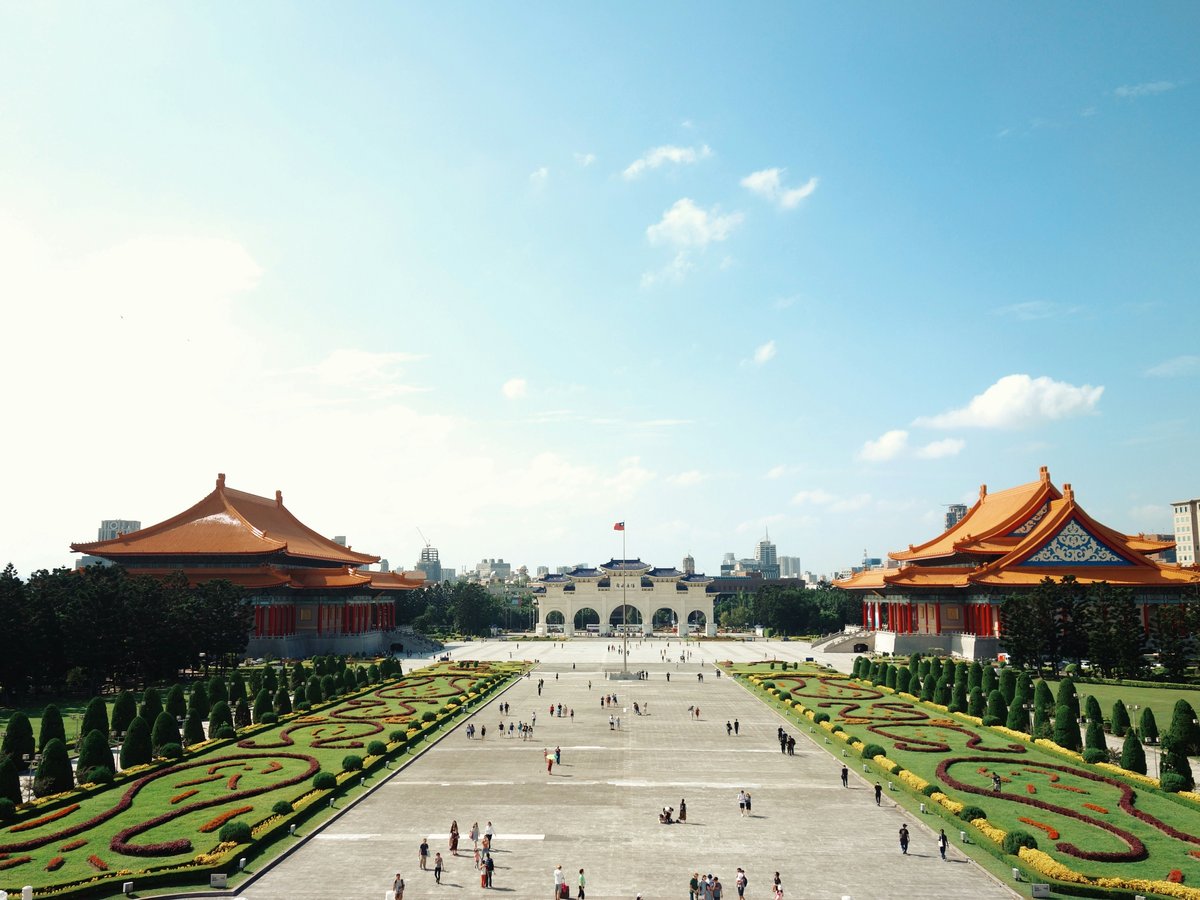
Day 1 covers Zhongzheng and Wanhua on foot, from Liberty Square to Longshan Temple to Dadaocheng. Day 2 moves east to Xinyi for Taipei 101 and Yongkang Street's beef noodles. Day 3 heads north to Beitou's hot springs and the National Palace Museum in Shilin. About 25 kilometres of walking across all three days, plus MRT rides between districts.
Read the full answer → -
What to avoid
Skip Shilin Night Market for Raohe or Ningxia. Skip Shifen's sky lanterns and Jiufen on weekends, and skip the Taipei 101 observatory on cloudy days in favor of the free Elephant Mountain trail. Never eat or drink inside a Taipei Metro paid area, and at Taoyuan arrivals take the Airport MRT express, never a ride touted at a flat price.
Read the full answer → -
What to pack
Taipei in June means 28-35°C heat, 85%+ humidity, and near-daily afternoon rain. Pack quick-dry shirts, a packable rain jacket, and walking shoes with tread for wet tile sidewalks. One long-sleeve layer handles the aggressive MRT air conditioning. Taiwan uses 110V Type A/B outlets, same as the US. Europeans need an adapter. Skip the umbrella and buy one at any 7-Eleven for NT$100.
Read the full answer → -
Where to stay
Zhongshan district for a first trip to Taipei. It sits on both the red and green MRT lines, 2 stops from Taipei Main Station and 4 from Taipei 101. Budget NT$2,500-4,500 ($80-140) per night for a mid-range hotel. Da'an is the pick if Yongkang Street's dumpling scene matters more than transit centrality.
Read the full answer →
Deep guides for Taipei
-
Taipei With Kids: What Works
Taipei's verified family score of 7.8 hides a sharp divide. The famous sights tend to be meltdown traps for under-5s, and the places that work rarely make the first page of a guidebook. This is the itinerary shape that earns the number.
Read the guide → -
Best Time to Visit Taipei, by Season
Taipei's temperatures swing from January's 13.1°C nights to July's 33.4°C afternoons, a 20-degree range that separates a great trip from an endurance test. This month-by-month projection, built from 5-year daily-observation averages, names the single best window for every kind of traveller.
Read the guide →
Curated lists for Taipei
accommodation
-
Best boutique hotels
Taipei sorts itself into neighborhoods that feel like separate cities sharing one metro map. The hot spring valley of Beitou runs on sulfur steam and early bedtimes; Ximending runs on neon and pedestrian traffic past midnight. Between them, the MRT connects districts so different in pace and price that where you sleep decides what kind of trip you take. The railway station area puts travelers on top of every trunk line, while the Zhongxiao Dunhua corridor offers department-store density and a mid-range rate that undercuts the rest of the city center. Songshan's creative park trades commercial noise for gallery quiet and a bookish hotel anchored to the eslite brand. Shilin pulls visitors north for the night market, and The Grand Hotel gives that detour a palatial base at a rate that surprises first-timers. The Miramar district splits into two pockets worth distinguishing: one around the ferris wheel's retail cluster, one set back toward the Dazhi corridor with conference-grade rooms. Nangang is the eastern edge, built for expo traffic but livable on its own terms. Songshan Airport sits close enough to the runways that a red-eye arrival does not need a taxi. Each area below is grounded in what you can reach on foot, what tier of room it holds, and whether the streets go quiet after dinner.
See the picks → -
Best hostels
Taipei spreads its hostel inventory across a crescent of neighborhoods that each solve a different travel problem. Ximending puts you in the thick of the pedestrian mall's neon and late-night food stalls. The railway station zone trades spectacle for logistics: every intercity bus and airport express threads through the same underground concourse. Beitou, on the Red Line's northern tail, is the hot spring district, quiet enough that the sulfur smell reaches the lobby. Songshan Airport's surrounding blocks exist for early domestic flights and not much else. The Taipei Arena pockets, east of the center, deliver cheap beds near the Nanjing Fuxing interchange without the tourist markup. Ningxia and Songjiang Nanjing sit in the grid between the old city and the river, close to night markets that locals prefer over the tourist-facing ones in Shilin. Budget beds dominate because Taipei's hostel stock clusters hard at the low end; the mid-range and luxury tiers thin out once you leave the Xinyi skyline. Prices range from $14 a night in a Ximending dorm to $62 for a private room near the pedestrian zone, and ratings hold tight across the board, most above 8.3. Where you stay determines what kind of Taipei you wake up in.
See the picks → -
Best luxury hotels
Taipei builds its luxury hotels on contrasts. One cluster sits near Taipei 101, where the towers compete for skyline views and the shopping starts at the lobby door. Another occupies the hot spring district, where the draw is the water, not the address. Between them, the commercial corridors hold a handful of smaller properties that reward walking over taxis. The 12 hotels below span all three registers, and none of them is interchangeable with its nearest neighbor. The right pick depends on whether you need a rooftop pool above the skyline, a hot spring soak after a morning hike, or a quiet lane near good noodles. This list is opinionated. It names the room to book, the amenity worth paying for, and the thing you can safely skip.
See the picks → -
Where to stay
Taipei's accommodation map splits along the MRT lines that grid the city, and each station exit drops you into a different version of the capital. The hot spring hotels of Beitou ride the Red Line to its northern terminus, a world away from the neon pedestrian streets of Ximending or the tower-glass corridors near Taipei 101. Between those poles, residential pockets around Zhongxiao Dunhua and the Songshan Cultural and Creative Park trade spectacle for tree-lined lanes and local breakfast counters. The station district anchors the center with the densest concentration of beds across every price tier, while the Ningxia Night Market strip and the blocks near Taipei Arena reward travelers willing to trade proximity for lower nightly rates and fewer tour groups. Price tiers range from about $37 a night near the Arena to $333 at the top of the Xinyi skyline. The practical question is not which hotel, but which radius you want to wake up inside.
See the picks →
attractions
-
Best free attractions
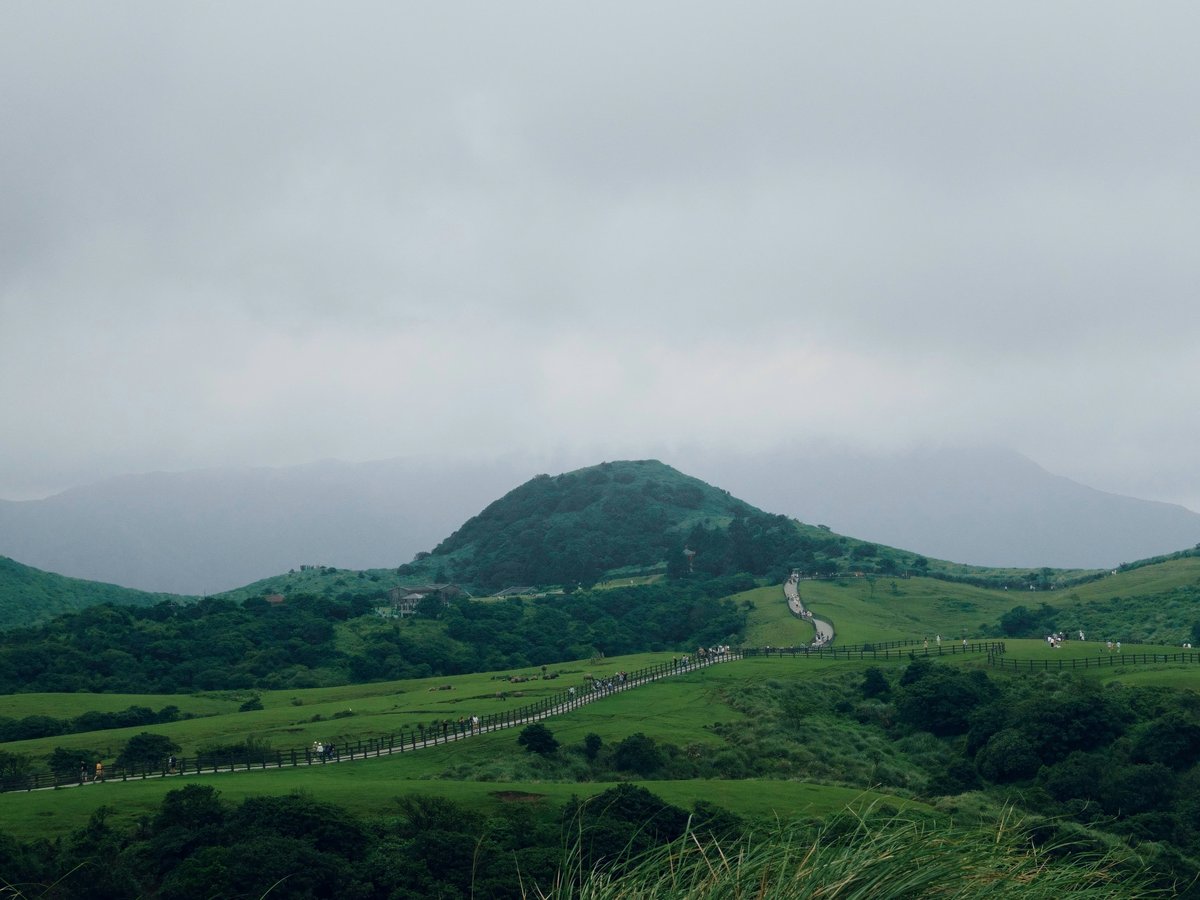
Taipei is generous with open ground, and none of the twelve places below charges for entry. Many never close: Xiangshan Park in Xinyi District is listed as open 24/7, and so is Zhongshan Park on 仁愛路四段. The range is wide. At one end is a national park in northern Taiwan that dates from 1985, then a botanical garden that dates from 1896 and is designated as a 228 incident site, and below those, squares, a memorial park, and neighbourhood green spaces. This list is for the visitor who has already paid for museum tickets and night-market snacks and now wants a dawn walk, a long sit, or an evening loop that costs nothing. We order it by how much each place gives back for an hour of your time, not by how often it turns up on postcards. The mountain comes first, then the oldest garden on the list, then the squares and pocket parks where we would send a friend who asked where to sit and breathe for free.
See the picks → -
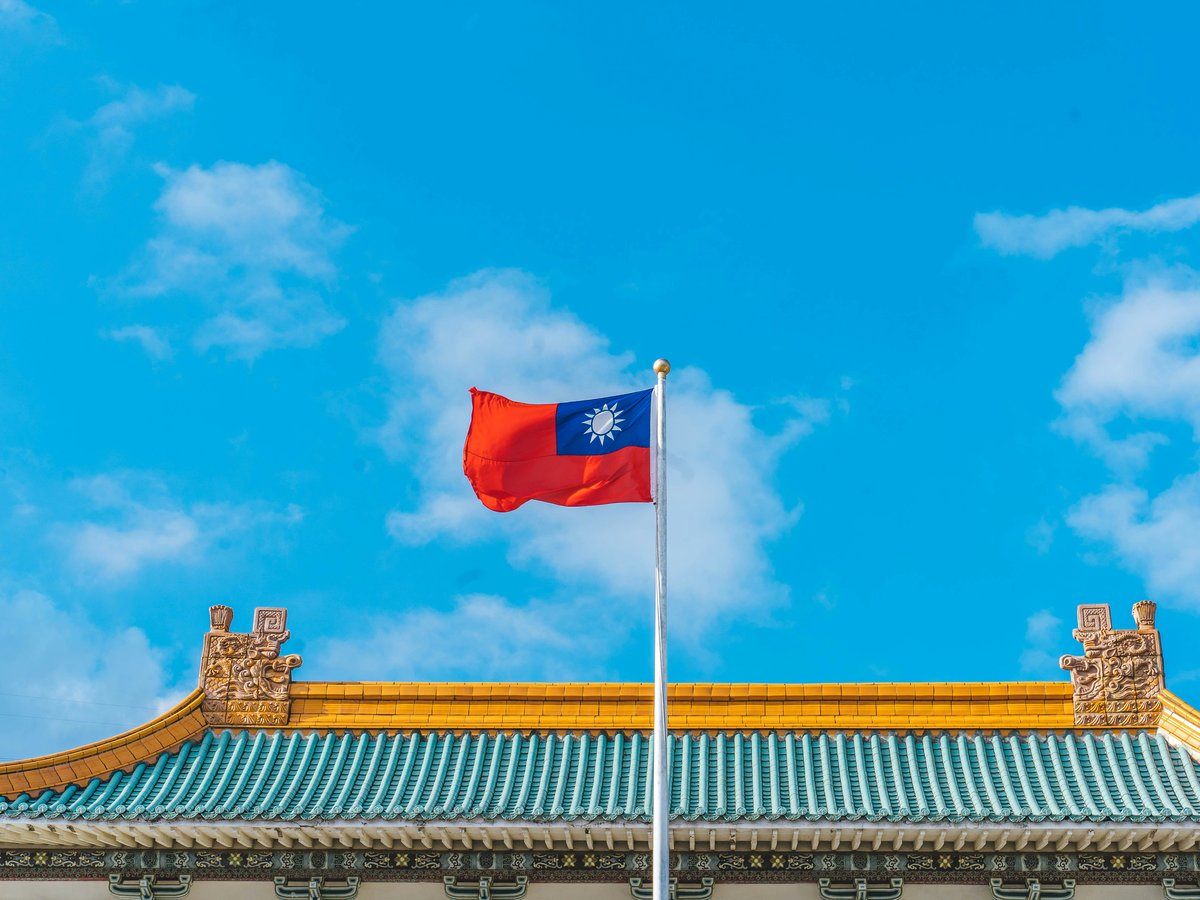
Best museums
Taipei's museums span more than a century of institution-building, from the National Taiwan Museum, dating from 1908, to the Ama Museum, dating from 2016. The range is wide. One building holds ancient Chinese imperial artifacts and artworks, another is a former railway yard, another is a postal museum, and the Museum of Drinking Water is listed among the Historic Sites at the Municipality Level. The Sun Yat-sen Memorial Hall and the National Revolutionary Martyrs' Shrine stand alongside the galleries, memorials first and exhibition spaces second. This list suits the visitor who wants the city's story told through its institutions, not merely its night markets. Plan around Mondays: the National Taiwan Museum and the Chunghwa Postal Museum both close that day, while Academia Historica opens Monday to Saturday. Wear good shoes, give the big collections a full morning, and keep the small rooms for the afternoon.
See the picks → -
Must-see attractions
Taipei's must-see list is less a skyline than a run of rooms where the city keeps its faiths and its arguments. These twelve stops take you from a Taoist temple in the Beitou District that dates from 1712 to a Guanyin temple in Wanhua from 1738, a mosque from 1947, a Catholic church from 1961, a national museum from 1908, a memorial hall from 1980, and a performing arts centre from 1987. Two of the twelve carry a Country-level monument designation. This list suits the visitor who wants to see how many congregations share one city, and who will plan around opening hours: Hsing Tian Kong opens at 04:00, the National Taiwan Museum is closed on Mondays, and the Confucian Temple closes at 17:00 on Sundays. Dress for prayer halls, keep your voice down, and build each day around the clock, not the map.
See the picks →
food
-
Best cafes
Taipei's cafe map is not a single scene but several overlapping ones: neighborhood coffee shops keeping unhurried afternoon hours, roasters running the bar like a workshop, cake-and-coffee counters that argue for the pastry as the point, tea houses reimagined for espresso-drinker attention spans, and the odd all-night room that keeps a plate coming through to 01:00. What ties them together is a preference for small rooms and specific menus over volume: with a couple of chain slots on the list only because a 06:30 opening near a residential belt is useful. The twelve rooms below span the earliest commute cup to the afternoon-only bar and the all-hours bakery; some don't unlock the door until 14:00 because the roasting was done in the morning, others keep the counter running to 24:00. Read this as a working shortlist for a two- or three-day cafe crawl, not a ranking of the loudest names on Instagram. Addresses, hours, and phone numbers are cited from OpenStreetMap so you can plan an efficient loop rather than chase a viral post to a shuttered storefront.
See the picks → -
Best restaurants
Taipei eats late and eats seriously. The city's dining rooms are stacked into department-store basements, tucked down lane numbers you have to hunt for, and strung along the arteries of Xinyi and Da'an where the office crowd empties out at 18:00 and the ramen shops brace for it. This list is twelve restaurants you can find on a map: every one of them mapped in OpenStreetMap, addressed to a specific number on a specific 巷 or 段, phone answered in Mandarin. What it is not: a chase after Michelin stars or the influencer queue of the month. What it is: European rooms open past 23:00, buffet halls that run three seatings before dinner, an Indian kitchen closed Mondays because the chef says so, a burger counter down a Tonghua Street alley, and the ramen shop that anchors an alley off Zhongxiao East. Pick by hour, by neighbourhood, by what you feel like eating. The addresses are exact. The rest is up to you.
See the picks →
Browse by traveler type
- For foodies
Taipei for foodies
- For families with kids
Taipei for families
- For digital nomads
Taipei for digital nomads
- For solo travelers
Taipei for solo travelers
- For couples
Taipei for couples
- For budget travelers
Taipei on a budget
- For luxury travelers
Taipei for luxury travelers
- For first-timers
Taipei for first-time visitors
Book experiences in Taipei
 Free cancellation
 Full-Day Private Custom Taipei City Tour
Day trip: 8 hours, free cancellation.
via Viator Free cancellation
 Full-Day Private Northern Taiwan Tour from Taipei with Pickup
Day trip: 8 hours, free cancellation.
via Viator Free cancellation
 The Award-Winning Private Food Tour of Taipei: The 10 Tastings
City tour: 3 hours, free cancellation.
via Viator Free cancellation
 Small-Group: Yehliu, Jiufen & Pingxi Day Tour from Taipei
Day trip: 9 hours, free cancellation.
via Viator Free cancellation
 4-Hour Morning Cycling City Tour (incl. breakfast)
City tour: 4 hours, free cancellation.
via Viator Free cancellation
 Yehliu & Jiufen & Shifen Day Tour (Departure from Ximending)
City tour: 9 hours, free cancellation.
via Viator
Small-Group Tour: Jiufen, Yehliu Geopark, and Shifen from Taipei
Day trip: 9 hours.
via Viator Free cancellation
 Thousand Island Lake and Pinglin Tea Plantation from Taipei
Day trip: 5 hours, free cancellation.
via Viator Free cancellation
 Private Car: 8 Hour Highly Customized Taipei City Exploration!
City tour: 8 hours, free cancellation.
via Viator Free cancellation
 Xiao Long Bao, Beef Noodles & Boba Tea Cooking Class in Taipei
Cooking class: 3 hours, free cancellation.
via Viator Free cancellation
 Taiwan TST : Private Tour Keelung, Shifen, Yehliu, Jiufen
City tour: 10 hours, free cancellation.
via Viator Free cancellation
 Highlights & Hidden Gems With Locals: Best of Taipei Private Tour
City tour: 3.5 hours, free cancellation.
via ViatorBrowse by interest
Compare Taipei with
Find a flight to Taipei
Live fares to Taipei appear here once cookies are accepted.
Last verified by automated review (v1.7.2) on . What is automated review?