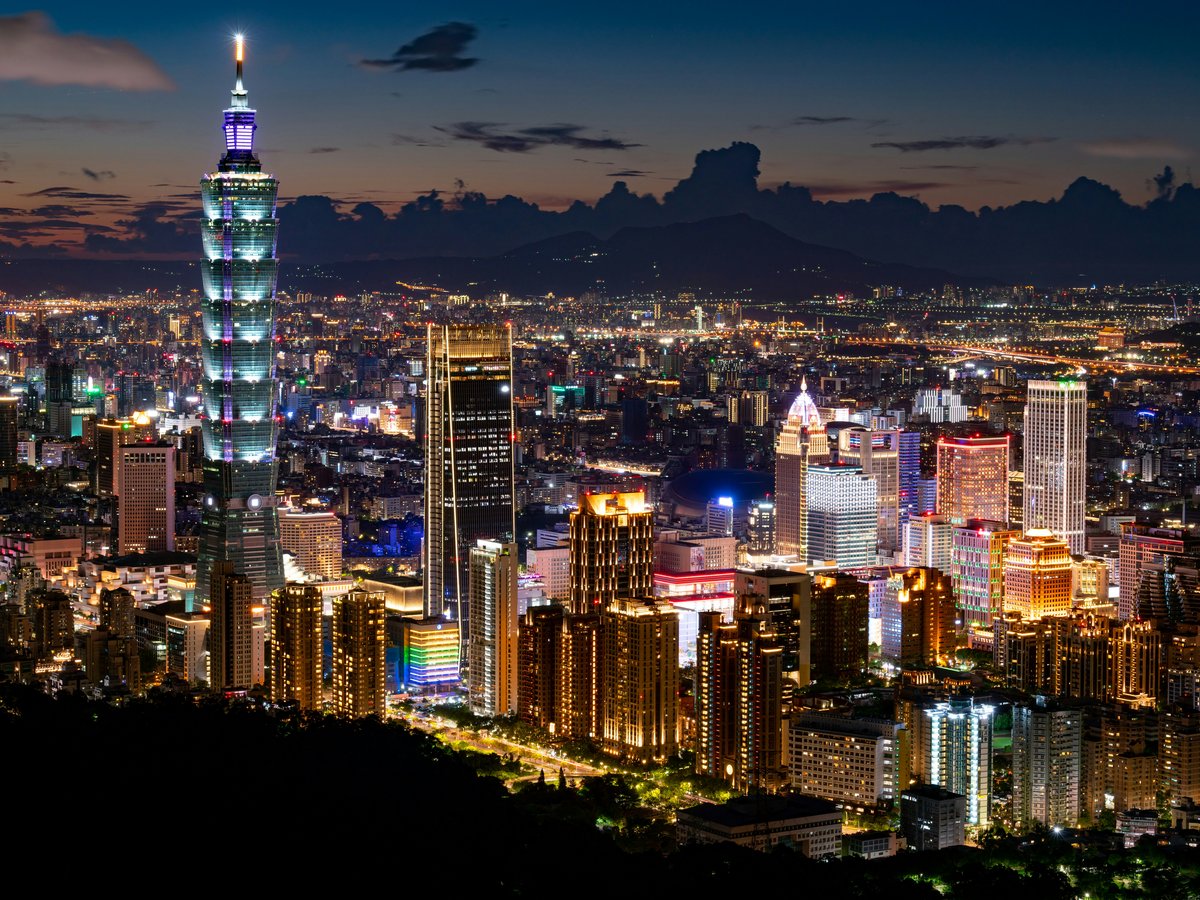
Taipei tends to wake up late. The city's night culture doesn't really follow a Western Friday-Saturday template. Locals head out on weeknights without much fuss, and weekend crowds at popular spots in Xinyi or Da'an might not peak until well past midnight. Taiwan's legal drinking age is 18, and alcohol flows freely at convenience stores on every block. 7-Eleven and FamilyMart sell Taiwan Beer, highballs, and cheap wine 24 hours a day, which means pre-gaming often happens on a park bench or a night market stool with a cold 600ml Taiwan Beer Gold Medal that costs next to nothing. The drinking culture here leans more social than sloppy. You'll find groups sharing bottles of whisky at KTV rooms, couples nursing cocktails in a dim speakeasy off Zhongshan, or a solo regular at a Wanhua dive watching baseball on a grainy TV. Mind you, Taipei still has a wild side. It surfaces around 2 AM in the clubs south of Taipei 101, or along Linsen North Road where neon signs flicker above doorways that haven't changed since the 1990s.
Where Taipei Drinks: From Speakeasies to Rooftop Terraces
Taipei's cocktail scene has been growing steadily since around 2015, and the concentration of serious bars in the Da'an and Zhongshan districts now rivals Hong Kong or Singapore in quality if not in price. A well-made cocktail in Taipei typically costs considerably less than comparable drinks in Tokyo or Seoul, which is one reason the scene has attracted attention from international bar rankings in recent years. The speakeasy format took hold early here. Unmarked doors, password entries, hidden staircases. The novelty has worn off a bit, but the craft behind the bar hasn't. Bartenders in Taipei tend to be precise and quiet, more Kyoto than Brooklyn in temperament. The Da'an District, particularly around the lanes near Zhongxiao Dunhua MRT and Daan Park, holds many of the city's more refined cocktail spots. Expect dim lighting, leather seats, and bartenders who take their ice seriously. Some places hand-carve single blocks per glass. The Zhongshan area, north of Nanjing Fuxing MRT, has a different personality. The lanes feel narrower. Bars here tend to be smaller, often seating 10 to 15 people, with a more personal, conversational atmosphere. For something rougher, Wanhua still has old-school beer houses where a large bottle of Taiwan Beer costs very little and the crowd is mostly working men watching TV. These places don't have English menus or Instagram accounts. They smell like cigarette smoke and soy-braised pork from the kitchen next door. Rooftop drinking is limited by Taipei's climate. Summers are brutally humid, 35°C with 80% humidity from June through September, which makes open-air terraces uncomfortable for long stretches. The rooftop bars that do well tend to cluster in Xinyi, on upper floors of department stores or hotels near Taipei 101. They charge a noticeable premium over street-level spots, and you're paying partly for the view of the tower lit up at night. The breezier months from October through March are when rooftop seats feel pleasant. Wine bars have been multiplying in the Da'an area, often run by sommeliers who trained in France or Australia. Natural wine has a following here. Glasses aren't cheap by Taipei standards, and prices climb quickly once you move past the house pours. The crowd tends to be quieter, late-20s to 40s professionals who prefer conversation over bass.
After Midnight: Taipei's Club Circuit
Taipei's club scene currently centers on the Xinyi District, the commercial zone around Taipei 101. Most of the bigger venues are within a 10-minute walk of Taipei City Hall MRT (Blue Line). This is where you'll find multi-floor operations with international DJs and bottle service tables that can run up a serious tab for even a basic setup. The dominant genres shift depending on the night and the venue. EDM and house still draw the largest crowds, but hip-hop nights have been gaining ground since roughly 2019. Techno has a smaller but devoted following, and some of the more interesting nights happen at smaller, less commercial spaces rather than the big Xinyi clubs. Dress codes in Taipei are relatively relaxed compared to clubs in Tokyo or Shanghai. Sneakers are generally fine. Shorts and flip-flops might get you turned away at the door in Xinyi, but a clean pair of jeans and a decent shirt will get you into most places without trouble. The door culture tends to be polite. Bouncers check IDs but rarely hassle people over outfits. Cover charges at the bigger Xinyi clubs are moderate by East Asian capital standards, and weekend covers often include one or two drink tickets. Weeknight covers tend to be lower or waived entirely. Some places offer free entry for women before a certain hour, usually midnight. Things don't really get going until midnight. Showing up at 10 PM means you'll have the dance floor mostly to yourself. The peak window runs from about 1 AM to 3:30 AM. Most clubs stay open until 4 or 5 AM on weekends. Worth noting, the crowd tends to be young. University students and early-career workers in their 20s make up the core, with the average age skewing a bit higher at the pricier bottle-service places. Linsen North Road, north of Zhongshan, is a different world entirely. This strip has roots in Taipei's old Japanese business entertainment culture. It's home to hostess bars, karaoke lounges, and smaller clubs that cater to an older crowd. The neon is dense, the energy is more retro, and you'll hear a mix of Mandarin pop and Japanese enka drifting out of doorways. It's not backpacker territory, and it's not trying to be.
Live Music After Dark: Indie Rock, Jazz, and Everything Between
Taipei has had a committed live music scene for over two decades. The city's indie rock community is one of the strongest in East Asia, fed by a steady stream of bands from local universities and a circuit of small live houses that can hold 200 to 500 people. Mandarin-language indie rock is the backbone, but you'll hear Taiwanese-language acts, post-rock, shoegaze, and noise at smaller venues too. The Gongguan area, near National Taiwan University and Gongguan MRT on the Green Line, has long been the spiritual center of Taipei's indie scene. The neighborhood around Roosevelt Road Section 3 still hosts small live houses and music cafes where tickets remain affordable by any standard. Student energy keeps prices low and crowds enthusiastic. Weeknight shows sometimes start as early as 7:30 PM, wrapping by 10 PM so the student crowd can catch the MRT home. Huashan 1914 Creative Park, a converted sake brewery near Zhongxiao Xinsheng MRT, has hosted larger-scale live events and has been a key venue for both domestic and touring international acts. The converted warehouse spaces there have a raw, industrial feel. Concrete floors, exposed beams, the lingering smell of old wood. Jazz has a quiet but steady presence. A few dedicated jazz bars operate in the Da'an and Zhongshan areas, typically seating 30 to 50 people. Sets often start around 9 PM on Friday and Saturday nights. The style leans toward classic jazz and bossa nova, and the crowd tends to be older and more subdued. Expect a drink minimum rather than a cover charge at most of these spots. For something less structured, some bars in the Shida area (near Shida Road and Taipower Building MRT) host open-mic nights and acoustic sets during the week. The Shida night market used to be the anchor of this neighborhood's nightlife, but noise complaints led to a crackdown around 2012 that shrunk the market considerably. The bars survived, though, and the area still draws a mix of university students and young expats.
Nightlife neighborhoods
-
Xinyi District (信義區)
Taipei's commercial center after dark. Glass towers, department stores, and the glow of Taipei 101 reflected in wet pavement after a summer rain. The energy here is polished and corporate during the week, then loosens up on Friday and Saturday nights when the clubs fill. Most of the bigger nightlife venues sit along or near Songshou Road and Songren Road, within walking distance of Taipei City Hall MRT.
- Best for
- Weekend clubbing, rooftop drinks, and date nights at upscale bars. The Xinyi crowd skews slightly older and better-dressed than Gongguan or Shida.
- Standouts
- The ATT 4 FUN building and nearby Xinyi commercial blocks hold several of the city's larger club venues across multiple floors.
-
Da'an District (大安區)
Leafy lanes south of Zhongxiao East Road lined with cocktail bars, wine spots, and quiet lounges. The pace is slower than Xinyi. You'll hear soft music drifting from basement bars and catch the scent of coffee from late-night roasters still open at 11 PM. This is where Taipei's bartending craft tends to concentrate, tucked into second-floor walkups and converted apartments.
- Best for
- Cocktail enthusiasts, wine drinkers, and anyone who prefers a seated conversation to a dance floor. Best on weeknights when the bars are intimate rather than packed.
- Standouts
- The lanes between Zhongxiao Dunhua MRT and Daan Park hold the densest cluster of cocktail bars in the city.
-
Zhongshan District (中山區)
A neighborhood of contrasts. The area south of Nanjing Fuxing MRT is full of small, design-conscious bars in narrow lanes, many seating fewer than 15 people. Head north toward Linsen North Road and the mood shifts to neon-lit karaoke joints and old-school drinking establishments with roots in the Japanese business era. The smell of grilled skewers from street vendors mixes with perfume from the hostess bar doorways.
- Best for
- Bar-hopping through tiny, personality-driven spots. The small scale means you'll likely end up in conversation with the bartender. Linsen North Road suits those curious about Taipei's retro nightlife layer.
- Standouts
- The lanes west of Zhongshan MRT between Nanjing West Road and Minsheng West Road have become a corridor of independent bars and late-night eateries.
-
Gongguan and Shida (公館 / 師大)
University territory. National Taiwan University anchors Gongguan, and National Taiwan Normal University defines Shida. Both neighborhoods feel younger and scrappier than Da'an or Xinyi. Live houses with sticky floors and hand-printed flyers taped to the walls. The air smells like scallion pancakes from nearby vendors. Bars here tend to be casual, loud, and welcoming to walk-ins with backpacks.
- Best for
- Live music, budget-friendly drinking, and meeting students and young expats. Best on weeknights for live shows that start early and end before the last MRT train at midnight.
- Standouts
- Roosevelt Road Section 3 near Gongguan MRT remains the heart of Taipei's indie live-house circuit.
-
Wanhua District (萬華區)
Taipei's oldest district, centered on Longshan Temple and the lanes fanning out from Bangka Park. At night, Wanhua feels grittier than the rest of the city. Fluorescent-lit beer halls, temple incense still hanging in the humid air, and older locals gathered around low tables playing cards. This is where Taipei's drinking culture existed long before craft cocktails arrived. The atmosphere is unfiltered and largely tourist-free.
- Best for
- Anyone looking for a side of Taipei that doesn't appear on cocktail-bar listicles. Good for cheap beer, local atmosphere, and a window into the city's working-class nightlife traditions.
- Standouts
- The streets around Huaxi Street and Guangzhou Street near Longshan Temple MRT hold a concentration of old-style beer houses and late-night food stalls.
Safety after dark
Taipei is consistently ranked among the safest cities in Asia, and walking home alone at 3 AM is common for locals of all genders. That said, drink spiking has been reported at some of the larger Xinyi clubs, so keep your glass in sight. Taxis are metered and generally honest. The starting fare is clearly posted on the door, and most drivers use the meter without being asked. The Taipei MRT runs until around midnight (slightly later on Fridays and Saturdays), so plan your last train if you're heading out early. After the MRT closes, rideshare apps like Uber and local platform Yoxi operate all night. Scams targeting tourists are rare in Taipei's nightlife areas, though some Linsen North Road establishments have been known to present unclear bills. If a bar or club doesn't post its prices visibly, ask before ordering.
Practical tips
- Payment methods
- Cash is still king at smaller bars, beer houses, and live music venues. The bigger Xinyi clubs and upscale cocktail spots in Da'an generally accept credit cards, but carrying some New Taiwan Dollars is wise for the smaller lanes. ATMs from banks like CTBC and Cathay United are everywhere and accept international cards.
- Timing your night
- The MRT's last trains leave around midnight, which creates a natural decision point. Either head home early or commit to staying out until 5 or 6 AM when the system restarts. Many locals choose the latter on weekends, filling late-night noodle shops and breakfast spots like Yonghe Soy Milk King near Fuxing South Road between rounds.
- Language at the bar
- English menus are common in Da'an and Xinyi cocktail bars, less so in Wanhua beer houses or Zhongshan's smaller spots. Bartenders at the craft cocktail places often speak enough English to discuss preferences. At local dives, pointing at what someone else is drinking works well. Learning a few Mandarin drink terms goes a long way.
- Smoking rules
- Taiwan banned indoor smoking in bars and clubs in 2009 under the Tobacco Hazard Prevention Act. Enforcement is generally strong in the larger venues. Smaller spots, particularly in Wanhua and along Linsen North Road, sometimes bend the rules. If smoke bothers you, stick to the newer, better-ventilated bars in Da'an and Xinyi.
FAQ
What time do bars and clubs close in Taipei?
Most bars in Taipei close between midnight and 2 AM on weeknights, with some cocktail spots in Da'an staying open until 3 AM on Fridays and Saturdays. Clubs in the Xinyi District typically run until 4 or 5 AM on weekends. A handful of late-night spots in Zhongshan and Wanhua keep irregular hours and might stay open later, depending on the crowd.
Is Taipei's nightlife safe for solo travelers?
Taipei is widely considered one of the safest cities in East Asia for solo nightlife. Violent crime is rare, the MRT is clean and well-monitored until closing, and taxis are metered and reliable. Solo women regularly go out in Taipei without concern. The main precaution is the standard one for any city with a club scene. Keep your drink in sight at crowded venues in Xinyi.
Do I need to speak Mandarin to enjoy Taipei's nightlife?
Not in the cocktail bars of Da'an or the clubs of Xinyi, where English menus and English-speaking staff are common. At local beer houses in Wanhua, live houses in Gongguan, or karaoke spots along Linsen North Road, Mandarin helps considerably. Translation apps on your phone bridge most gaps, and pointing at menu items or other people's drinks is perfectly acceptable.
What should I wear to go out in Taipei?
Taipei's nightlife dress code is relaxed by international standards. Clean sneakers, jeans, and a decent top will get you into nearly every venue. The Xinyi clubs are the most appearance-conscious, but even there the standard is casual-smart rather than formal. Flip-flops and athletic shorts are the main things likely to get you turned away. In summer, lightweight fabrics are practical given the humidity.
How do I get home after the MRT closes at midnight?
Taxis are plentiful throughout Taipei's nightlife districts and operate on a meter. Uber and the local rideshare app Yoxi are both active after midnight. Fares to most residential neighborhoods from Xinyi or Da'an are reasonable by capital-city standards. Some night bus routes run along major corridors like Ren'ai Road and Zhongxiao East Road, though frequency drops after 1 AM. The MRT restarts around 6 AM.
Last verified by automated review (v1.7.2) on . What is automated review?