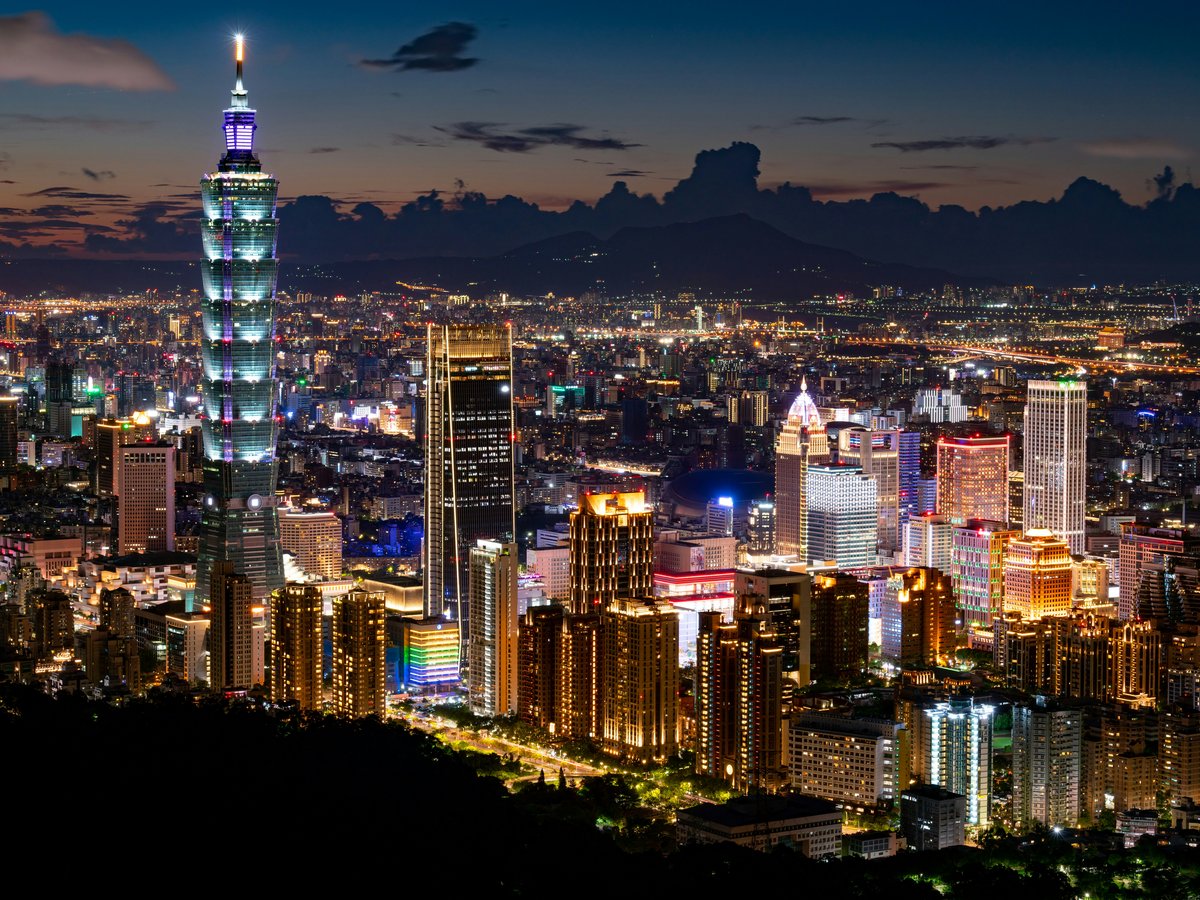
Taipei tends to reward the kind of shopper who wanders without a fixed plan. The city layers its retail across night markets that have operated for 50 or 60 years, underground malls attached to MRT stations, and high-end department stores clustered along Xinyi Road. Electronics, tea, fabric, and locally designed streetwear all sit within the same few MRT stops. You'll find that prices stay reasonable compared to Tokyo or Seoul, and the local habit of browsing after dinner means many shops keep their doors open until 10 or 11 p.m. Taiwan has built a strong domestic design scene over the past decade, so the old reputation for knockoffs feels outdated. What you'll notice now is original Taiwanese brands in ceramics, leather goods, and clothing, often sold from narrow shophouses in older neighborhoods like Dadaocheng and Yongkang Street.
Shopping districts
-
Xinyi District
highThis is Taipei's polished commercial core, anchored by the cluster of department stores and malls near Taipei 101. Shin Kong Mitsukoshi, Breeze Center, and the ATT 4 FUN building sit within a few blocks of each other. On weekends, the pedestrian plazas between buildings fill with pop-up markets and buskers. The crowd skews young professional and tourist. Prices here run high by Taipei standards, though the food courts in the basement levels of each department store remain surprisingly affordable. Mind you, even locals come here for the seasonal sales in January and July, when markdowns can reach 50% at the bigger stores.
Best for: International brands, department store shopping, Taiwanese designer boutiques
-
Zhongshan District and Zhongshan North Road
mid-rangeZhongshan has shifted over the past 5 or 6 years from a slightly sleepy area into one of Taipei's more interesting shopping stretches. The lanes between Zhongshan and Nanjing MRT stations now hold a concentration of Taiwanese independent labels, vintage clothing shops, and small galleries. The Zhongshan Metro Mall runs underground for about 800 meters and is lined with small boutiques and claw machine arcades. Above ground, the tree-lined streets have a quieter feel than Xinyi. You might notice a lot of Japanese influence here, both in the cafe culture and in the retail mix. Some of the older tailoring shops along Zhongshan North Road still operate, though they're fewer each year.
Best for: Independent Taiwanese brands, vintage clothing, bookstores, art supplies
-
Ximending
budget to mid-rangeTaipei's youth district sits in Wanhua, clustered around the pedestrian streets near Ximen MRT. It has a Harajuku-adjacent energy, with a density of streetwear shops, sneaker stores, cosmetics chains, and tattoo parlors. The pedestrian zone runs about 4 blocks in each direction. Korean and Japanese beauty products dominate the cosmetics shops, often at prices 10-20% below what you'd pay in Seoul or Tokyo. The area gets loud and crowded after 6 p.m. on weekends, with street performers and the smell of fried chicken cutlets from the food stalls mixing in with the foot traffic. The Red House, a heritage building at the edge of the district, holds a weekend creative market on its outdoor plaza.
Best for: Streetwear, cosmetics, sneakers, youth fashion, anime and manga merchandise
-
Yongkang Street and Da'an District
mid-range to highYongkang Street started as a food destination, and the mango shaved ice and beef noodle soup still pull crowds. But the side lanes have filled in with ceramics studios, tea shops, leather goods makers, and small-batch skincare brands. The feel is residential, with mature banyan trees and low-rise apartments. Prices tend toward the higher end for the category because these are often maker-run shops with small production runs. A few traditional fabric shops remain on nearby Yongkang Lane, selling Hakka-pattern cotton by the meter. Worth noting, this is one of the better neighborhoods for finding Taiwanese oolong tea sold by people who know the farmers.
Best for: Artisan ceramics, Taiwanese tea, leather goods, specialty food gifts
-
Dadaocheng and Dihua Street
mixedDihua Street in Dadaocheng is Taipei's oldest commercial strip, running about 800 meters through what was the city's trading port in the 1850s. The baroque and red-brick shophouses still stand, and many still sell the same categories they did a century ago. Dried goods, traditional Chinese medicine ingredients, fabric, and tea dominate the ground floors. The upper floors have been converted into cafes, galleries, and co-working spaces. During the 2 weeks before Lunar New Year, the street transforms into a massive New Year market. The rest of the year it's quieter. You'll smell dried mushrooms, star anise, and camphor as you walk. Several newer Taiwanese design brands have opened in restored shophouses here, selling ceramics, stationery, and indigo-dyed textiles.
Best for: Dried goods, tea, traditional fabrics, Taiwanese design, heritage atmosphere
-
Taipei Underground Mall and Station Area
budgetThe tunnel system beneath Taipei Main Station connects the Q Square mall to a long corridor of small shops stretching about 700 meters toward Zhongshan station. Rent is cheaper underground, so this is where you'll find discount clothing, phone accessories, anime figures, and cosplay supplies. The corridor has a slightly fluorescent, utilitarian look, but prices reflect the low overhead. Locals come here for cheap socks, phone cases, and quick alterations. It tends to be busiest on rainy afternoons, when the underground route doubles as a weather-proof commute.
Best for: Discount clothing, phone accessories, anime goods, rainy-day browsing
Markets
-
Shilin Night Market
nightTaipei's largest night market sprawls across several blocks near Jiantan MRT. The underground food court, rebuilt in 2011, seats several hundred and serves stinky tofu, oyster omelets, pepper buns, and dozens of other Taiwanese staples. Above ground, the lanes divide loosely into food, clothing, and games. Clothing stalls sell unbranded fast fashion at low prices, and bargaining is common here. The crowd is a mix of tourists and local teenagers. It gets packed on Friday and Saturday nights. The smell of frying oil and grilled squid follows you through every aisle.
Daily, roughly 4 p.m. to midnight
-
Raohe Street Night Market
nightRaohe runs a single straight lane for about 600 meters near Songshan MRT, which makes it easier to navigate than Shilin. The entrance gate at the Ciyou Temple end is a landmark. Food is the main draw. The pepper buns at the entrance have had a permanent queue for years. Further in, you'll find medicinal herbal stalls, handmade soap, and some vintage goods. The atmosphere feels a bit more local than Shilin, especially on weekday evenings when the tourist ratio drops. Steam from the soup stalls and the char from grilled sausages hang in the air.
Daily, roughly 5 p.m. to midnight
-
Jianguo Weekend Flower Market
weekendThis covered market runs under the Jianguo Elevated Road between Ren'ai Road and Xinyi Road, open on weekends only. Orchids dominate the inventory, and Taiwan is a major orchid exporter, so the variety here is serious. You'll also find succulents, bonsai, herbs, and traditional medicinal plants. The adjacent Jianguo Weekend Jade Market operates on the same Saturday-Sunday schedule, selling jade, semiprecious stones, and antique jewelry. The two markets together fill about 300 meters of covered space. It has a calm, older-crowd feel compared to the night markets. The air smells green, like wet soil and fresh-cut stems.
Saturdays and Sundays, roughly 9 a.m. to 6 p.m.
-
Ningxia Night Market
nightNingxia is a shorter, tighter market than Shilin or Raohe, running about 300 meters in Datong District. It leans heavily toward food rather than shopping. The taro balls, oyster omelets, and braised pork rice stalls here tend to draw older locals. In 2015, the market association banned motorcycle traffic through the lane, which made the walking experience noticeably better. There's less tourist infrastructure here, fewer English menus, and more Taiwanese being spoken at the tables. The smoke from the charcoal grills and the sweet smell of caramelized sugar from the dessert stalls fill the narrow lane.
Daily, roughly 5 p.m. to midnight
-
Taipei Expo Farmers Market
farmersHeld in the EXPO Park area near Yuanshan MRT, this weekend market gathers farmers and small producers from across Taiwan. You'll find seasonal fruit, high-mountain tea, honey, handmade noodles, and organic vegetables. Several indigenous Taiwanese producers sell millet wine, mochi, and wild herbs. The crowd is a mix of expat families and health-conscious locals. It's one of the few places in Taipei where you can buy directly from the grower and ask about farming methods. The market sits outdoors under partial shade, so summer mornings get warm fast.
Weekends, roughly 10 a.m. to 5 p.m.
Souvenirs worth bringing home
Pineapple cakes remain Taipei's signature souvenir, and the quality gap between brands is wide. Chia Te Bakery near Songshan Airport and SunnyHills in Minsheng Community both sell well-regarded versions, though they taste quite different. Chia Te's version uses a blended filling, while SunnyHills uses 100% pineapple with a tangier, more fibrous texture. Taiwanese high-mountain oolong tea, particularly from Ali Shan or Li Shan, makes a compact and well-received gift. Tea shops on Yongkang Street and Dihua Street will vacuum-seal packages for travel. Ceramics from Yingge, a town about 30 minutes south of Taipei by train, appear in many Taipei shops, though prices tend to be lower if you visit Yingge's Old Street directly. Nougat and mochi from local bakeries travel well. For something less expected, Taiwanese indigo-dyed fabrics from shops on Dihua Street or locally designed stationery from brands like Tools to Liveby in Songshan Cultural Park offer a more personal alternative. The tax-free minimum purchase for foreign visitors is TWD 2,000 per store per day, and most department stores and larger shops process the refund at a dedicated counter.
Practical tips
- Bargaining
- Night market clothing and accessory stalls generally expect some bargaining, especially if you're buying more than one item. Department stores, malls, and any shop with a barcode scanner use fixed pricing. At night markets, starting at about 80% of the asking price is a reasonable approach. Electronics shops in Guanghua Digital Plaza are mostly fixed-price, though bundling accessories with a larger purchase sometimes gets a small discount.
- Tax Refund (TRS)
- Taiwan's Tax Refund for Shoppers scheme applies to foreign visitors spending TWD 2,000 or more at a single TRS-labeled store on the same day. Keep your receipts and passport handy. You can claim the 5% VAT refund at the airport before departure. Some department stores in Xinyi District process on-site refunds at their customer service desks, which saves time at the airport. Processing typically takes 5 to 10 minutes per store.
- Payment Methods
- Cash in New Taiwan Dollars is still the default at night markets, smaller shops, and traditional stores. Credit cards are accepted at department stores, chain retailers, and most mid-range shops. Mobile payments through LINE Pay and JKoPay have grown in the past 3 years, and many convenience stores and chain restaurants accept them. ATMs dispensing TWD are widely available at 7-Eleven and FamilyMart locations, and most accept international cards on the PLUS or Cirrus networks.
- Opening Hours
- Department stores typically open around 11 a.m. and close at 9:30 or 10 p.m. Independent shops in areas like Yongkang Street or Zhongshan often open later, around noon or 1 p.m., and close by 8 or 9 p.m. Night markets start setting up around 4 or 5 p.m. and wind down by midnight. Monday tends to be the quietest shopping day, and some smaller independent shops close on Mondays or Tuesdays.
- Getting Around for Shopping
- Taipei's MRT connects all major shopping districts. An EasyCard, available at any MRT station for a refundable deposit of TWD 100, works on the MRT, buses, YouBike rentals, and at convenience stores. The MRT runs from about 6 a.m. to midnight. For night market visits after the last train, taxis are metered and generally honest. A ride across town rarely exceeds TWD 300 to 400. The YouBike bike-share system is useful for hopping between nearby neighborhoods like Yongkang and Zhongshan.
FAQ
What are the best areas in Taipei for budget shopping?
Ximending, the Taipei Underground Mall, and Shilin Night Market are the three strongest options for budget shopping. Ximending has Korean and Japanese cosmetics at competitive prices, the Underground Mall sells discount clothing and accessories with low overhead costs passed to buyers, and Shilin's clothing stalls sell unbranded fashion where bargaining is expected. Wufenpu wholesale garment district near Songshan Station is another option, though it caters more to resellers buying in bulk.
Is bargaining common in Taipei shops?
Bargaining is normal at night market stalls selling clothing, accessories, and non-food items. It is not expected at any store with fixed pricing, barcodes, or a cash register system. Department stores, malls, chain shops, and most independent boutiques use fixed prices. At traditional markets like Dihua Street, some negotiation on bulk purchases of dried goods or tea is possible, especially if you're buying several items from the same vendor.
What is the tax refund process for tourists shopping in Taipei?
Foreign visitors can claim a 5% VAT refund on purchases of TWD 2,000 or more made at a single TRS-participating store on the same day. Bring your passport when shopping, as some stores process the refund on-site. Otherwise, collect your receipts and claim the refund at the airport tax refund counter before departing. The process requires your passport, the original receipts, and the purchased goods. Some larger department stores in Xinyi District handle the paperwork in-store, which is faster than the airport queue.
Where can I buy authentic Taiwanese tea in Taipei?
Yongkang Street and Dihua Street are the two strongest neighborhoods for tea shopping. On Yongkang Street, shops like Wistaria Tea House and smaller family-run sellers stock high-mountain oolong from Ali Shan, Li Shan, and Shan Lin Xi. Dihua Street has traditional tea merchants who have been operating for decades. In both areas, most shops will let you sit and taste before buying. The Taipei Expo Farmers Market on weekends sometimes has small-batch growers selling directly. For a more curated, design-forward tea experience, brands like Wang De Chuan and Lin Mao Sen have shops in multiple locations around the city.
What are Taipei's opening hours for shopping?
Most department stores in Xinyi District and elsewhere open around 11 a.m. and close between 9:30 and 10 p.m. daily. Independent and boutique shops, particularly in Yongkang Street and Zhongshan, tend to open closer to noon or 1 p.m. and close by 8 or 9 p.m. Night markets begin around 4 or 5 p.m. and run until midnight. Weekend markets like Jianguo and the Expo Farmers Market operate roughly 9 or 10 a.m. to 5 or 6 p.m. Mondays are the quietest day, and some independent shops close on Mondays or Tuesdays.
Can I use credit cards at Taipei night markets?
Most night market vendors still operate on cash only. A few larger or newer stalls have started accepting LINE Pay or other mobile payments, but this is not reliable across the board. Bring cash in New Taiwan Dollars for night market visits. ATMs are easy to find at 7-Eleven and FamilyMart stores throughout Taipei, and most accept international debit and credit cards. Department stores, malls, and chain shops accept credit cards without issue.
Last verified by automated review (v1.7.2) on . What is automated review?